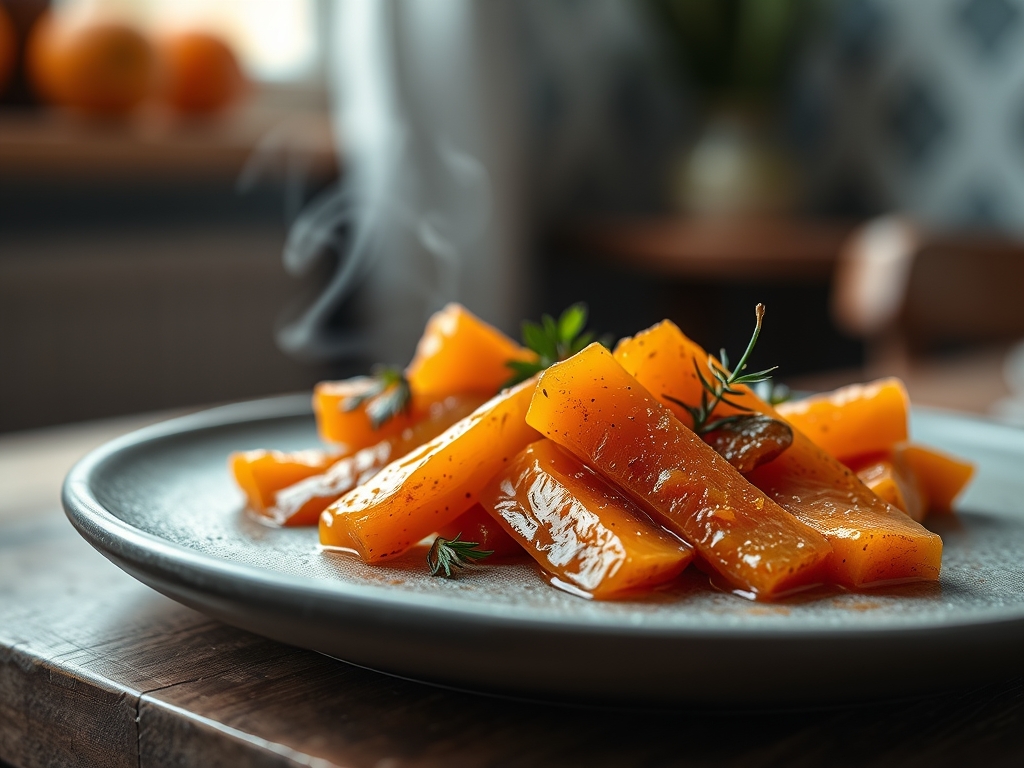
Imagine a kitchen flooded with golden light and the scent of bubbling citrus; it is the olfactory equivalent of a warm hug. When you master candied sweet potato recipes with orange juice, you are not just making a side dish. You are conducting a symphony of molecular transformation where acidic brightness meets earthy starch. This is the ultimate holiday glow-up for your table.
Most people treat sweet potatoes as a sugary afterthought, but we are going to treat them like the culinary royalty they are. By leveraging the piquant acidity of fresh citrus, we cut through the heavy glucose of traditional syrups. The result is a dish that feels sophisticated rather than cloying. We are aiming for a viscous, amber glaze that clings to the tubers like a custom-tailored silk gown.
In this guide, I am pulling back the curtain on the chemistry of the Maillard reaction and the magic of pectin. We will use professional techniques to ensure every cube is tender but structurally sound. Forget the mushy marshmallows of the past. We are going for a refined, chef-level finish that will have your friends begging for the secret ingredient. Grab your apron; we have some serious science to cook.
The Gathers:
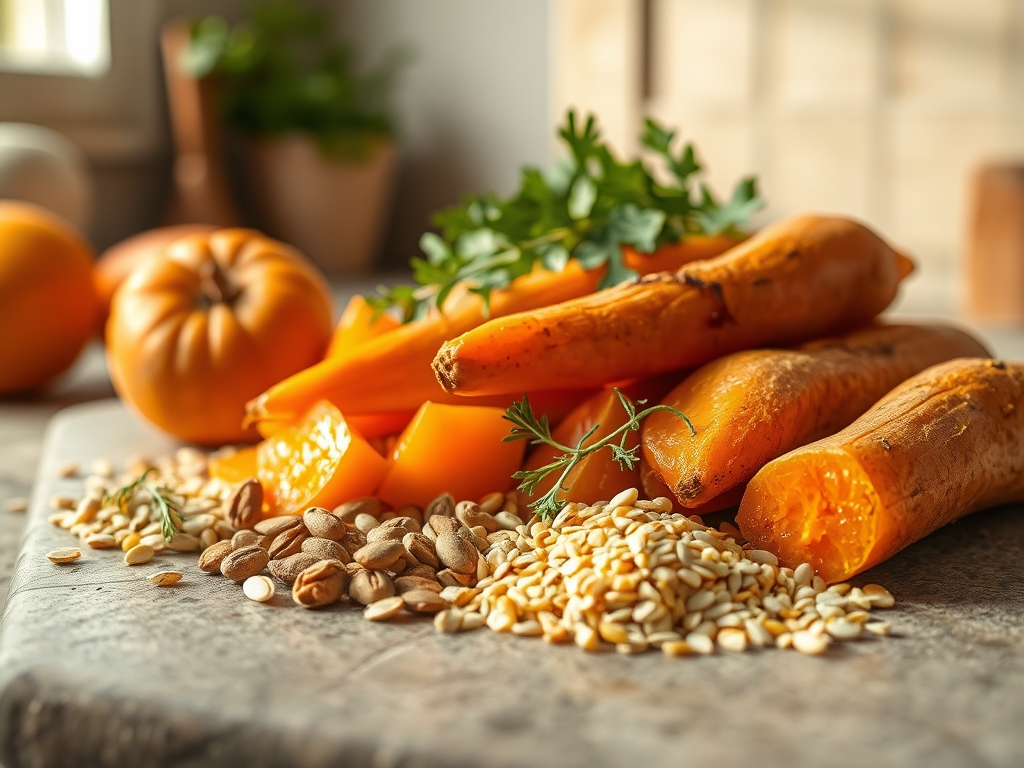
To achieve a professional-grade result, your mise-en-place must be precise. Start with four pounds of Beauregard or Jewel sweet potatoes. These varieties contain the high sugar content necessary for a deep caramelization. You will also need one cup of freshly squeezed orange juice; avoid the bottled stuff because we need the active enzymes and natural acidity to balance the palate.
Your pantry staples include dark brown sugar for its molasses depth, unsalted European-style butter for a higher fat-to-water ratio, and a pinch of kosher salt to sharpen the flavors. For the aromatics, have a cinnamon stick, two star anise pods, and a fresh knob of ginger ready. Use a microplane to zest the oranges before juicing them; this ensures you capture the volatile oils stored in the flavedo without the bitter pith.
Smart Substitutions: If you are looking for a deeper, more savory profile, swap the brown sugar for maple syrup or even a touch of miso paste. If you find yourself out of oranges, a blend of pineapple juice and a splash of apple cider vinegar can mimic that necessary piquant bite. For a vegan-friendly version, replace the butter with a high-quality refined coconut oil to maintain that luxurious mouthfeel.
The Clock:
Mastering the "Chef's Flow" is about overlapping tasks to maximize efficiency. Total active prep time is approximately 20 minutes, while the total cook time spans 45 to 55 minutes depending on the density of your tubers.
Start by preheating your oven and prepping your potatoes. While the potatoes undergo their initial roast, you will be at the stove, using a heavy-bottomed skillet or a saucier to reduce your orange glaze. This parallel processing ensures that the glaze is at the perfect viscosity exactly when the potatoes are ready to be coated. This prevents the potatoes from sitting and losing their structural integrity through steam.
The Masterclass:
1. Precision Cubing and the Starch Rinse
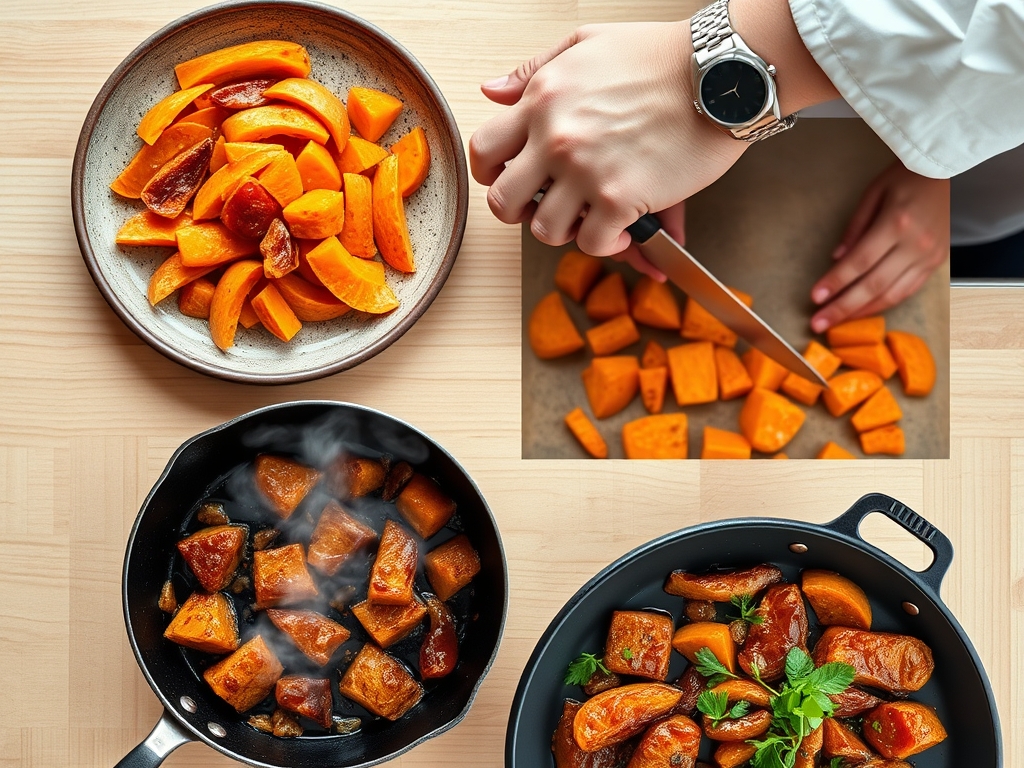
Peel your potatoes and use a sharp chef's knife to cut them into uniform one-inch cubes. Immediately submerge them in a bowl of cold water for five minutes. This removes excess surface starch which can lead to a gummy texture during the roasting process.
Pro Tip: This rinse prevents enzymatic browning, the chemical reaction where polyphenol oxidase meets oxygen. By keeping them submerged, you preserve the vibrant orange hue of the flesh.
2. The Initial Par-Roast
Drain the potatoes and pat them bone-dry with a clean kitchen towel. Toss them with a tablespoon of neutral oil and spread them in a single layer on a parchment-lined sheet pan. Roast at 400 degrees Fahrenheit for 15 minutes.
Pro Tip: This step utilizes thermal carryover. We want to soften the internal structure without fully cooking the center, allowing the potato to later absorb the orange glaze like a sponge without falling apart.
3. Reducing the Citrus Glaze
While the potatoes roast, combine your orange juice, sugar, butter, and spices in a saucier. Bring the mixture to a simmer over medium heat, whisking constantly until the sugar dissolves and the liquid reduces by half.
Pro Tip: This is a lesson in evaporative concentration. By reducing the water content, you increase the sugar and acid density, creating a glaze that is viscous enough to coat the back of a spoon.
4. The Infusion Phase
Transfer the par-roasted potatoes into a large baking dish. Pour the reduced orange glaze over them, ensuring every piece is submerged. Use tongs to gently toss the potatoes, being careful not to break the softened edges.
Pro Tip: This stage facilitates osmotic pressure. The high sugar concentration in the glaze draws out a small amount of moisture from the potato, replacing it with the infused flavors of ginger and citrus.
5. The Final Glaze and Caramelization
Return the dish to the oven, basting every 10 minutes. Continue cooking until the liquid has transformed into a thick, bubbling syrup and the edges of the potatoes are starting to darken and crisp.
Pro Tip: You are looking for the Maillard reaction, a chemical reaction between amino acids and reducing sugars that gives browned food its distinctive flavor. The orange juice's acidity helps regulate this browning so it does not turn bitter.
The Deep Dive:
From a nutritional standpoint, sweet potatoes are a powerhouse of Beta-Carotene and Vitamin A. When paired with the Vitamin C from the orange juice, you are creating a bioavailable feast. To keep it keto-friendly, use an allulose-based sweetener and reduce the juice further to compensate for the lack of sugar solids.
The Fix-It:
- The Glaze is Too Thin: If your sauce looks like soup, use a bench scraper to move the potatoes to a platter and return the liquid to a skillet. Boil it rapidly to further reduce the volume.
- Potatoes are Mushy: This usually happens if you skip the par-roast or use too much liquid. Next time, ensure your cubes are larger and the initial roast is high-heat.
- The Flavor is Too Sweet: Add a teaspoon of lemon juice or a splash of bourbon. The extra acidity or alcohol will cut through the glucose and add a sophisticated edge.
For meal prep, these actually improve after 24 hours. To reheat, avoid the microwave; it makes them soggy. Instead, place them in a skillet over medium-low heat with a tablespoon of water to aerate the sauce and restore that day-one glossy finish.
The Wrap-Up:
You have officially graduated from basic sides to gourmet citrus-infused mastery. By understanding the interplay of acid, sugar, and heat, you have turned a humble root vegetable into a showstopper. Remember; the key is all in the reduction and the quality of your citrus. Go forth, use your microplane with confidence, and let those candied sweet potatoes be the star of your next dinner party. Your kitchen, and your guests, will thank you.
The Kitchen Table:
Can I use bottled orange juice for this recipe?
Yes, you can use bottled juice, but fresh-squeezed is superior. Bottled juice often lacks the bright acidity and volatile oils found in fresh citrus, which are essential for balancing the heavy sugars in the glaze.
How do I prevent the potatoes from falling apart?
The secret is the initial par-roast and uniform cutting. By roasting them briefly without liquid first, you set the exterior starch. This creates a structural "shell" that holds its shape during the long simmering process in the glaze.
Why is my orange glaze turning bitter?
Bitterness usually comes from the white pith of the orange or over-reducing the sugar until it burns. Ensure you only use the bright orange zest and keep a close eye on the syrup as it bubbles and darkens.
Can I make this recipe in a slow cooker?
You can, but you will miss out on the caramelization. If using a slow cooker, use 25 percent less liquid and finish the potatoes under a broiler for five minutes to achieve that essential sticky, browned exterior.