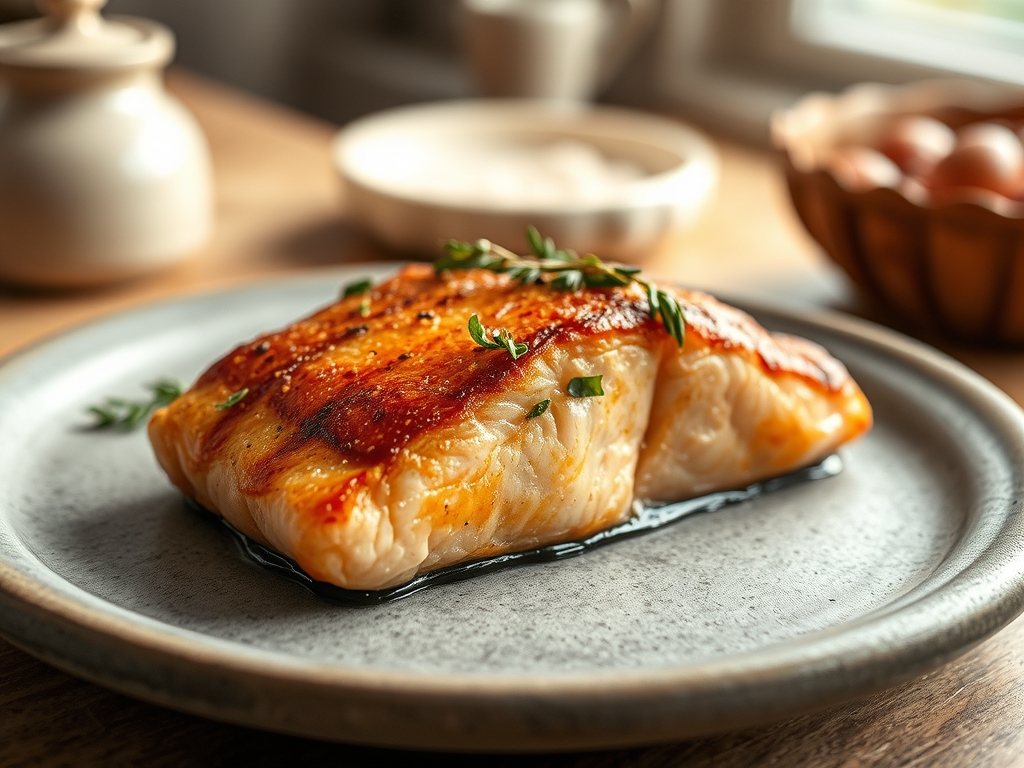
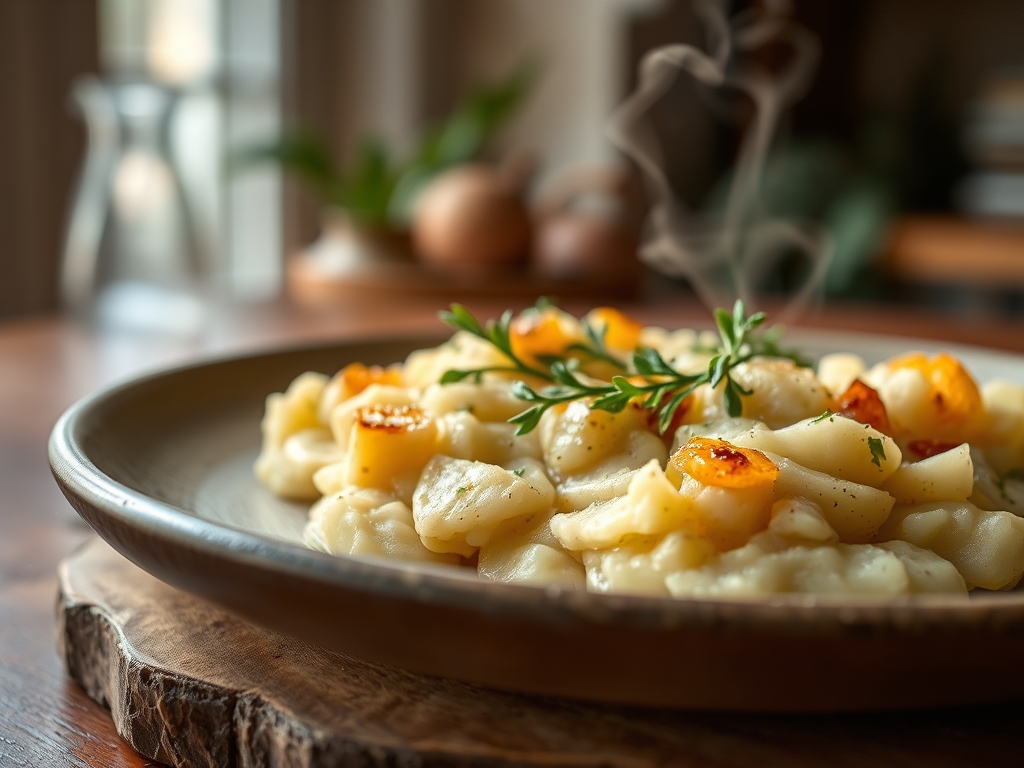
Close your eyes and imagine a bowl of clouds that actually tastes like the soul of a rustic garden. Most people settle for gluey, bland starches, but you and I are chasing something better. Masterful mashed turnip and potato recipes rely on the perfect tension between the sharp, peppery bite of the brassica and the creamy, structural integrity of the tuber. It is a culinary marriage of earth and air.
We are moving past the era of the watery, sad side dish. When you get the ratios right, the turnip provides a sophisticated, sulfurous depth that cuts right through the heavy richness of butter and cream. This is the dish that makes people stop mid-conversation and ask what your secret ingredient is. It is not just a side; it is a technical achievement in texture and flavor layering. We are going to use high-heat roasting and precision emulsification to turn these humble root vegetables into a velvet masterpiece that belongs on the finest table.
The Gathers:
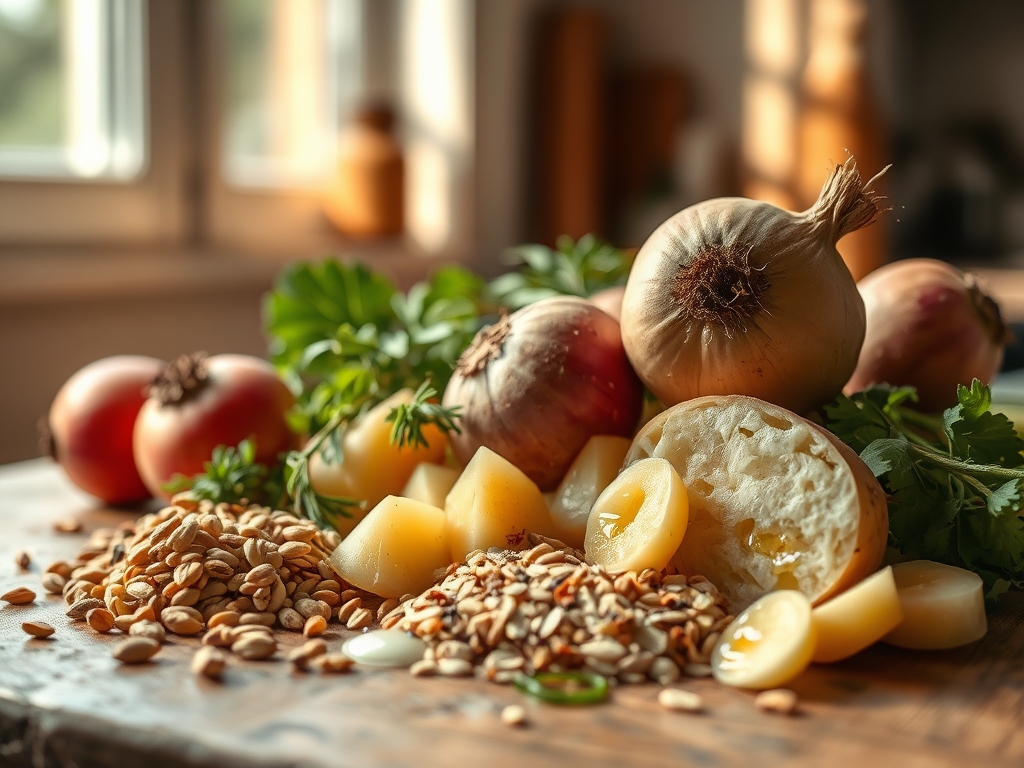
To execute this properly, your mise-en-place must be exact. Grab your digital scale because weight ratios matter more than volume when dealing with varying water content in roots. You will need 500 grams of Yukon Gold potatoes; their high starch-to-sugar ratio ensures a viscous and buttery finish. Pair these with 300 grams of young purple-top turnips. Older turnips contain more lignin, which creates a woody texture, so aim for specimens no larger than a tennis ball.
For the aromatic base, gather 100 grams of high-fat European butter (at least 82 percent butterfat) and 120 milliliters of heavy cream. You will also need four cloves of garlic, a bunch of fresh thyme, and a microplane for grating fresh nutmeg. The piquant kick comes from a teaspoon of Dijon mustard and fine sea salt.
Smart Substitutions: If you want to lighten the profile, swap the heavy cream for full-fat Greek yogurt to introduce a lactic tang. For a vegan variation, use a high-quality cashew cream and nutritional yeast to mimic the savory depth of the dairy. If turnips are too sharp for your palate, parsnips offer a sweeter, more floral alternative while maintaining the same structural density.
The Clock:
Efficiency in the kitchen is about "Chef's Flow." Expect a total commitment of 45 minutes. Your active prep time is roughly 15 minutes; this includes peeling, dicing, and setting your station. The cooking phase takes 20 to 25 minutes depending on the size of your dice. Finally, the finishing and emulsification phase requires 5 minutes of focused attention.
The flow begins with the water. While your heavy-bottomed saucier comes to a boil, you are peeling and dicing. By the time the last potato hits the water, the first should have only been submerged for three minutes. This prevents uneven cooking. While the vegetables simmer, use that window to infuse your cream and butter. Never add cold dairy to hot starch; it shocks the molecules and ruins the silkiness.
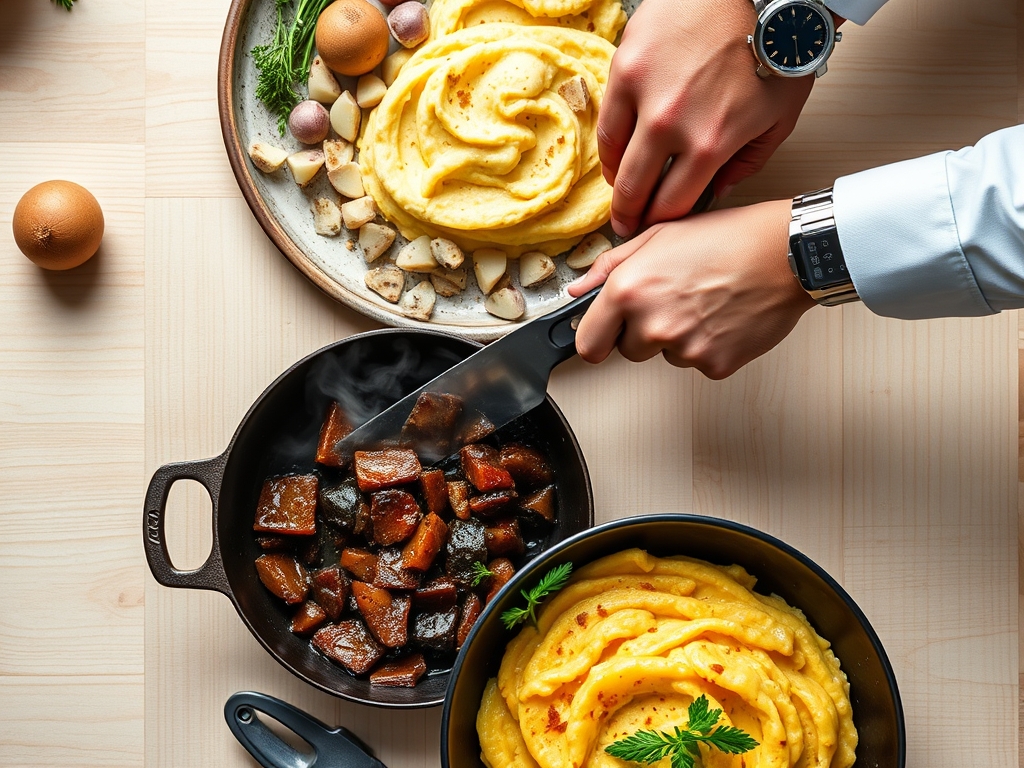
The Masterclass:
1. The Precision Dice and Boil
Peel your potatoes and turnips, then cut them into uniform one-inch cubes. Place them in a large pot of cold, heavily salted water. Bring the water to a gentle simmer rather than a rolling boil to ensure the outsides do not disintegrate before the centers are soft.
Pro Tip: Starting in cold water prevents enzymatic browning and ensures the heat penetrates the dense cellular structure of the turnip at the same rate as the potato, leading to a uniform mash.
2. The Aromatic Infusion
While the roots simmer, place your butter, cream, and smashed garlic cloves in a small saucepan over low heat. Let the butter render and the garlic soften. Add a sprig of thyme and let it steep like tea.
Pro Tip: This process uses fat-soluble extraction to pull essential oils from the herbs and garlic directly into the lipid molecules of the butter, resulting in a deeper flavor profile than just tossing raw herbs into the mash.
3. The Steam Dry Phase
Once the vegetables are fork-tender, drain them thoroughly in a colander. Return them to the hot pot for sixty seconds over low heat, shaking the pot constantly. You want to see the surface of the vegetables turn slightly matte and powdery.
Pro Tip: This step eliminates excess moisture through evaporation. Removing residual water allows the starch cells to absorb the flavored fats instead of water, preventing a "leaking" mash on the plate.
4. The Mechanical Breakdown
Pass the hot vegetables through a food mill or a potato ricer into a warm bowl. Avoid using a food processor at all costs. A blade will shear the starch granules, releasing amylopectin and turning your beautiful dish into literal wallpaper paste.
Pro Tip: Using a ricer minimizes mechanical agitation, which keeps the starch molecules intact. This allows you to aerate the mixture, resulting in a light, fluffy mouthfeel.
5. The Emulsification
Slowly stream in your warm, strained cream and butter mixture while folding gently with a silicone spatula. Add your mustard and a fresh grating of nutmeg. Use a steady hand; you are creating a temporary emulsion between the vegetable solids and the fats.
Pro Tip: The mustard acts as a natural surfactant, helping the fats and vegetable waters bond more tightly, which creates that professional, glossy sheen seen in high-end restaurants.
6. The Final Seasoning
Taste for salt and acidity. A tiny drop of white wine vinegar or lemon juice can brighten the entire dish if it feels too heavy. Serve immediately in a pre-warmed ceramic bowl.
Pro Tip: Be mindful of thermal carryover. The mash will continue to thicken as it sits, so if it looks a tiny bit looser than you want in the pot, it will be perfect by the time it hits the table.
The Deep Dive:
From a macro perspective, this dish is a powerhouse. Turnips are significantly lower in calories and carbohydrates than potatoes, meaning this blend reduces the overall glycemic load of your meal while adding Vitamin C and fiber.
Dietary Swaps: For a Keto-friendly version, shift the ratio to 80 percent turnip and 20 percent cauliflower, skipping the potato entirely. For a gluten-free guarantee, simply ensure your Dijon mustard is certified, as some brands use flour as a thickener.
The Fix-It:
- Too Watery? If your mash is soupy, stir it over low heat in a wide pan to cook off the moisture.
- Lumpy Texture? If you missed the ricer step and have lumps, pass the entire mixture through a fine-mesh chinois using the back of a ladle.
- Too Salty? Fold in a spoonful of unsweetened sour cream or an extra knob of unsalted butter to dilute the sodium concentration.
Meal Prep Science: To reheat, do not use a microwave. The uneven waves will break the emulsion. Instead, place the mash in a saucier with a splash of milk over low heat. Whisk constantly to re-emulsify the fats as they melt, restoring that "day-one" velvet texture.
The Wrap-Up:
You have officially graduated from basic boiling to botanical engineering. By understanding the chemistry of starch and the importance of moisture control, you have turned mashed turnip and potato recipes into a technical triumph. This dish is sophisticated, comforting, and scientifically superior to any standard mash. Go ahead; grab your bench scraper to clean your station and get ready to impress. You have the skills, the science, and the style to make this the star of the show.
The Kitchen Table:
Can I make this dish entirely in advance?
Yes. Prepare the mash and store it in an airtight container. Reheat slowly on the stovetop with a splash of cream to restore the emulsion. Avoid the microwave to prevent the fats from separating and becoming greasy.
What is the best potato variety for mashing?
Yukon Gold potatoes are the professional choice. Their medium starch content provides a creamy, buttery texture and a natural yellow hue that looks beautiful when blended with the white flesh of the turnips.
Why do my turnips sometimes taste bitter?
Bitterness is caused by glucosinolates found in older, larger turnips. To fix this, choose smaller roots and add a pinch of sugar or a teaspoon of honey to the boiling water to balance the flavor.
Do I have to peel the turnips?
Yes. Turnip skin is thick and can be fibrous or bitter. Use a sharp Y-peeler to remove the skin and the first layer of flesh to ensure a perfectly smooth and pale mash.