Imagine the crisp, high-altitude air of a mountain pass or the cramped quarters of a long-haul train. You are hungry; not just snack-ish, but craving a meal that feels like a warm hug. This is where dehydrated potato recipes become your culinary superpower. By mastering these lightweight, starch-dense flakes, you transform basic survival rations into gourmet, travel-ready feasts that defy the limits of a portable stove.
The Gathers:
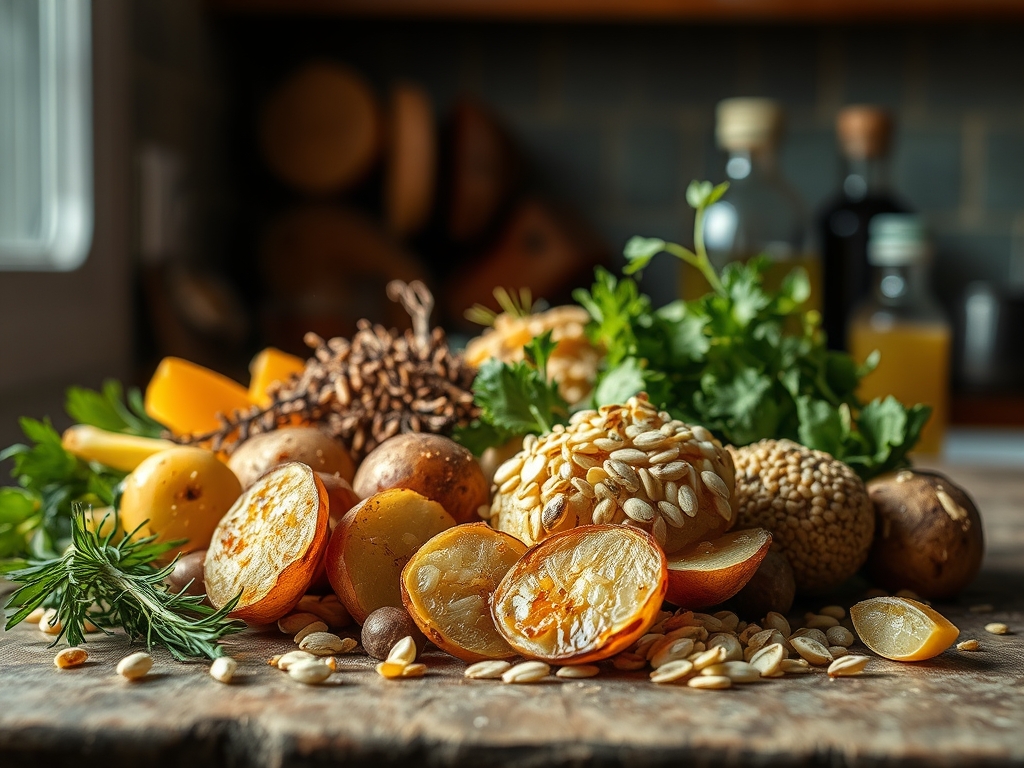
To execute these hacks, your mise-en-place must be precise. We are looking for high-quality potato flakes or granules that have been pre-cooked and dehydrated to preserve their amylopectin structure. Gather your dry aromatics: nutritional yeast for umami, freeze-dried chives for a piquant punch, and heavy cream powder to ensure a viscous, silky mouthfeel. You will need a digital scale to measure your ratios accurately; water-to-potato ratios are the difference between a delicate puree and a gummy paste.
For the "Smart Substitutions," consider using coconut milk powder if you are avoiding dairy. If you lack traditional flakes, you can pulse dehydrated hash brown shreds in a high-speed blender to create a coarse flour. This flour acts as a fantastic thickening agent for stews, utilizing the potato's natural starches to emulsify fats and liquids into a cohesive sauce. Always include a pinch of fine-grain sea salt to sharpen the flavors, as dehydration often dulls the palate's perception of sodium.
The Clock:
The "Chef's Flow" for these recipes is remarkably efficient, typically requiring only 5 to 10 minutes of active time. Because the potatoes are pre-gelatinized during the manufacturing process, you are not "cooking" them in the traditional sense; you are rehydrating them.
Prep Time: 2 minutes (measuring dry components).
Active Rehydration: 3 minutes (whisking and resting).
Finishing: 2 minutes (folding in textures).
The secret to professional-grade results is the "Rest Phase." After adding hot liquid, cover your vessel for at least 120 seconds. This allows the moisture to penetrate the center of every starch granule, preventing that dreaded "gritty" texture found in rushed camp meals.
The Masterclass:
1. The Instant Aligot Hack
Traditional Aligot requires immense forearm strength and specific cheese. For the travel version, whisk your potato flakes into boiling water using a sturdy silicone whisk. Fold in a 50/50 blend of powdered mozzarella and garlic salt.
Pro Tip: This relies on protein strands stretching. By maintaining a temperature above 140 degrees Fahrenheit, the cheese proteins remain elastic rather than clumping, creating that iconic, rope-like pull.
2. The Thru-Hiker's Shepherd's Pie
Layer your rehydrated potatoes over a base of dehydrated ground beef and peas. Use a heavy-bottomed skillet or a titanium pot to heat the base until it bubbles, then dollop the potatoes on top.
Pro Tip: To mimic a baked crust, use a small culinary torch or simply let the bottom of the meat layer caramelize slightly. This creates a flavor profile rich in Maillard reaction products, adding depth to the rehydrated ingredients.
3. Potato Flour Gnocchi
Mix potato flakes with a small amount of flour and just enough water to form a dough. Use a bench scraper to cut small pillows and boil them for 60 seconds.
Pro Tip: Avoid overworking the dough. Excessive agitation releases too much intercellular starch, which turns the gnocchi from light clouds into dense, rubbery pellets.
4. The Crispy "Skillet" Hash
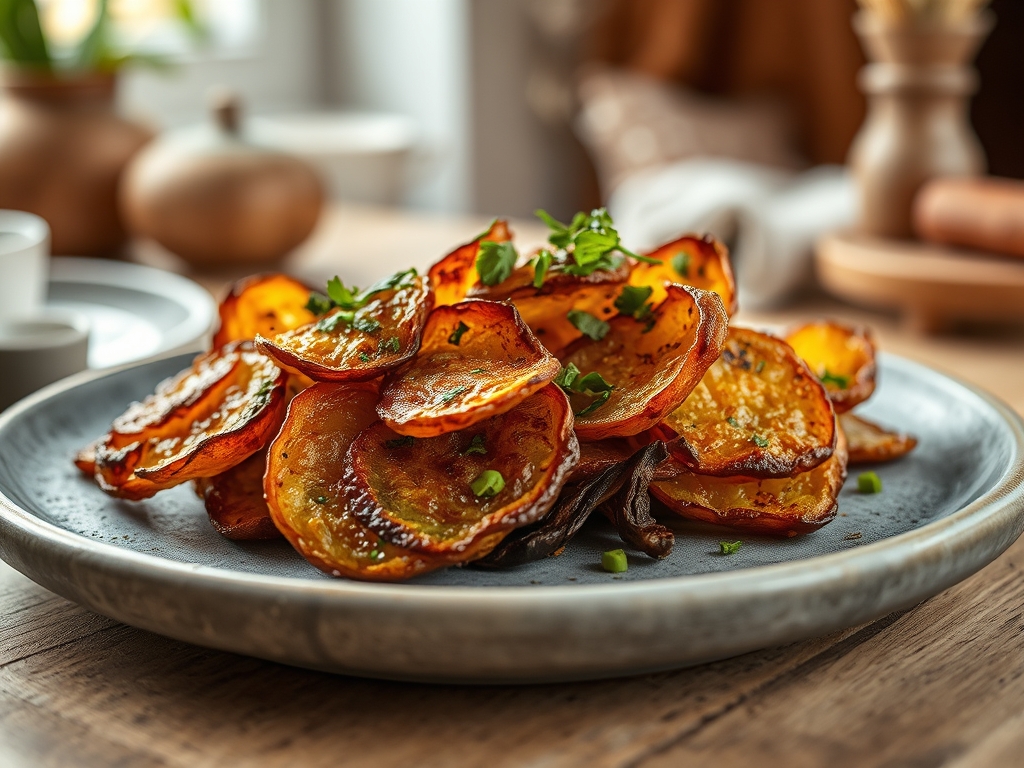
Rehydrate hash brown shreds with 10% less water than called for. Render a bit of bacon fat in your pan and press the potatoes down firmly with tongs or a spatula.
Pro Tip: This hack utilizes thermal conductivity. By pressing the potatoes, you maximize contact with the heat source, ensuring the exterior undergoes rapid evaporation and crisping while the interior stays moist.
5. Creamy Potato Leek Soup Base
Use your potato flakes as a thickener for a leek and chicken bouillon broth. Use a saucier to whisk the flakes in slowly to avoid lumps.
Pro Tip: Potatoes are excellent hydrocolloids. They bind the water molecules in the broth, increasing the viscosity without the need for a flour-based roux, making this naturally gluten-free.
6. The Loaded Baked Potato Bowl
Mix flakes with powdered sour cream, bacon bits, and dried chives. Use a microplane to grate a bit of fresh hard cheese over the top if you have it.
Pro Tip: The addition of fats (sour cream/butter) acts as a lubricant for the starch granules, providing a "melt-in-your-mouth" texture that mimics the high moisture content of a freshly baked russet.
7. Savory Potato Pancakes
Combine flakes, an egg powder substitute, and onion flakes. Fry in a shallow pool of oil until golden.
Pro Tip: Watch for enzymatic browning. Since these are dehydrated, they won't turn brown like raw potatoes, but they will burn quickly due to the high surface area of the flakes.
8. The Thickening Agent Secret
Add two tablespoons of flakes to any watery travel stew or chili. Stir vigorously with a long-handled spoon.
Pro Tip: This is a "physical fix" for syneresis, which is when liquid separates from a sauce. The potato starch absorbs the excess water, stabilizing the emulsion.
The Deep Dive:
From a macro nutrition perspective, dehydrated potato recipes are a powerhouse for travelers. They provide approximately 110 calories per ounce, consisting almost entirely of complex carbohydrates for sustained energy. For Dietary Swaps, vegans can replace butter with olive oil or avocado oil packets. For those looking for a lower glycemic index, look for dehydrated sweet potato flakes, which offer a similar texture with more Vitamin A.
The Fix-It:
- Gummy Texture: You over-stirred. Next time, fold gently with a bench scraper to keep the starch cells intact.
- Lumpy Consistency: The water wasn't hot enough. Starch requires a minimum of 175 degrees Fahrenheit to fully gelatinize.
- Bland Flavor: Dehydration removes volatiles. Add an acid, like a squeeze of lemon or a dash of vinegar, to brighten the dish.
For Meal Prep, if you are reheating these at a hotel, use the "Steam Method." Place the potatoes in a bowl, add a teaspoon of water, cover tightly with plastic wrap, and microwave. This creates a steam chamber that prevents the starch from drying out and becoming "crusty."
The Wrap-Up:
Mastering dehydrated potato recipes is about more than just convenience; it is about bringing the sophistication of a professional kitchen to the most remote corners of the world. With a digital scale in your pack and a little scientific know-how, you can turn a humble bag of flakes into a five-star experience. So, grab your saucier, pack your spices, and get ready to elevate your travel dining game to legendary status.
The Kitchen Table:
How do I prevent dehydrated potatoes from being gritty?
Always allow the potatoes to rest covered for two minutes after adding boiling water. This ensures full hydration of the starch granules. Using a digital scale for precise water ratios also prevents a dry, sandy texture.
Can I use dehydrated potatoes to thicken soup?
Yes. Potato flakes are an excellent gluten-free thickener. Slowly whisk them into a simmering liquid using a saucier until you reach your desired viscosity. The starch binds the liquid, creating a smooth, rich mouthfeel instantly.
Are dehydrated potatoes healthy for hiking?
They are ideal. They offer high-density complex carbohydrates for energy and are easy to digest. Pair them with a protein source and healthy fats to create a balanced, recovery-focused meal after a long day of physical exertion.
What is the best way to add flavor to instant potatoes?
Incorporate "fat and acid." Use butter or olive oil for richness, and a splash of vinegar or lemon juice to cut through the starch. Adding umami-rich ingredients like nutritional yeast or garlic powder provides professional-level depth.