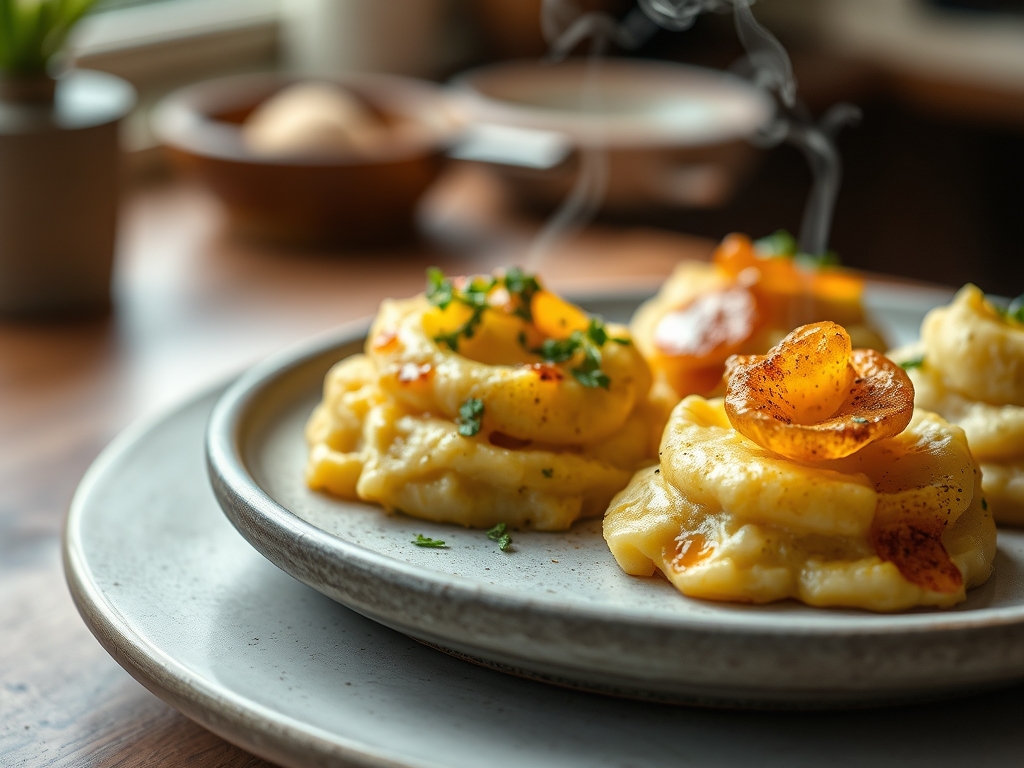
Picture the steam rising from a porcelain bowl; it is heavy with the scent of cultured butter and the earthy, mineral whisper of a perfectly boiled Russet. We have all been there, staring at a bland pile of starch and wondering how to transform it into the velvet masterpiece seen in Michelin kitchens. Mastering different mashed potato recipes is not just about the mash; it is a lesson in starch retrogradation and the delicate balance of lipid emulsification. Whether you want a cloud-like puree or a rustic, chunky smash, the secret lies in how you manipulate the cell walls of the tuber.
We are moving beyond the basic salt and pepper routine to explore nine transformative upgrades that will redefine your Sunday dinner. From infusing fats with aromatic volatiles to utilizing the mechanical power of a ricer, we are treating these spuds with the respect they deserve. Grab your apron and your favorite heavy-bottomed pot; we are about to turn a humble root vegetable into a culinary event that your guests will be talking about for months.
The Gathers:
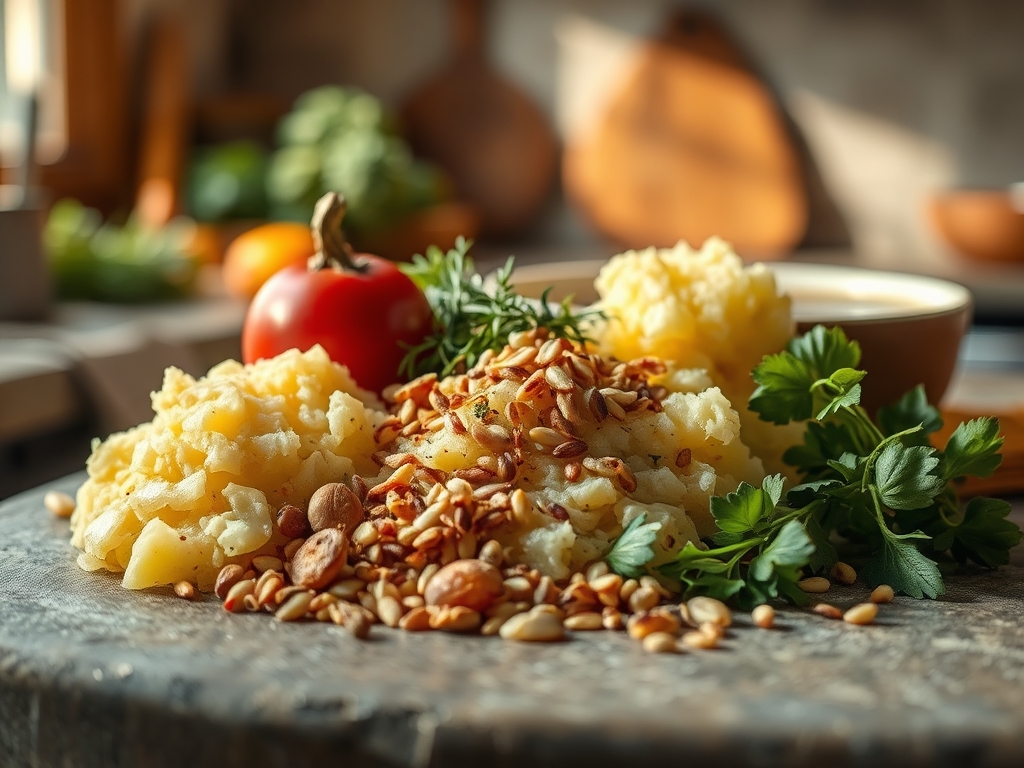
To execute these different mashed potato recipes, your mise-en-place must be precise. Start with high-starch Russets or waxy Yukon Golds; the former provides fluffiness due to high amylose content, while the latter offers a creamy, buttery mouthfeel. You will need high-fat European butter (at least 82 percent butterfat) to ensure a stable emulsion. For your liquids, gather heavy cream, whole milk, or even a piquant buttermilk for a tangy profile.
Do not forget the aromatics. Fresh thyme, rosemary, and whole garlic cloves are essential for infusing your fats. You should also have a digital scale ready to ensure a 4:1 ratio of potato to fat for the ultimate decadence. Smart Substitutions: If you are avoiding dairy, a high-quality extra virgin olive oil can provide a viscous, fruity alternative. For a lower-carb twist, you can swap thirty percent of the potato mass for steamed cauliflower without compromising the structural integrity of the mash.
The Clock
Efficiency in the kitchen is about "Chef's Flow," which means synchronizing your prep to minimize downtime. Expect a total active time of twenty minutes, with a passive boiling time of twenty-five minutes. While the potatoes undergo starch gelatinization in the boiling water, you should be using your saucier to infuse your cream and butter. This overlapping workflow ensures that when the potatoes are ready to be aerated, your liquid gold is at the optimal temperature to prevent the starch from seizing.
The Masterclass
1. The Cold Water Start
Always place your peeled, uniform potato chunks into a pot of cold, heavily salted water. Starting with hot water cooks the outside too quickly, leaving a raw, hard core. Bringing the temperature up gradually ensures the pectin in the cell walls breaks down evenly across the entire batch.
Pro Tip: Salt the water until it tastes like the sea. This allows the sodium ions to penetrate the potato's cellular structure during the cooking process, seasoning it from the inside out rather than just on the surface.
2. The Steam Dry
Once the potatoes are fork-tender, drain them immediately and return them to the hot pot for two minutes over low heat. Shake the pot vigorously to evaporate excess moisture. You want to see a thin, floury film on the bottom of the pan, which indicates the surface moisture has vanished.
Pro Tip: Removing excess water is vital because it creates "space" within the starch granules to soak up the butter and cream. This prevents a watery, weeping mash.
3. The Mechanical Aeration
For the smoothest texture, pass the hot potatoes through a ricer or a food mill directly into a warm bowl. Avoid using a food processor at all costs; the high-speed blades tear the starch granules, releasing too much amylopectin and turning your dinner into a bowl of wallpaper paste.
Pro Tip: Use a bench scraper to clear the bottom of the ricer after every press. This maintains a consistent flow and prevents the mash from cooling too rapidly.
4. The Fat First Method
Incorporate your room-temperature butter before adding any liquid. Stir it in gently with a silicone spatula until every particle of potato is coated in fat. This creates a lipid barrier that prevents the milk from over-hydrating the starch, which keeps the texture silky rather than gummy.
Pro Tip: This is known as "shortening" the starch. By coating the molecules in fat first, you limit the amount of liquid they can absorb, preserving a fluffier structure.
5. The Warm Infusion
Slowly fold in your infused cream or milk. The liquid should be steaming but not boiling. Use a whisk for a final, light aeration, but do not overwork the mixture. This is the stage where you can add your piquant additions like roasted garlic paste or a fine dusting of nutmeg from a microplane.
Pro Tip: Thermal carryover is your friend here. Using warm liquids maintains the kinetic energy of the fats, ensuring a stable, glossy emulsion that will not break as it sits on the table.
The Deep Dive
When we look at the macro nutrition, potatoes are a powerhouse of potassium and Vitamin C, though the addition of lipids increases the caloric density. For those following a Vegan lifestyle, utilize cashew cream and vegan butter sticks for a similar viscosity. For a Keto-friendly version, increase the ratio of butter and use heavy cream while swapping half the potatoes for radishes, which lose their pepperiness when boiled.
The Fix-It: If your mash is too gluey, you cannot "un-mix" it, but you can spread it in a baking dish, top with cheese, and bake it into a gratin to mask the texture. If it is too salty, add a splash of unseasoned cream or a pinch of sugar to balance the palate. If the mash is lumpy, pass it through a fine-mesh sieve (a tamis) using the back of a ladle to force out the irregularities.
For meal prep, reheating is a science. Avoid the microwave, which can cause the fats to separate. Instead, place the cold mash in a saucier over low heat with a splash of milk. Stir constantly to re-emulsify the fats and restore that day-one velvet quality.
The Wrap-Up
Upgrading your potato game is a journey through chemistry and technique. By respecting the starch, mastering the emulsion, and choosing the right tools, you transform a side dish into the star of the show. Whether you are folding in truffle oil or topping your creation with crispy rendered pancetta, remember that the foundation is always the same: heat, fat, and gentle handling. Now, go forth and mash with confidence!
The Kitchen Table
Which potato is best for mashing?
Russets are ideal for fluffy, light results due to their high starch content. Yukon Golds offer a buttery, creamy texture and hold their shape better. A 50/50 blend of both provides the perfect balance of fluff and flavor.
Why do my mashed potatoes get gummy?
Gumminess is caused by overworking the potatoes, which releases excess starch (amylopectin). Using a food processor or over-mashing with a hand mixer breaks the starch granules, creating a sticky, glue-like consistency. Always use a ricer or hand masher.
Can I make mashed potatoes ahead of time?
Yes. Store them in an airtight container in the fridge for up to three days. To reheat, use a double boiler or a heavy-bottomed pot over low heat, adding a splash of milk or butter to restore the creamy emulsion.
How do I fix bland mashed potatoes?
Beyond salt, add acidity or umami. A teaspoon of Dijon mustard, a splash of buttermilk, or a grating of Parmesan cheese can brighten the flavor. Always taste and season at the very end to ensure the flavors are balanced.