Picture a kitchen bathed in the golden hour glow where the air smells like caramelized sugar and earthy warmth. You are about to master the ultimate comfort duo by exploring these eight bold banana sweet potato recipes. This pairing is not just a coincidence of color; it is a chemical masterpiece where starchy depth meets tropical sweetness.
Most people treat these two as side dishes or baby food. We are going to elevate them into culinary gold. Whether you are whipping up a silken breakfast porridge or a pan-seared gnocchi, the synergy between the fructose in the fruit and the complex carbohydrates in the tuber creates a flavor profile that is both sophisticated and nostalgic. We are chasing that perfect Maillard reaction where the natural sugars undergo a chemical transformation to produce nutty, savory notes. By the end of this session, you will understand why this duo is the secret weapon of professional chefs who crave texture and nutrient density without sacrificing indulgence.
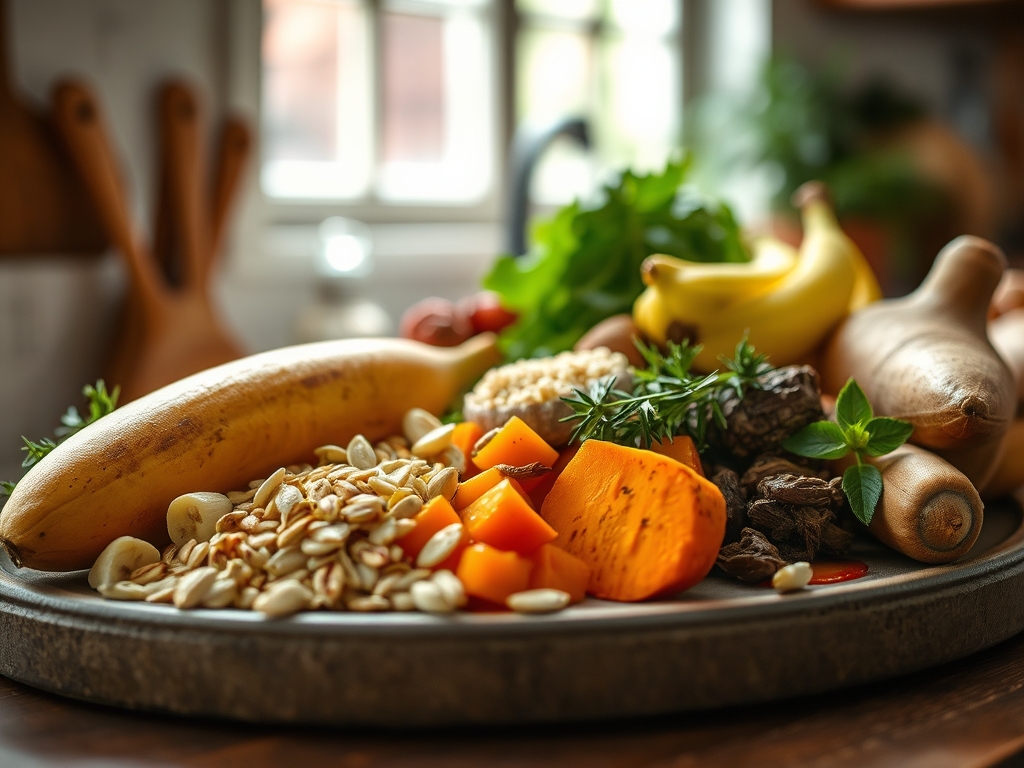
The Gathers:
To execute these banana sweet potato recipes with precision, your mise-en-place must be immaculate. Start with your base: Beauregard or Jewel sweet potatoes. These varieties possess a high moisture content and a vibrant orange hue. For the bananas, look for the "cheetah" stage; yellow skin with heavy brown speckling indicates that the starch has fully converted into glucose and sucrose.
You will need a digital scale for accuracy, as volumetric measurements for mashed produce are notoriously unreliable. Grab your microplane for zesting citrus or grating fresh nutmeg to cut through the density. A saucier is essential for any stovetop reductions, while a heavy-bottomed skillet ensures even heat distribution during searing.
Smart Substitutions:
If you find yourself without a ripe banana, you can use plantains, though you must increase the fat content with grass-fed butter to compensate for the lower sugar levels. If sweet potatoes are unavailable, Japanese Yams offer a starchier, chestnut-like flavor that works beautifully in baked applications. For a vegan profile, swap honey for maple syrup to maintain that viscous texture while adding a hint of woodsy caramelization.
The Clock:
Efficiency in the kitchen is about the Chef's Flow. This is the art of overlapping tasks so that no second is wasted. For most banana sweet potato recipes, your active prep time will hover around 15 minutes. This includes peeling, cubing, and mashing.
The passive cooking time is where the magic happens. Roasting the potatoes takes approximately 45 minutes at 400 degrees Fahrenheit. Use this window to prepare your inclusions: toast your walnuts, brown your butter, or bloom your spices in a small pan. If you are making a chilled mash or a smoothie bowl, account for a 30-minute cooling period to allow the starches to retrograde, which improves the final mouthfeel and lowers the glycemic index. Total time from pantry to plate is usually 60 to 75 minutes.
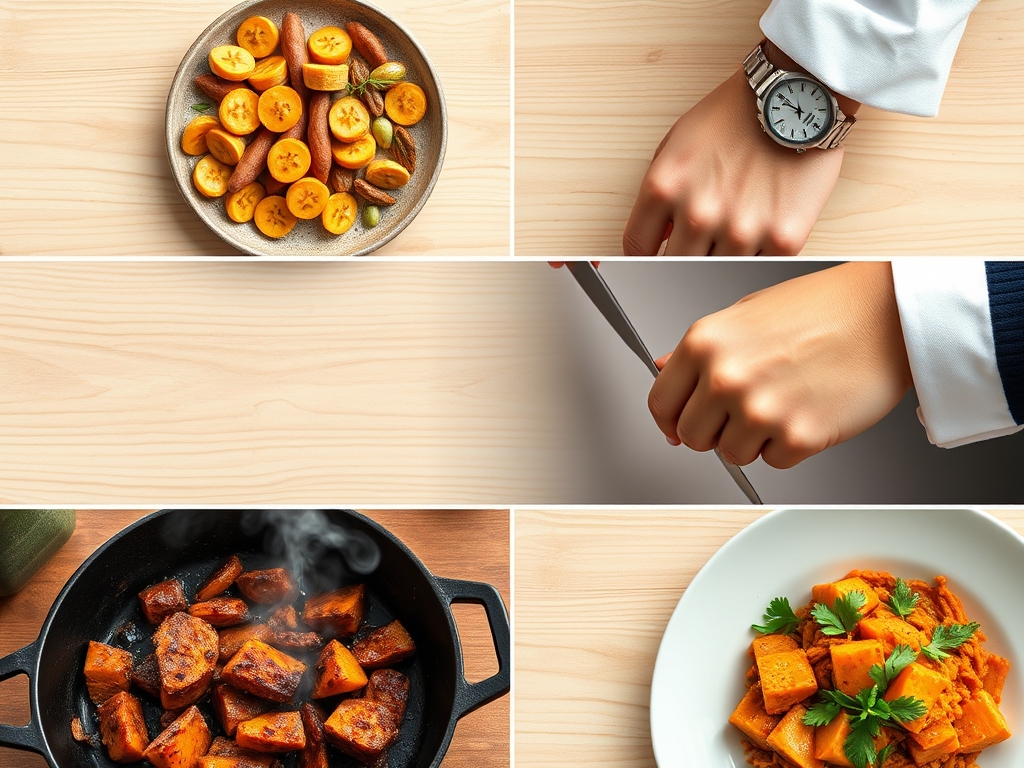
The Masterclass:
1. Thermal Preparation of the Tubers
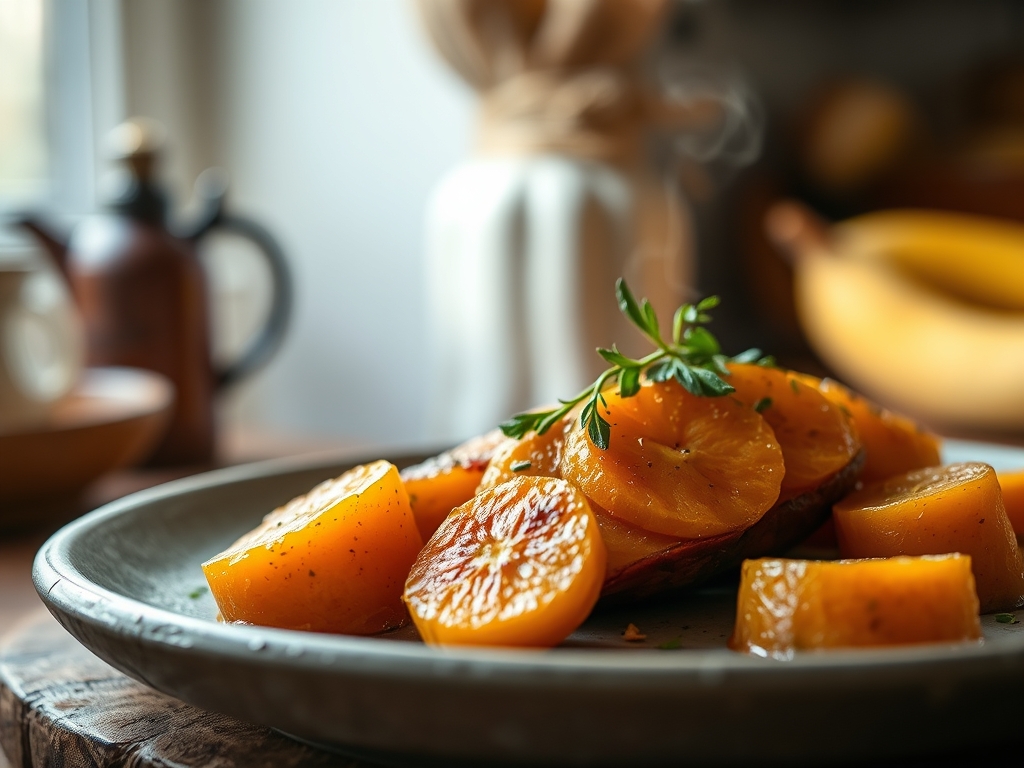
Begin by roasting your sweet potatoes whole in their skins. This method uses dry heat to concentrate the sugars rather than leaching them out into boiling water. Use a fork to pierce the skin, allowing steam to escape and preventing a structural blowout.
Pro Tip: This technique utilizes thermal carryover. Even after you remove the potatoes from the oven, the internal temperature continues to rise for several minutes. Let them rest for ten minutes before peeling to ensure the cell walls have fully softened.
2. Achieving the Perfect Emulsion
Once the potatoes are cool enough to handle, combine them with your overripe bananas. Use a bench scraper to move the mash onto a flat surface if you are making dough, or a high-speed blender for a puree. You are looking for a viscous consistency that holds its shape on a spoon.
Pro Tip: This step manages enzymatic browning. By adding a splash of lemon juice or another acid, you deactivate the polyphenol oxidase enzyme, keeping your vibrant orange and yellow colors from turning a dull grey.
3. Aeration and Folding
If your recipe involves a batter, such as pancakes or muffins, you must aerate your dry ingredients. Sift your flour and leavening agents together before gently folding them into the wet mash. Use a silicone spatula to reach the bottom of the bowl without overworking the gluten.
Pro Tip: Over-mixing leads to gluten development which makes the final product "rubbery." Stop mixing as soon as no dry streaks remain to maintain a tender, cake-like crumb.
4. Searing for Texture
For savory applications like banana sweet potato fritters, heat your heavy-bottomed skillet until a drop of water dances on the surface. Add a high-smoke-point oil like avocado oil. Place small mounds of the mixture into the pan and press down lightly with tongs or a spatula.
Pro Tip: The Leidenfrost effect ensures your food doesn't stick. By waiting for the pan to reach the correct temperature, you create a microscopic layer of steam that suspends the food above the metal surface.
The Deep Dive:
When we look at the macro nutrition of banana sweet potato recipes, we see a powerhouse of potassium, Vitamin A, and fiber. This combination provides sustained energy release, making it a favorite for endurance athletes. A standard serving contains roughly 250 calories, 4 grams of fiber, and 2 grams of protein before any additions.
Dietary Swaps:
For a Keto-friendly adjustment, replace half the banana with avocado and use a sugar-free sweetener; it mimics the creaminess without the carb load. For Gluten-Free needs, almond flour or oat flour provides the necessary structure. Vegan chefs should use flax eggs (one tablespoon ground flax to three tablespoons water) to provide the binding protein usually found in poultry eggs.
The Fix-It:
- Too Runny: If your mash is watery, your potatoes likely absorbed too much moisture. Fix this by placing the puree in a saucier over medium-low heat. Stir constantly to evaporate excess water through a process called reduction.
- Too Dense: If the mixture feels like a brick, add a tablespoon of coconut milk or Greek yogurt. This introduces fat and liquid to emulsify the starches.
- Bland Flavor: If it tastes flat, you lack acidity. A teaspoon of apple cider vinegar or a pinch of sea salt will brighten the natural sugars and make the flavors "pop."
Meal Prep Science:
To reheat these dishes while maintaining "day-one" quality, avoid the microwave if possible. The microwave agitates water molecules unevenly, leading to soggy spots. Instead, use a toaster oven or a skillet. This reapplies dry heat to the exterior, re-crisping the edges while gently warming the center.
The Wrap-Up:
Mastering banana sweet potato recipes is about more than just mixing two ingredients; it is about understanding how heat, acid, and texture interact to create something greater than the sum of its parts. You now have the technical knowledge to troubleshoot any kitchen mishap and the creative license to experiment with bold additions like chipotle powder or vanilla bean. Go forth and turn these humble pantry staples into a culinary event that would make any professional chef proud.
The Kitchen Table:
Can I use frozen bananas for these recipes?
Yes, but you must thaw them completely and drain the excess liquid first. Frozen bananas break down cell walls, making them more liquid. Adjust your dry ingredients by adding an extra tablespoon of flour to maintain the proper structural integrity.
How do I prevent my sweet potatoes from being stringy?
Stringiness is caused by the vascular bundles in older or very large potatoes. To fix this, pass your cooked potato mash through a fine-mesh sieve or a ricer. This removes the fibrous strands and results in a professional, silken texture.
What is the best way to store leftovers?
Store your creations in an airtight glass container for up to four days. For longer storage, these blends freeze exceptionally well. Thaw in the refrigerator overnight to prevent the starches from weeping, which preserves the original creamy mouthfeel.
Can I make these recipes savory instead of sweet?
Absolutely. Offset the natural sugars by adding piquant ingredients like smoked paprika, cumin, or sea salt. Searing the mixture in a skillet with garlic and rosemary transforms the profile from a dessert-style mash into a complex, gourmet side dish.