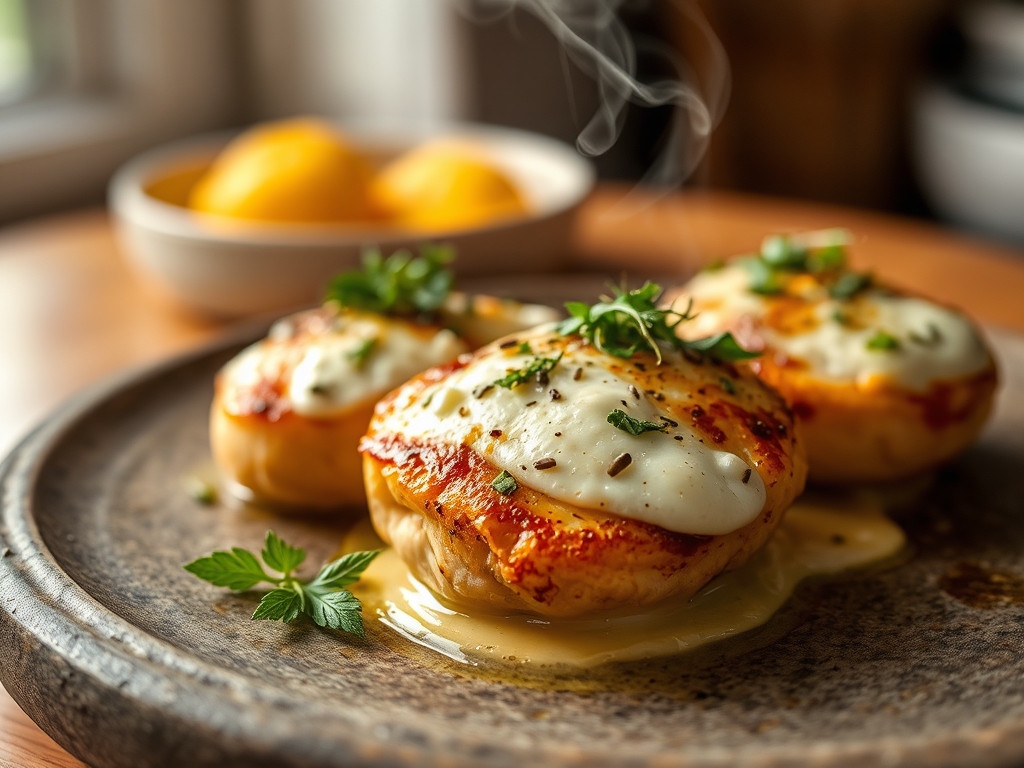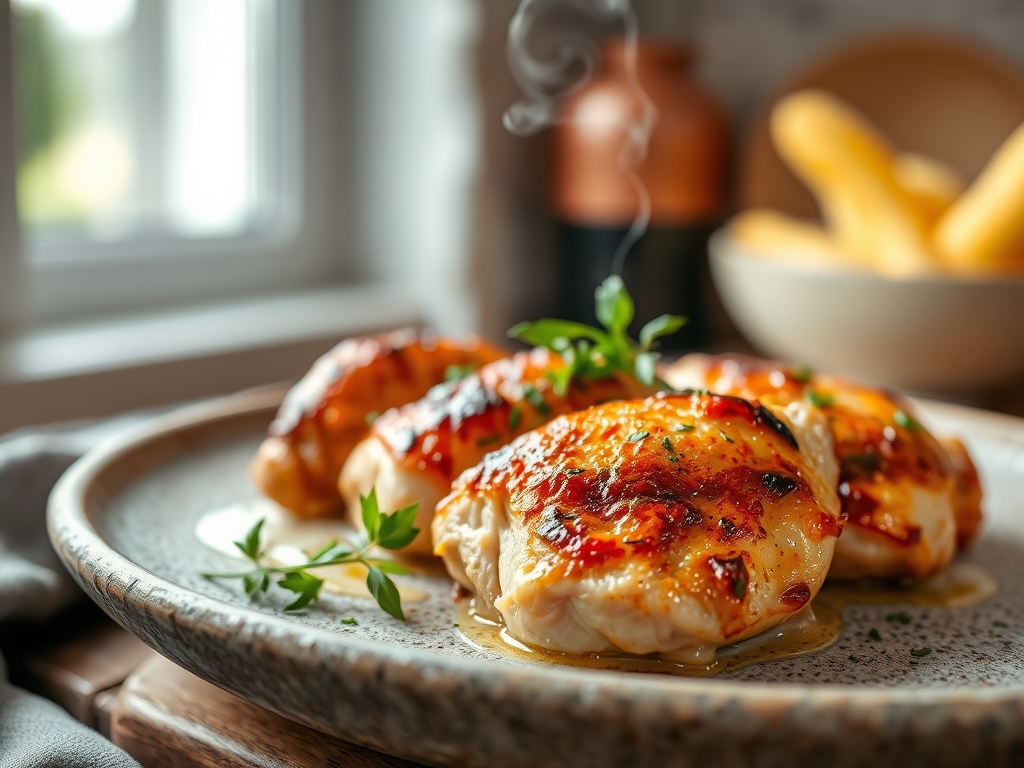
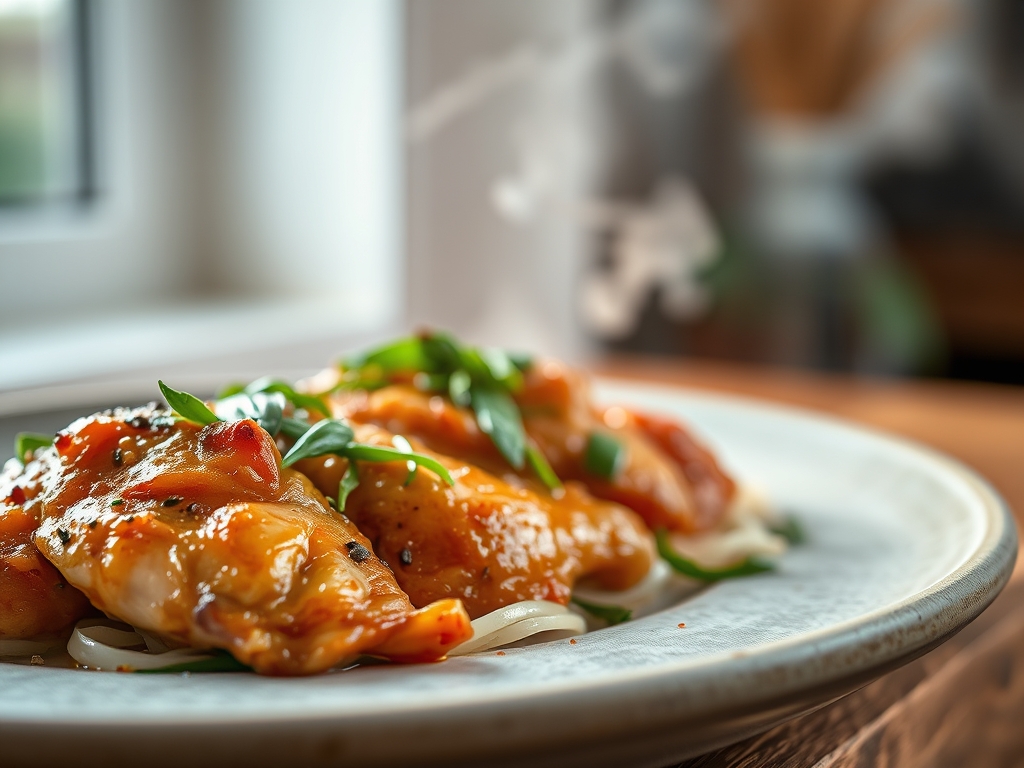
Imagine the scent of toasted sesame oil colliding with the bright, citrusy zing of lemon zest as it hits a screaming hot cast iron surface. We are merging the bold, aromatic profiles of chinese marinated chicken recipes with the sun-drenched, herbaceous soul of the Mediterranean. It is a culinary crossover that makes perfect sense once you realize that both cultures worship the holy trinity of acid, salt, and heat. We are not just cooking; we are engineering flavor profiles that dance between the deep umami of soy and the floral notes of dried oregano. This fusion creates a crust so lacquered and golden that it shatters under your teeth, revealing meat that is impossibly succulent. Whether you are prepping for a week of high-protein lunches or hosting a dinner that needs to look effortless yet sophisticated, these ten variations on the theme will become your new kitchen staples. Grab your apron and your favorite heavy-bottomed skillet; we are about to turn your kitchen into a high-end bistro where the borders between East and West simply melt away.
The Gathers:
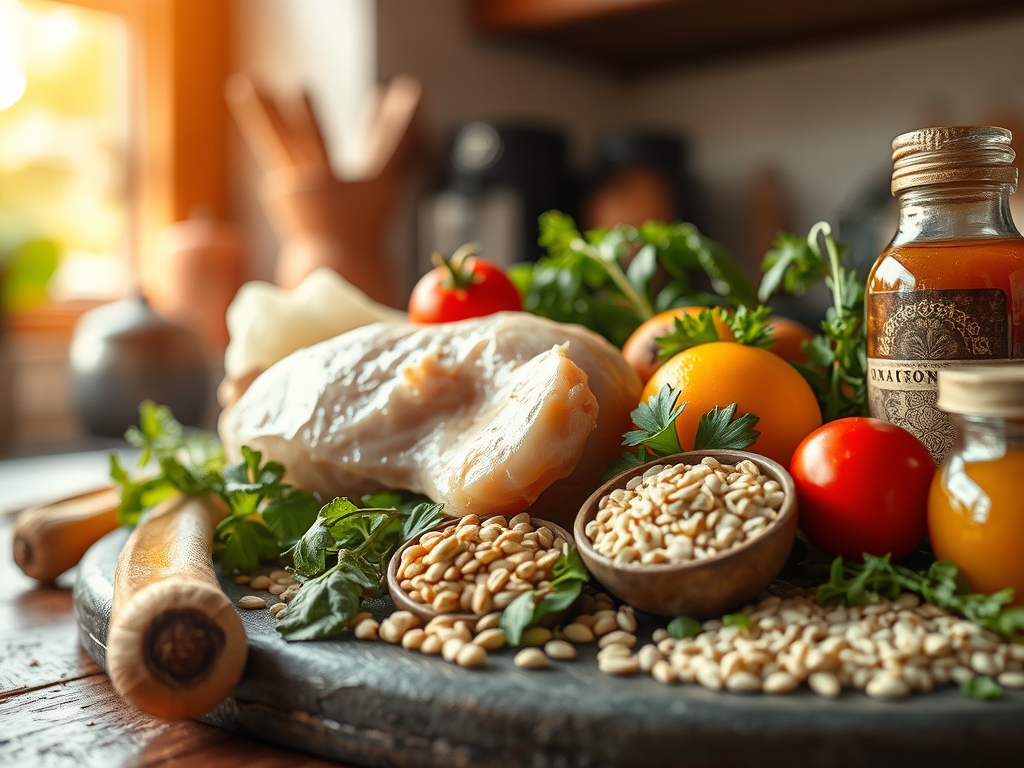
To achieve that specific, viscous coating that defines world-class chinese marinated chicken recipes, your mise-en-place must be precise. We start with the proteins: organic chicken thighs or breasts, patted bone-dry with paper towels. Moisture is the enemy of the Maillard reaction, so every drop of surface water must be eliminated. Next, your aromatics. You will need fresh ginger root, garlic cloves that feel heavy for their size, and a handful of scallions. For the Mediterranean twist, gather high-quality extra virgin olive oil, Kalamata olives, and fresh rosemary.
The liquid components are where the chemistry happens. You will need light soy sauce for salinity and dark soy sauce for that deep, mahogany color. To bridge the gap to the Mediterranean, keep a bottle of aged balsamic vinegar or a piquant red wine vinegar nearby. Use a microplane to grate your ginger and garlic into a fine paste; this increases the surface area, allowing the flavors to infuse the oil more rapidly.
Smart Substitutions: If you are watching your sodium, swap the soy sauce for liquid aminos or coconut aminos. If you lack fresh herbs, use one-third the amount of dried herbs, as their oils are more concentrated. For those avoiding refined sugars, a tablespoon of honey or maple syrup provides the necessary glucose for caramelization without the cloying sweetness of white sugar.
The Clock
Efficiency in the kitchen is about understanding the Chef's Flow. This is the art of overlapping tasks so that no second is wasted. Total prep time for these recipes averages twenty minutes, but the magic happens during the marination phase. For the best results, chicken should bathe in its aromatics for at least thirty minutes, though four hours is the "sweet spot" for deep tissue penetration.
Cooking time is swift. Using a digital scale to ensure your chicken pieces are uniform in weight (roughly six ounces per breast) ensures they all reach the finish line at the same time. Expect a six to eight-minute sear per side. By the time your chicken is resting, you will have just enough time to deglaze the pan and create a pan sauce, bringing the total "active" time to under forty minutes.
The Masterclass
1. The Emulsion Phase
Whisk your oils, acids, and soy sauces in a stainless steel bowl until the mixture is fully emulsified. You want a homogenous liquid that clings to the meat rather than sliding off.
Pro Tip: Adding a teaspoon of Dijon mustard or a splash of tahini acts as a natural emulsifier, binding the oil and vinegar together. This ensures the marinade coats the chicken evenly, preventing "bald spots" during the searing process.
2. The Infusion Chill
Place your chicken in a vacuum-sealed bag or a shallow glass dish. Massage the marinade into the fibers of the meat to ensure the salt can begin denaturing the proteins.
Pro Tip: Salt changes the structure of the muscle fibers, allowing them to hold onto more moisture during cooking. This process, known as brining, is why marinated chicken remains juicy even when exposed to high heat.
3. The High-Heat Sear
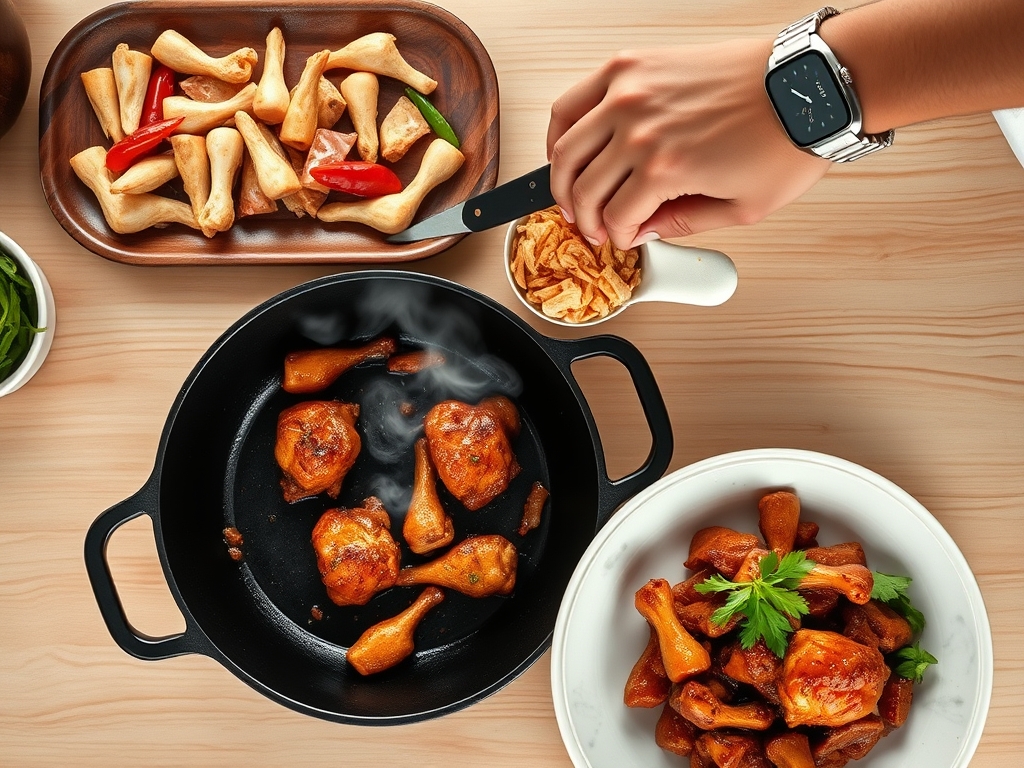
Heat your heavy-bottomed skillet until a drop of water flicked onto the surface dances and evaporates instantly. Add a high-smoke-point oil like avocado oil before laying the chicken away from you.
Pro Tip: Do not crowd the pan. If the temperature drops too low, the chicken will steam in its own juices rather than sear. This prevents enzymatic browning, leaving you with grey, rubbery meat instead of a crisp crust.
4. The Deglaze and Mount
Once the chicken is removed, you will see brown bits stuck to the pan. This is called fond. Pour in a splash of chicken stock or white wine and use a bench scraper or wooden spoon to lift those bits.
Pro Tip: This technique captures the concentrated sugars and proteins that escaped during cooking. Swirling in a cold knob of butter at the end (mounting with butter) creates a glossy, restaurant-quality sauce through fat-stabilization.
5. The Rest Period
Transfer the chicken to a warm plate and tent it loosely with foil. Let it sit for at least five minutes before slicing into it.
Pro Tip: Thermal carryover means the internal temperature will continue to rise by five degrees after removal from heat. Resting allows the muscle fibers to relax and reabsorb the juices; cutting too early results in all that flavor leaking onto the cutting board.
The Deep Dive
Macro Nutrition: These chinese marinated chicken recipes are a powerhouse for fitness enthusiasts. A standard six-ounce serving provides approximately 45 grams of protein and 12 grams of healthy fats, depending on your oil choice. By using soy and vinegar, we keep the carbohydrate count under 5 grams per serving, making this an ideal choice for metabolic health.
Dietary Swaps: To make this Vegan, substitute the chicken with extra-firm tofu that has been pressed for thirty minutes to remove excess water. For a Keto version, eliminate the honey and use liquid monk fruit. To ensure the dish is Gluten-Free, always verify that your soy sauce is replaced with certified GF Tamari.
The Fix-It:
- Too Salty: If you over-seasoned, add a squeeze of fresh lime juice or a teaspoon of honey to balance the sodium with acidity or sweetness.
- Burnt Exterior, Raw Interior: Your heat was too high. Finish the chicken in a 350-degree oven for five minutes to cook the center without further browning the skin.
- Soggy Skin: This happens if the chicken was wet. Next time, use the "air-chill" method by leaving the marinated chicken uncovered in the fridge for an hour before cooking to dry the surface.
Meal Prep: To maintain "day-one" quality, reheat your chicken in an air fryer at 350 degrees for three minutes. This aerates the surface, restoring the crunch that a microwave would otherwise destroy through steam.
The Wrap-Up
Mastering the fusion of Mediterranean and Chinese flavors is more than just a kitchen trick; it is a fundamental upgrade to your culinary repertoire. By understanding the science of the Maillard reaction and the importance of protein denaturing, you have moved past following recipes and into the realm of true flavor engineering. These ten chicken variations prove that with a few high-quality tools and a bit of technical knowledge, you can create meals that are nutritionally dense, visually stunning, and packed with complex umami. Now, go forth, fire up that skillet, and show your dinner guests what happens when global flavors collide in the best way possible!
The Kitchen Table
Can I use frozen chicken for these recipes?
Yes, but you must thaw it completely in the refrigerator first. Frozen chicken releases excess water, which prevents the Maillard reaction and results in a rubbery texture. Always pat the meat dry before applying your marinade for the best sear.
How long can I keep the marinated chicken in the fridge?
Raw chicken in an acidic marinade should stay in the fridge for no more than 24 hours. Beyond that, the acid will begin to "cook" the meat, turning the texture mushy and unappealing. Cook it within the 4-to-12-hour window.
What is the best oil for searing marinated chicken?
Use oils with a high smoke point, such as avocado, grapeseed, or refined peanut oil. Avoid extra virgin olive oil for high-heat searing, as it has a low smoke point and will turn bitter and smoky at high temperatures.
How do I know the chicken is safely cooked?
Use a digital meat thermometer to check the thickest part of the meat. The USDA recommends an internal temperature of 165 degrees Fahrenheit. Pull the chicken at 160 degrees, as thermal carryover will bring it to the safe zone while resting.