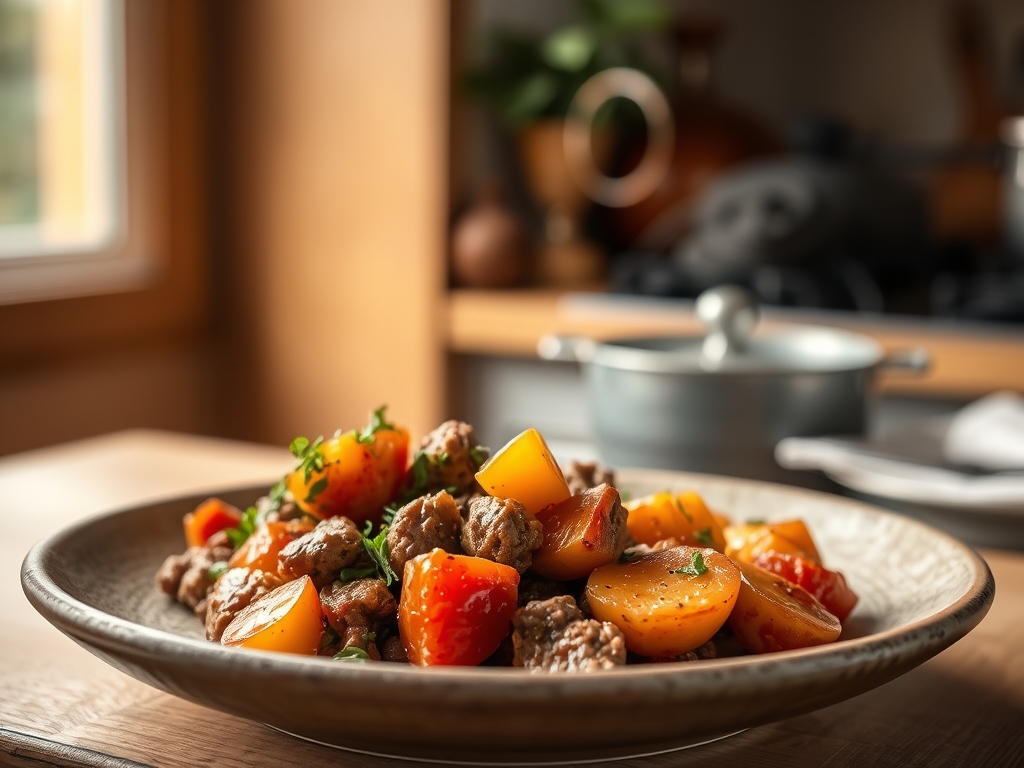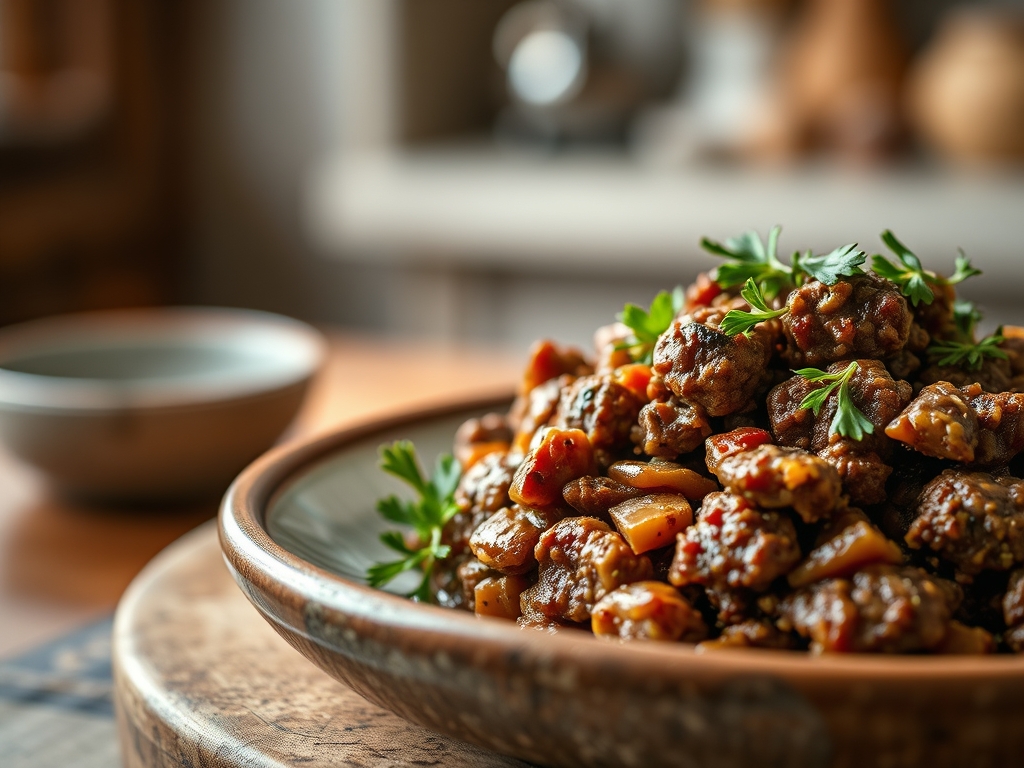
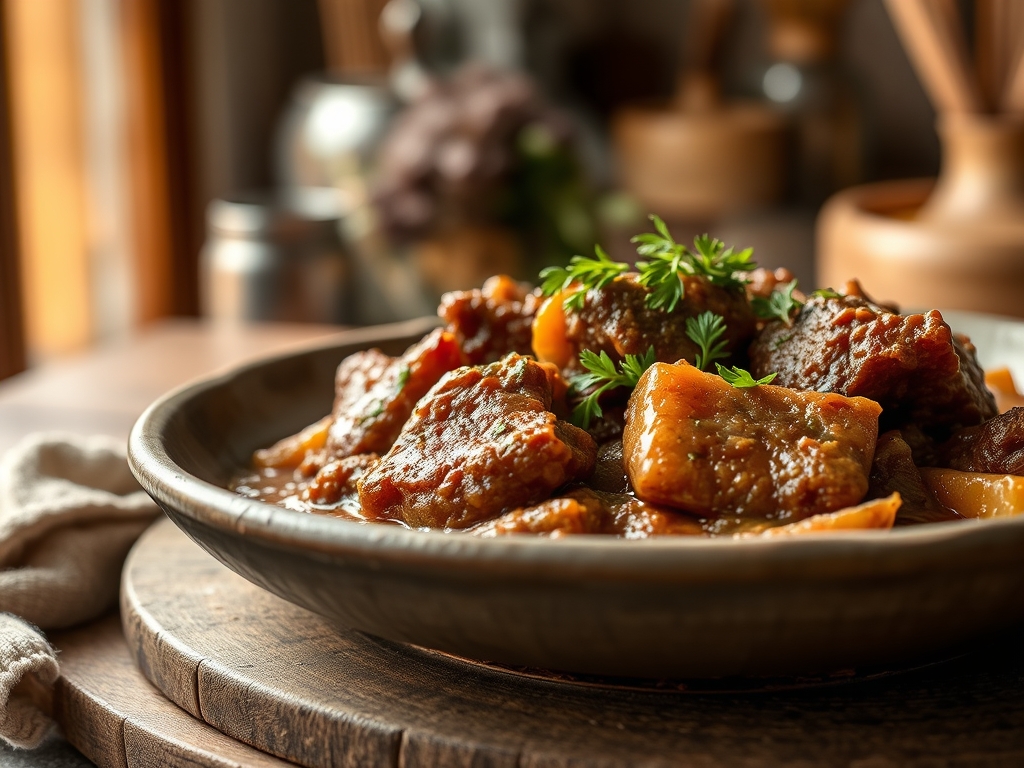
Imagine the scent of slow-simmered rosemary and caramelized onions wafting through your kitchen on a rainy Tuesday. There is a specific kind of magic that happens when tough, lean cuts of meat transform into fork-tender morsels of joy. Finding incredible weight watchers stewing beef recipes that do not sacrifice depth for points is the ultimate culinary win. We are moving far beyond the watery, bland broths of the past. Today, we are focusing on maximizing every ounce of flavor through molecular science and professional technique. By understanding how to manipulate heat and acidity, you can create a bowl of comfort that feels like a decadent cheat meal while staying perfectly within your goals. We are talking about rich, velvety sauces and beef that melts on the tongue. Grab your favorite apron and clear some counter space. We are about to turn basic stew meat into a gourmet masterpiece that proves healthy eating is anything but boring.
The Gathers:
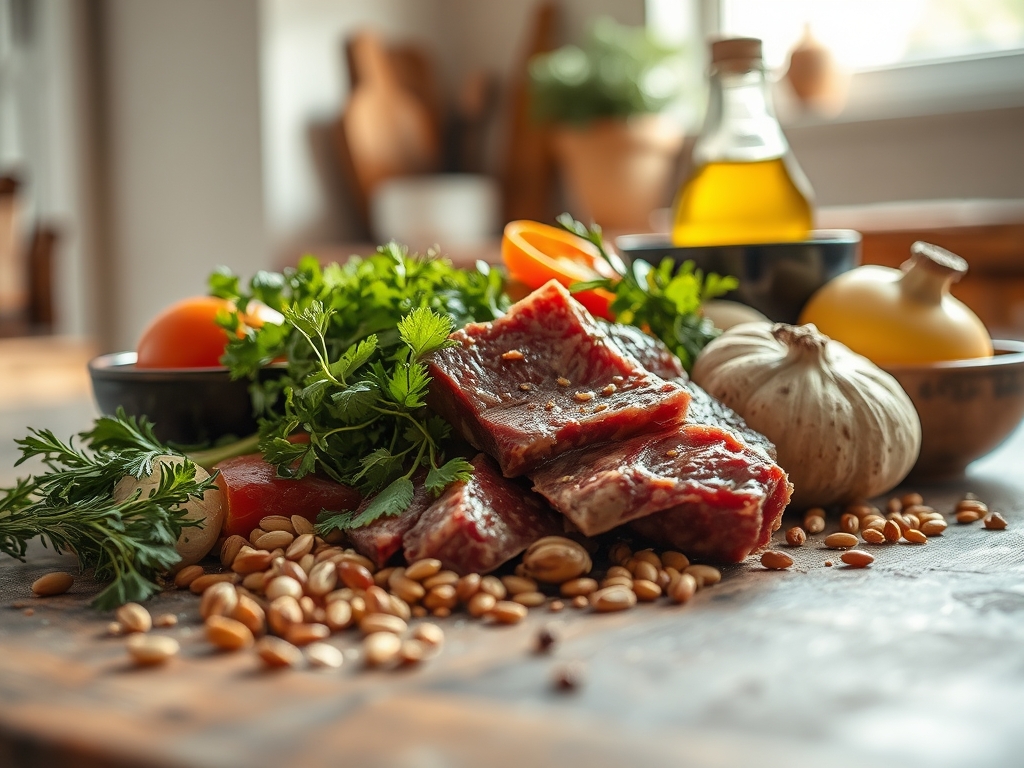
To begin this transformation, your mise-en-place must be precise. Start with lean stewing beef, typically cut from the round or chuck, but trimmed of all visible silver skin and heavy external fat. You will need a digital scale to ensure your portions are exact for point tracking. For the aromatic base, gather finely diced mirepoix: carrots, celery, and onions. Use a bench scraper to transfer these from your board to the pot without losing a single nutrient-dense bit.
Our liquid gold comes from low-sodium beef bone broth, which provides a viscous mouthfeel due to natural gelatin without the need for heavy butter. To add a piquant kick, keep balsamic vinegar and Worcestershire sauce nearby. For smart substitutions, swap traditional white flour for a dusting of arrowroot powder or xantham gum to thicken your sauce; these options provide a glossy finish with fewer calories. Instead of oil-heavy marinades, use acidic components like lemon juice or tomato paste to begin the enzymatic breakdown of tough muscle fibers before they even hit the heat.
The Clock: Chef's Flow
Efficiency in the kitchen is about managing the "Chef's Flow." Expect about 20 minutes of active prep time, focusing on your knife work and searing. The real work happens during the 2 to 4 hours of low-temperature simmering. If you are using a pressure cooker, this drops to 45 minutes, but the thermal carryover is more aggressive. The goal is to reach the "sweet spot" where collagen converts to gelatin (approximately 160 to 180 degrees Fahrenheit) without overshooting and drying out the protein.
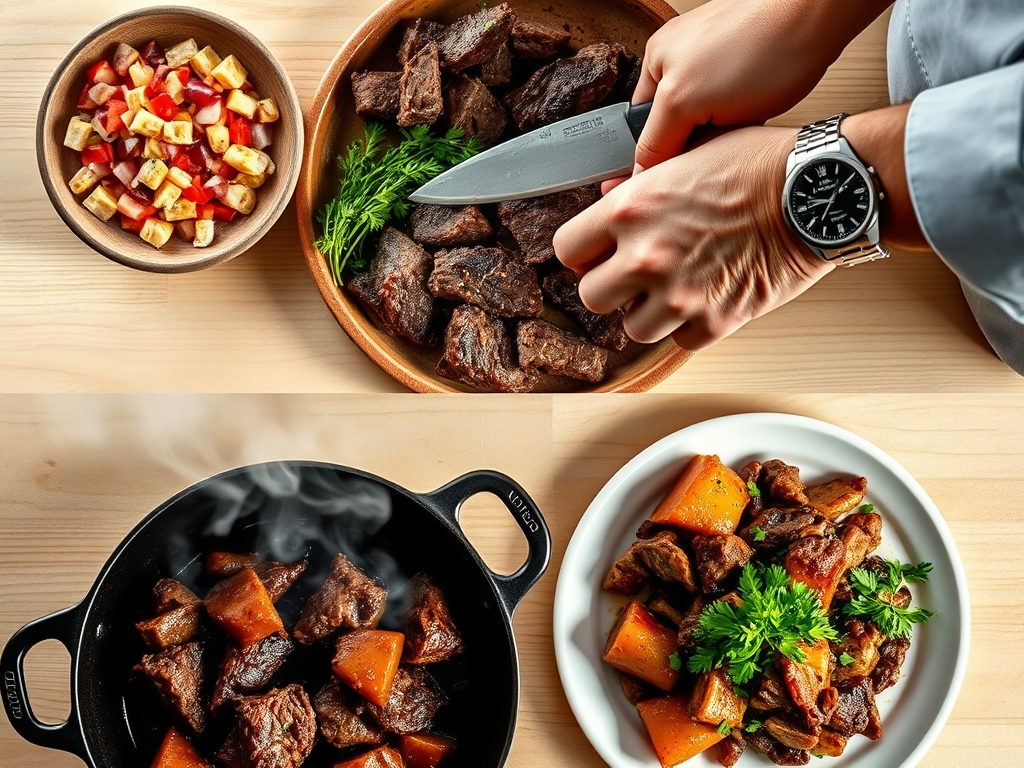
The Masterclass:
1. The High-Heat Sear
Pat your beef completely dry with paper towels. Use a heavy-bottomed skillet or Dutch oven over medium-high heat. Sear the meat in small batches to avoid crowding the pan, which causes the meat to steam rather than brown.
Pro Tip: This creates the Maillard reaction, a chemical reaction between amino acids and reducing sugars that gives browned food its distinctive flavor. Without this, your stew will lack savory depth.
2. Deglazing the Fond
Once the meat is removed, you will see brown bits stuck to the bottom. Pour in a splash of broth or dry red wine and use a wooden spoon to scrape them up.
Pro Tip: This process captures the fond, the concentrated essence of the meat. Incorporating these caramelized sugars back into the liquid is the secret to a professional-grade sauce.
3. Sweating the Aromatics
Add your vegetables to the pot with a pinch of salt. Cook until the onions are translucent but not browned.
Pro Tip: This is called sweating. It draws out moisture through osmosis, allowing the vegetables to soften and release their natural sugars without the bitterness of charring.
4. The Low and Slow Simmer
Return the beef to the pot and cover with your liquid. Lower the heat to a bare simmer where only a few bubbles break the surface.
Pro Tip: Maintaining a low temperature prevents the muscle fibers from tightening too quickly. This preserves the interstitial moisture within the meat, ensuring a tender result.
5. The Umami Boost
Stir in a tablespoon of tomato paste and a dash of fish sauce or soy sauce during the final hour.
Pro Tip: These ingredients are rich in glutamates, which enhance the perception of saltiness and savory "meatiness" without actually adding significant sodium or fat.
6. The Acid Finish
Just before serving, use a microplane to zest a bit of lemon over the pot or stir in a teaspoon of apple cider vinegar.
Pro Tip: Acidity acts as a flavor brightener. It cuts through the richness of the beef and "wakes up" the palate, making the flavors pop without needing extra salt.
The Deep Dive:
Macro Nutrition
A standard serving of these weight watchers stewing beef recipes typically clocks in at 250 to 300 calories, with roughly 30 grams of protein and less than 8 grams of fat. By focusing on lean cuts and vegetable-heavy ratios, you maximize volume while keeping the energy density low.
Dietary Swaps
- Vegan: Replace beef with "meaty" king oyster mushrooms or seitan chunks. Use vegetable demi-glace for richness.
- Keto: Skip the carrots and potatoes; substitute with daikon radish or cauliflower florets.
- Gluten-Free: Ensure your broth is certified GF and use cornstarch or a reduction technique to thicken the sauce.
The Fix-It: Common Pitfalls
- Tough Meat: If the beef is rubbery, it simply hasn't cooked long enough. Put the lid back on and simmer for another 30 minutes.
- Thin Sauce: If the broth is too watery, remove a cup of liquid, whisk in a teaspoon of arrowroot, and return it to the pot to emulsify.
- Bland Flavor: This usually means a lack of salt or acid. Add a tiny splash of vinegar first; if that doesn't work, add salt in small increments.
Meal Prep: Reheating Science
Stew is notoriously better the next day because the flavors continue to infuse and the starches stabilize. To reheat, avoid the microwave, which can turn beef into rubber. Instead, use a saucier on the stovetop over low heat with a tablespoon of water to loosen the sauce.
The Wrap-Up:
You are now officially a master of the slow-cooker arts. By utilizing these weight watchers stewing beef recipes and the scientific principles behind them, you have transformed a humble grocery staple into a nutritional powerhouse. Remember, the key is patience and the right tools. Whether you are meal prepping for a busy week or hosting a cozy Sunday dinner, these techniques ensure every bite is packed with flavor and zero guilt. Go forth and cook with confidence; your kitchen is your laboratory, and the results are delicious!
The Kitchen Table:
Why is my stewing beef still tough after two hours?
Beef contains collagen that only breaks down into gelatin at low temperatures over long periods. If it is tough, the connective tissue hasn't fully dissolved yet. Continue simmering on low heat until the fibers easily separate with a fork.
Can I make these recipes in a slow cooker?
Yes, simply brown the meat first in a skillet to trigger the Maillard reaction. Transfer everything to the slow cooker and set it on "Low" for 7 to 8 hours to ensure maximum tenderness and flavor infusion.
How do I thicken the stew without adding points?
Instead of flour or butter, blend a portion of the cooked vegetables (like carrots and onions) into a puree and stir it back into the broth. This adds body and thickness without any additional calories or points.
What is the best lean cut for Weight Watchers beef stew?
Look for "Select" or "Choice" grades of bottom round or eye of round. These cuts are significantly leaner than chuck roast. Trim any visible white fat before cooking to keep the point count as low as possible.