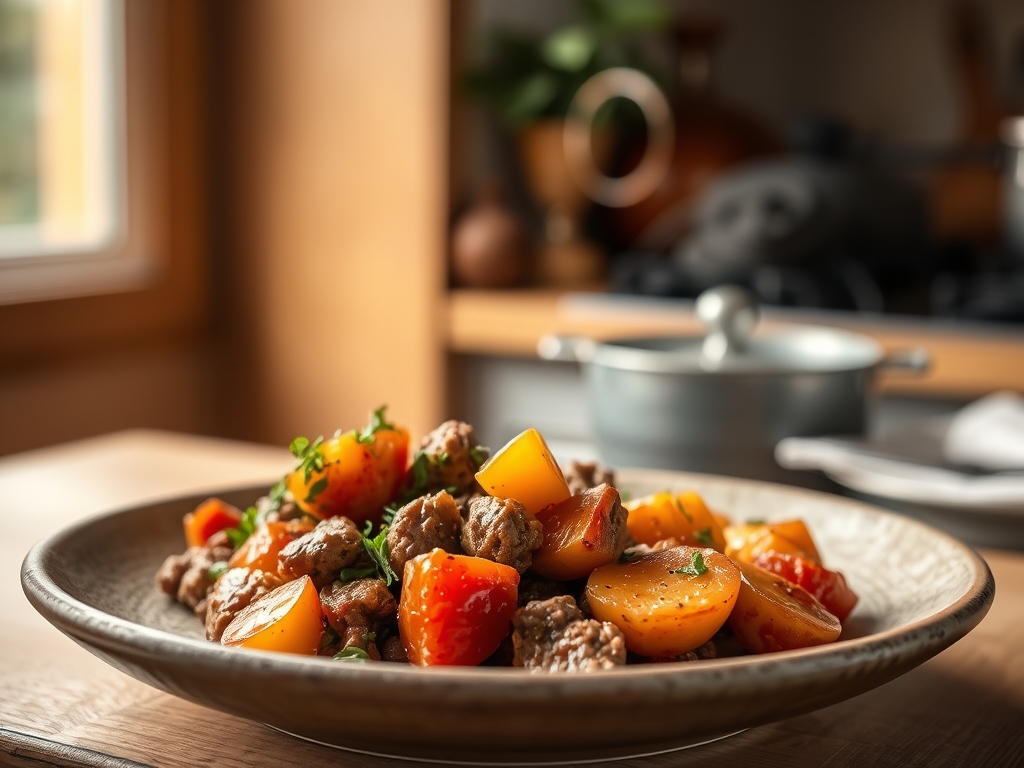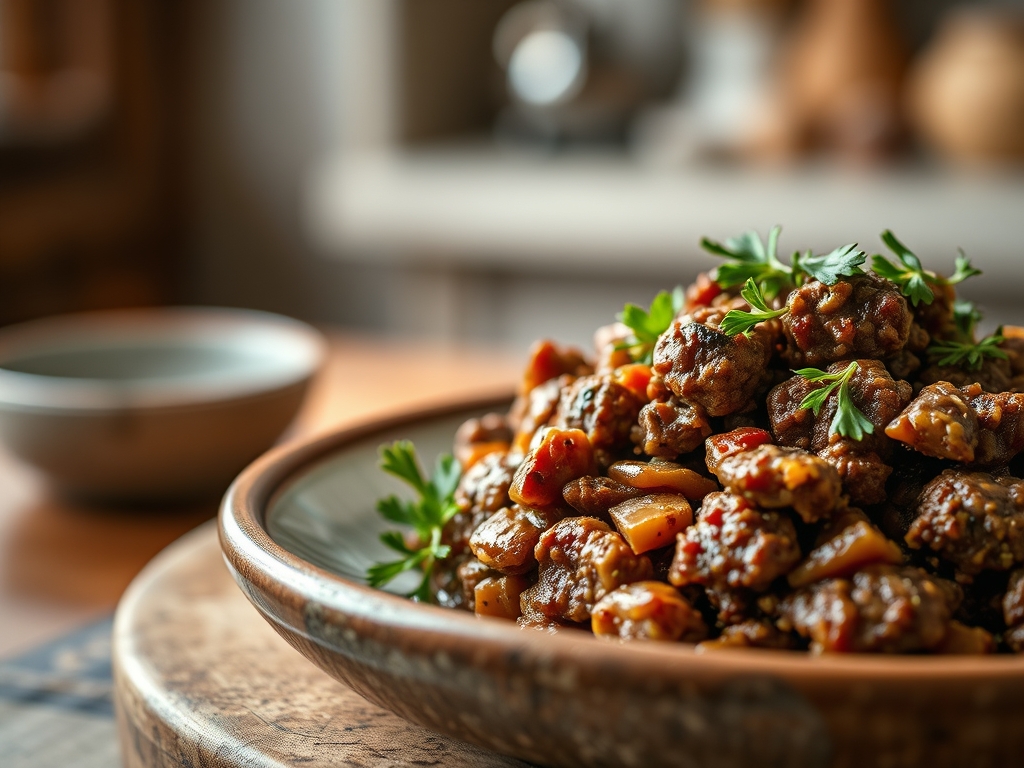
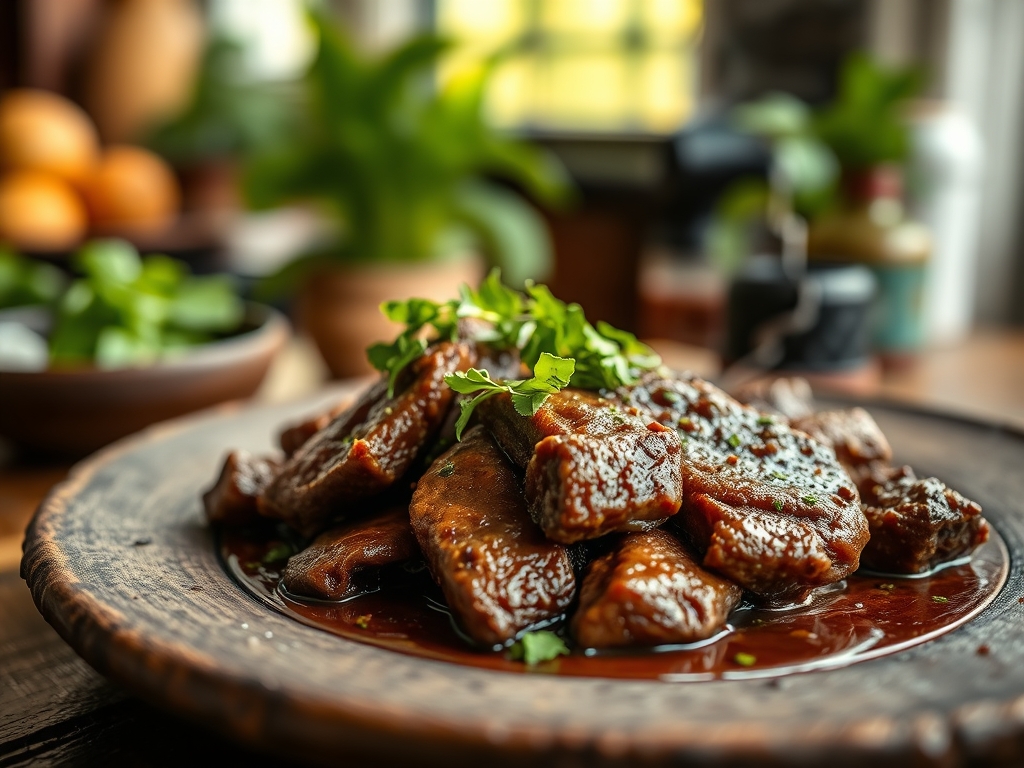
Close your eyes and imagine the scent of garlic confit dancing with the sharp, herbaceous snap of culantro. That is the soul of the island. When you dive into the world of authentic puerto rican beef recipes, you are not just cooking dinner; you are conducting a masterclass in deep, savory alchemy. It is about the way the fat renders into a rich, viscous sauce that clings to every grain of medium-grain rice.
We are talking about the heavy hitters here. Think of Picadillo, the ground beef staple that balances salty olives with sweet raisins; Carne Guisada, a stew so tender the fibers collapse at the mere suggestion of a fork; and Bistec Encebollado, where vinegar and onions perform a chemical transformation on tough cuts of steak. These dishes are the backbone of Caribbean comfort. They rely on the holy trinity of sofrito, adobo, and sazon to create a flavor profile that is both piquant and deeply earthy. Whether you are a seasoned pro or a curious newcomer, mastering these seven classics will turn your kitchen into the most popular spot on the block. Grab your heavy-bottomed skillet and let's get to work.
The Gathers:
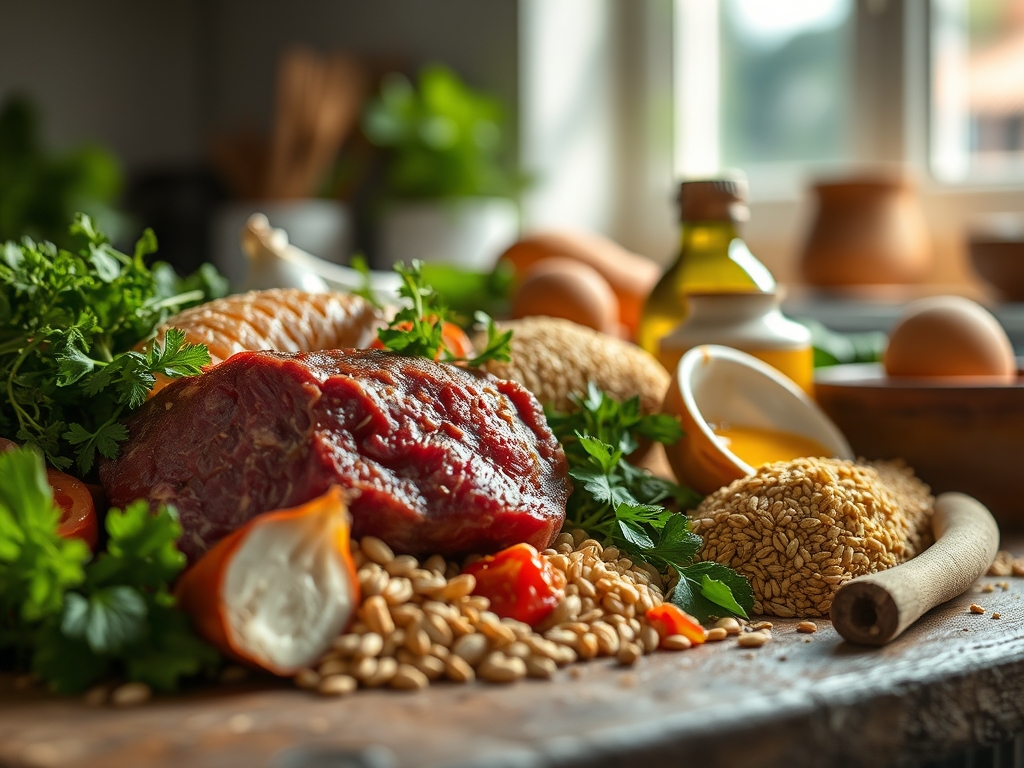
To execute these puerto rican beef recipes with precision, your mise-en-place must be flawless. We start with the aromatics. You will need a mountain of garlic, yellow onions, and bell peppers. If you can find ajies dulces (small, sweet peppers), they are non-negotiable for that authentic floral note. Use a microplane to grate your garlic into a fine paste; this increases the surface area, allowing the sulfurous compounds to mellow and infuse the oil more efficiently.
For the proteins, look for cuts with high connective tissue like chuck roast or bottom round. The collagen in these cuts undergoes a hydrolytic breakdown during long braises, turning into gelatin which provides that luxurious, lip-smacking mouthfeel. You will also need "The Essentials": alcaparrado (a mix of olives and capers), tomato sauce for acidity, and a high-quality olive oil.
Smart Substitutions: If you cannot find culantro, use a double portion of cilantro mixed with a squeeze of lime to mimic the citrusy punch. For a lower sodium profile, swap store-bought adobo for a homemade blend of garlic powder, onion powder, turmeric, and black pepper. If you are avoiding nightshades, a splash of tamarind paste can provide the tang usually offered by tomato sauce without the lectins.
The Clock
Efficiency in the kitchen is all about the Chef's Flow. For these recipes, expect a preparation time of 30 minutes and a cook time ranging from 20 minutes (for Picadillo) to 3 hours (for Carne Guisada).
The "Flow" dictates that you chop all aromatics first using a sharp chef's knife and a bench scraper to move ingredients cleanly to your prep bowls. While the beef is searing to achieve the Maillard reaction, you should be measuring out your spices and liquids. This overlap ensures that once the pan is deglazed, you can transition immediately into the simmering phase without losing momentum or heat.
The Masterclass
1. The Sear and Fond Formation
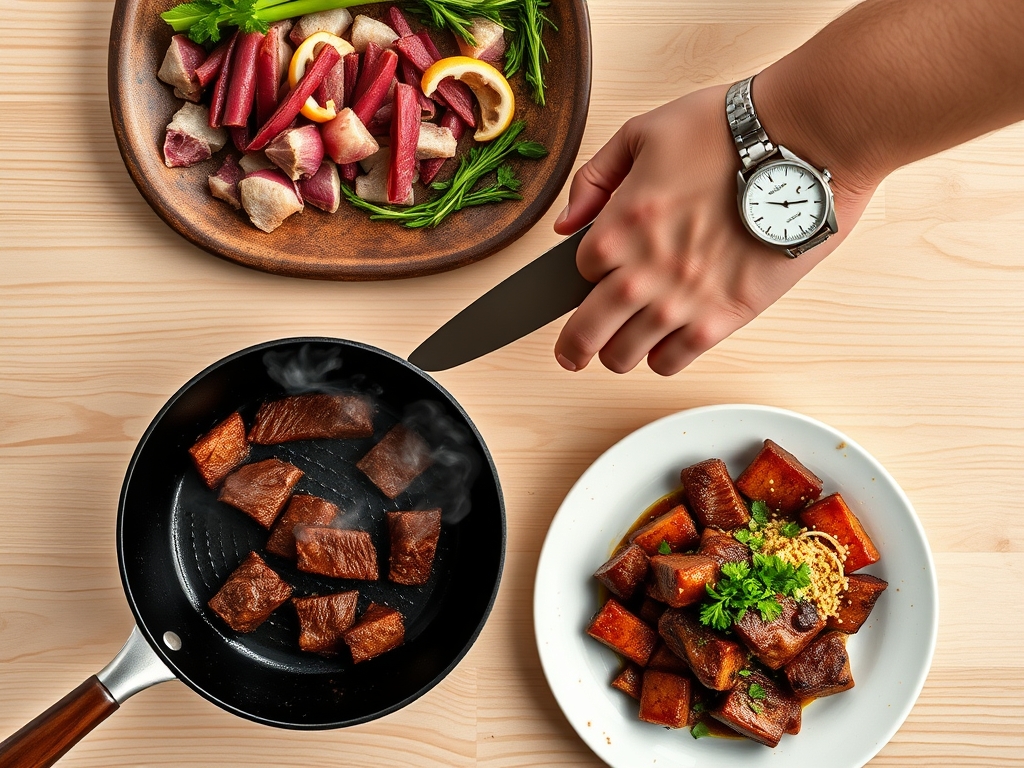
Start by patting your beef dry with paper towels. Moisture is the enemy of browning. Place your meat in a preheated heavy-bottomed skillet with a high-smoke-point oil. Do not crowd the pan; work in batches to ensure the temperature stays high enough to trigger enzymatic browning.
Pro Tip: This stage creates a "fond," the caramelized bits stuck to the pan. This is concentrated umami. By keeping the pan dry, you prevent steaming and ensure the protein sugars undergo caramelization rather than boiling.
2. The Sofrito Infusion
Once the meat is removed, add your sofrito to the rendered fat. Use a saucier or a flat-edged wooden spoon to scrape the bottom of the pan. The moisture from the onions will deglaze the surface, lifting those flavorful brown bits back into the sauce.
Pro Tip: Sauté the sofrito until the water evaporates and the oil begins to separate. This indicates that the flavors have moved from "raw" to "concentrated," a process known as fat-soluble flavor extraction.
3. The Low and Slow Simmer
Reintroduce the beef and add your liquids (broth, tomato sauce, and wine if using). Lower the heat to a whisper. The liquid should barely bubble. Cover with a tight-fitting lid to create a pressurized steam environment.
Pro Tip: Maintaining a temperature between 180F and 190F is the "sweet spot" for collagen conversion. If the liquid boils too hard, the muscle fibers will tighten and become stringy rather than tender.
4. The Acid Balance
In the final fifteen minutes of cooking, add your olives, capers, or a splash of vinegar. This adds a bright, high-note contrast to the heavy, savory base of the beef.
Pro Tip: This is called "brightening" a dish. The acetic acid in vinegar or the citric acid in lime juice breaks through the heavy fat molecules, making the overall flavor profile feel lighter on the palate.
5. The Rest and Carryover
Once the beef is fork-tender, remove it from the heat. Let the dish sit, uncovered, for at least ten minutes before serving.
Pro Tip: This allows for thermal carryover, where the internal temperature stabilizes. It also allows the starch in the potatoes or sauce to "set," resulting in a more cohesive, less watery texture.
The Deep Dive
Macro Nutrition: These dishes are protein-heavy and rich in minerals like iron and zinc. A standard serving of Carne Guisada contains roughly 35g of protein and 15g of fat. To keep it lean, trim the visible fat before searing, though you will sacrifice some of that silky mouthfeel.
Dietary Swaps:
- Keto: Replace potatoes with radishes or chayote squash. They mimic the texture of a potato but have a fraction of the carbohydrates.
- Vegan: Use walnut meat or rehydrated soy curls. Use a "beef-style" vegetable bouillon to maintain the depth of flavor.
- GF: Traditional Puerto Rican beef recipes are naturally gluten-free, but always check your sazon packets for hidden wheat-based anti-caking agents.
The Fix-It:
- Tough Meat: If the beef is still chewy, you haven't cooked it long enough. Add a half-cup of water and simmer for another 30 minutes.
- Too Salty: Add a peeled, raw potato. The starch will absorb excess sodium like a sponge.
- Thin Sauce: If your stew is watery, mash one of the cooked potatoes directly into the sauce. The released starch will act as a natural thickener.
Meal Prep Science: These recipes actually taste better on day two. As the dish cools, the spices continue to diffuse through the protein fibers. When reheating, use a low heat and add a splash of water to re-emulsify the fats and prevent the sauce from breaking.
The Wrap-Up
Mastering puerto rican beef recipes is a rite of passage for any serious home cook. It is a journey through texture, temperature, and tradition. By understanding the science of the sear and the patience of the braise, you are not just making food; you are creating an experience. So, grab your tongs, fire up the stove, and let the aroma of the island fill your home. Your taste buds will thank you.
The Kitchen Table
What is the best cut of beef for Puerto Rican stew?
Chuck roast is ideal due to its high collagen content. As it braises, the collagen transforms into gelatin; this creates a rich, velvety sauce and ensures the meat remains succulent and tender even after hours of simmering.
Can I make these recipes in a slow cooker?
Yes, but you must sear the meat in a skillet first. The slow cooker cannot reach the temperatures required for the Maillard reaction. Searing first ensures deep flavor, while the slow cooker handles the long-term fiber breakdown perfectly.
How do I make my Picadillo less greasy?
After browning the ground beef, use a slotted spoon to move the meat to a plate. Drain all but one tablespoon of the rendered fat before adding your sofrito. This keeps the flavor while removing the heavy, oily residue.
Why is my beef stew sauce too thin?
This usually happens if the lid was too tight or the heat was too low. Remove the lid during the last 20 minutes of cooking to allow for evaporation. Alternatively, mashing a cooked potato into the liquid provides an instant starch-based thickening.