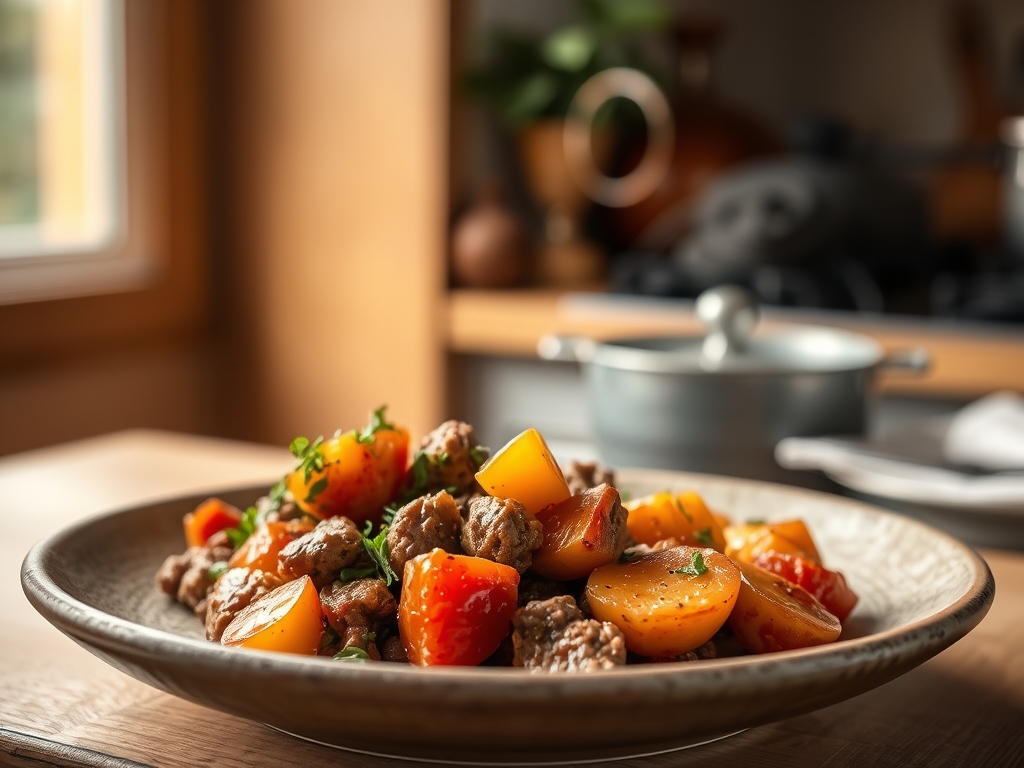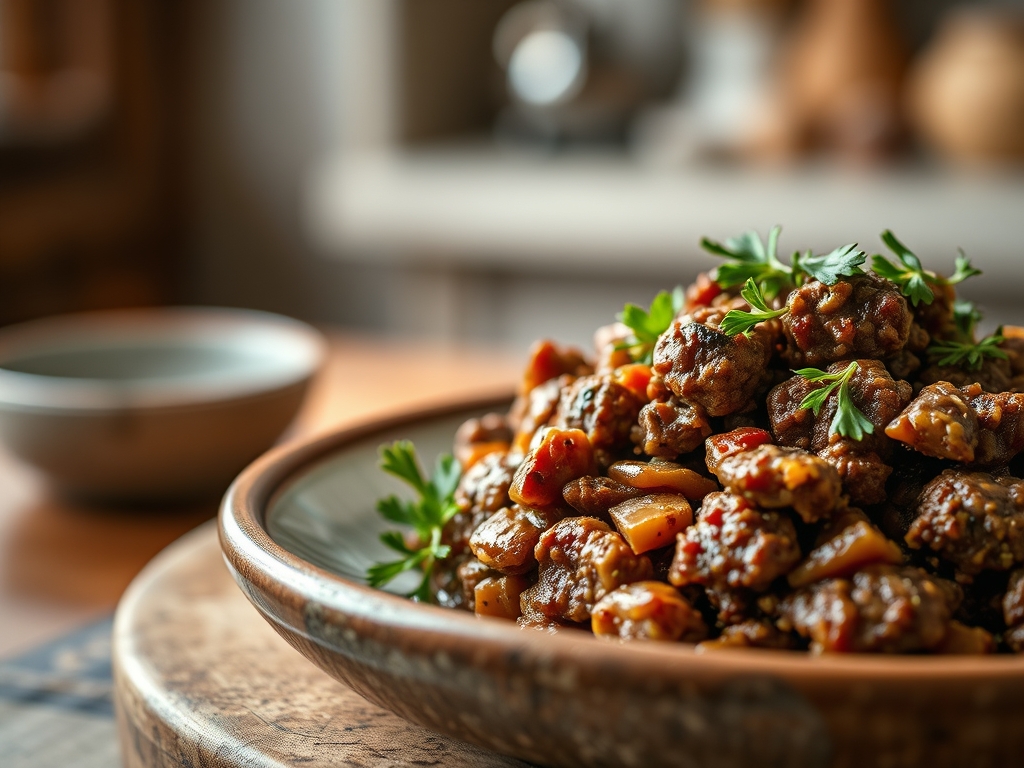
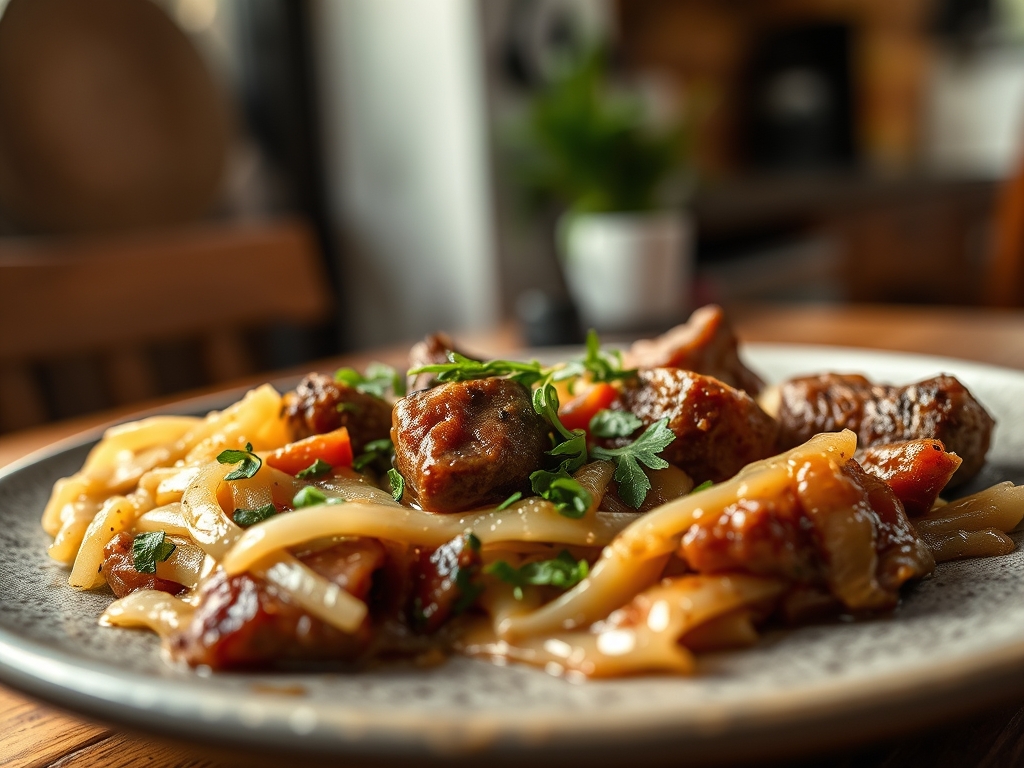
Picture a heavy bottomed skillet sizzling with the rhythmic crackle of rendering fat while the sharp, lactic tang of fermentation cuts through the air. This is the alchemy of sauerkraut and beef recipes, a culinary marriage where the deep umami of bovine protein meets the bright, probiotic snap of pickled cabbage. It is more than just a meal; it is a masterclass in balancing pH and rich lipids.
The secret to why this duo works so well lies in the acidity. Beef, particularly marbled cuts like ribeye or brisket, carries a heavy fat load that can overwhelm the palate. Sauerkraut acts as a biological palate cleanser. Its acetic and lactic acids literally break down the perception of grease, allowing the savory notes of the beef to shine with renewed clarity. Whether you are folding it into a Reuben sandwich or slow braising a chuck roast, the interplay of these two ingredients creates a complex flavor profile that feels both nostalgic and sophisticated. We are going to explore nine distinct ways to elevate this pairing, moving beyond the basic hot dog topping and into the realm of high end gastronomy. Get your tongs ready because we are about to transform your kitchen into a laboratory of flavor.
The Gathers:
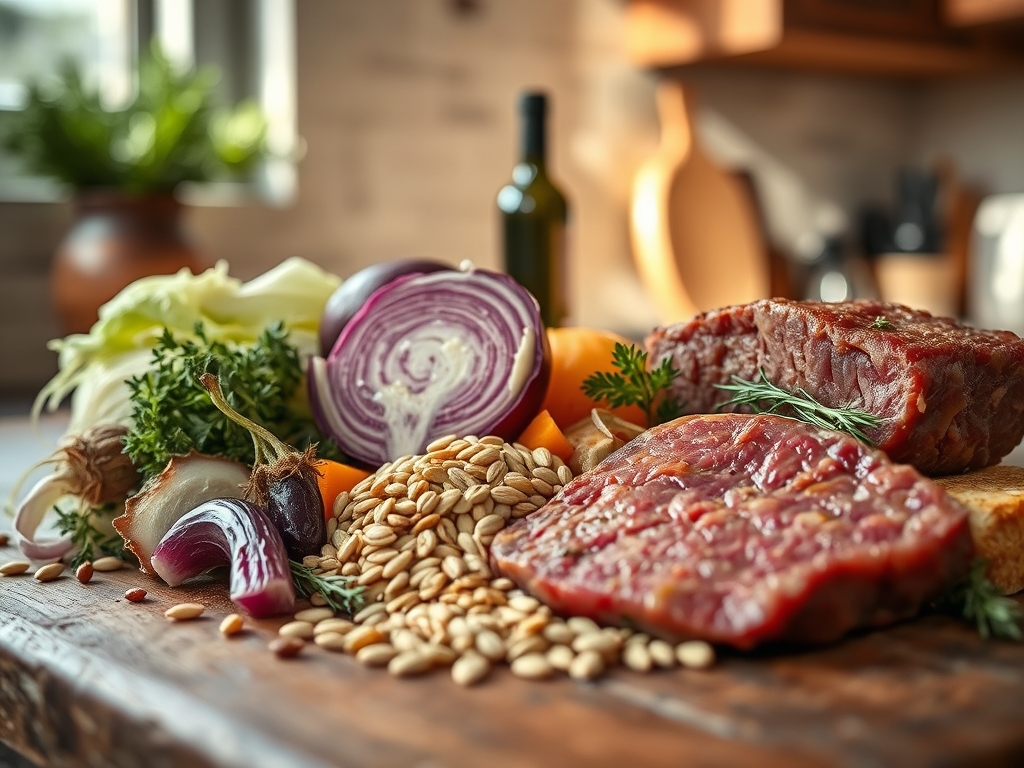
To execute these sauerkraut and beef recipes with precision, your mise en place must be impeccable. Start with the beef. For high heat searing, look for grass fed ribeye or flank steak; for low and slow applications, choose a well marbled chuck roast or short ribs. Your sauerkraut should ideally be raw and naturally fermented to preserve its enzymatic integrity. If you use pasteurized canned kraut, you lose the complex microbial depth.
You will also need aromatics: yellow onions for their high sugar content (ideal for caramelization), fresh garlic, and perhaps some caraway seeds to bridge the earthy gap between the cabbage and the meat. Reach for a high smoke point oil like avocado oil or clarified butter to ensure you can achieve a proper sear without scorching.
Smart Substitutions:
If you cannot find traditional sauerkraut, a piquant kimchi offers a spicy, fermented alternative that pairs beautifully with fatty beef. For a low sodium version, rinse your kraut under cold water to remove excess brine while retaining the crunch. If you are out of fresh beef, high quality corned beef or pastrami provides a pre cured depth that accelerates the cooking process.
The Clock: Timing the Maillard Reaction
Success in the kitchen is often a matter of temporal management, or what I call the Chef's Flow. For a quick sauté, expect a 15 minute prep and 10 minute cook time. However, for a braised sauerkraut and beef stew, you are looking at a 3 hour commitment. The "Flow" involves prepping your aromatics while the beef tempers on the counter. Never cook beef straight from the fridge; letting it reach room temperature ensures an even thermal gradient from the crust to the core.
The Masterclass:
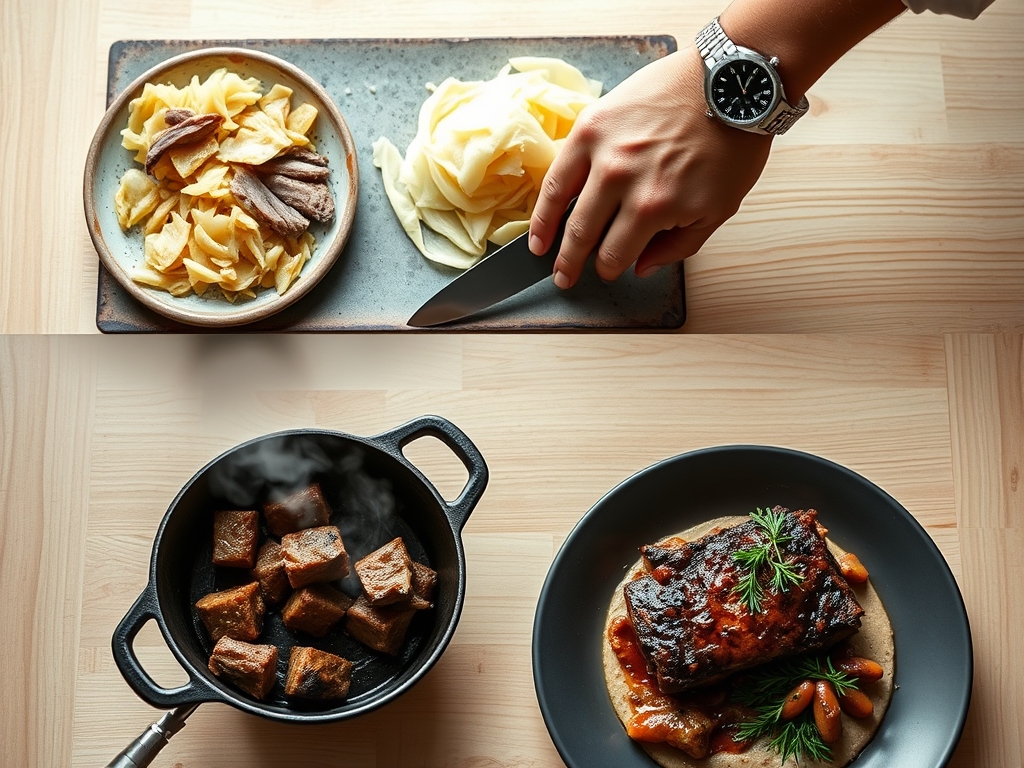
1. Temper and Pat Dry
Remove your beef from its packaging and pat it dry with paper towels. Moisture is the enemy of the Maillard reaction. Use a digital scale to portion your meat if you are aiming for uniform cooking times across multiple servings.
Pro Tip: Surface moisture requires immense energy to evaporate. By drying the meat, you allow the heat to immediately begin the enzymatic browning process, creating a flavorful crust instead of steaming the protein.
2. The High Heat Sear
Heat your heavy bottomed skillet until it wisps with smoke. Add your oil, then the beef. Do not crowd the pan; work in batches if necessary. Use stainless steel tongs to flip the meat only once a deep mahogany crust has formed.
Pro Tip: This stage relies on the Maillard reaction, a chemical reaction between amino acids and reducing sugars that gives browned food its distinctive flavor. Crowding the pan drops the temperature and causes the meat to boil in its own juices.
3. Deglaze and Infuse
Once the beef is removed, the bottom of your pan will be covered in "fond," or browned bits of concentrated flavor. Pour in a splash of dry white wine or beef stock and use a wooden spoon to scrape it up. Add your onions and caraway seeds now.
Pro Tip: Deglazing is a functional application of solubility. The alcohol or water dissolves the protein solids, creating a viscous base for your sauce that carries the essence of the seared meat.
4. Incorporate the Kraut
Add the sauerkraut to the pan. If you are making a quick stir fry, keep the heat high to slightly char the cabbage. For a braise, lower the heat and cover the skillet.
Pro Tip: Heat softens the cellulose in the cabbage, making it more tender, but overcooking can destroy the vitamin C and probiotics. Aim for a "just wilted" texture to maintain a structural snap.
5. The Rest and Emulsify
Return the beef to the pan or plate it, but always allow it to rest for at least five to ten minutes. If making a pan sauce, whisk in a knob of cold butter at the very end to create a glossy finish.
Pro Tip: Resting allows for thermal carryover, where the internal temperature continues to rise slightly while the muscle fibers relax. This prevents the juices from rushing out the moment you slice into the meat.
The Deep Dive:
From a nutritional standpoint, sauerkraut and beef recipes are a powerhouse. You get high quality protein and heme iron from the beef, paired with the fiber and probiotics of the kraut. It is naturally low carb and fits perfectly into a Paleo or Keto lifestyle.
Dietary Swaps:
For a vegan version, swap the beef for thick slices of roasted portobello mushrooms or seared tempeh. Use a splash of soy sauce to mimic the umami of the meat. For a gluten free approach, simply ensure your sauerkraut brand does not use grain based vinegar.
The Fix-It:
- Too Salty: If the brine is overwhelming, add a peeled potato to the pot while simmering; it acts as a sponge for excess sodium.
- Too Sour: A pinch of brown sugar or a splash of heavy cream can neutralize the sharp acidity through pH balancing.
- Tough Meat: If your beef is chewy, it likely needs more time. Collagens require sustained heat to transform into silky gelatin.
Meal Prep:
When reheating, avoid the microwave. Use a saucier over low heat with a tablespoon of broth. This gentle rethermalization prevents the fats from breaking and keeps the beef from becoming rubbery.
The Wrap-Up:
You are now equipped with the scientific "why" behind the "how" of sauerkraut and beef recipes. This pairing is a testament to the beauty of culinary contrast: heat and cold, soft and crunchy, rich and acidic. Don't be afraid to experiment with different kraut varieties or beef cuts. Your kitchen is your playground, and these ingredients are your best tools. Now, go forth and sear with confidence!
The Kitchen Table:
Can I use canned sauerkraut for these recipes?
Yes, but rinse it first to control the sodium levels. Canned kraut lacks the live probiotics of refrigerated, raw versions, so consider adding it at the very end of cooking to preserve what little texture remains.
What is the best cut of beef for sauerkraut?
For slow cooking, use chuck roast or short ribs because the connective tissue melts into a rich sauce. For quick meals, flank steak or sirloin tips provide a lean, fast cooking alternative that stays tender.
How do I stop my beef from getting tough?
Always slice against the grain to shorten the muscle fibers. Additionally, ensure you are using the correct cooking method for the cut; tough cuts need low heat and moisture, while tender cuts need high, dry heat.
Is sauerkraut and beef healthy?
Absolutely. This combination provides a dense source of protein, iron, and vitamin K2. The fermented cabbage also aids in digestion, making the heavy protein easier for your gut to process and absorb.