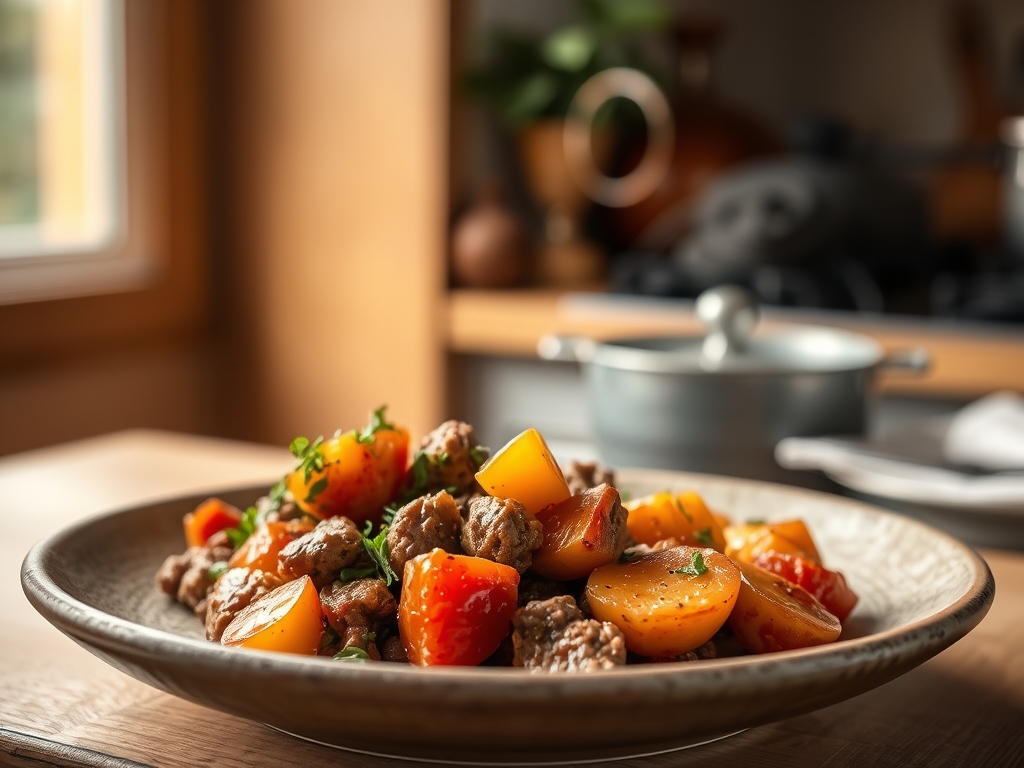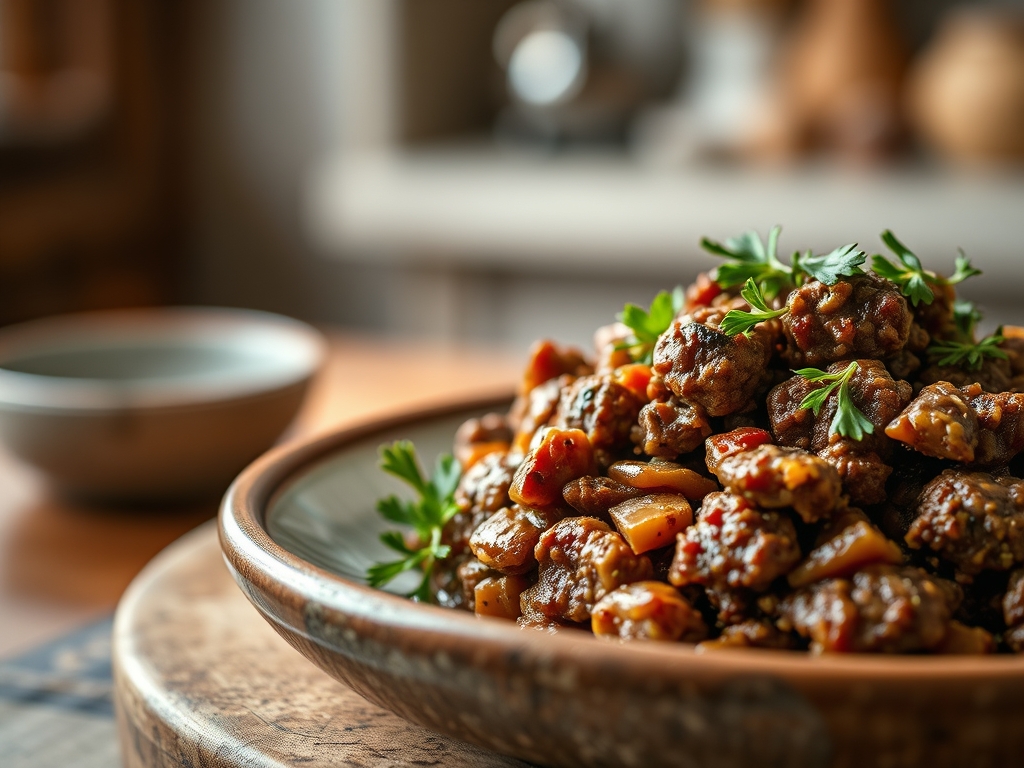
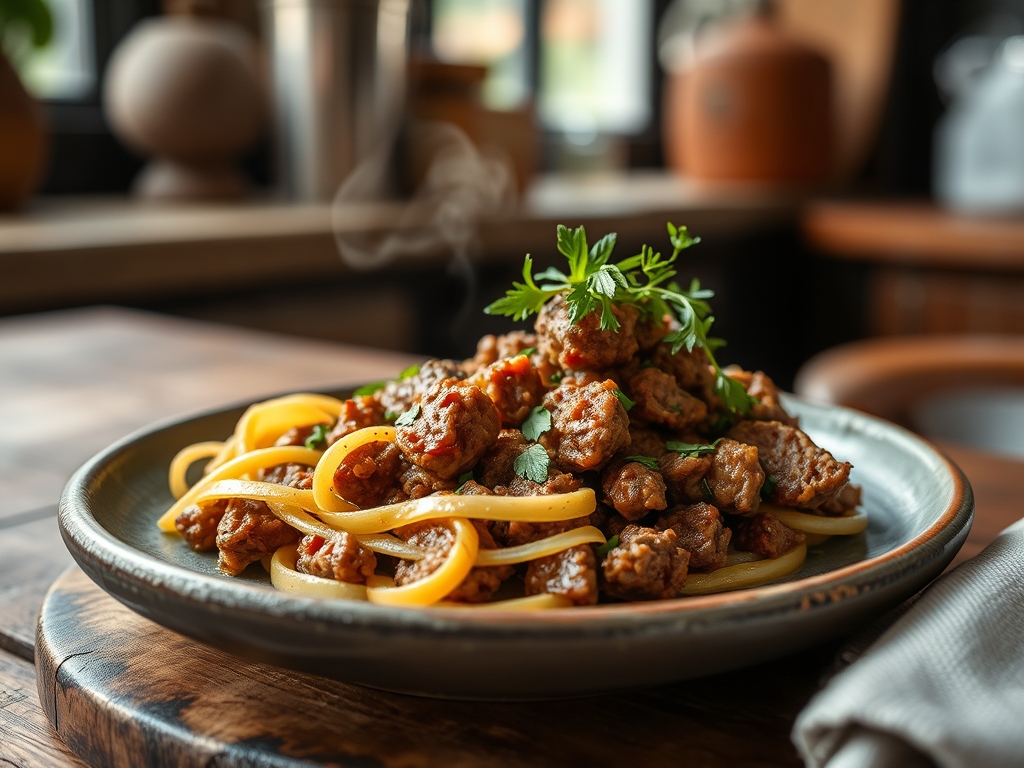
Picture the sizzle of a heavy-bottomed skillet as it meets a protein-rich base; the sound is identical to traditional meat, yet the aromatic profile is cleaner. If you are hunting for the ultimate gardein ground beef recipes, you have likely realized that plant-based proteins are not just "fakes" but sophisticated culinary canvases. We are transforming soy and wheat gluten into gourmet masterpieces today.
The secret to mastering these dishes lies in understanding molecular gastronomy. Unlike animal fat, which renders at specific temperatures, plant-based lipids behave differently under heat. We are going to manipulate texture, maximize the Maillard reaction, and infuse deep umami flavors into every bite. Whether you are a seasoned vegan or a curious flexitarian, these hacks will elevate your kitchen game from basic to brilliant. We are talking about deep, caramelized crusts and juicy, tender interiors that defy the "processed" stereotype. Grab your favorite apron and a glass of wine; it is time to turn your kitchen into a high-end bistro where the plants take center stage and the flavor is uncompromising.
The Gathers:
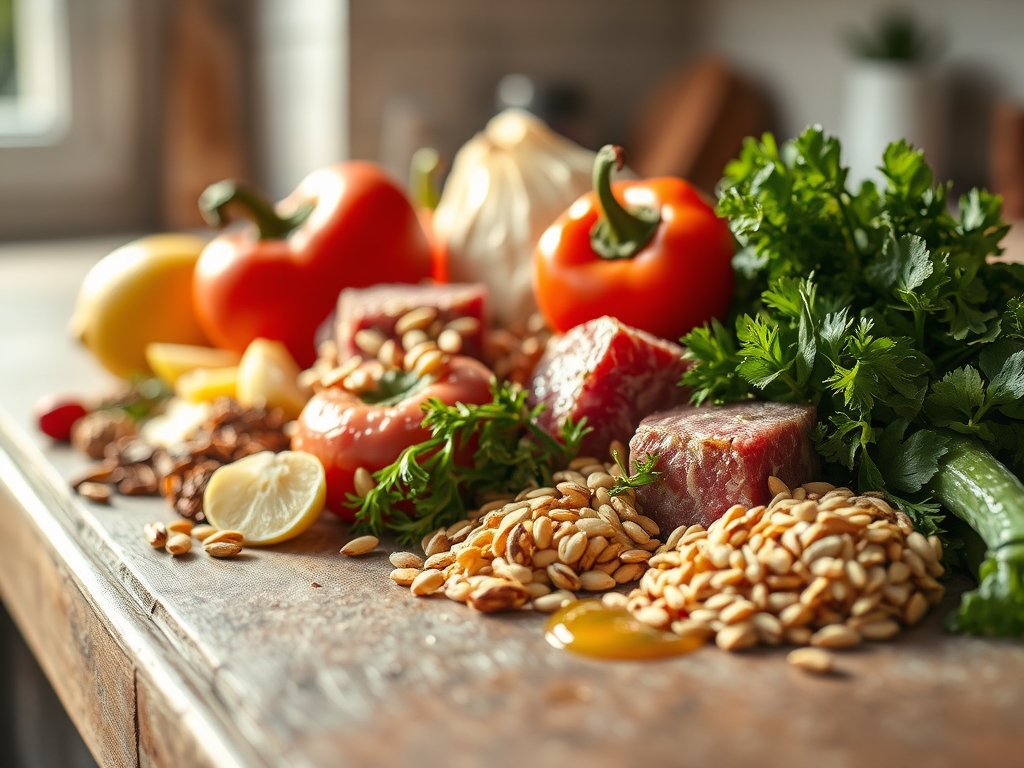
Before we ignite the burners, we must organize our mise-en-place. For world-class gardein ground beef recipes, your workstation should look like a laboratory of flavor. You will need your frozen plant-based crumbles, but do not just dump them in. We are looking for specific textural contrasts.
The Essentials:
- Gardein Beefless Crumbles: The star of the show, providing the structural integrity and protein density.
- Liquid Umami: Soy sauce, liquid aminos, or vegan Worcestershire sauce to provide the savory depth that plants naturally lack.
- Aromatics: Finely minced shallots and garlic. Use a microplane for the garlic to create a paste that integrates seamlessly without burning.
- Fats: High-smoke point oils like avocado or grapeseed oil. Since plant-based meat is often leaner, we must introduce lipids to carry flavor.
- Acid: A splash of red wine vinegar or fresh lemon juice to brighten the finish and cut through the richness.
Smart Substitutions:
If you are avoiding soy, look for pea-protein variants. For a "beefier" mouthfeel, add finely chopped shiitake mushrooms; their guanylate content works synergistically with the glutamate in the crumbles to explode with flavor. If you want a smokier profile, a pinch of smoked paprika or a drop of liquid smoke mimics the essence of a charcoal grill perfectly.
The Clock:
Efficiency in the kitchen is about "Chef's Flow." For most gardein ground beef recipes, the active prep time is a brisk 10 minutes, while the cooking phase takes about 12 to 15 minutes.
The "Flow" works like this: start with your cold prep (chopping and measuring) using a sharp chef's knife and a bench scraper to move ingredients. While you prep, preheat your heavy-bottomed skillet over medium-high heat. Plant-based proteins do not require the long braising times of animal meats; in fact, overcooking can lead to moisture loss and a rubbery texture. You are aiming for a total "pan-to-plate" time of under 30 minutes. This makes these recipes the gold standard for high-performance weeknight meals.
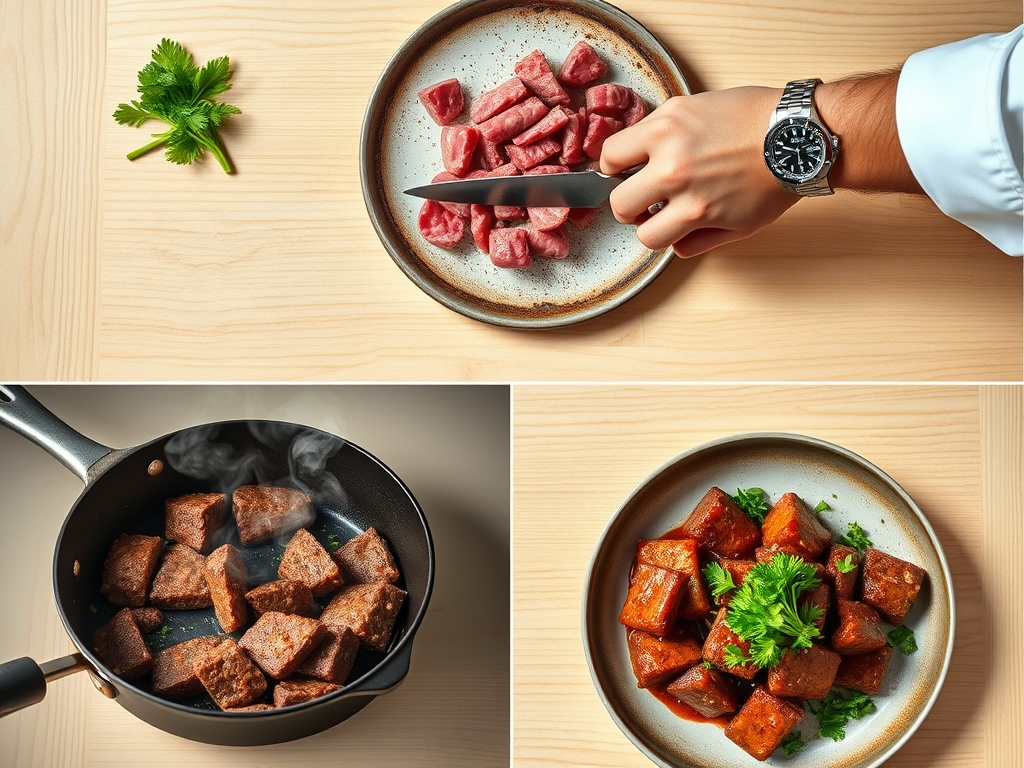
The Masterclass:
1. The Sear and Sizzle
Start by heating your oil until it shimmers. Add the frozen crumbles directly to the pan. Do not crowd the skillet; overcrowding drops the temperature and causes the protein to steam rather than sear. Use tongs or a stiff spatula to press the crumbles down.
Pro Tip: This stage focuses on the Maillard reaction. By allowing the protein to sit undisturbed for 3 to 4 minutes, you create a brown, flavorful crust through the chemical reaction between amino acids and reducing sugars.
2. The Umami Infusion
Once you have achieved a golden-brown exterior, create a well in the center of the pan. Add your aromatics and a teaspoon of tomato paste. Stir the paste until it turns a deep brick red.
Pro Tip: This is called pincage. Cooking the tomato paste reduces its acidity and develops a concentrated, savory sweetness that mimics the richness of "rendered" beef fat.
3. Deglazing the Fond
Add a splash of vegetable stock or dry red wine to the pan. Use your spatula to scrape up the brown bits stuck to the bottom.
Pro Tip: Those brown bits are called fond. They are concentrated flavor bombs. By deglazing, you incorporate that complexity back into the sauce, creating a more viscous and cohesive flavor profile.
4. The Fat Emulsification
Since plant-based grounds are low in saturated fat, finish the dish with a tablespoon of high-quality vegan butter or a drizzle of extra virgin olive oil.
Pro Tip: This creates an emulsion. The fat coats the protein fibers, providing the "succulence" associated with traditional ground beef and improving the overall mouthfeel.
5. Aerating the Texture
Just before serving, use a fork or a specialized meat masher to gently break up any large clumps that formed during the searing process.
Pro Tip: This helps to aerate the dish, ensuring that the sauce and seasonings are evenly distributed through every crevice of the crumbles.
6. The Acid Balance
Turn off the heat and stir in a squeeze of fresh lime or a teaspoon of balsamic glaze.
Pro Tip: This is about pH balancing. The acid acts as a "highlighter" for the savory notes, making the flavors "pop" without needing excess salt.
7. Thermal Carryover Management
Remove the pan from the heat source immediately once the desired texture is reached. Transfer the contents to a room-temperature bowl.
Pro Tip: Thermal carryover means the food continues to cook after leaving the heat. Because plant proteins are sensitive to dehydration, moving them out of the hot skillet prevents them from becoming dry and tough.
8. The Final Garnish
Top with fresh herbs like cilantro or parsley and a sprinkle of flaky sea salt.
Pro Tip: Fresh herbs contain volatile oils that are destroyed by heat. Adding them at the very end ensures a piquant, fresh aroma that contrasts with the deep, savory base.
The Deep Dive:
When we look at the Macro Nutrition, Gardein crumbles are a powerhouse. They typically offer about 18 grams of protein per serving with significantly less saturated fat and zero cholesterol compared to 80/20 beef. This makes them an elite choice for heart-healthy "muscle fuel."
Dietary Swaps:
- Keto: Skip the corn-based thickeners and serve over cauliflower rice or zoodles.
- Gluten-Free: Ensure you are using a GF-certified crumble, as some brands use wheat gluten as a binder.
- Vegan: Most Gardein products are inherently vegan, but always double-check the label for "hidden" honey or dairy in flavored varieties.
The Fix-It (Troubleshooting):
- Too Dry: If your crumbles feel "sandy," whisk a teaspoon of cornstarch into 1/4 cup of broth and stir it in. This creates a velouté-style coating that adds moisture.
- Too Salty: Do not add water. Instead, add a splash of acid (vinegar) or a pinch of sugar to neutralize the sodium perception on the palate.
- Mushy Texture: This happens if you thaw the crumbles before cooking. Always cook from frozen to maintain structural integrity.
Meal Prep Science:
To maintain "day-one" quality, store your cooked crumbles in an airtight glass container. When reheating, use a saucier or small pan with a tablespoon of water. Cover with a lid to create a steam chamber; this rehydrates the protein fibers without making them rubbery in the microwave.
The Wrap-Up:
Mastering gardein ground beef recipes is about more than just following a box; it is about applying professional culinary techniques to modern ingredients. By focusing on the Maillard reaction, proper deglazing, and the balance of fats and acids, you transform a simple frozen staple into a five-star meal. Remember, the kitchen is your playground. Use these hacks to impress your friends, nourish your body, and prove that plant-based eating is anything but boring. Now, get that skillet hot and start creating!
The Kitchen Table:
How do I make plant-based ground beef taste more like real meat?
Focus on umami-rich additives. Use soy sauce, Worcestershire, or nutritional yeast. Searing the crumbles in a hot skillet to achieve the Maillard reaction is essential for creating the savory, caramelized crust associated with traditional beef.
Can I use Gardein crumbles in a slow cooker?
Yes, but add them during the last 30 to 45 minutes of cooking. Because they lack the connective tissue of animal meat, long simmering can cause them to lose their texture and become overly soft.
Why is my plant-based ground beef sticking to the pan?
This usually happens if the pan isn't hot enough or if you haven't used enough fat. Ensure the oil is shimmering before adding the crumbles and avoid moving them until a crust has naturally formed and released.
Is Gardein ground beef healthy for weight loss?
It is a high-protein, low-calorie alternative to beef. With significantly less saturated fat and high fiber content, it supports satiety and muscle maintenance, making it an excellent tool for caloric deficit or weight management goals.