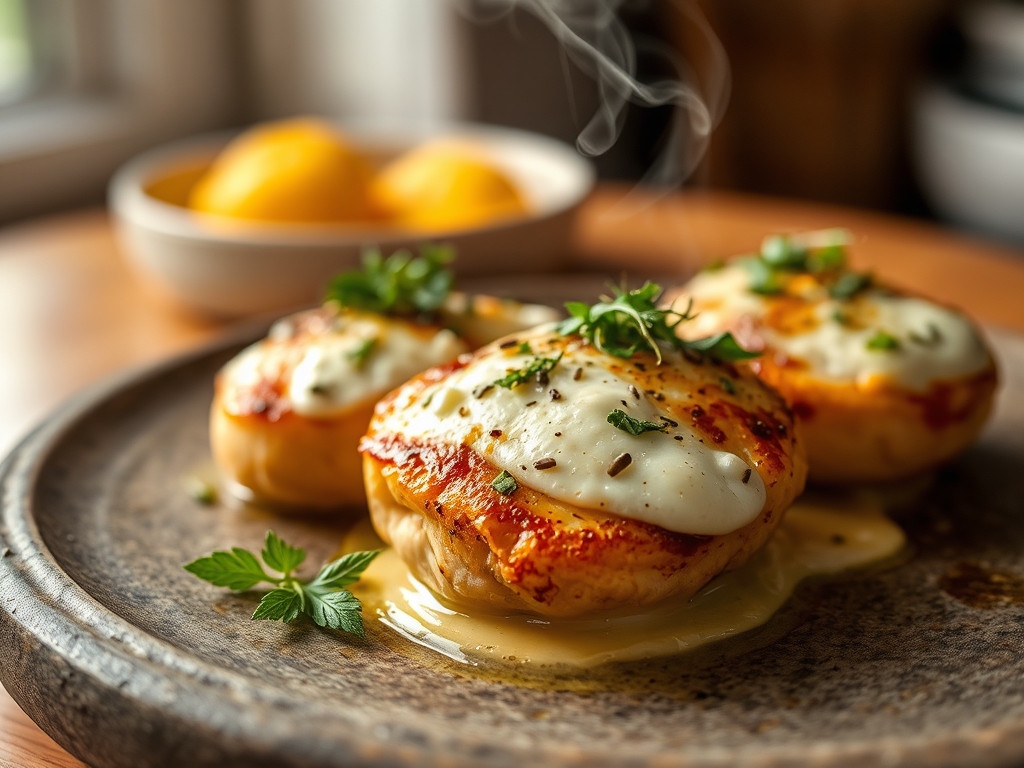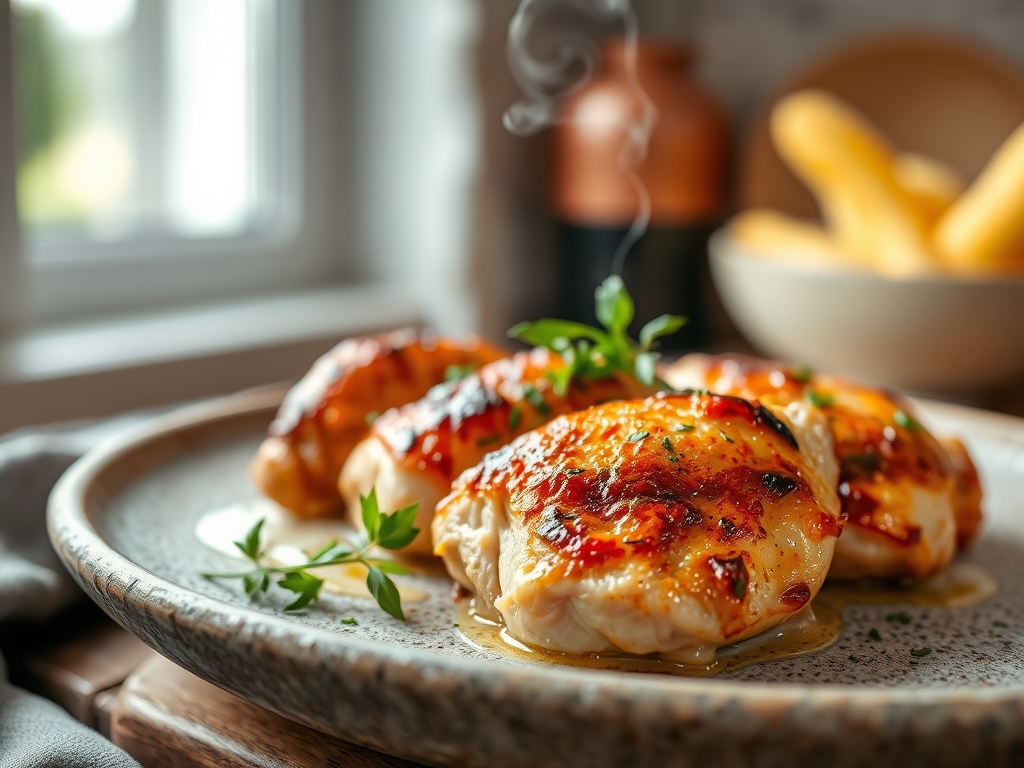
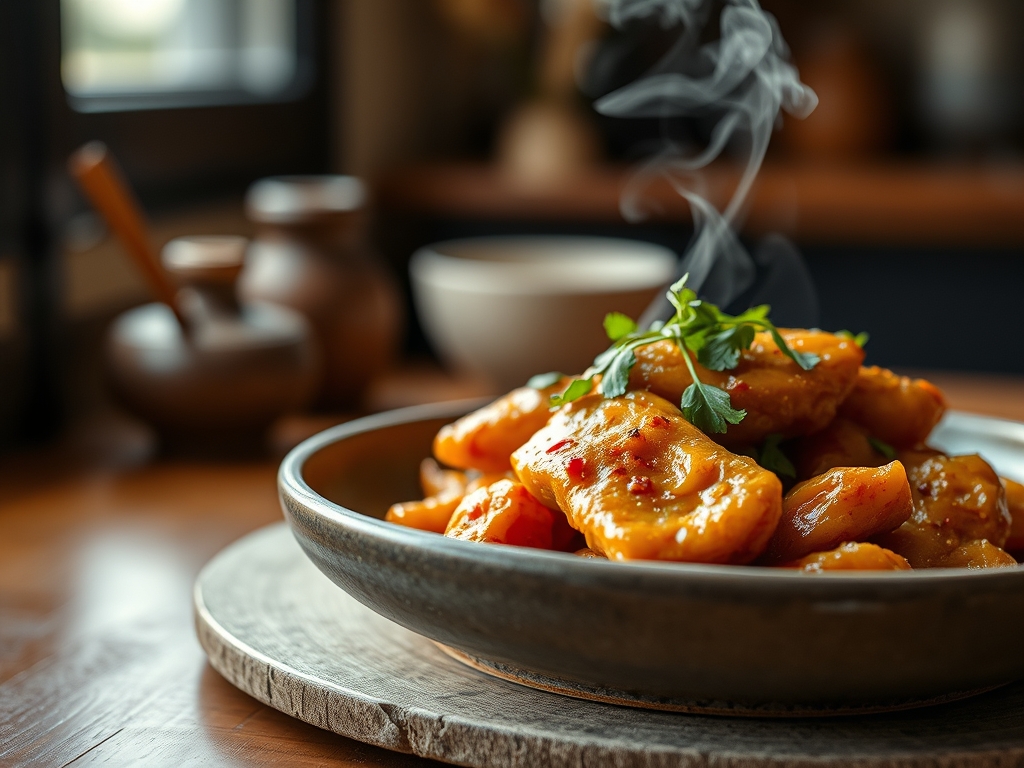
Imagine the scent of toasted sesame oil and sweet hoisin drifting through your hallway after a long Tuesday. While most slow cooker meals lean toward heavy stews, my favorite mu shu chicken recipes offer a vibrant, textural escape that mimics high-heat wok cooking without the constant stirring. It is the ultimate kitchen hack for the modern, busy professional.
The beauty of a slow cooker lies in its ability to transform lean proteins into succulent, shreddable masterpieces. When we talk about mu shu chicken recipes, we are looking for that specific balance of salty, sweet, and earthy umami that usually requires a roaring flame. By utilizing the low and slow method, we allow the aromatics to deeply penetrate the muscle fibers of the chicken. This creates a depth of flavor that quick stir-fries often miss. Today, we are diving into nine variations of this classic, ranging from traditional mandarin styles to spicy fusion twists. We will use the slow cooker to handle the heavy lifting while we focus on the art of the assembly. Grab your favorite apron and a glass of wine; we are about to turn your countertop appliance into a gourmet powerhouse.
The Gathers:
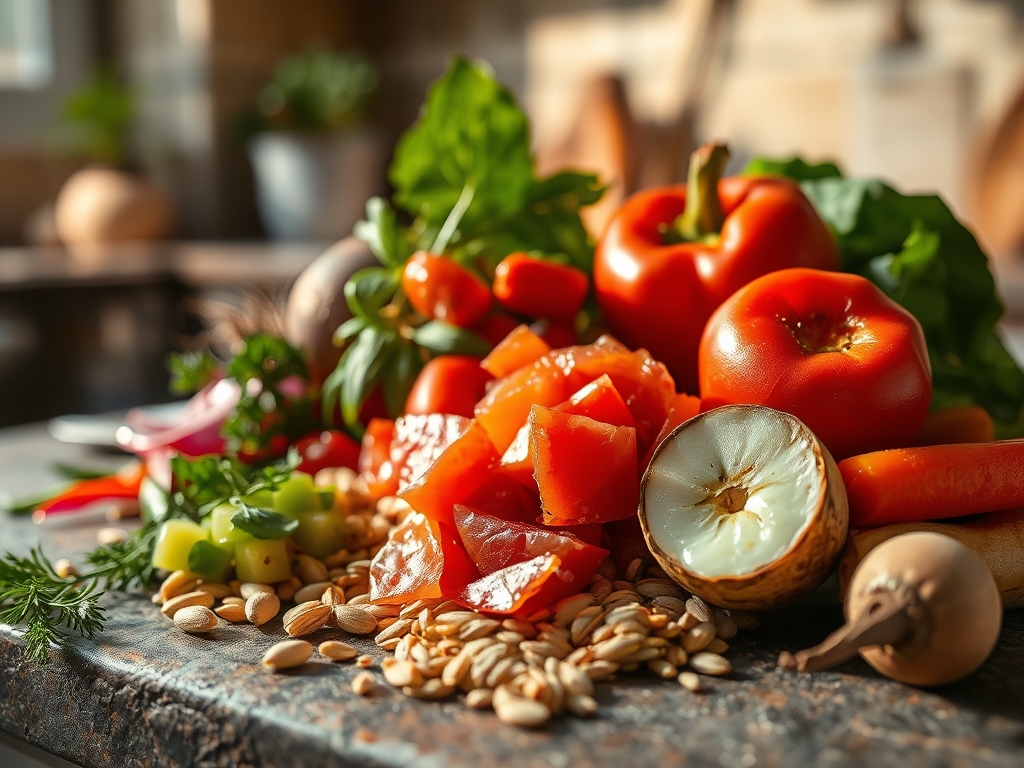
To achieve the perfect mu shu, your mise-en-place must be precise. We start with two pounds of boneless, skinless chicken thighs. Thighs contain more connective tissue than breasts; this collagen breaks down into gelatin during the cook cycle, ensuring the meat stays moist. You will need a microplane to grate fresh ginger and garlic into a fine paste. This increases the surface area, allowing the volatile oils to infuse the braising liquid more effectively.
The vegetable component requires a bag of shredded cabbage or coleslaw mix, sliced shiitake mushrooms, and julienned carrots. For the sauce, gather high-quality hoisin, soy sauce, rice vinegar, and a splash of toasted sesame oil. If you want to elevate the dish, add dried wood ear mushrooms. These provide a unique, snappy texture that defines authentic mu shu.
Smart Substitutions: If you are avoiding soy, coconut aminos offer a similar viscous profile with less sodium. Instead of traditional flour pancakes, you can use large butter lettuce leaves for a refreshing, low-carb crunch. For those who lack wood ear mushrooms, thinly sliced brown cremini mushrooms provide a similar earthy depth, though they lack the signature "crunch" of the fungi. Always use a digital scale to measure your liquid ingredients to ensure the sauce consistency is perfect every single time.
The Clock
Efficiency in the kitchen is about understanding "Chef's Flow." This is the sequence of tasks that minimizes downtime. Your active prep time for these mu shu chicken recipes is approximately 20 minutes. This includes trimming the protein and whisking the sauce. The slow cooker does the rest of the work over 4 hours on high or 6 to 7 hours on low.
The "Chef's Flow" dictates that you prepare your fresh garnishes, like scallions and toasted sesame seeds, during the final 30 minutes of the cook cycle. This prevents the herbs from wilting and ensures the textures remain distinct. If you are serving this with rice or warming your mandarin pancakes, start those processes 15 minutes before the timer hits zero. This synchronized finish ensures every component hits the plate at the optimal temperature.
The Masterclass
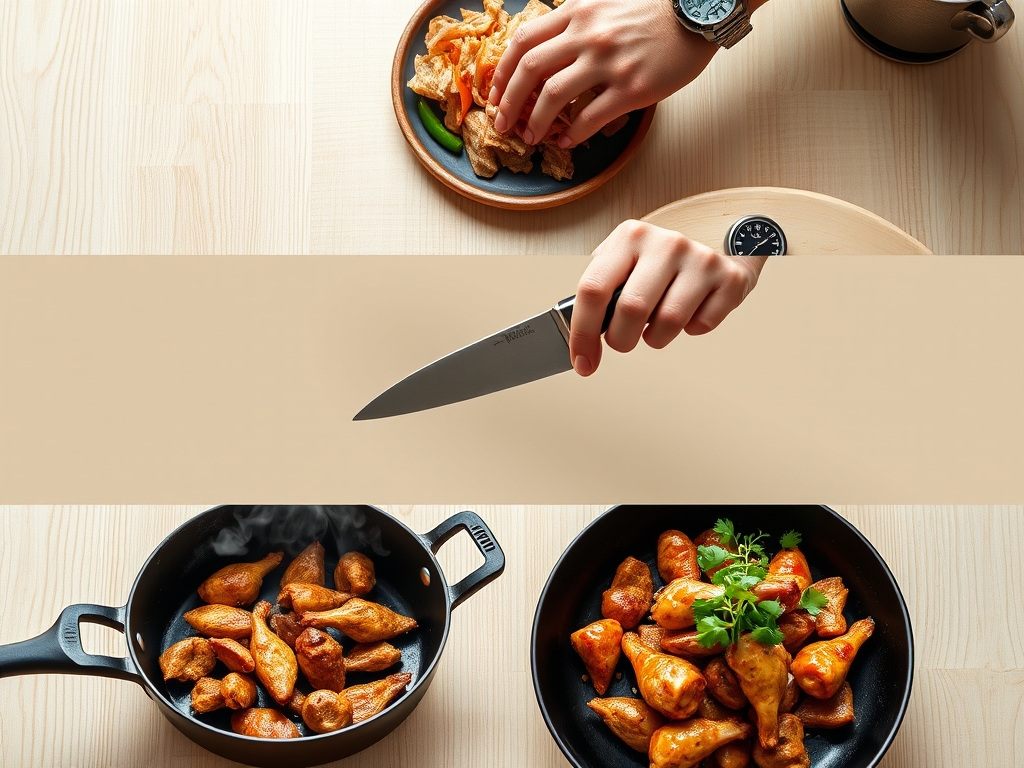
1. The Sear and Deglaze
While many slow cooker recipes suggest throwing everything in raw, we begin by searing the chicken in a heavy-bottomed skillet. Use high heat to achieve the Maillard reaction, which creates complex flavor compounds on the surface of the meat. Once browned, move the chicken to the slow cooker and use a splash of rice wine to deglaze the pan, scraping up the browned bits with a wooden spoon.
Pro Tip: This step utilizes enzymatic browning to create a savory foundation that a slow cooker cannot produce on its own due to the presence of steam.
2. Layering the Aromatics
Place your chicken at the bottom of the ceramic insert. Top with your grated ginger, garlic, and sliced mushrooms. Pour your whisked sauce over the top, but do not add the cabbage yet. Cabbage has a high water content and will turn to mush if cooked for the full duration.
Pro Tip: Layering denser proteins at the bottom ensures they are closest to the heating element, facilitating the breakdown of tough fibers through consistent thermal energy.
3. The Low and Slow Braise
Set your cooker to the low setting. During this time, the heat gently vibrates the water molecules in the sauce, allowing the flavors to aerate and meld. Resist the urge to lift the lid. Every time you open the cooker, you lose significant heat and moisture, extending the cook time by 15 minutes.
Pro Tip: Maintaining a sealed environment creates a self-basting cycle where evaporated juices condense on the lid and drip back onto the protein.
4. The Shred and Incorporate
Once the timer ends, use tongs to remove the chicken to a cutting board. Use two forks or a bench scraper to shred the meat into bite-sized strips. Return the meat to the pot and stir in the shredded cabbage and carrots. Let them sit in the residual heat for 10 minutes.
Pro Tip: This utilizes thermal carryover. The cabbage wilts just enough to become tender while retaining a piquant snap, preventing a soggy final texture.
The Deep Dive
From a nutritional standpoint, mu shu chicken is a powerhouse. It is high in lean protein and packed with fiber from the cruciferous vegetables. A standard serving contains roughly 320 calories, making it a guilt-free dinner option. For a keto-friendly version, swap the hoisin for a sugar-free alternative and serve in lettuce cups. Vegans can easily substitute the chicken with extra-firm tofu or seitan; just reduce the cook time to 2 hours to prevent the plant proteins from becoming too soft.
The Fix-It: If your sauce is too thin, do not panic. Whisk a teaspoon of cornstarch with cold water to create a slurry and stir it into the bubbling pot for five minutes. If the dish is too salty, a teaspoon of honey or a squeeze of lime juice will balance the flavor profile. If the chicken feels dry, it likely overcooked; next time, use a probe thermometer to pull the meat at exactly 165 degrees Fahrenheit.
Meal Prep: Mu shu chicken actually tastes better on day two. As the mixture cools, the sauce undergoes retrogradation, thickening slightly and clinging better to the meat. To reheat, use a saucier over medium heat with a tablespoon of water to loosen the sauce. Avoid the microwave if possible, as it can cause the chicken to become rubbery.
The Wrap-Up
Mastering mu shu chicken recipes in the slow cooker is about more than just convenience; it is about reclaiming your evening without sacrificing culinary integrity. By understanding the science of layering flavors and respecting the textures of your vegetables, you create a meal that feels intentional and sophisticated. Whether you are hosting a casual dinner party or prepping for a busy week ahead, these techniques ensure a consistent, delicious result. Go ahead and experiment with different spice levels or mushroom varieties. Your kitchen is your laboratory, and the slow cooker is your most reliable assistant.
The Kitchen Table
Can I use chicken breasts instead of thighs?
Yes, but reduce the cooking time by one hour. Breasts have less fat and can become dry if overexposed to heat. Always use a thermometer to ensure the internal temperature reaches 165 degrees Fahrenheit for safety and moisture.
How do I prevent the cabbage from getting soggy?
Always add the cabbage during the last 10 to 15 minutes of the cooking process. The residual heat from the chicken and sauce is enough to soften the greens while maintaining their essential structural integrity and crunch.
What is the best way to warm mandarin pancakes?
Stack the pancakes and wrap them in a damp paper towel. Microwave them for 30 seconds or steam them in a bamboo basket for two minutes. This introduces moisture, ensuring they remain pliable and do not tear during assembly.
Is hoisin sauce gluten-free?
Most commercial hoisin sauces contain wheat flour as a thickener. If you are sensitive to gluten, specifically look for a certified gluten-free label or make a quick substitute using peanut butter, soy aminos, honey, and Chinese five-spice powder.