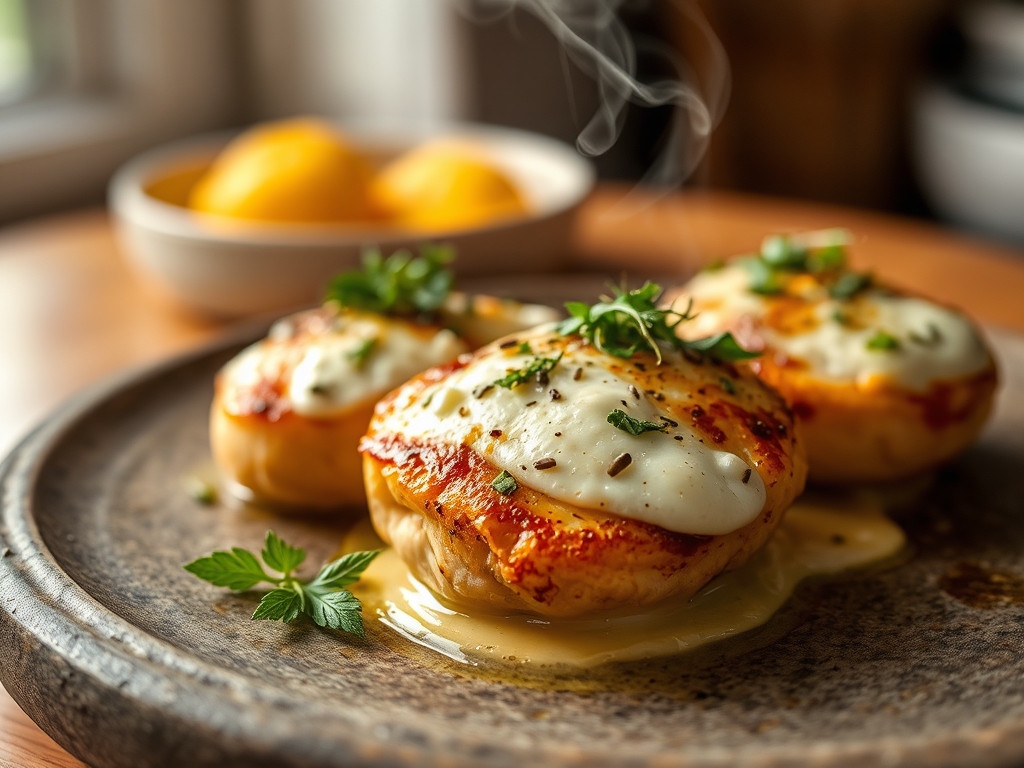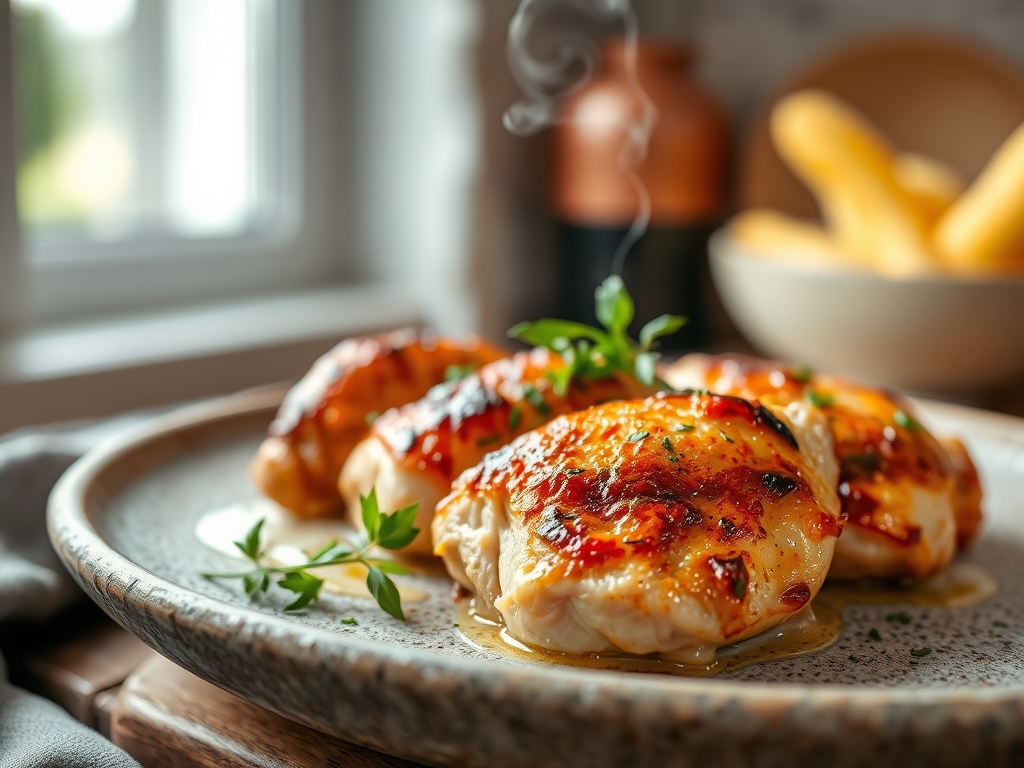
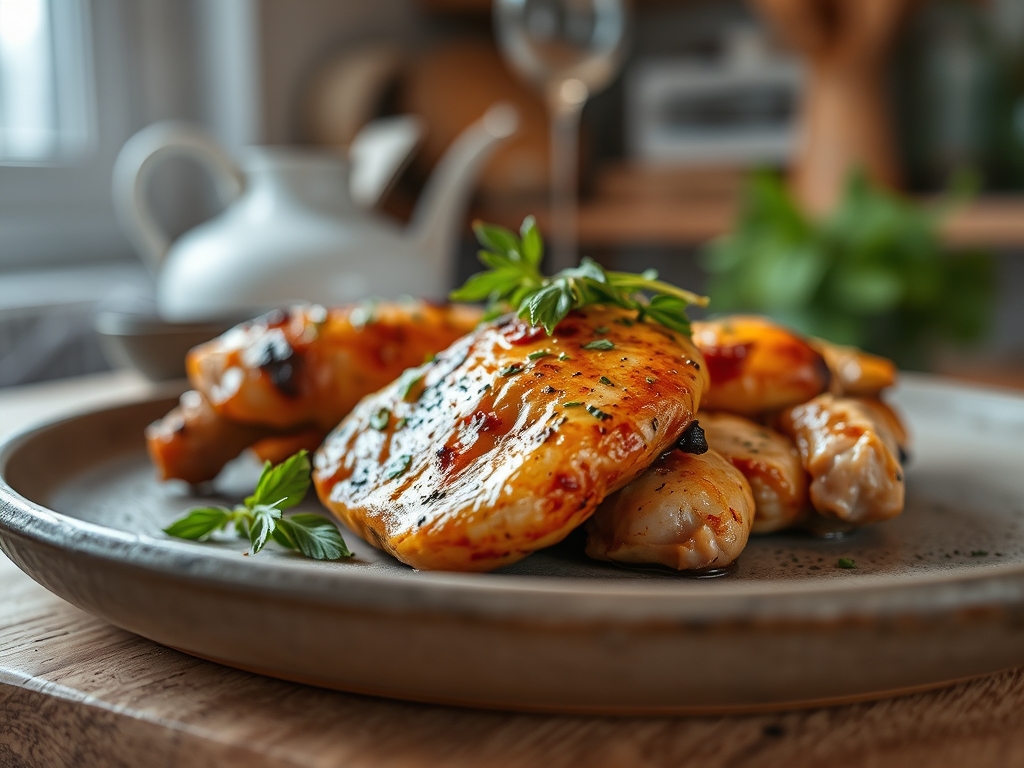
Picture a kitchen filled with the scent of toasted sesame oil and the sharp, bright zing of fresh ginger. You are about to master a dish that feels like a sophisticated takeout splurge but functions with the efficiency of the best chicken recipes oven easy enthusiasts adore. Mu Shu Chicken is a textural masterpiece. It relies on the contrast between tender ribbons of protein and the snap of wood ear mushrooms and cabbage. While traditional versions require constant wok-tossing, we are going to optimize our workflow to ensure every bite is infused with a rich, savory depth. This is not just about assembly; it is about understanding how heat transforms simple aromatics into a complex, umami-forward glaze. Whether you are hosting a frantic weeknight dinner or looking for a meal that holds its integrity in the fridge, this method delivers. We are leaning into the science of high-heat roasting and rapid sautéing to achieve that elusive wok hei flavor without needing a professional-grade burner. Grab your apron and your sharpest knife; we are diving into the mechanics of the perfect wrap.
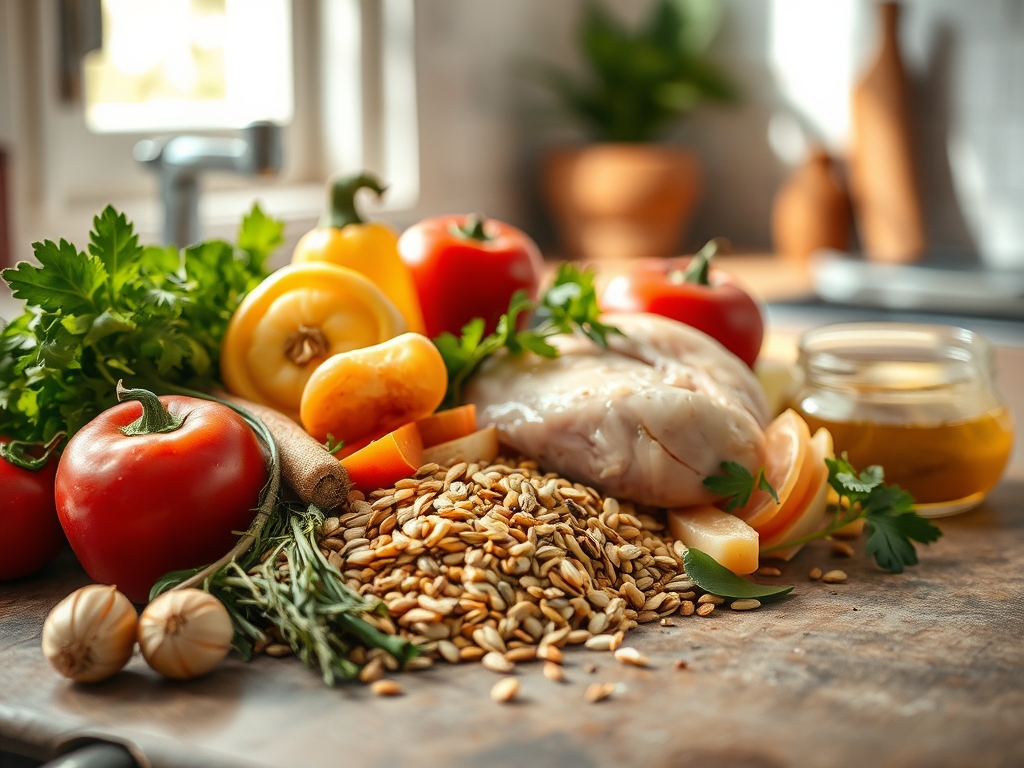
The Gathers:
The success of a Mu Shu lies in the mise-en-place. You cannot stop to chop once the pan is hot. You will need one pound of chicken breast or thighs, sliced into thin, translucent strips against the grain to shorten the muscle fibers. For the produce, gather a head of green cabbage, shredded thin; a handful of dried wood ear mushrooms, rehydrated and sliced; and a bunch of scallions. The sauce is a viscous blend of hoisin, soy sauce, rice vinegar, and a touch of toasted sesame oil.
Smart Substitutions: If you cannot find wood ear mushrooms, shiitakes offer a similar earthy profile, though they lack that specific cartilaginous crunch. For a lower glycemic index, swap the traditional flour pancakes for large butter lettuce leaves or even thin egg crepes. If you are looking for more chicken recipes oven easy style shortcuts, you can pre-roast your chicken strips on a sheet pan at 400 degrees Fahrenheit for 8 minutes to ensure they stay juicy before hitting the pan for the final toss.
The Clock
Preparation takes roughly 20 minutes, mostly focused on the precision of your knife work. The actual cooking time is a swift 12 minutes. This creates a Chef's Flow where the heaviest lifting is done before the stove is even lit. By organizing your ingredients in the order they hit the pan (aromatics, protein, vegetables, sauce), you prevent the "stewing" effect that happens when a pan is overcrowded or timed incorrectly.
The Masterclass
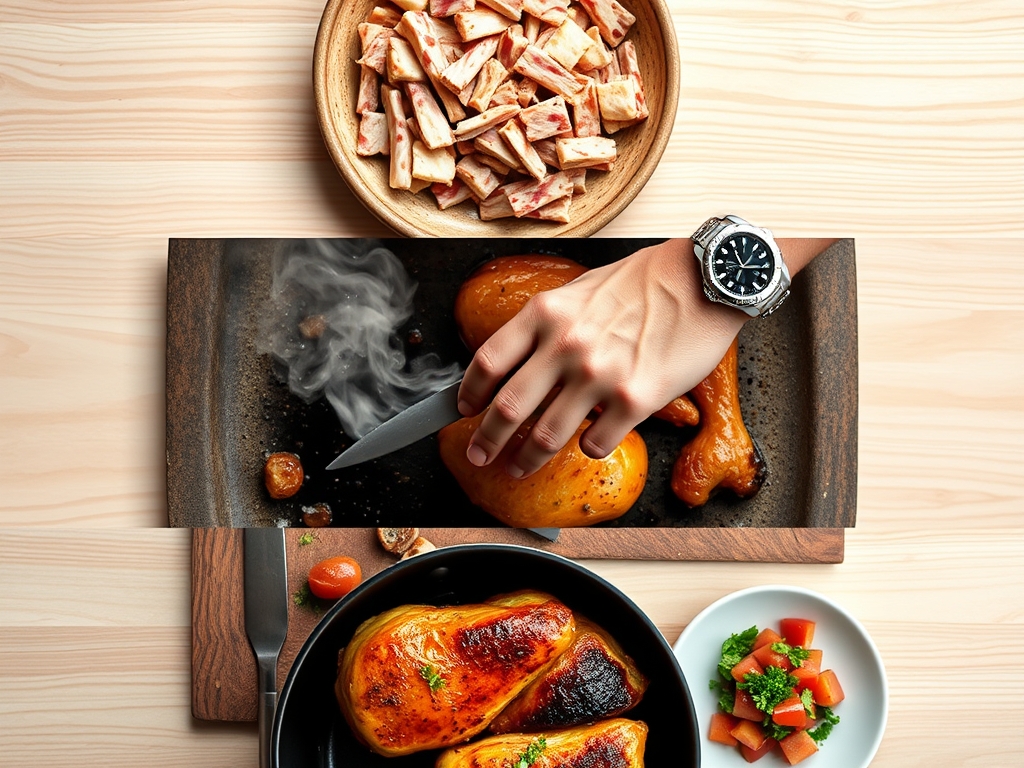
1. The Velvet Marinade
Toss your chicken strips with a teaspoon of cornstarch, a splash of soy sauce, and a hint of white pepper. Use your hands to ensure every fiber is coated.
Pro Tip: This is a technique called velveting. The cornstarch creates a protective barrier that prevents the proteins from denaturing too quickly, resulting in a silkier mouthfeel even under high heat.
2. Rehydrating the Umami
Place your dried wood ear mushrooms in a bowl of boiling water for 15 minutes. Once they are supple, drain them and pat them dry with a lint-free towel.
Pro Tip: Removing excess moisture is vital. If the mushrooms are wet, they will steam rather than sear, preventing the Maillard reaction from developing those deep, savory notes.
3. The High-Heat Sear
Heat a heavy-bottomed skillet or wok until a drop of water flicked onto the surface dances and evaporates instantly. Add a high-smoke-point oil like grapeseed.
Pro Tip: Use tongs to spread the chicken in a single layer. Let it sit undisturbed for 60 seconds to allow for enzymatic browning before tossing.
4. Scrambling the Clouds
Push the chicken to the edges and crack two whisked eggs into the center. Scramble them quickly until they are just set but still soft.
Pro Tip: The eggs act as a fat-binder. Their lipids help emulsify the sauce later, ensuring it clings to the cabbage instead of pooling at the bottom of the dish.
5. The Cabbage Wilt
Add the shredded cabbage and carrots. You want to toss these vigorously using a bench scraper or wide spatula to ensure even heat distribution.
Pro Tip: We are looking for "tender-crisp." Overcooking the cabbage causes the cell walls to collapse, releasing water and turning your Mu Shu into a soggy mess.
6. Infusing the Aromatics
Create a small well in the center and add minced garlic and grated ginger (use a microplane for a fine paste). Let them sizzle for exactly 30 seconds.
Pro Tip: Aromatics are fat-soluble. By hitting the hot oil directly, they infuse the entire dish with flavor much more effectively than if they were tossed on top of the vegetables.
7. The Glossy Finish
Pour in your hoisin-based sauce. Use a saucier whisk technique to stir the liquid as it hits the hot pan, allowing it to bubble and reduce slightly.
Pro Tip: The sugar in the hoisin will caramelize rapidly. This creates a glaze that is both sweet and piquant, binding the disparate ingredients into a cohesive unit.
8. The Final Garnish
Turn off the heat and toss in the scallions and a final drizzle of sesame oil. The residual heat is enough to soften the greens without losing their color.
Pro Tip: This utilizes thermal carryover. The internal temperature of the pan will continue to cook the delicate scallions for several minutes after the flame is out.
The Deep Dive
Macro Nutrition: A standard serving of Mu Shu Chicken is impressively balanced. It provides roughly 28g of protein, 12g of healthy fats (mostly from the sesame and eggs), and 15g of carbohydrates. To keep it Keto, omit the hoisin (use a sugar-free version) and skip the pancakes. For Vegan friends, crumbled extra-firm tofu or rehydrated soy curls work beautifully as a protein substitute.
The Fix-It:
- Too Salty: If you went heavy on the soy, add a squeeze of lime juice or a teaspoon of rice vinegar. The acid cuts through the sodium.
- Soggy Cabbage: This happens if the pan wasn't hot enough. Next time, cook in smaller batches to maintain the surface temperature.
- Bland Chicken: Ensure you are seasoning the meat directly during the velveting stage, not just relying on the final sauce.
Meal Prep: To reheat, avoid the microwave if possible. A quick toss in a dry skillet over medium heat will aerate the ingredients and prevent the cabbage from becoming mushy. If you must microwave, add a damp paper towel over the bowl to create a steam chamber that keeps the chicken tender.
The Wrap-Up
Mastering Mu Shu Chicken is a gateway to understanding the delicate balance of Chinese home cooking. It is a dish that rewards precision, heat management, and a bit of flair. By using the velveting technique and respecting the "tender-crisp" window of your vegetables, you have elevated a simple stir-fry into a gourmet experience. This recipe proves that chicken recipes oven easy or stovetop fast can be incredibly sophisticated. Now, grab those pancakes, smear on a little extra hoisin, and enjoy the crunch!
The Kitchen Table
Can I make this gluten-free?
Yes. Use tamari instead of soy sauce and ensure your hoisin sauce is certified gluten-free. Swap the flour pancakes for large lettuce cups or gluten-free tortillas to keep the dish safe for those with sensitivities.
How do I prevent the chicken from sticking?
Ensure your pan is fully preheated before adding oil. Use a high-smoke-point oil and do not move the chicken for the first minute. This allows a crust to form, which naturally releases the meat from the pan surface.
What is the best way to shred cabbage quickly?
Use a sharp chef's knife to quarter the cabbage, remove the core, and slice very thin. Alternatively, a mandoline or the slicing attachment on a food processor provides perfectly uniform shreds for even cooking and professional presentation.
Can I use frozen vegetables for Mu Shu?
While possible, fresh cabbage and carrots are highly recommended. Frozen vegetables release too much moisture as they thaw, which prevents the dish from achieving the necessary sear and results in a watery sauce that won't cling to the protein.