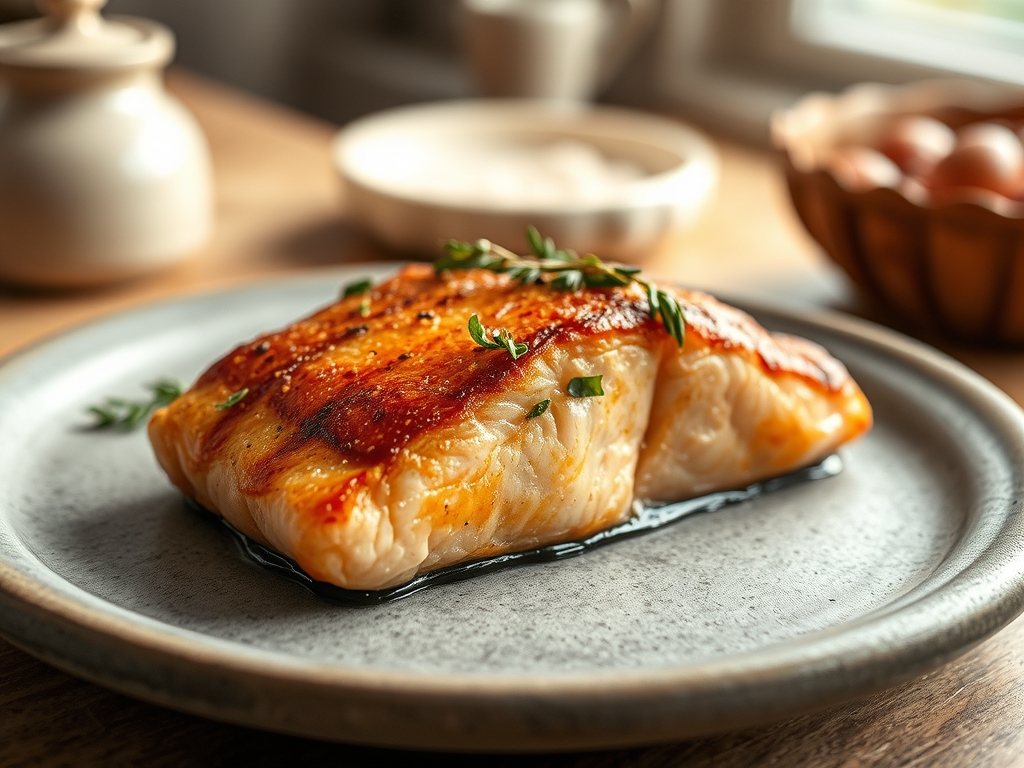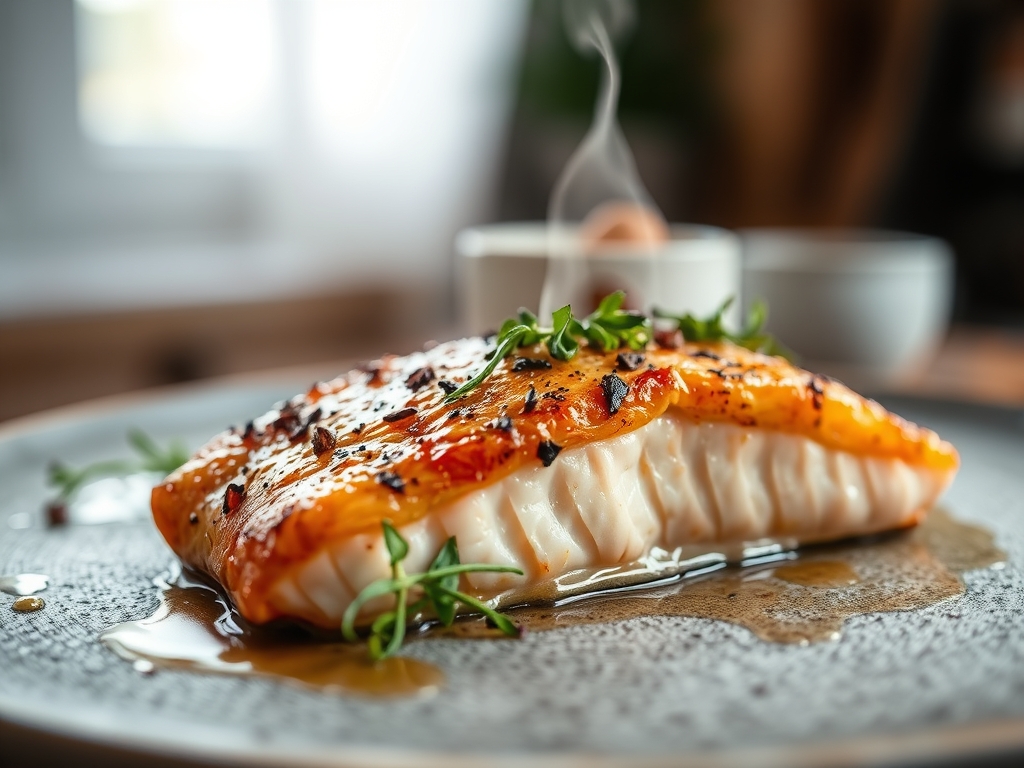
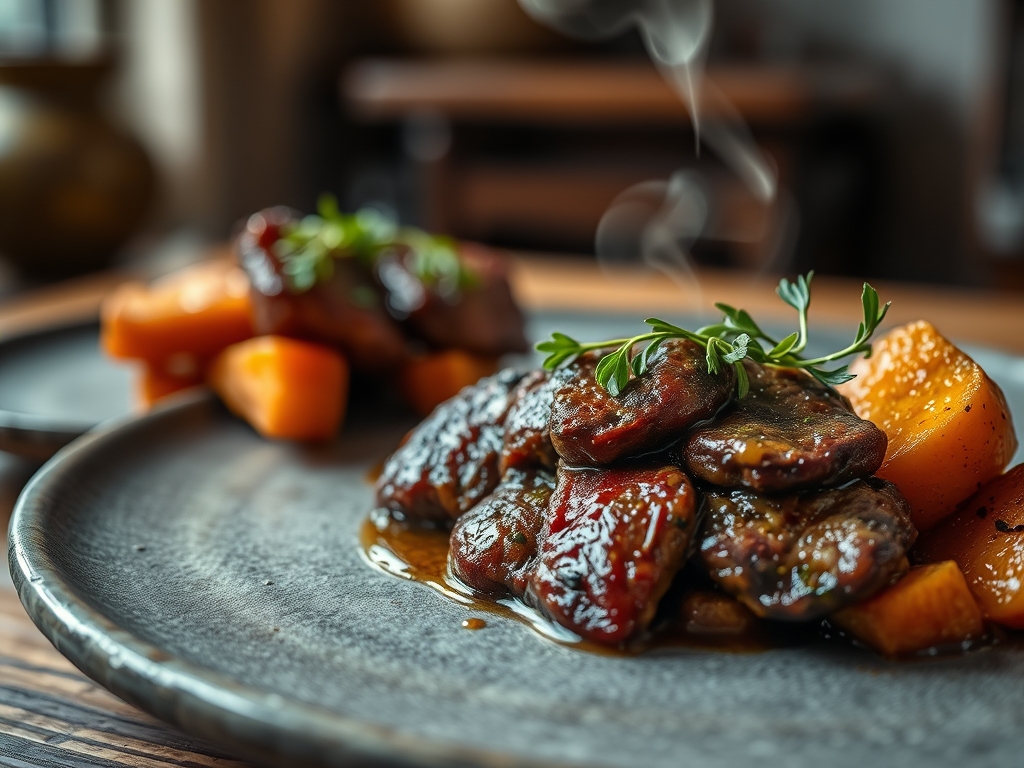
Picture a heavy-bottomed skillet resting on your range while the scent of caramelized sugars and searing proteins fills your kitchen. This is the alchemy of meat and sweet potato recipes; a culinary marriage where the earthy sweetness of tubers meets the savory depth of high-quality fats. We are moving beyond the basic bake to master nine effortless, high-performance meals that satisfy your cravings and your macros.
The beauty of these pairings lies in the chemical contrast between the dense, fibrous structure of the potato and the complex amino acids of the meat. Whether you are searing a flank steak to pair with a piquant mash or roasting spicy chorizo alongside cubed jewels of garnet yams, you are engaging in a sophisticated dance of texture and heat. These meals are designed for the person who wants the elegance of a bistro dinner with the efficiency of a weeknight routine. We will focus on maximizing the Maillard reaction to ensure every bite delivers a punch of umami while keeping the starches creamy and luxurious.
The Gathers:
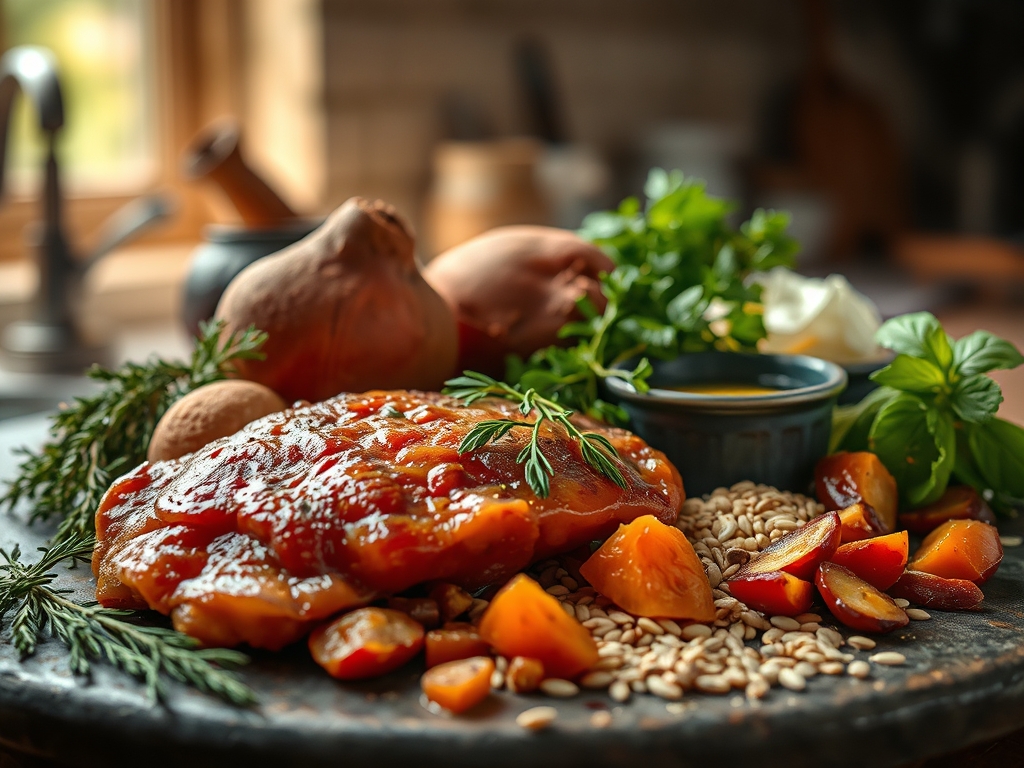
Before we ignite the burners, we must organize our mise-en-place with clinical precision. You will need high-moisture sweet potatoes; look for varieties like Jewel or Beauregard for their high sugar content and smooth cellular structure. On the protein side, lean toward grass-fed beef, pasture-raised pork, or skin-on chicken thighs. The skin is vital because it contains the subcutaneous fat necessary to render and infuse the potatoes with flavor.
Your toolkit should include a sharp chef's knife for uniform cubing, a microplane for aerating hard cheeses or citrus zest, and a digital scale to ensure your ratios are exact. Grab a bottle of high-smoke-point oil, such as avocado or grapeseed oil, to facilitate a clean sear without the bitterness of burnt lipids.
Smart Substitutions: If you are looking to pivot, swap traditional beef for ground bison to lower the fat content while increasing iron density. If sweet potatoes are unavailable, Japanese Yams offer a starchier, chestnut-like profile that holds its shape beautifully under high thermal stress. For a dairy-free richness, use full-fat coconut milk in your mash to create a viscous, velvet-like texture that rivals any butter-heavy preparation.
The Clock
Efficiency in the kitchen is governed by what professionals call "Chef's Flow." This is the art of overlapping tasks so that no second is wasted while a component is under heat. For these meat and sweet potato recipes, your total active prep time is approximately 15 minutes, with a collective cook time ranging from 20 to 40 minutes depending on the protein density.
Start by preheating your oven or skillet immediately. While the metal reaches its target temperature, perform your knife work. By the time your potatoes are cubed and seasoned, your cooking surface will be ready to induce immediate caramelization. This synchronized approach ensures that your meat rests to redistribute its juices exactly when the potatoes reach their peak tenderness.
The Masterclass
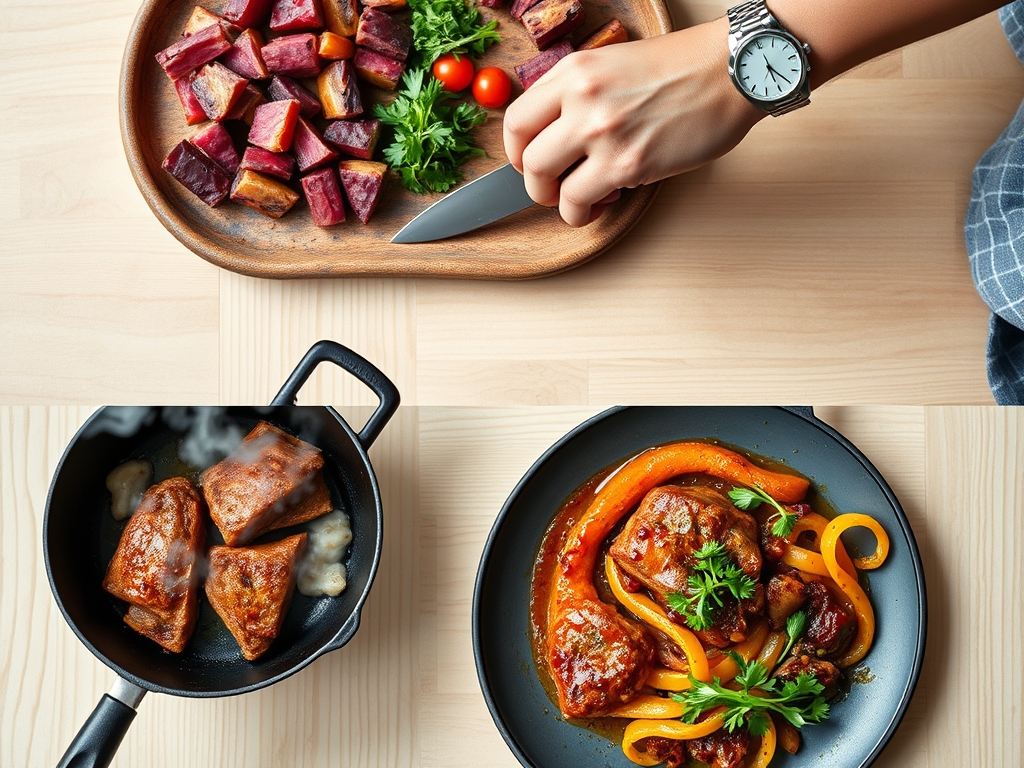
1. The Foundation Sear
Place your seasoned meat into a preheated heavy-bottomed skillet. Do not crowd the pan; overcrowding drops the surface temperature and leads to steaming rather than searing. Use stainless steel tongs to flip the protein only once a deep, mahogany crust has formed.
Pro Tip: This crust is the result of the Maillard reaction, a chemical reaction between amino acids and reducing sugars. To accelerate this, ensure the meat surface is bone-dry before it hits the oil.
2. Tuber Integration
Once the meat has released some of its lipids, add your cubed sweet potatoes directly into the rendered fat. This allows the starch to absorb the savory notes of the protein while the exterior begins to crisp.
Pro Tip: Sweet potatoes contain an enzyme called amylase that breaks down starches into maltose. By starting them in a warm pan rather than a boiling pot, you maximize the time this enzyme is active, resulting in a naturally sweeter profile.
3. The Deglaze and Infuse
As the sugars in the potatoes begin to stick to the pan, use a splash of stock or dry wine to deglaze. Use a wooden spoon or bench scraper to lift those flavorful browned bits, known as fond, and incorporate them back into the dish.
Pro Tip: Deglazing is a thermodynamic process that captures volatile flavor compounds. The liquid acts as a solvent, pulling the concentrated essence of the meat into the porous structure of the potatoes.
4. The Thermal Finish
Transfer the skillet to a hot oven or cover it with a lid to allow the ambient heat to soften the interior of the potatoes while the meat reaches its final internal temperature. Use a digital thermometer to pull the meat 5 degrees before your target.
Pro Tip: This accounts for thermal carryover. The internal energy of the meat continues to cook the center even after it is removed from the heat source, preventing a dry, overcooked result.
The Deep Dive
From a macro perspective, these meat and sweet potato recipes are a powerhouse of slow-release carbohydrates and high-quality proteins. A standard serving provides a significant dose of Vitamin A (beta-carotene) and potassium, balanced by the satiety of the meat.
Dietary Swaps: To make these recipes Keto-friendly, reduce the potato portion and increase the fibrous greens. For a Vegan version, replace the meat with thick-cut tempeh or marinated portobello mushrooms, which offer a similar umami profile. All these recipes are naturally Gluten-Free, provided you use tamari or coconut aminos in your sauces.
The Fix-It:
- Soggy Potatoes: Usually caused by overcrowding. Fix this by roasting on a larger sheet pan to allow steam to escape.
- Tough Meat: This happens when the protein is shocked by cold temperatures. Always temper your meat at room temperature for 20 minutes before cooking.
- Bland Flavor: If the dish feels flat, it lacks acid. Add a squeeze of lime or a teaspoon of apple cider vinegar to brighten the fats.
Meal Prep Science: To maintain "day-one" quality, store the meat and potatoes in airtight glass containers. When reheating, add a teaspoon of water and cover tightly. This creates a micro-steam environment that rehydrates the starches without making the meat rubbery.
The Wrap-Up
Mastering meat and sweet potato recipes is about more than just filling a plate; it is about understanding how heat transforms simple ingredients into a gourmet experience. By focusing on the sear, the render, and the rest, you are elevating a humble tuber and a cut of meat into a masterpiece of culinary science. Now, grab your skillet and let the aromas of a perfectly executed meal take over your kitchen.
The Kitchen Table
Why are my sweet potatoes mushy instead of crispy?
Mushiness occurs when steam is trapped. Ensure you pat the potatoes dry and avoid overcrowding the pan. High heat and sufficient space allow the exterior to dehydrate and crisp through the Maillard reaction before the interior collapses.
Can I cook the meat and potatoes on one tray?
Yes, this is called "sheet pan logic." However, cut the potatoes into smaller cubes than the meat. This ensures the tubers soften at the same rate the protein reaches its safe internal temperature, preventing overcooked, dry meat.
What is the best way to reheat these meals?
Avoid the microwave if possible. Reheat in a skillet over medium heat with a splash of oil or in an air fryer at 350 degrees. This restores the exterior crispness of the potatoes while gently warming the protein.
Should I peel the sweet potatoes for these recipes?
Peeling is optional but the skin contains significant fiber and nutrients. If you leave the skin on, scrub them thoroughly. The skin also provides a structural barrier that helps the cubes maintain their shape during high-heat roasting.