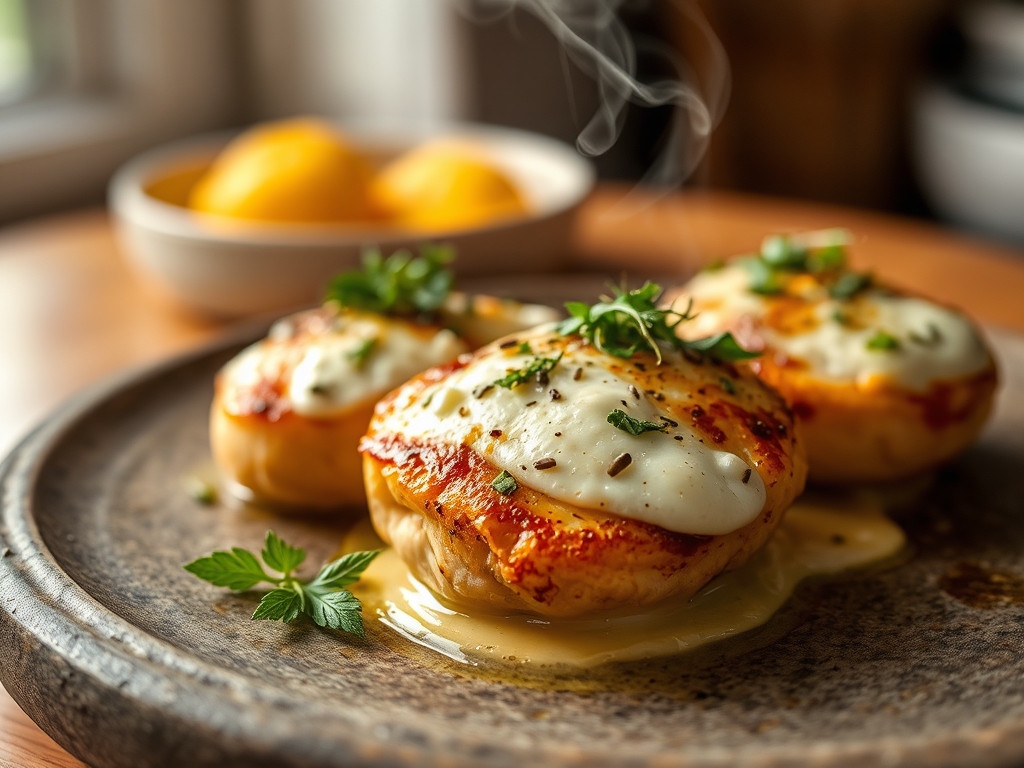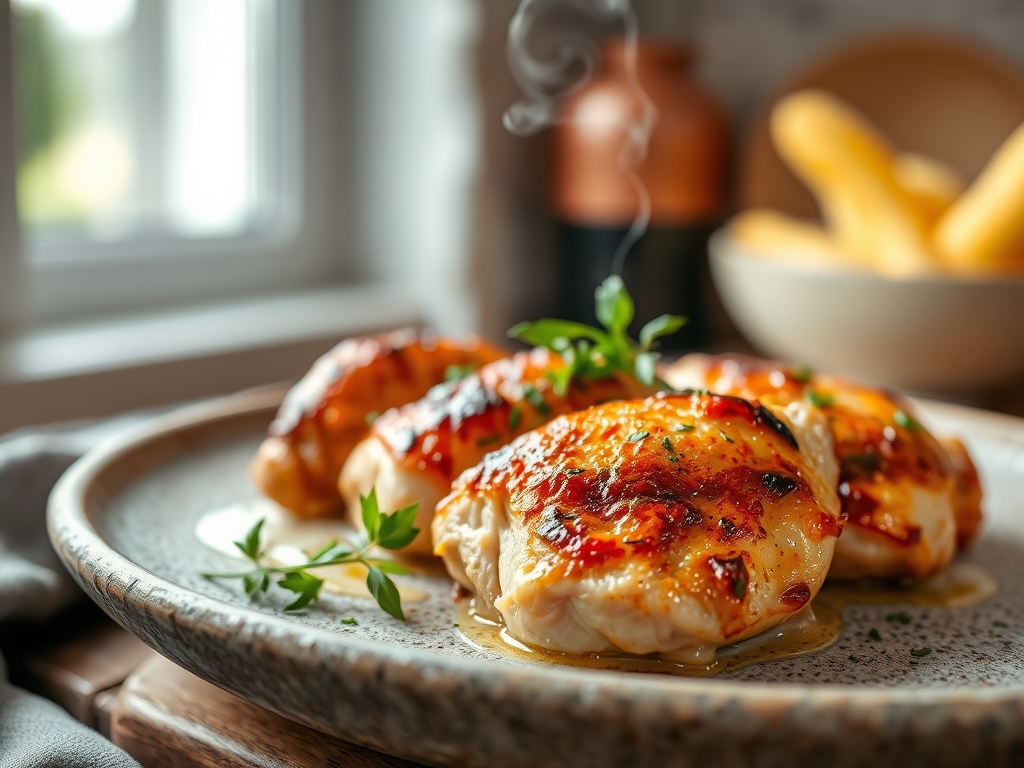
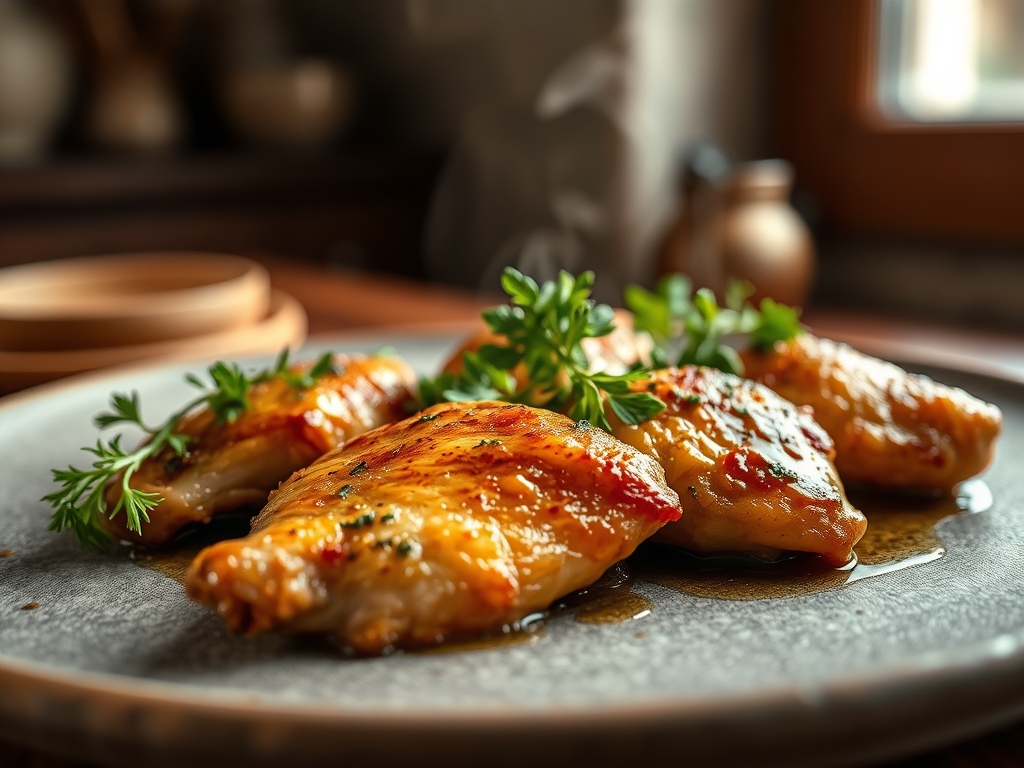
Imagine walking through your front door after a grueling ten hour day and being greeted by the scent of slow roasted garlic and caramelized onions. There is a specific kind of domestic magic that happens inside a ceramic crock; it transforms humble poultry into something extraordinary. When you are searching for delish chicken recipes, you are really looking for a reliable shortcut to a gourmet experience. We are moving past the era of watery stews and bland breasts. Today, we are leveraging molecular gastronomy and thermal physics to ensure every bite is succulent. This guide is your masterclass in slow cooking, designed to turn your kitchen into a high performance lab where flavor is the primary variable. We will explore how to manipulate collagen breakdown and moisture retention to create eight distinct profiles, ranging from a piquant Thai green curry to a deeply savory French coq au vin. Grab your favorite apron and a glass of wine; we are about to redefine what your slow cooker can actually achieve.
The Gathers:
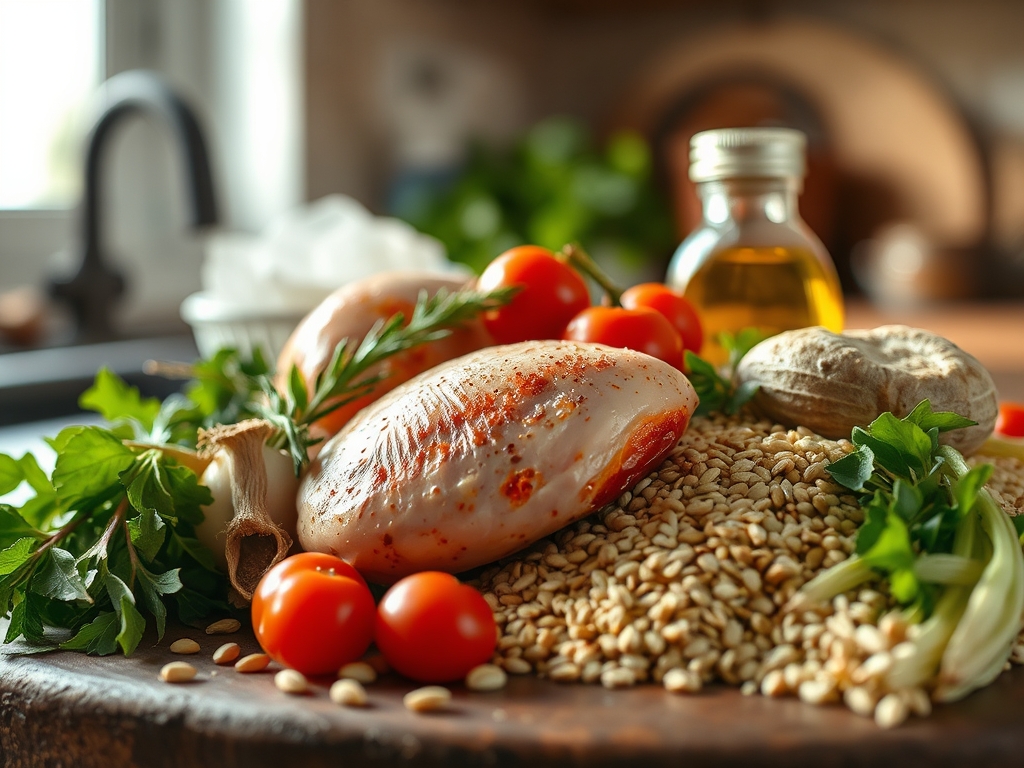
The success of these delish chicken recipes begins with a precise mise en place. You will need high quality proteins; specifically, organic thighs are preferred for their higher fat content and intramuscular connective tissue, which yields a more viscous mouthfeel after several hours of low heat. Use a digital scale to measure your aromatics; precision here prevents one ingredient from overpowering the delicate poultry. Your pantry should include high smoke point oils for the initial sear, such as avocado or grapeseed oil, and a variety of acids like apple cider vinegar or fresh lime juice to brighten the finished profile.
Smart Substitutions:
If you are out of fresh shallots, use the white parts of green onions for a similar sulfurous bite. For those avoiding dairy, full fat coconut milk provides the necessary lipids to emulsify sauces without the need for heavy cream. If you lack a specific dry spice like smoked paprika, a small amount of chipotle in adobo can provide that essential earthy depth. Always keep a high quality chicken bone broth on hand; the gelatin content is superior to standard stock and creates a richer glaze as it reduces.
The Clock
Efficiency in the kitchen is about mastering the Chef's Flow. Prep time for these recipes typically clocks in at twenty minutes, which includes the critical step of searing. While the crockpot is famous for "set it and forget it" convenience, the total duration ranges from four hours on high to eight hours on low. The "Flow" involves prepping your cold ingredients while your heavy-bottomed skillet preheats. This allows you to move seamlessly from the cutting board to the stove, then to the crock, ensuring no heat is wasted. By the time the lid is secured, your kitchen should already be clean, leaving only the anticipation of the final result.
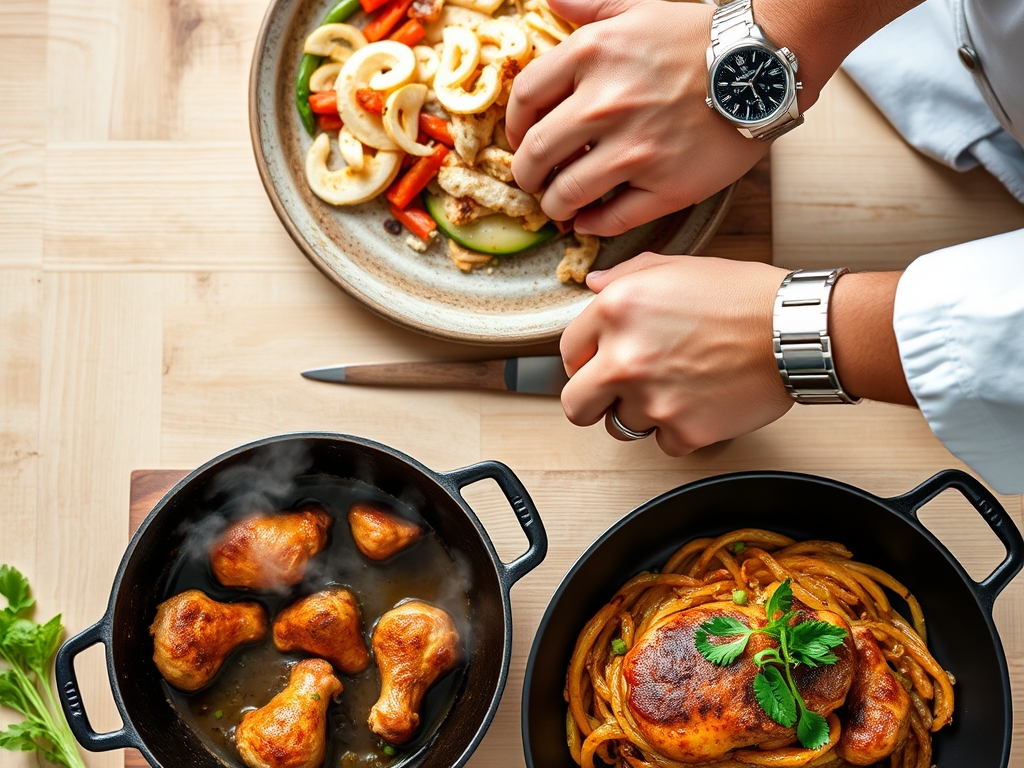
The Masterclass
1. The Maillard Foundation
Before the chicken ever touches the slow cooker, you must deglaze a pan. Use your tongs to sear the salted chicken skin-side down until it achieves a deep golden brown. This is not just for aesthetics; it is the Maillard reaction, where amino acids and reducing sugars create hundreds of different flavor compounds that a slow cooker cannot produce on its own.
Pro Tip: This chemical reaction occurs most efficiently at temperatures between 280 and 330 degrees Fahrenheit. Ensure your chicken is patted dry with paper towels; moisture on the surface will cause the meat to steam rather than sear, robbing you of that savory crust.
2. Layering the Aromatics
Once the meat is removed, toss in your minced garlic and ginger. Use a microplane for the ginger to ensure it integrates fully into the sauce. Sauté these until they are fragrant but not burnt. This process allows the essential oils in the spices to infuse the fat, which will later coat every fiber of the chicken.
Pro Tip: Garlic contains allicin, which is released when the cell walls are ruptured. By sautéing it briefly, you mellow the harsh bite and convert it into a sweet, nutty foundation for your sauce.
3. The Deglaze Maneuver
Pour a splash of dry white wine or stock into the hot skillet and use a bench scraper or wooden spoon to lift the "fond" (the brown bits) from the bottom. This liquid gold is concentrated flavor that will elevate your delish chicken recipes from home cooked to restaurant quality.
Pro Tip: This step is a form of solvent extraction. The alcohol in wine acts as a bridge, pulling out flavor molecules that are not water soluble, ensuring a more complex and well rounded sauce.
4. Thermal Equilibrium
Transfer everything into the crockpot. Arrange the chicken so it is partially submerged but not drowning. The goal is to maintain a consistent internal temperature without boiling the meat, which can lead to a stringy, dry texture.
Pro Tip: Slow cookers work through infrared radiation from the side walls. Placing larger, bone-in pieces toward the edges ensures they cook evenly alongside smaller pieces in the center.
5. The Acid Balance
In the final thirty minutes of cooking, add your bright elements: lemon zest, fresh herbs, or a dash of vinegar. This cuts through the richness of the rendered fats and awakens the palate.
Pro Tip: Heat eventually dulls the brightness of citrus and fresh herbs. Adding them at the end preserves the volatile aromatic compounds that give the dish its "fresh" finish.
6. The Emulsification Finish
If your sauce looks thin, whisk in a slurry of cornstarch or a knob of cold butter. Use a saucier if you prefer to reduce the liquid on the stovetop for a thicker, more viscous coating.
Pro Tip: Butter contains milk solids that act as natural emulsifiers. Whisking it in at the end (a technique called monter au beurre) creates a glossy, velvety sheen that clings to the chicken.
The Deep Dive
From a nutritional standpoint, these delish chicken recipes are powerhouses. A standard serving of slow cooked thigh meat provides roughly 25 grams of protein and is rich in selenium and phosphorus. For those following a Keto lifestyle, the natural fats in the chicken are your best friend; simply skip the cornstarch slurry. For Vegan guests, you can replicate these techniques using king oyster mushrooms or jackfruit, though the cooking time will be significantly reduced to avoid total cellular collapse.
The Fix-It:
- The Sauce is Too Watery: Remove the lid for the last hour to allow for evaporation, or whisk in a tablespoon of tomato paste to add body.
- The Meat is Tough: This usually means the collagen hasn't had enough time to convert to gelatin. Give it another 45 minutes on low.
- The Flavor is Flat: You likely need more salt or acid. A teaspoon of fish sauce or a squeeze of lime can fix almost any seasoning imbalance.
Meal Prep Science:
When reheating, do not use the microwave on high. This causes the protein fibers to tighten and squeeze out moisture. Instead, use a low simmer on the stovetop. The gelatin in the sauce will melt back into a liquid state, re-hydrating the chicken and maintaining that "day-one" tenderness.
The Wrap-Up
Mastering delish chicken recipes is about understanding the intersection of time and temperature. You have the tools, the science, and the techniques to turn a simple bird into a culinary masterpiece. Whether you are hosting a dinner party or just trying to survive a Tuesday, remember that the best food comes from patience and a little bit of chemistry. Now, go forth and conquer your kitchen; your slow cooker is waiting to prove its worth.
The Kitchen Table
How do I prevent chicken from getting dry in the crockpot?
Use bone-in, skin-on thighs rather than breasts. The higher fat and collagen content provides a natural buffer against heat, ensuring the meat stays succulent even after eight hours of cooking.
Can I put frozen chicken directly into the slow cooker?
It is not recommended for food safety. Frozen meat takes too long to reach the "safe zone" of 140 degrees Fahrenheit, allowing bacteria to multiply. Always thaw your poultry in the refrigerator overnight first.
What is the best way to thicken the sauce?
Whisk one tablespoon of cornstarch with two tablespoons of cold water to create a slurry. Stir this into the bubbling liquid during the last thirty minutes of cooking for a glossy, thick finish.
Why should I sear the chicken before slow cooking?
Searing triggers the Maillard reaction, creating complex flavor compounds and a rich color that the slow cooker cannot achieve alone. It adds a professional, savory depth to the final dish.
How long does slow cooked chicken last in the fridge?
Stored in an airtight container with its juices, the chicken will remain fresh and flavorful for three to four days. The gelatinous sauce helps preserve moisture during storage.