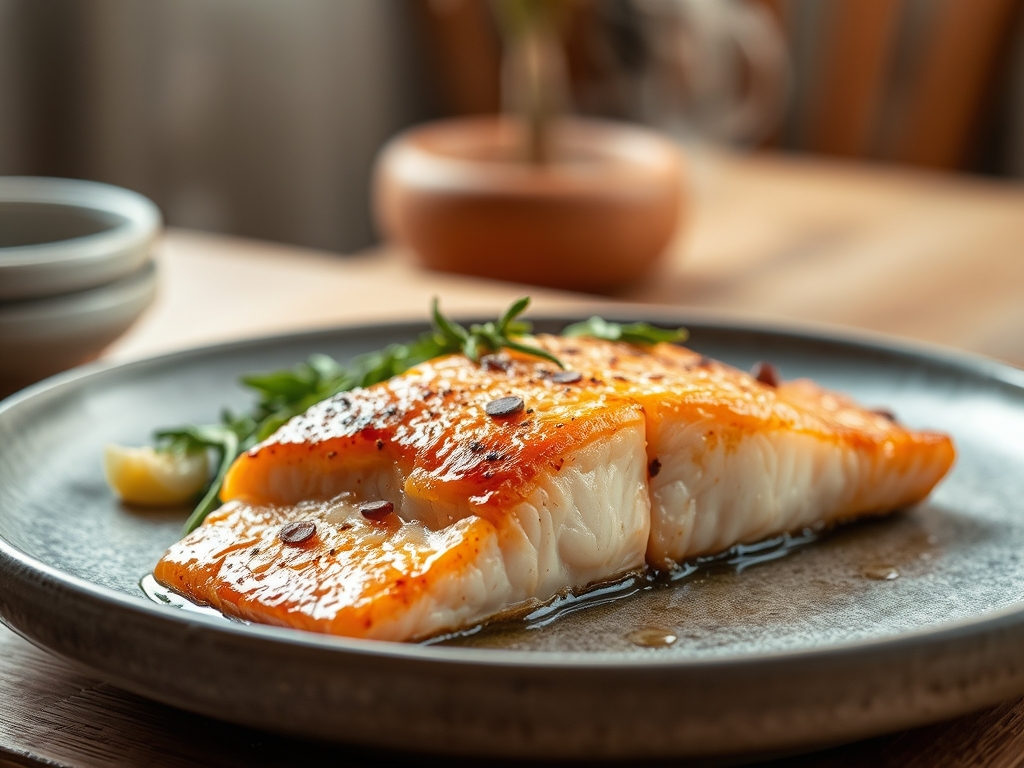
Imagine the scent of toasted citrus zest and bubbling brown butter wafting through your kitchen as a vibrant fillet of Atlantic salmon transforms into a buttery masterpiece. When you dive into the world of baked skinless salmon recipes, you are trading the crunch of skin for a uniform, melt-in-your-mouth texture that absorbs every drop of flavor. This is not just a Tuesday night meal; it is a masterclass in moisture retention and delicate heat management. Because skinless fillets lack that protective dermal barrier, they require a more thoughtful approach to prevent the proteins from tightening and weeping white albumin. We are aiming for a translucent center and a piquant crust that shatters under the fork. To achieve this, we will leverage the principles of conductive heat and lipid emulsification. By the end of this guide, you will understand exactly why your previous attempts might have felt dry and how to ensure every future bite is a luscious, chef-quality experience that rivals any high-end bistro.
The Gathers:
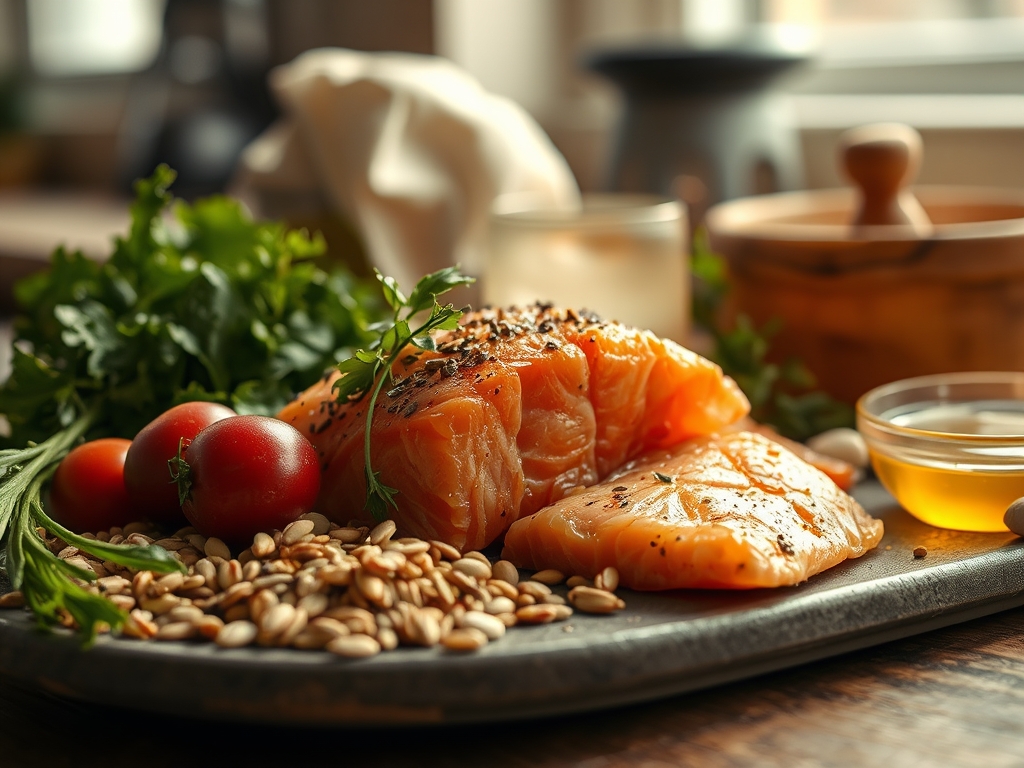
Your mise-en-place is the foundation of culinary success. For these baked skinless salmon recipes, we prioritize high-fat content fillets, such as King or Ora King, which provide a more viscous mouthfeel. You will need a heavy-bottomed baking sheet to ensure even heat distribution. Gather your aromatics: fresh dill, flat-leaf parsley, and garlic cloves that have been smashed to release their essential oils. Use a microplane to create a fine zest from organic lemons; the pith is bitter, so we only want the volatile oils found in the yellow epidermis. For the fat component, choose a high-quality European-style butter with a high butterfat percentage or a cold-pressed avocado oil for its high smoke point.
Smart Substitutions:
If you are looking to pivot, swap the butter for a miso-tahini paste to add an earthy umami depth. Instead of lemon, try a splash of verjus or a dry white wine like Sauvignon Blanc to provide the necessary acidity without the aggressive citrus punch. If you lack fresh herbs, a pinch of dried tarragon or chervil can infuse the oil with a sophisticated, licorice-like aroma that complements the natural sweetness of the fish.
The Clock
The "Chef's Flow" is all about maximizing efficiency while the oven preheats. Total preparation time is a brisk 10 minutes, while the active cooking time ranges from 12 to 15 minutes depending on the thickness of your fillets.
Prep Time: 10 Minutes. This includes patting the fish dry with lint-free towels to ensure the seasonings adhere and do not slide off in a watery mess.
Cook Time: 12-15 Minutes. We are targeting an internal temperature of 125 degrees Fahrenheit for a medium-rare finish.
Rest Time: 5 Minutes. This is non-negotiable. Resting allows the muscle fibers to relax and reabsorb the juices that were pushed to the surface during the baking process.
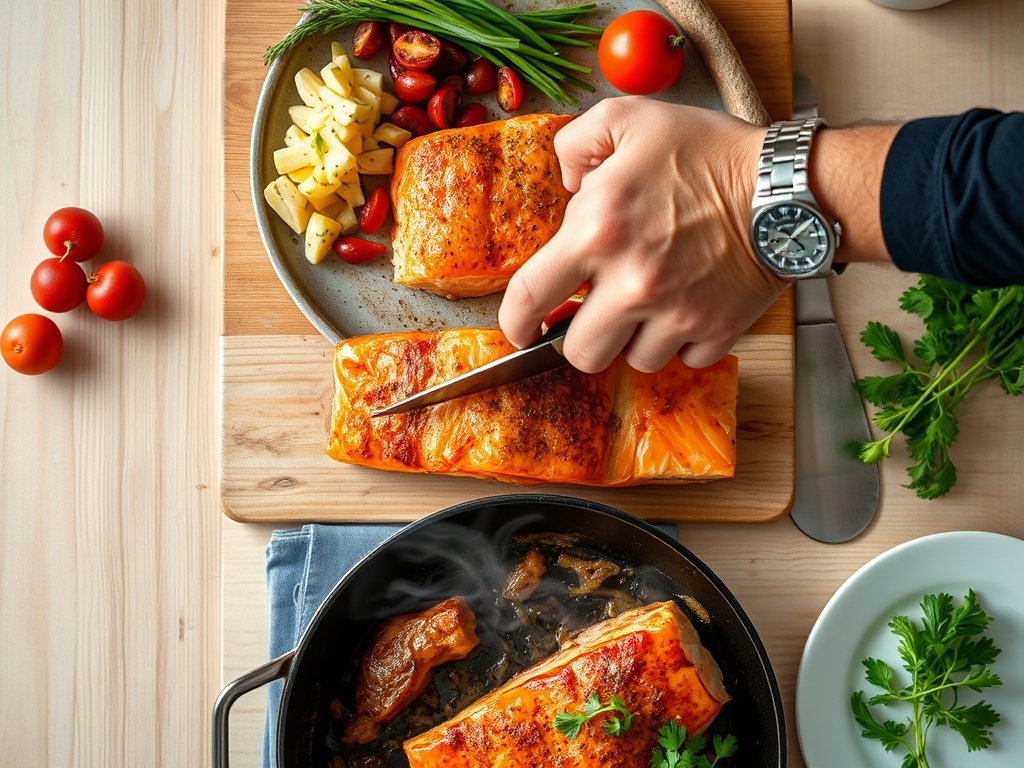
The Masterclass
1. Tempering the Protein
Before the fish even touches the pan, let it sit at room temperature for 15 minutes. Use a digital scale to ensure your fillets are of equal weight for uniform cooking.
Pro Tip: This reduces the thermal shock when the fish enters the oven. If the protein is too cold, the exterior will overcook and become fibrous before the center reaches the safe zone.
2. The Moisture Barrier
Coat the skinless fillet thoroughly in a thin layer of oil or melted butter. This acts as a synthetic skin, protecting the delicate flesh from the harsh, dry air of the oven.
Pro Tip: This technique utilizes lipid-based insulation to prevent the evaporation of internal moisture, keeping the flakes succulent and tender.
3. Seasoning for Osmosis
Apply kosher salt from a height of at least ten inches to ensure even coverage. Avoid table salt; the iodine can impart a metallic tang.
Pro Tip: Salt triggers denaturation, where the protein strands begin to uncoil and trap water molecules, resulting in a much juicier finished product.
4. Aromatics and Infusion
Place your smashed garlic and herbs directly on top of or tucked under the fillets. Use a saucier to lightly warm your oil with these aromatics before drizzling it over the fish.
Pro Tip: This is known as fat-soluble flavor extraction. Many aromatic compounds in herbs only release their full potential when dissolved in a lipid medium.
5. The Low and Slow Approach
Set your oven to 325 degrees Fahrenheit rather than a standard 400. This gentle heat prevents the aggressive contraction of the muscle fibers.
Pro Tip: Lower temperatures minimize the appearance of albumin, that white protein that leaks out when salmon is cooked too quickly and the cells "squeeze" out their moisture.
6. The Glaze Application
Halfway through the cook, use a silicone pastry brush to apply a layer of honey, Dijon, or soy-based glaze.
Pro Tip: This creates a Maillard reaction on the surface. Even without skin, the sugars in the glaze will undergo enzymatic browning to provide a complex, savory crust.
7. Monitoring Internal Temps
Use a probe thermometer to check the thickest part of the fillet. Remove the fish when it hits 122 degrees Fahrenheit.
Pro Tip: This accounts for thermal carryover. The internal temperature will continue to rise by 3 to 5 degrees after the fish is removed from the oven.
8. The Acid Finish
Immediately upon removal, hit the fillets with a fresh squeeze of lemon or a dash of champagne vinegar.
Pro Tip: The acid cuts through the heavy fats and brightens the flavor profile, balancing the richness of the omega-3 fatty acids.
9. Resting on a Warm Plate
Transfer the fillets to a pre-warmed platter using a fish spatula to avoid breaking the delicate flakes.
Pro Tip: Placing hot fish on a cold plate causes the fats to congeal instantly, which ruins the silky texture we worked so hard to achieve.
10. The Final Garnish
Finish with a sprinkle of flaky sea salt and fresh micro-greens for a pop of color and a textural contrast.
Pro Tip: The large surface area of flaky salt provides a burst of salinity that highlights the natural sweetness of the salmon without over-salting the entire dish.
The Deep Dive
Macro Nutrition:
Salmon is a nutritional powerhouse. A standard 6-ounce fillet provides roughly 34 grams of high-quality protein and 22 grams of healthy fats, primarily Omega-3s. It is naturally low in carbohydrates, making it a staple for metabolic health.
Dietary Swaps:
For a Keto version, double down on the herb-infused butter and avoid honey-based glazes. For a Vegan alternative, this same baking technique works beautifully with thick slabs of "Tofu Salmon" marinated in beet juice and liquid smoke. This recipe is naturally Gluten-Free, provided you use tamari instead of standard soy sauce.
The Fix-It:
- The Fish is Dry: You likely missed the carryover window. Next time, pull it 5 degrees earlier and tent it loosely with foil.
- The White Gunk (Albumin): Your oven was too hot. Lower the temperature and try a "water bath" (baking pan with water on the bottom rack) to increase humidity.
- The Bottom is Soggy: Use a wire cooling rack set inside your baking sheet to allow hot air to circulate under the fillet.
Meal Prep & Reheating:
To maintain "day-one" quality, do not use a microwave. Instead, place the leftover salmon in a shallow dish with a tablespoon of water, cover tightly with foil, and warm in a 275-degree oven for 8 minutes. This steams the protein, preventing it from becoming rubbery.
The Wrap-Up
Mastering baked skinless salmon recipes is about embracing the science of heat and the art of flavor layering. By ditching the skin, you have opened up a canvas for incredible glazes and infusions that penetrate deep into the fish. Remember to respect the carryover heat, choose your fats wisely, and always use a thermometer. You are now equipped to turn a simple fillet into a sophisticated culinary event. Go forth and cook with confidence; your kitchen is your laboratory, and the results are going to be delicious!
The Kitchen Table
How do I stop salmon from sticking without skin?
Always grease your parchment paper or baking rack thoroughly with a high-smoke-point oil. Alternatively, lay the fish on a bed of sliced lemons or oranges. This creates a natural, non-stick citrus barrier that also infuses the meat with bright acidity.
Why is my salmon white and gooey on top?
That white substance is albumin, a harmless protein that extrudes when the fish is cooked too fast or at too high a temperature. To prevent this, lower your oven heat to 325 degrees Fahrenheit and avoid overcooking the fillet.
Is skinless salmon better for meal prep?
Yes, skinless salmon is often preferred for meal prep because salmon skin can become rubbery and lose its appeal when reheated. Skinless fillets maintain a more consistent, tender texture that integrates better into salads, grain bowls, or pastas the next day.
How can I tell if salmon is done without a thermometer?
Gently press the top of the fillet with a fork or your finger. If the flakes begin to separate easily along the white fat lines (the lamellae), it is ready. The center should still look slightly translucent rather than opaque and dry.