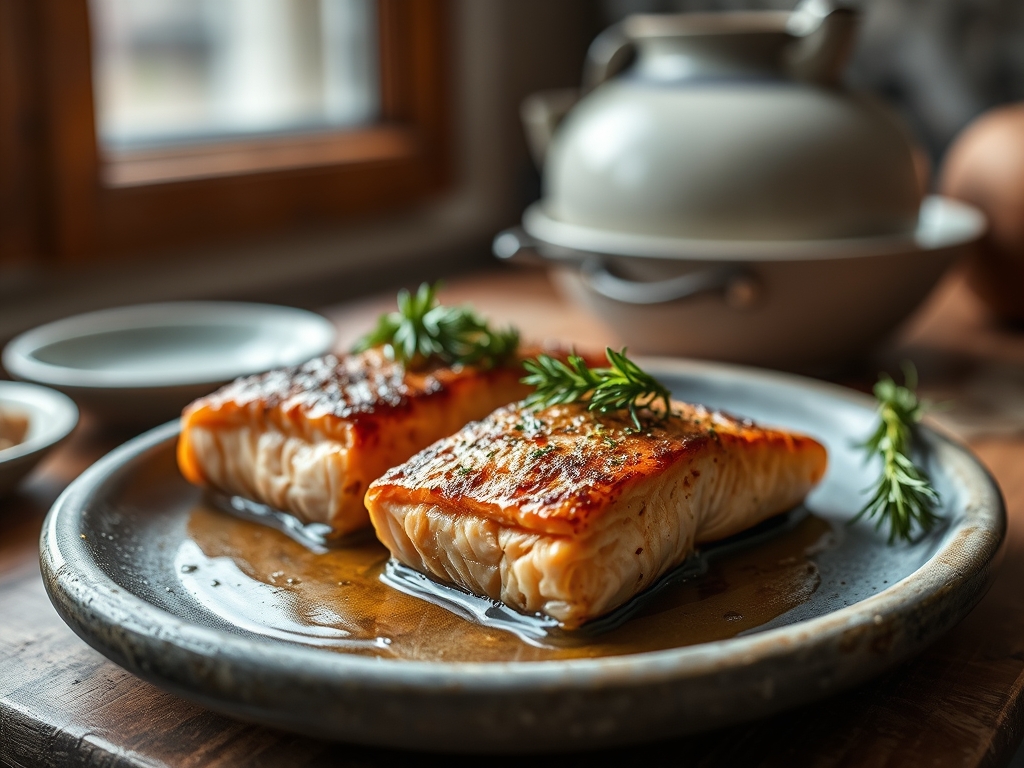
Imagine the scent of citrus-infused steam hitting a cold kitchen tile; it is the olfactory equivalent of a warm hug. When you dive into the world of baked alaskan salmon recipes, you are not just cooking a piece of fish; you are managing a delicate structural transformation of proteins. We are aiming for that iridescent, buttery flake that separates under the slightest pressure from a fork. This is where high-grade Alaskan Sockeye or King salmon meets the precision of a professional kitchen. Forget the dry, chalky fillets of your past. We are going to harness thermal physics and lipid emulsification to create a dish that feels like a five-star gala but tastes like home. By understanding the cellular structure of cold-water fish, we can manipulate the oven environment to preserve moisture while achieving a piquant, aromatic crust. This guide is your backstage pass to mastering the art of the bake; ensuring every bite is a masterclass in texture and flavor. Let us get those aprons on and talk about the science of the sear.
The Gathers:
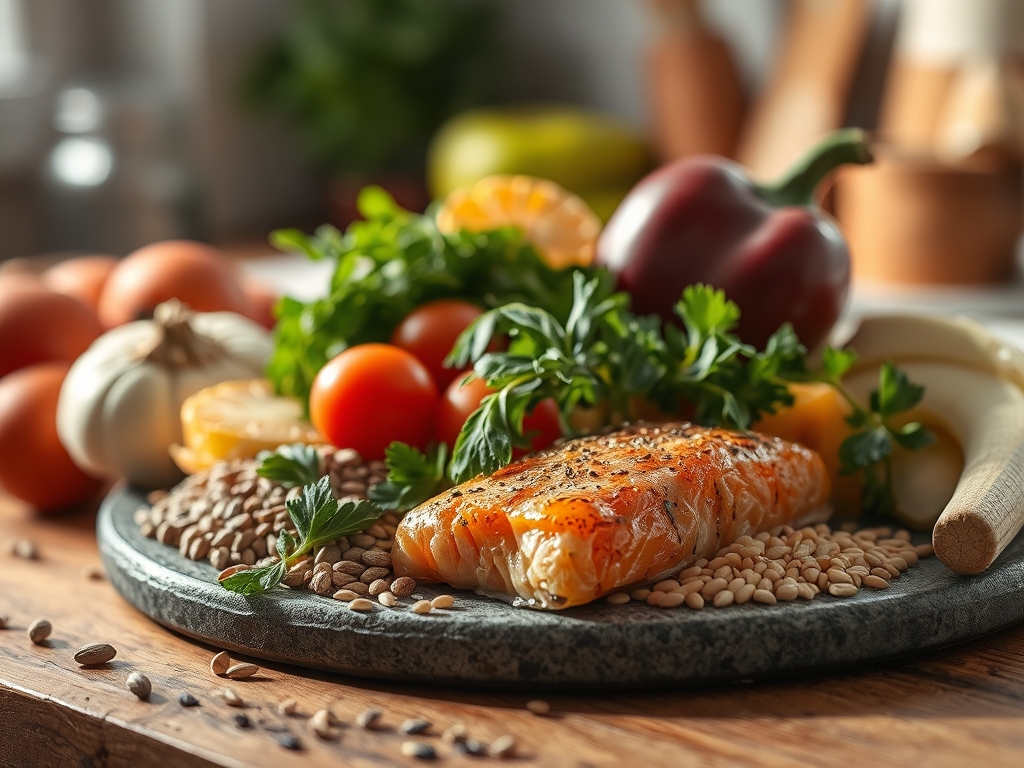
To execute this properly, your mise-en-place must be exact. We are working with eight center-cut Alaskan salmon fillets, preferably skin-on to act as a thermal buffer. You will need a microplane to zest two organic lemons; this tool ensures you only capture the oil-rich flavedo without the bitter white pith. For the fat component, we use high-quality unsalted butter or a viscous extra virgin olive oil to create a barrier against moisture loss.
Gather your aromatics: four cloves of garlic crushed into a paste, a handful of fresh dill, and a teaspoon of smoked paprika for color. Use a digital scale to measure out your kosher salt; precision here prevents the osmotic pressure from drawing out too much moisture before the fish hits the heat.
Smart Substitutions:
If you are looking for a dairy-free alternative, replace the butter with a high-smoke-point avocado oil or a rich coconut aminos reduction. For those who crave a bit of heat, swap the paprika for a pinch of cayenne or a dollop of fermented chili paste. If fresh dill is unavailable, use tarragon; its anise-like profile pairs beautifully with the fatty acids in the salmon.
The Clock
Efficiency in the kitchen is all about the Chef's Flow. Total preparation time is approximately 15 minutes, while the active cooking time ranges from 12 to 18 minutes depending on the thickness of your fillets.
The flow begins with the "Tempering Phase." Take your salmon out of the refrigerator 20 minutes before cooking. This allows the internal temperature to rise slightly, ensuring the center reaches the target doneness at the same time the exterior finishes. While the fish tempers, preheat your oven to 375 degrees Fahrenheit. This specific window of time is when you prepare your herb butter and line your heavy-bottomed sheet pan. Total time from fridge to table is under 40 minutes; making this one of the most efficient baked alaskan salmon recipes for a professional-grade dinner.
The Masterclass
1. Surface Preparation and Desiccating the Skin
Use a paper towel to pat each fillet bone-dry. Moisture is the enemy of the Maillard reaction. If the surface is damp, the fish will steam rather than roast. Use a bench scraper to move the fillets onto a parchment-lined tray.
Pro Tip: This process is called surface desiccation. By removing surface water, you allow the heat to immediately begin interacting with the proteins and fats; creating a more savory crust through enzymatic browning.
2. Infusing the Lipid Barrier
In a small saucier, melt your butter over low heat and whisk in the garlic, lemon zest, and herbs. Do not let the garlic brown; you only want to infuse the fat with the essential oils from the aromatics. Use a pastry brush to coat the top of each fillet generously.
Pro Tip: Fat is a flavor carrier. By emulsifying the herbs into the butter first, you ensure that the fat-soluble flavor compounds are evenly distributed across the muscle fibers of the fish.
3. The Controlled Thermal Application
Slide your tray into the center rack of the oven. If you have a convection setting, use it to aerate the hot air around the fish for even cooking. Bake until the internal temperature reaches 130 degrees Fahrenheit for a medium-rare finish.
Pro Tip: Always account for thermal carryover. The internal temperature will continue to rise by 3 to 5 degrees after you remove the fish from the oven. Pulling the fish early prevents the proteins from tightening and squeezing out the moisture.
4. The Acidic Brightening and Rest
Once removed, squeeze fresh lemon juice over the hot fillets. Use tongs to carefully transfer them to a warm serving platter. Let the salmon rest for at least five minutes before serving.
Pro Tip: Resting allows the cell walls to reabsorb the juices. If you cut into the fish immediately, the viscous fats will leak out onto the plate rather than staying within the flake.
The Deep Dive
Macro Nutrition:
A standard 6-ounce serving of Alaskan salmon provides approximately 34 grams of high-quality protein and 18 grams of healthy fats; specifically Omega-3 fatty acids. It is a nutrient-dense powerhouse with zero carbohydrates, making it a staple for metabolic health.
Dietary Swaps:
- Vegan: For the "salmon" experience, use thick-cut cauliflower steaks or marinated tofu, though the cooking times will increase to 25 minutes.
- Keto: This recipe is naturally keto-compliant. Increase the butter ratio for higher fat macros.
- Gluten-Free: Ensure your spices are certified GF; the core recipe is inherently free of wheat proteins.
The Fix-It:
- Albumin Bleed: If you see white goo on the salmon, you have overcooked it. The proteins have contracted too tightly. Fix: Lower your oven temp next time and use a thermometer.
- Soggy Skin: The tray was not hot enough or the skin was damp. Fix: Start the salmon skin-side down in a heavy-bottomed skillet for 2 minutes before moving to the oven.
- Uneven Cooking: Fillets vary in thickness. Fix: Fold the thin tail sections under themselves to create a uniform thickness across the tray.
Meal Prep & Reheating:
To maintain "day-one" quality, reheat salmon in a 275-degree oven with a splash of water and a foil cover. This creates a gentle steam environment that prevents the fats from turning rancid or the texture from becoming rubbery. Avoid the microwave at all costs; it vibrates water molecules too violently, destroying the delicate protein bonds.
The Wrap-Up
Mastering baked alaskan salmon recipes is about respecting the ingredient. By using professional tools like the microplane and digital scale, and understanding the science of thermal carryover, you elevate a simple dinner into a culinary event. Remember; the goal is a tender, translucent center and a vibrant, aromatic exterior. You have the knowledge, the tools, and the technique. Now, go turn that kitchen into a sanctuary of flavor!
The Kitchen Table
How do I know when the salmon is done?
Use a digital thermometer to check the thickest part of the fillet. Aim for 130-135 degrees Fahrenheit. The fish should be opaque on the outside and slightly translucent in the center, flaking easily with a fork.
Can I bake salmon from frozen?
Yes, but for professional results, thaw it first. Baking from frozen often leads to uneven cooking where the exterior becomes tough before the interior defrosts. If you must, add 10 minutes to the cook time and use a lower temperature.
Why is wild Alaskan salmon better than farmed?
Wild Alaskan salmon has a more complex flavor profile and higher mineral content due to its natural diet. It also typically contains fewer contaminants and has a firmer texture because the fish swim long distances in cold water.
What is the best way to store leftovers?
Place leftovers in an airtight glass container and refrigerate for up to three days. To preserve the moisture, keep the skin on during storage and only remove it right before reheating or serving cold on a salad.