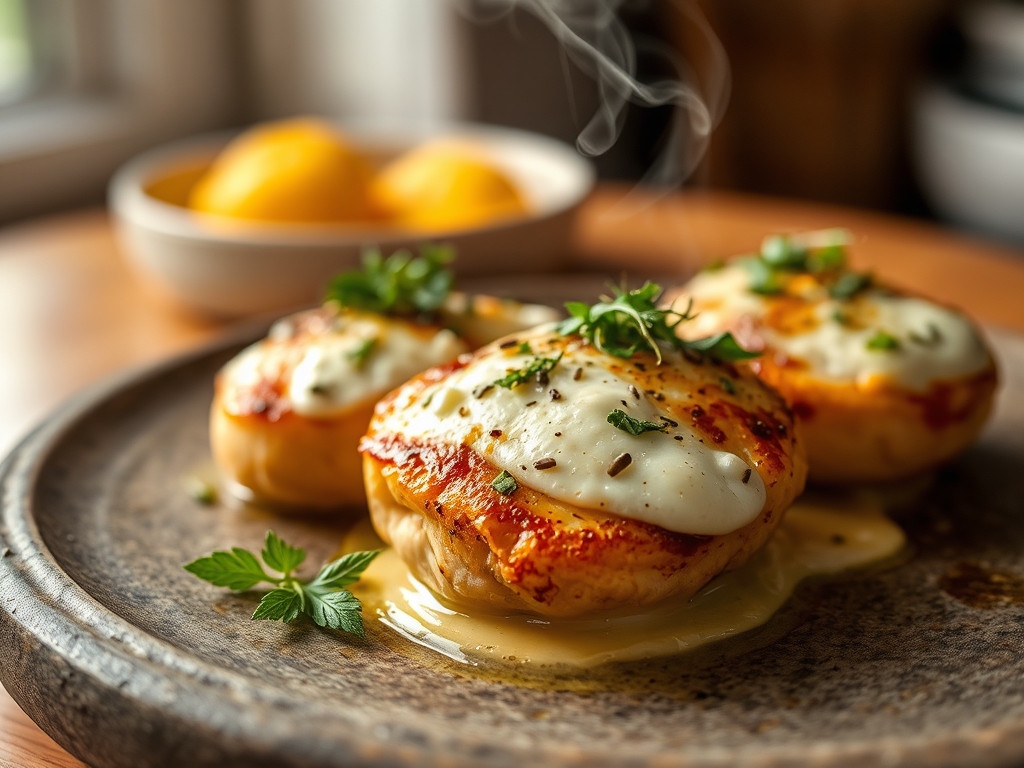
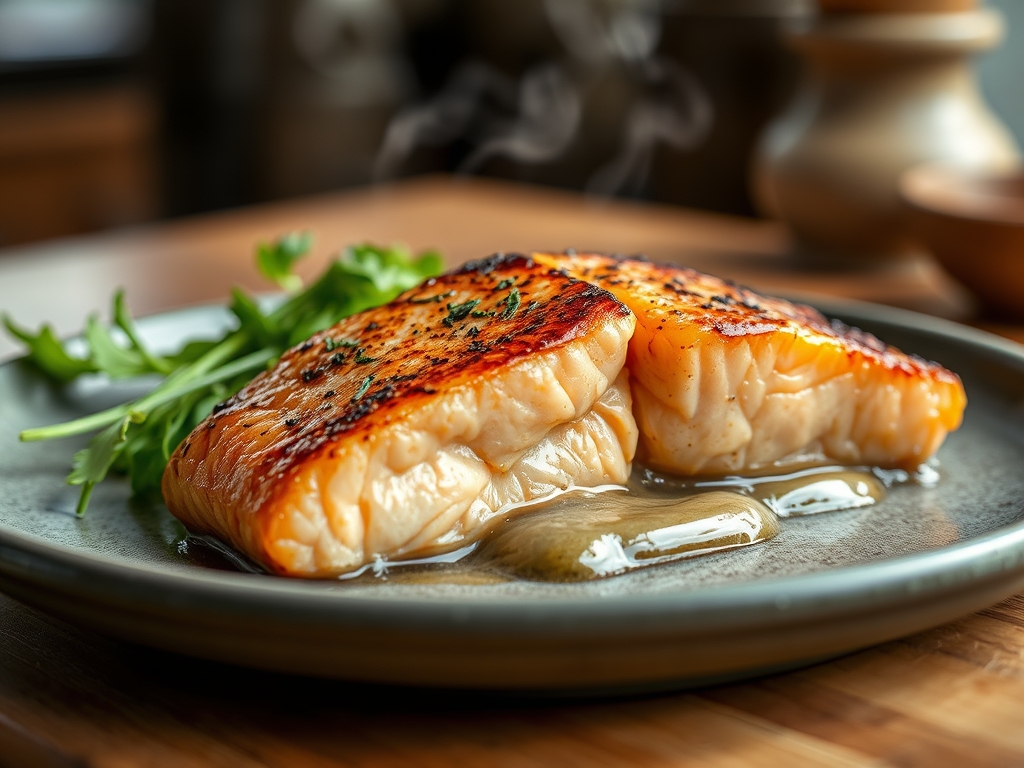
Picture this: a heavy-bottomed skillet sizzling on the stovetop while the aroma of toasted butter and sea salt fills your kitchen. We are talking about the ultimate comfort food that feels like a five-star indulgence but lives right in your pantry. Mastering double q salmon recipes is about more than just opening a can; it is an exercise in culinary alchemy that transforms humble, shelf-stable protein into a masterpiece of texture and flavor. Whether you are craving a crispy pan-seared patty or a silky, herbaceous spread, the secret lies in how you manipulate the delicate proteins.
The beauty of working with Double Q brand salmon is the consistency of the pink salmon flakes. It is lean, packed with Omega-3 fatty acids, and ready to be elevated through proper technique. Today, I am pulling back the curtain on the professional secrets that separate a soggy salmon cake from a gold-standard, restaurant-quality meal. We are going to dive deep into the molecular magic of binding agents and the physics of the perfect crust. Grab your apron; your kitchen is about to become the hottest bistro in town.
The Gathers:
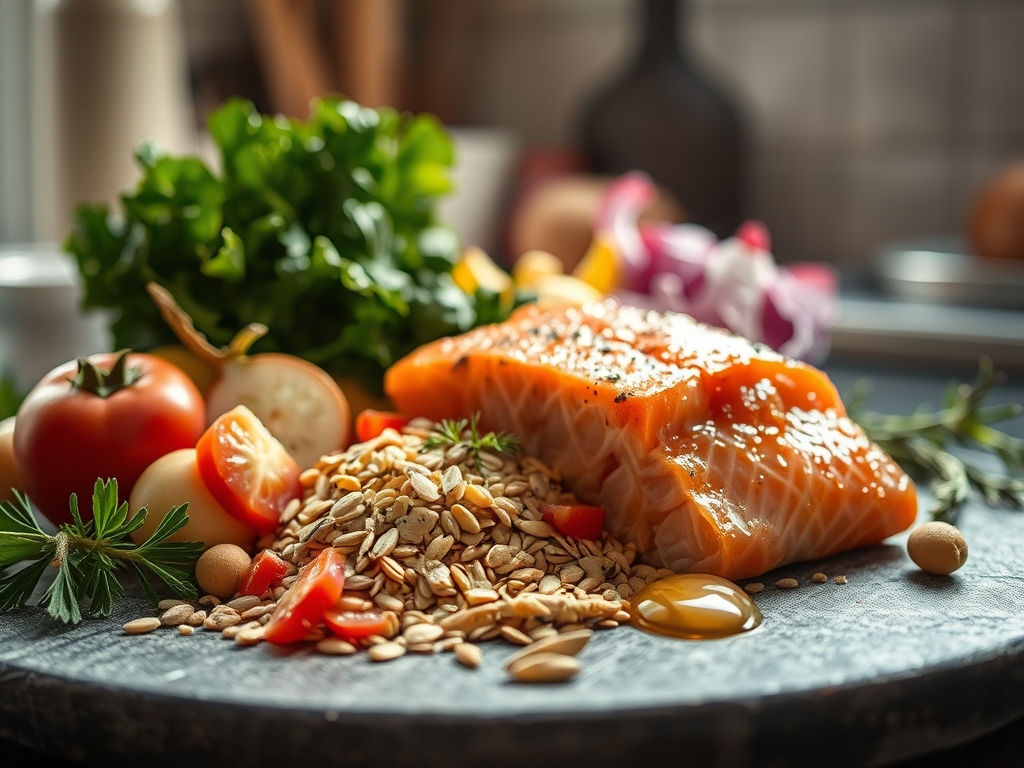
To execute these double q salmon recipes with precision, your mise-en-place must be impeccable. Start with two 14.75-ounce cans of Double Q Pink Salmon. You will need a fine-mesh sieve to drain the liquid, but do not discard it entirely; that viscous nectar is packed with collagen and flavor. For the aromatics, gather a bunch of scallions, fresh dill, and a bulb of garlic. You will need a high-quality Dijon mustard to act as a surfactant, helping to bridge the gap between the fats and the aqueous ingredients.
For the structural integrity of your patties, use Panko breadcrumbs or crushed saltine crackers. If you are looking for Smart Substitutions, almond flour works beautifully for a gluten-free or keto-friendly binder. To add a piquant brightness, have a fresh lemon ready for zesting with your microplane. A splash of Worcestershire sauce adds that essential umami depth. Finally, ensure you have a neutral oil with a high smoke point, such as grapeseed or avocado oil, to achieve that signature golden-brown finish without scorching the delicate fish oils.
The Clock
Efficiency in the kitchen is all about the Chef's Flow. Total prep time for these recipes is approximately 15 minutes, with a cook time of 10 to 12 minutes per batch. However, the secret "hidden" time is the 30-minute chill session in the refrigerator. This allows the starches in your binder to hydrate, ensuring the patties do not fall apart when they hit the hot oil.
The flow is simple: drain and flake while your aromatics are being finely minced. Mix the base, form the rounds using a digital scale for 4-ounce portions, and chill. While the salmon rests, you can whisk together a quick remoulade in a small saucier. This cadence ensures that by the time your skillet is preheated, you are ready for a seamless, stress-free sear.
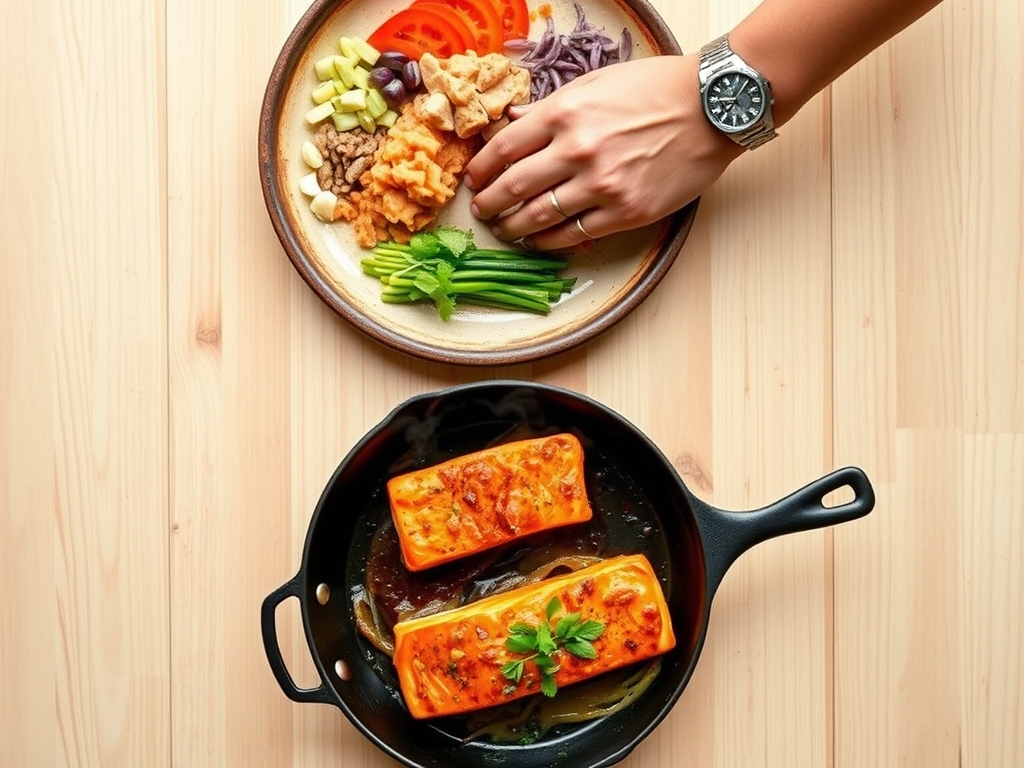
The Masterclass
1. The Gentle Flake
Open the cans and drain the salmon thoroughly using a sieve. Transfer the fish to a wide mixing bowl and use a fork or a bench scraper to break the salmon into uniform flakes. Do not overwork the meat; you want to maintain the natural muscle fibers for a superior mouthfeel.
Pro Tip: Maintaining larger flakes prevents the mixture from becoming a paste. This preserves the interstitial spaces within the patty, allowing heat to distribute evenly during the cooking process.
2. The Aromatic Infusion
Finely mince your celery, onions, and bell peppers. Sauté them in a small pan with a teaspoon of butter until they are translucent but still retain a slight snap. Fold these into the salmon along with your fresh herbs and lemon zest.
Pro Tip: Sautéing aromatics before adding them to the salmon initiates the Maillard reaction, creating complex flavor compounds that raw vegetables simply cannot provide in a short frying window.
3. The Binding Science
Whisk two eggs with the Dijon mustard and a tablespoon of mayonnaise until the mixture is aerated and pale. Pour this over the salmon and sprinkle in your breadcrumbs. Gently fold the mixture until it just holds together when squeezed.
Pro Tip: The eggs and mustard create an emulsion that coats the fish. This protein-rich coating coagulates upon heating, acting as a "glue" that stabilizes the patty structure.
4. Precision Portioning
Use a digital scale to weigh out 115-gram portions. Gently shape them into discs about one inch thick. Place them on a parchment-lined baking sheet and refrigerate for at least 30 minutes.
Pro Tip: Chilling the patties allows the proteins to "set" and the fats to solidify. This prevents thermal shock from causing the patty to disintegrate when it contacts the hot skillet.
5. The Perfect Sear
Heat a heavy-bottomed skillet over medium-high heat. Add enough oil to coat the bottom. Once the oil shimmers, use tongs to carefully place the patties in the pan. Sear for 4 minutes on the first side without moving them.
Pro Tip: Resisting the urge to move the patty allows for a continuous crust to form. This is the result of enzymatic browning, which creates a crisp barrier that seals moisture inside.
6. The Deglaze and Finish
After flipping the patties, add a small knob of butter and a squeeze of lemon juice to the pan. Use a spoon to baste the salmon with the foaming butter. This adds a final layer of richness and a nutty aroma.
Pro Tip: Basting with butter utilizes convection heating to cook the sides of the patty while the lemon juice provides acidity to balance the rendered fats.
The Deep Dive
Nutritionally, double q salmon recipes are a powerhouse. A single serving provides roughly 20 grams of high-quality protein and a significant dose of Vitamin D and Calcium. Because the bones in canned salmon are softened during the canning process, they are completely edible and provide an excellent source of organic minerals.
For those with dietary restrictions, the Vegan swap involves using mashed chickpeas and a flax-egg binder. Keto enthusiasts should swap breadcrumbs for crushed pork rinds or parmesan cheese. If you encounter the "Soggy Center" pitfall, it is likely due to excess moisture; ensure you squeeze your canned salmon dry before mixing. If the patty is "Crumbly," add an extra teaspoon of mayonnaise to increase the viscosity of your binder. For "Burnt Crust," lower your heat and use an oil with a higher smoke point.
To meal prep these, store cooked patties in an airtight container for up to three days. To reheat while maintaining "day-one" quality, avoid the microwave. Instead, use a toaster oven or an air fryer at 350 degrees Fahrenheit. This dry heat re-crisps the exterior without overcooking the delicate interior proteins.
The Wrap-Up
There you have it: the definitive guide to elevating double q salmon recipes from pantry staples to culinary art. By understanding the science of binding, the importance of temperature control, and the magic of the Maillard reaction, you have unlocked a versatile tool in your cooking repertoire. These patties are crispy, flaky, and bursting with bright, zesty flavors. Go ahead and show off your new skills; your dinner guests will never believe this started with a simple can of salmon.
The Kitchen Table
Can I use fresh salmon instead of Double Q canned salmon?
Yes, but you must poach or roast the fresh salmon first. Canned salmon is pre-cooked, providing a specific flaky texture and moisture content that is essential for the structural integrity of traditional salmon patty recipes.
Why do my salmon patties fall apart in the pan?
This usually happens if the mixture is too wet or if the patties weren't chilled. Ensure you drain the salmon thoroughly and allow the formed patties to rest in the fridge for 30 minutes to set the binders.
What is the best oil for frying salmon cakes?
Use a neutral oil with a high smoke point, such as avocado, grapeseed, or canola oil. These oils allow you to achieve a deep golden-brown sear without the oil breaking down and creating bitter off-flavors.
How long can I store leftover salmon patties?
Cooked salmon patties stay fresh in the refrigerator for up to three days. For the best texture, reheat them in an oven or air fryer rather than a microwave to maintain their signature crispy exterior.