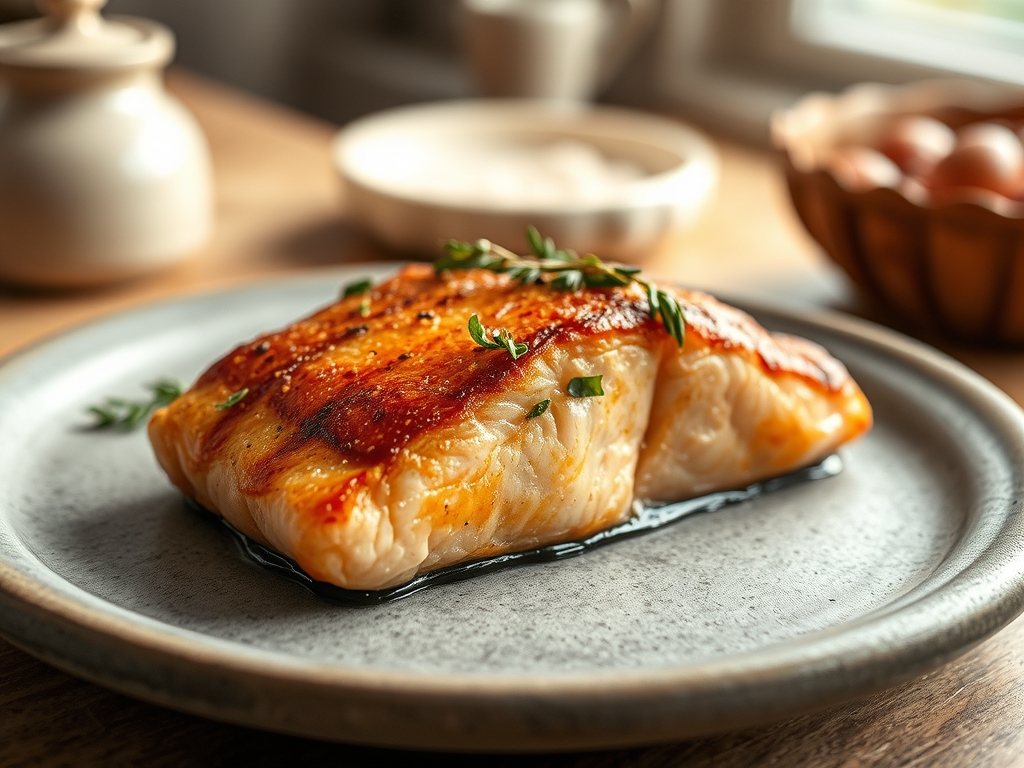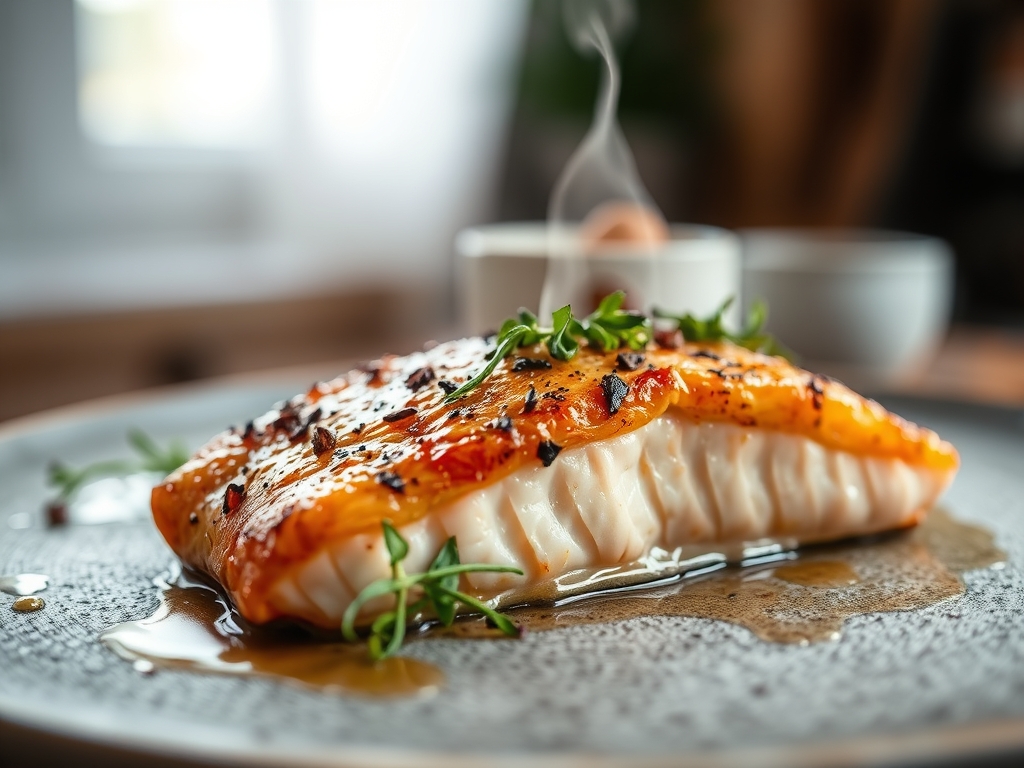
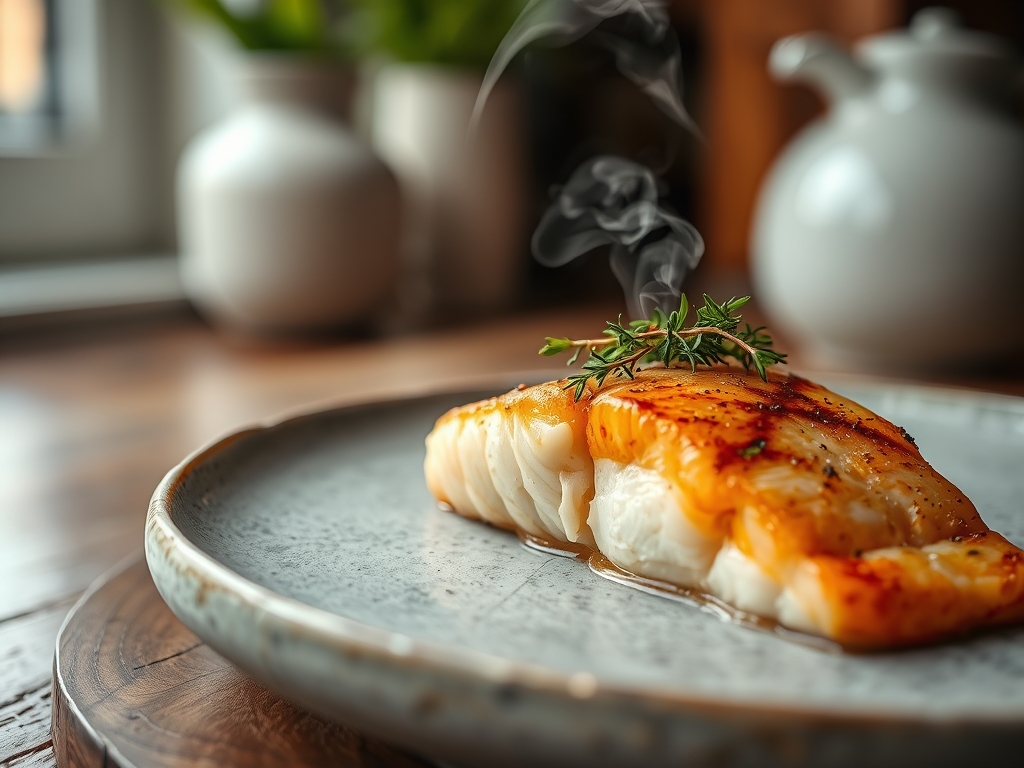
Imagine the scent of toasted butter and bright citrus wafting through your kitchen; it is a far cry from the pungent, metallic aroma that usually scares people away from the seafood counter. If you have ever hesitated to cook seafood because of that lingering scent, these non fishy salmon recipes are about to change your culinary trajectory. The secret lies in the chemistry of the fish itself. That "fishy" smell is actually trimethylamine, a compound that develops as the fish ages. By using specific molecular barriers and high-heat techniques, we can neutralize these odors before they ever reach your nose. We are going to transform a humble fillet into a buttery, savory masterpiece that even the most skeptical eaters will adore. This is not just about masking flavors; it is about using science to highlight the clean, oceanic sweetness of high-quality protein.
The Gathers:
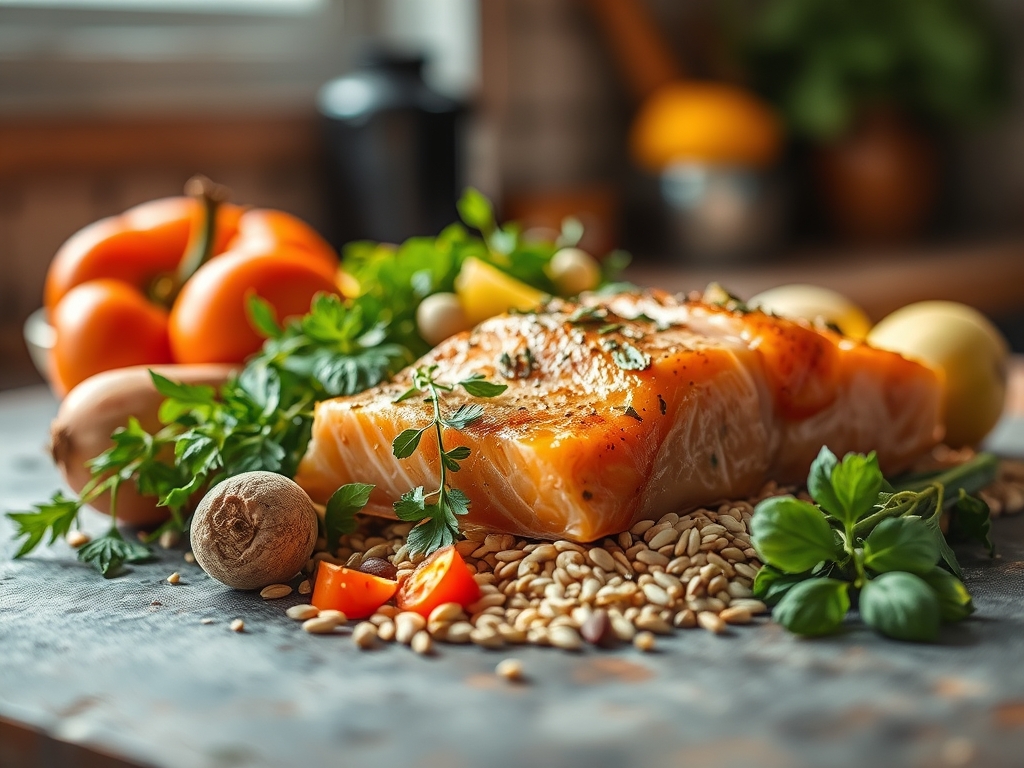
To execute these non fishy salmon recipes with precision, your mise-en-place must be immaculate. Start with center-cut Atlantic or King salmon; these varieties have a higher fat content which allows for a more forgiving Maillard reaction. You will need a microplane for zesting aromatics and a heavy-bottomed skillet, preferably cast iron or stainless steel, to ensure even heat distribution.
The "Smart Substitutions" are your secret weapon. If you find the natural oils of the fish too intense, a quick soak in whole milk for fifteen minutes will neutralize the trimethylamine oxide. For the savory crust, gather panko breadcrumbs, smoked paprika, and nutritional yeast. The yeast provides a "parmesan-like" depth without the heavy dairy fats. You will also need a viscous liquid for deglazing; think dry white wine or a splash of apple cider vinegar to cut through the richness. Always have a digital scale ready to ensure your portions are uniform, which prevents the uneven cooking that leads to dry, pungent edges.
The Clock:
Mastering the "Chef's Flow" is about timing your movements to match the thermal properties of the fish. Total preparation time is approximately fifteen minutes, while the active cooking time rarely exceeds twelve minutes. The goal is to minimize the time the fish spends at room temperature to prevent enzymatic breakdown.
Start by tempering your salmon for exactly ten minutes before it hits the pan. This prevents the muscle fibers from seizing up when they contact the hot surface. While the fish tempers, you will prepare your emulsions. The actual sear takes about four minutes on the skin side to render the fat, followed by a gentle three-minute finish on the flesh side. This rapid transition ensures the interior remains succulent while the exterior develops a piquant, savory crust.
The Masterclass:
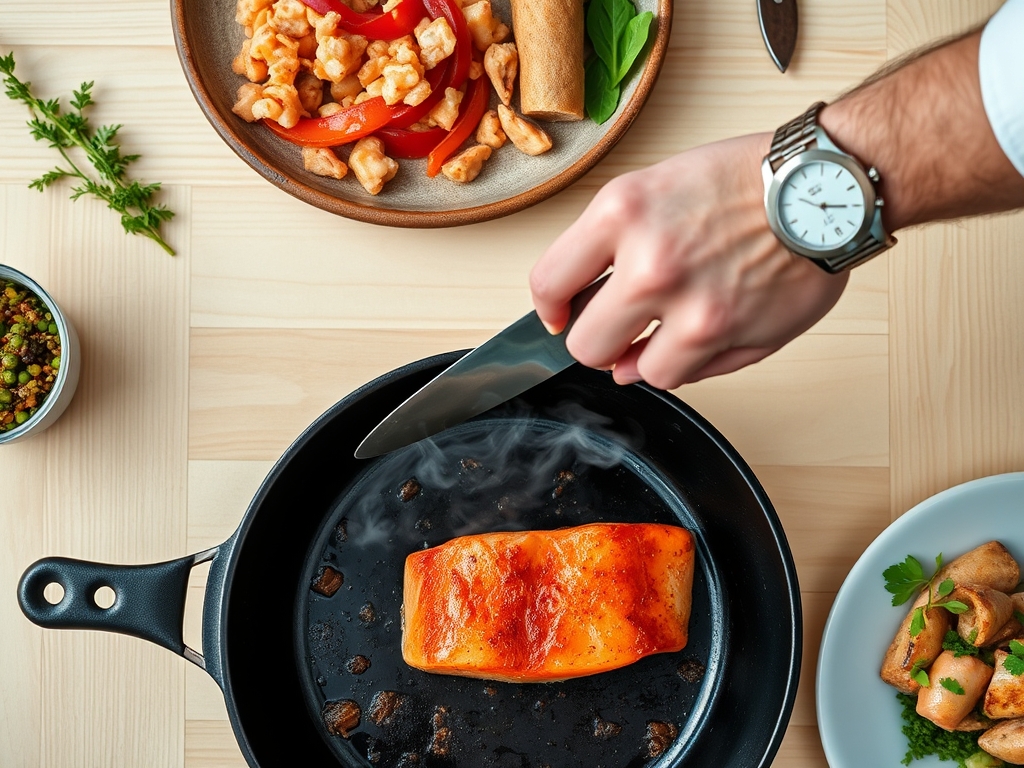
1. The Acidic Pre-Wash
Before the heat even touches the pan, rinse your fillets in cold water and pat them bone-dry with paper towels. Use a bench scraper to remove any excess moisture from your cutting board. Apply a light dusting of citric acid or fresh lemon juice.
Pro Tip: This is called "denaturing." The acid begins to break down the surface proteins, which creates a tighter texture and prevents the "white stuff" (albumin) from leaking out during the cook.
2. The High-Heat Sear
Place your heavy-bottomed skillet over medium-high heat until a drop of water dances on the surface. Add a high-smoke-point oil like avocado oil. Place the salmon skin-side down and press firmly with a weighted press or a wide spatula.
Pro Tip: This technique utilizes thermal conduction to crisp the skin, creating a moisture barrier that locks juices inside the flesh and prevents the release of volatile fishy compounds.
3. The Butter Baste
Once the skin is crisp, flip the fish and drop a tablespoon of unsalted butter, crushed garlic, and thyme into the pan. Use a large spoon to continuously pour the foaming butter over the fish.
Pro Tip: This is known as Arroser. The hot fat creates a micro-convection environment that cooks the top of the fish gently while infusing it with nutty, toasted notes that override any oceanic scents.
4. The Glaze Application
During the final sixty seconds of cooking, apply a savory glaze made of honey, soy sauce, and ginger. Use a silicone brush to coat the surface evenly.
Pro Tip: The sugars in the glaze undergo caramelization at 320 degrees Fahrenheit, creating a complex flavor profile that provides a savory counterpoint to the fatty acids in the salmon.
5. The Deglaze
Remove the fish from the pan and immediately add a splash of white wine or vegetable stock. Use your tongs to scrape up the browned bits (the fond) from the bottom of the pan.
Pro Tip: Deglazing captures the concentrated flavors of the Maillard reaction, turning them into a sauce that bridges the gap between the savory crust and the tender interior.
6. The Carryover Rest
Transfer the salmon to a warm plate and let it rest for exactly four minutes. Do not tent it with foil, as this will trap steam and soften the crispy skin you worked so hard to achieve.
Pro Tip: Thermal carryover will cause the internal temperature to rise by another five degrees. Resting allows the muscle fibers to reabsorb the juices, ensuring a moist, non-fishy bite.
7. The Aerated Finish
Just before serving, use your microplane to grate fresh horseradish or lemon zest over the top. This adds a bright, volatile top note that hits the palate first.
Pro Tip: Aerating the aromatics at the end ensures the scent molecules are the first thing the diner experiences, effectively masking any underlying fish notes with fresh, piquant aromas.
The Deep Dive:
From a nutritional standpoint, salmon is a powerhouse of Omega-3 fatty acids and high-quality protein. A standard six-ounce portion provides roughly 34 grams of protein and 100% of your daily Vitamin B12. For those following specific diets, these non fishy salmon recipes are easily adaptable. Keto followers should swap the honey glaze for a monk fruit sweetener; Vegan friends can apply these same searing techniques to thick slabs of "watermelon tuna" or marinated tofu. If you are Gluten-Free, ensure your soy sauce is replaced with tamari.
The "Fix-It" guide for common pitfalls:
- The Skin is Soggy: You likely moved the fish too early. Wait for the protein to naturally release from the pan surface.
- The Fish is Dry: You bypassed the resting phase. Internal juices escaped before they could redistribute.
- The Smell is Strong: The fish was likely not patted dry. Moisture on the surface boils rather than sears, releasing steam-carried odors.
For meal prep, reheating is the ultimate challenge. To maintain "day-one" quality, avoid the microwave at all costs. Instead, use a "low and slow" method in a toaster oven at 275 degrees Fahrenheit with a splash of water covered by foil. This creates a gentle steam chamber that re-hydrates the protein without overcooking the delicate fats.
The Wrap-Up:
You now have the technical blueprint to master non fishy salmon recipes like a professional stylist. By understanding the molecular behavior of fish proteins and the power of the Maillard reaction, you have transformed a potentially intimidating ingredient into a savory staple. Remember that the quality of your tools, from the microplane to the heavy-bottomed skillet, is just as important as the freshness of your fish. Go forth, deglaze with confidence, and enjoy the buttery, mild results of your new kitchen expertise!
The Kitchen Table:
How do I get the fishy smell out of my house?
Simmer a small saucier of water, white vinegar, and cinnamon sticks on the stove while you cook. The acetic acid in the vinegar neutralizes airborne alkaline molecules, while the cinnamon provides a warm, masking aroma.
Can I use frozen salmon for these recipes?
Yes; however, you must thaw it slowly in the refrigerator for twenty-four hours. Rapid thawing damages the cell walls, leading to excess moisture loss and a mushy texture that amplifies fishy flavors during the searing process.
What is the best oil for searing salmon?
Use avocado oil or refined light olive oil. These have high smoke points above 400 degrees Fahrenheit, allowing you to achieve a hard sear without the oil breaking down and creating bitter, acrid off-flavors.
How can I tell if salmon is done without a thermometer?
Press the side of the fillet with a fork. If the muscle flakes easily along the natural white lines (the fat deposits), it is medium-rare. The center should still look slightly translucent rather than opaque and chalky.