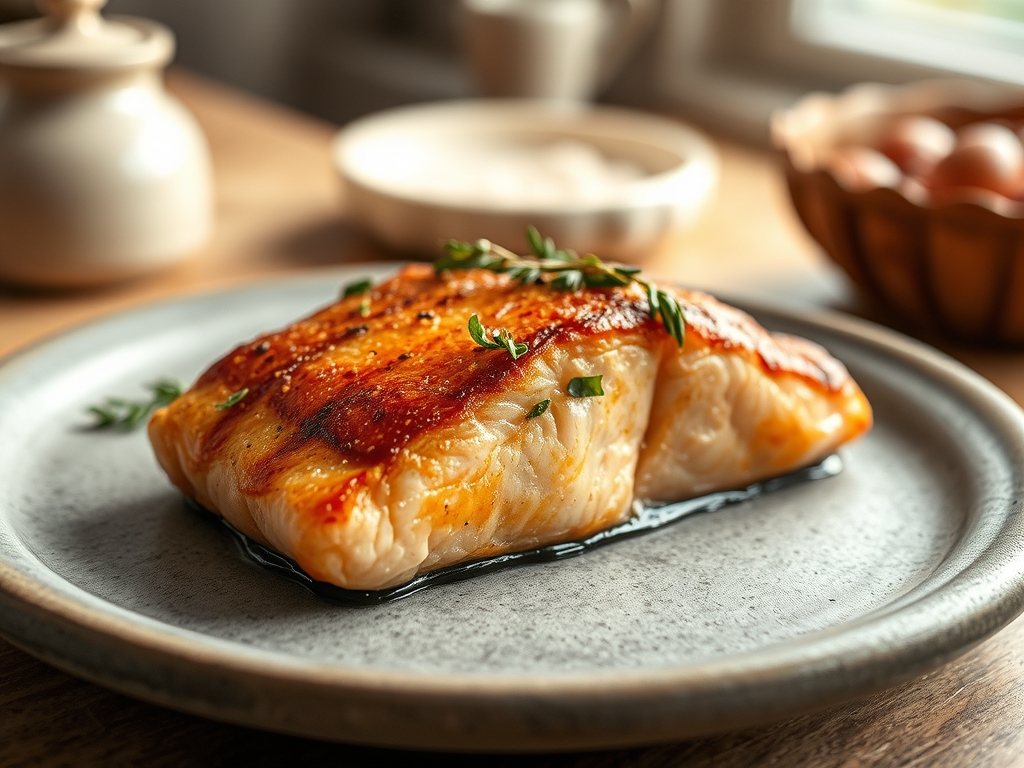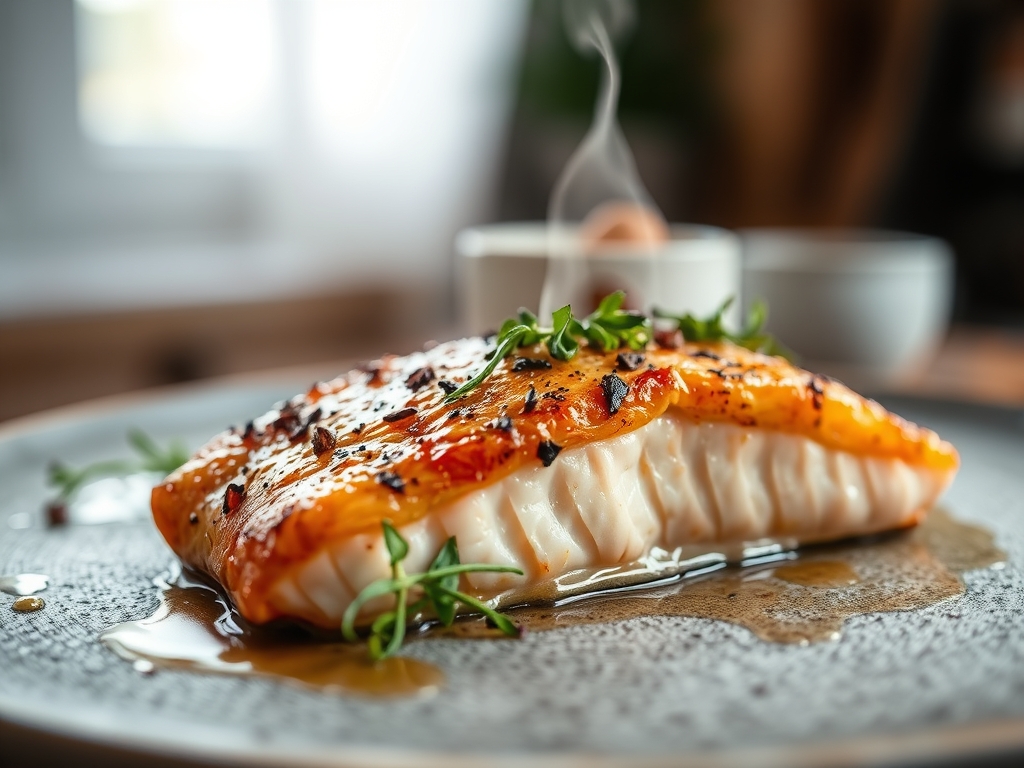
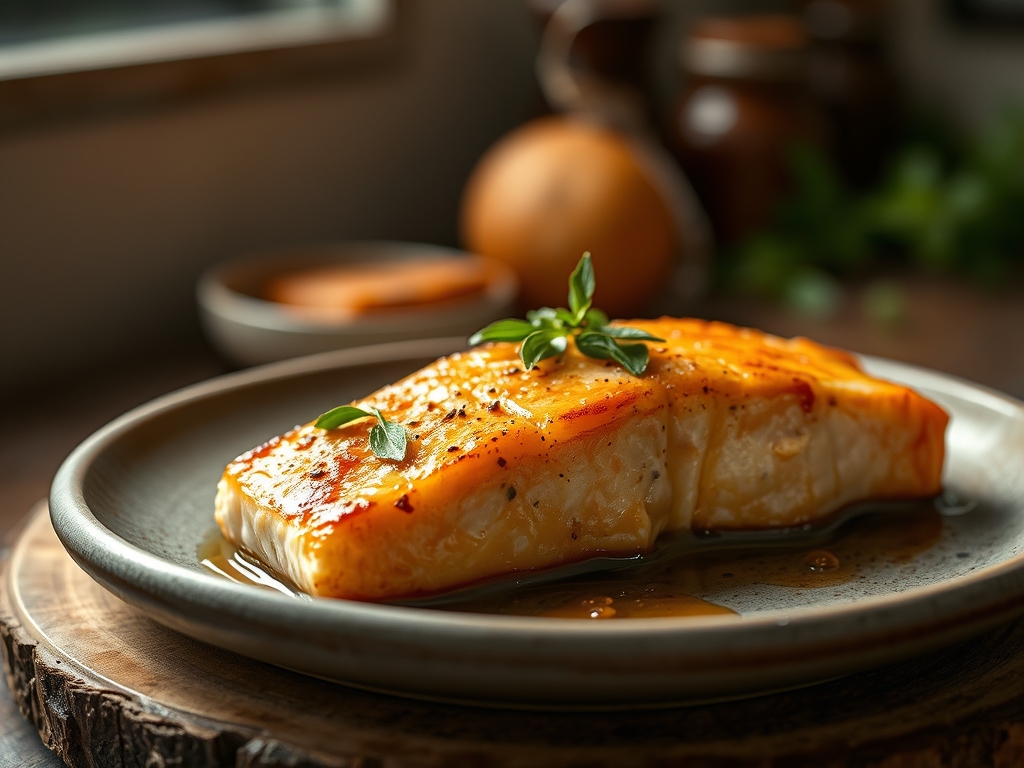
Imagine the scent of cedar smoke mingling with the fatty, oceanic perfume of a searing fillet as the sun dips below the pine-lined horizon. Mastering camping salmon recipes is not just about survival; it is about bringing the precision of a high-end bistro to the rugged unpredictability of the wilderness. There is a specific, primal joy in watching a cold-water fish transform from a translucent coral to an opaque, flakey masterpiece over a crackling fire. It requires a balance of thermal control and bold seasoning to cut through the woodsmoke. Whether you are using a lightweight backpacking stove or a heavy cast-iron grate over glowing embers, the goal remains the same: a crispy skin that shatters like glass and a center that remains buttery and lush. This guide will transform your outdoor cooking from a gamble into a calculated, delicious science that will make you the undisputed hero of the campsite.
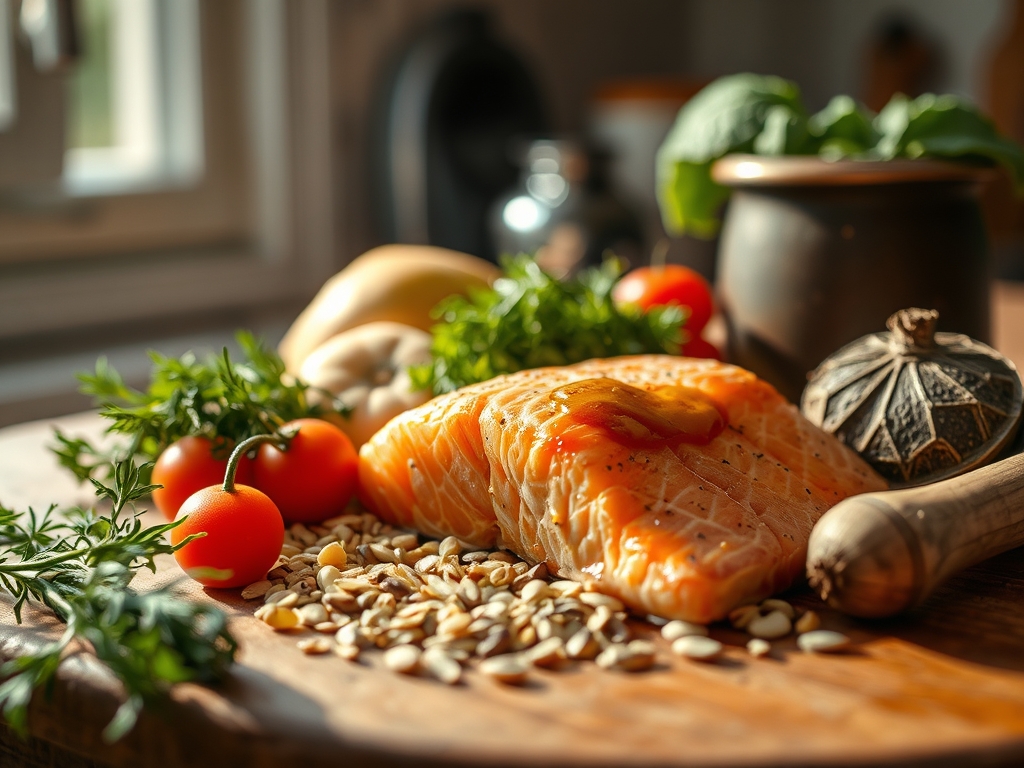
The Gathers:
To execute these camping salmon recipes with professional finesse, your mise-en-place must be airtight. Start with high-quality Coho or King salmon fillets, ideally skin-on to protect the delicate flesh from direct heat. You will need a viscous fat source, such as ghee or avocado oil, which boasts a high smoke point to prevent acrid flavors. For the aromatic profile, pack a head of garlic, fresh dill, and a microplane to zest a lemon directly over the fish. The acidity of the lemon zest provides a piquant counterpoint to the rich lipids of the fish.
Smart Substitutions:
If fresh herbs are too fragile for your cooler, a high-quality dried tarragon or a pre-mixed lemon-pepper rub works beautifully. No fresh lemons? A small vial of citric acid powder can mimic that brightness. If you are trying to cut weight, swap the heavy glass jars for vacuum-sealed silicone pouches. Instead of butter, which can spoil, use individual packets of extra virgin olive oil to infuse your meal with healthy fats and a silky mouthfeel.
The Clock
The "Chef's Flow" in the woods is all about timing the fire alongside the fish. Your active prep time is a mere 10 minutes, mostly focused on patting the fish dry and prepping your aromatics. The actual cook time ranges from 8 to 12 minutes depending on the thickness of the fillet and the intensity of your coals. However, the most critical phase is the 5-minute rest period. During this time, thermal carryover allows the internal temperature to rise the final few degrees without drying out the exterior. Total time from spark to plate is approximately 25 minutes.
The Masterclass
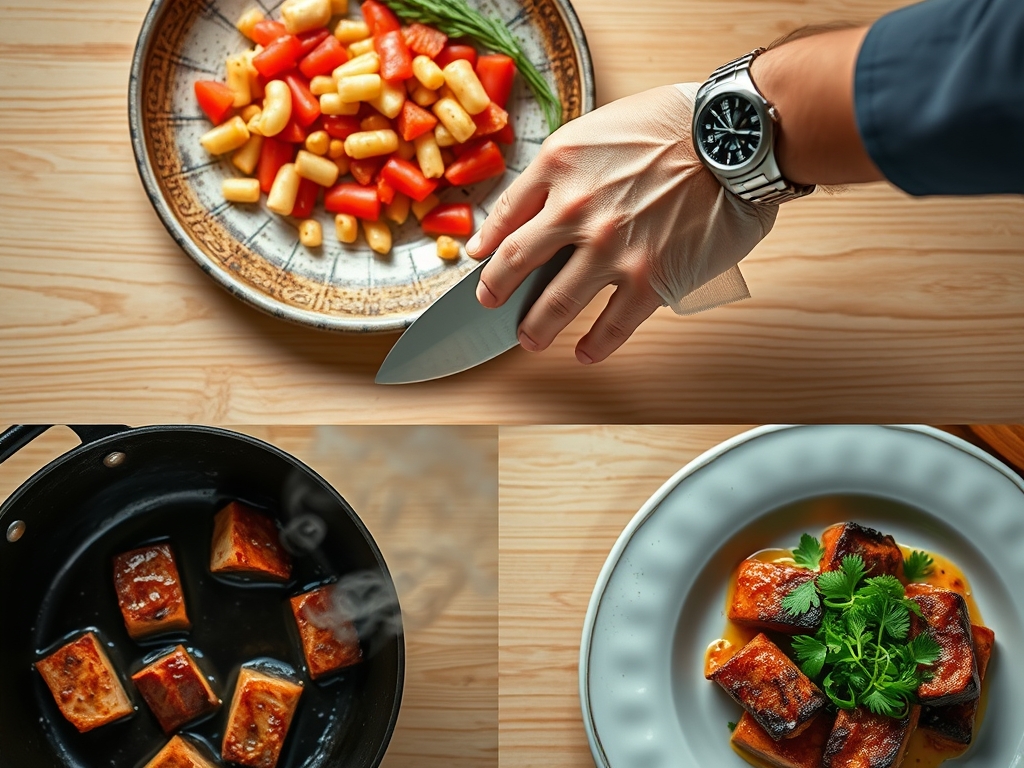
1. The Desiccation Ritual
Use a clean paper towel or a dedicated kitchen cloth to aggressively pat the salmon skin dry. Moisture is the enemy of the Maillard reaction. If the surface is damp, the fish will steam rather than sear, resulting in a rubbery texture.
Pro Tip: This process is known as surface evaporation. By removing moisture, you allow the heat to immediately begin the browning process, creating a crisp barrier that prevents the fish from sticking to your heavy-bottomed skillet.
2. The Seasoning Bond
Generously coat the fillets with kosher salt and cracked black pepper. Press the seasoning into the flesh to ensure it adheres. If you have a digital scale, aim for about 1.5 percent salt by weight for the perfect savory balance.
Pro Tip: Salt acts as a denaturant. It begins to break down the protein structures on the surface, which allows for better heat penetration and helps the fish retain its internal juices during the high-heat sear.
3. The Oil Infusion
Heat your skillet until the oil shimmers and barely begins to smoke. Place the salmon skin-side down using long-handled tongs. You should hear an immediate, aggressive sizzle. This indicates the oil is hot enough to render the subcutaneous fat.
Pro Tip: This is the Leidenfrost effect in action. A thin layer of vapor forms between the fish and the pan, preventing immediate sticking. Do not move the fish for at least four minutes to allow the skin to fully crisp.
4. The Butter Baste
Once the skin is crisp, flip the fillet and add a knob of butter, smashed garlic, and herbs. Use a large spoon to continuously pour the foaming butter over the cooked skin. This will aerate the fat and distribute the aromatics into every crevice.
Pro Tip: Basting utilizes convection to cook the fish gently from the top down. The milk solids in the butter undergo further browning, adding a nutty, complex depth to the flavor profile.
5. The Internal Check
Use a digital thermometer to check for an internal temperature of 125 degrees Fahrenheit for medium-rare. The flesh should still have a slight translucency in the very center.
Pro Tip: Remember thermal carryover. If you pull the fish at 125 degrees, it will naturally climb to a perfect 130 or 132 degrees while resting, ensuring the albumin (the white protein) doesn't leak out and make the fish look messy.
The Deep Dive
Salmon is a nutritional powerhouse, packed with Omega-3 fatty acids, Vitamin D, and high-quality protein. A standard 6-ounce fillet provides roughly 34 grams of protein and 20 grams of healthy fats, making it an ideal recovery meal after a long hike.
Dietary Swaps:
- Vegan: Swap the salmon for thick "steaks" of cauliflower or lion's mane mushrooms, using the same searing and basting technique with vegan butter.
- Keto: This recipe is naturally keto-friendly; just ensure you are generous with the butter or ghee.
- GF: Salmon is naturally gluten-free; just double-check that any pre-mixed seasonings do not contain anti-caking agents derived from wheat.
The Fix-It:
- Skin Sticking: If the skin sticks, do not force it. It usually means the proteins haven't finished bonding. Give it another minute; it will often "self-release" once the crust is formed.
- Albumin Bleed: If white goo appears on the surface, your heat is too high. The muscle fibers are contracting too fast and squeezing out the protein. Lower your pan or move it further from the flame.
- Flabby Skin: If the skin is soft, you didn't render the fat long enough. Flip it back over and apply gentle pressure with a bench scraper to ensure full contact with the pan.
Meal Prep:
To reheat leftover salmon at camp, do not use direct high heat. Instead, wrap the fillet in foil with a splash of water or lemon juice and place it near the edge of the fire. This creates a mini-steamer that restores moisture without overcooking the delicate fats.
The Wrap-Up
Cooking salmon in the great outdoors is the ultimate flex of culinary confidence. By focusing on the science of heat transfer and the importance of surface moisture, you turn a simple piece of protein into a gourmet experience. Pack your tongs, trust your thermometer, and don't be afraid of a little smoke. Your campmates will be talking about this meal long after the tents are packed away. Now get out there and get searing!
The Kitchen Table
How do I keep salmon from sticking to a campfire grate?
Ensure the grate is scrubbed clean and preheated until screaming hot. Liberally coat the salmon skin with a high-smoke-point oil. Do not attempt to flip the fish until the skin has naturally released from the metal surface.
Can I cook salmon in foil packets instead?
Yes, though you will lose the crispy skin. Place salmon, lemon, and herbs in foil; seal tightly to create a steam chamber. Cook over indirect heat for 10 to 12 minutes until the flesh is opaque and tender.
What is the best way to transport fresh salmon?
Vacuum-seal the fillets and freeze them solid before leaving. Place them at the bottom of a high-quality cooler. They will act as an ice pack for other items and thaw perfectly by the first or second night.
How can I tell if salmon is done without a thermometer?
Press the side of the fillet with a fork. If the muscle flakes easily along the natural white lines (the fat seams) and the center is no longer bright red, it is ready. Aim for a warm pink center.