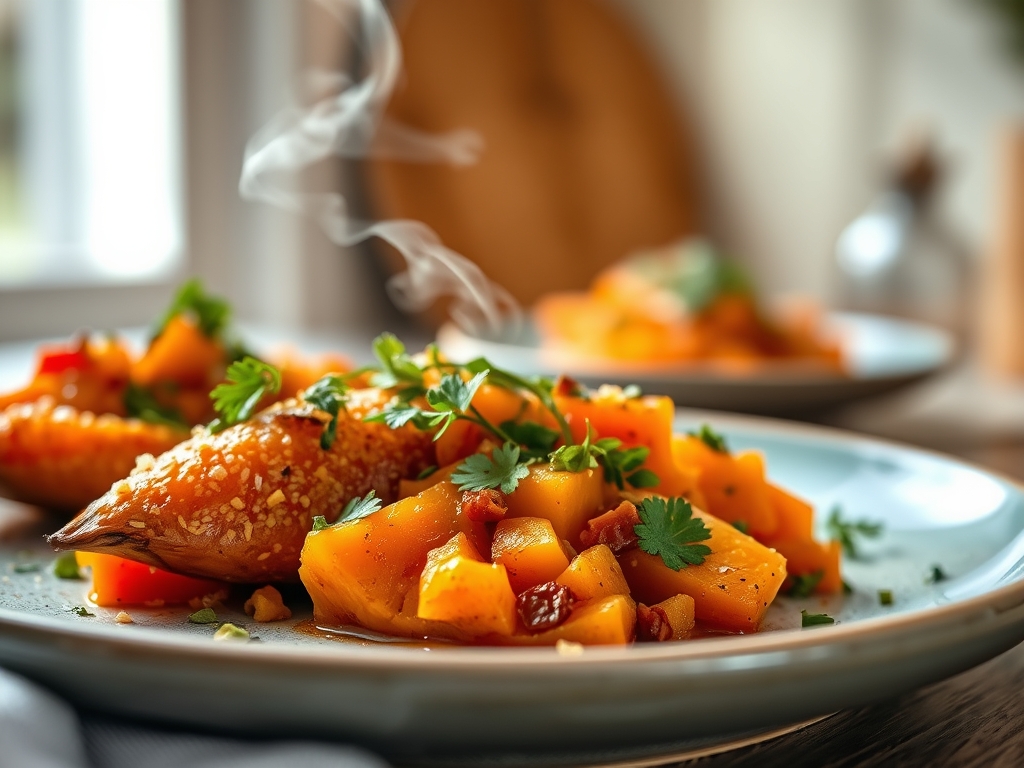
Imagine the scent of caramelized sugars wafting through your kitchen as a humble tuber transforms into a culinary masterpiece. Finding the healthiest sweet potato recipes is not just about calorie counting; it is about unlocking the molecular magic of beta-carotene and complex carbohydrates. Whether you are seeking a velvety mash or a crisp roast, these eight hacks will revolutionize your daily routine.
The sweet potato is a botanical marvel. It is packed with anthocyanins and fiber that stabilize blood sugar while providing a steady release of energy. To master these recipes, you must understand that temperature and texture are your primary tools. We are moving beyond the marshmallow-topped casseroles of the past. We are entering a world where scientific precision meets comfort food. By the end of this guide, you will be wielding your kitchen tools like a seasoned pro; transforming simple ingredients into nutrient-dense fuel that tastes like a decadent indulgence.
The Gathers:
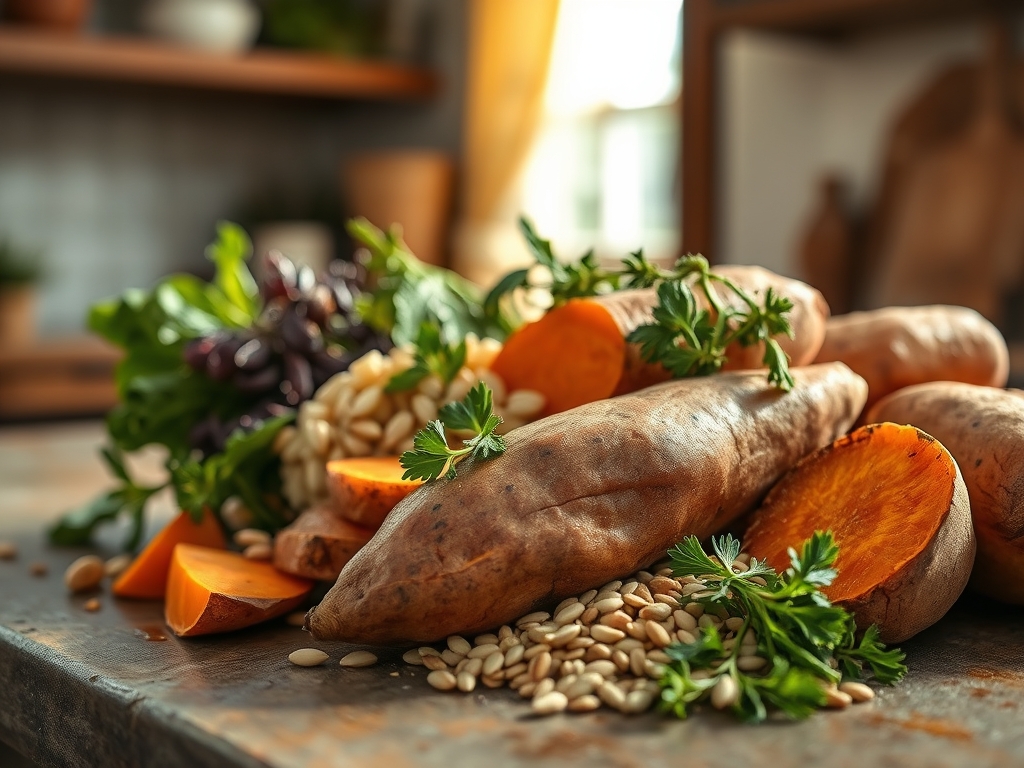
To execute the healthiest sweet potato recipes, your mise-en-place must be intentional. Start with firm, organic jewel or garnet sweet potatoes. Their high moisture content ensures a viscous texture when pureed. You will need a digital scale for precision, as tuber density varies wildly. Gather high-smoke-point fats like avocado oil or ghee to facilitate the Maillard reaction without oxidizing the oil.
For aromatics, reach for fresh ginger and turmeric; their bioactive compounds become more bioavailable when heated with a fat source. Use a microplane to zest citrus and grate aromatics into a fine paste. Smart substitutions are key: swap heavy cream for full-fat coconut milk to add a piquant richness while keeping the dish plant-based. If you are watching your glycemic load, incorporate acidic elements like apple cider vinegar or lemon juice. These acids inhibit the rapid breakdown of starches, ensuring a slower glucose release.
The Clock:
Efficiency in the kitchen is about "Chef's Flow." This is the art of overlapping tasks to minimize downtime. For these hacks, expect a total active prep time of 20 minutes, with a passive roasting or steaming time of 45 to 60 minutes.
Start by preheating your oven or setting your steamer basket to boil. While the thermal energy builds, use a bench scraper to organize your chopped ingredients. If you are meal prepping, roast a double batch. The "Flow" dictates that you process the hottest tubers first for mashes to utilize their natural steam, while saving the cooled cubes for salads. This sequence prevents the starches from becoming gummy and maintains a structural integrity that lasts all week.
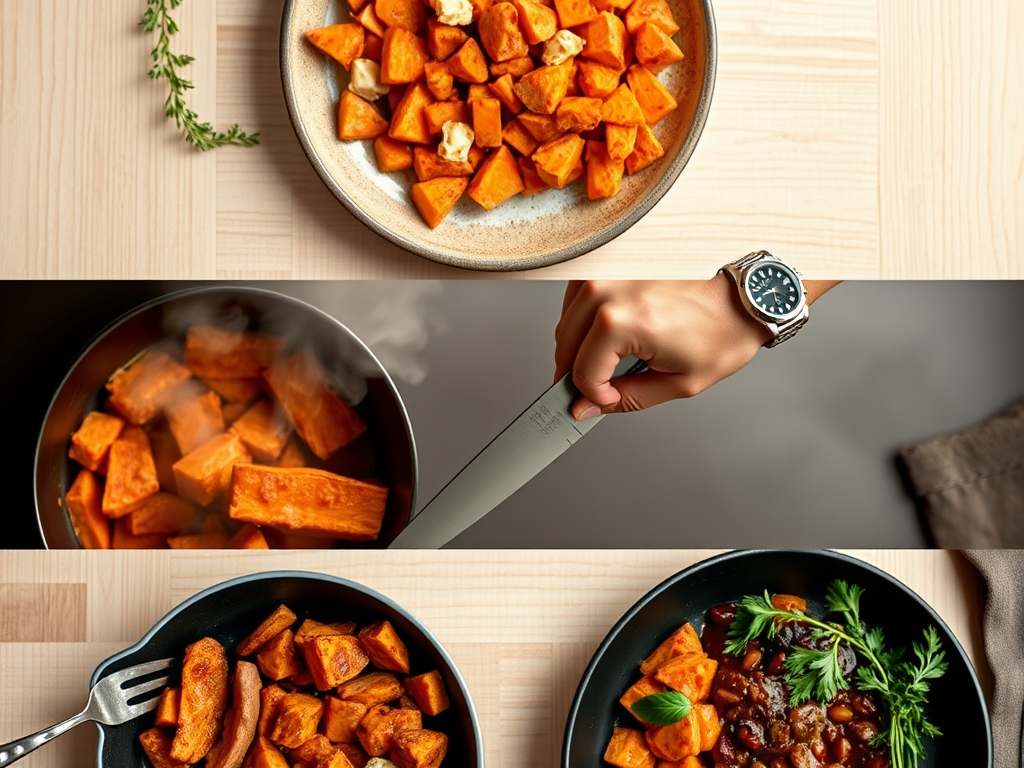
The Masterclass:
1. The Low-Moisture Roast
Begin by dicing your potatoes into uniform 1-inch cubes. Uniformity ensures even heat distribution. Toss them in a heavy-bottomed skillet or a parchment-lined sheet pan with a light coating of oil and sea salt.
Pro Tip: Avoid overcrowding the pan. When potatoes are too close, they release steam that gets trapped, leading to a soggy texture. Spacing them out allows the surface moisture to evaporate, triggering the Maillard reaction for a crispy, savory crust.
2. The Velvety Steam-Mash
Peel and slice the potatoes into rounds. Place them in a steamer basket over simmering water until fork-tender. Transfer them to a warm bowl and use a saucier to warm your coconut milk and spices before combining.
Pro Tip: Never use a food processor for mashed sweet potatoes. The high-speed blades tear the starch granules, releasing amylose and creating a glue-like consistency. Use a manual masher or a ricer to aerate the mash for a cloud-like finish.
3. The Hasselback Precision
Place a potato between two wooden spoons and slice thin slits across the top. The spoons act as a guard to prevent cutting all the way through. Brush with an infused herb oil.
Pro Tip: This technique increases the surface area exposed to dry heat. As the "fins" fan out, the heat penetrates the core faster, reducing total cook time and creating multiple points of caramelization.
4. The Breakfast Power Toast
Slice large sweet potatoes lengthwise into 1/4-inch planks. Toast them twice in a standard toaster or under a broiler until the edges are slightly charred and the center is soft.
Pro Tip: This is a "Resistant Starch" hack. If you toast previously cooked and cooled slices, you increase the levels of resistant starch, which feeds beneficial gut bacteria and lowers the caloric density of the meal.
5. The Spiralized Noodle Sauté
Use a spiralizer to create long, thin strands. Flash-sauté them in a heavy-bottomed skillet with a splash of bone broth to deglaze the pan and add depth.
Pro Tip: Keep the skins on when spiralizing. The skin contains the highest concentration of fiber and phenolic compounds. The quick sauté prevents enzymatic browning and keeps the noodles "al dente."
6. The Nutrient-Dense Smoothie Base
Steam and freeze sweet potato cubes. Add them to a blender with protein powder, cinnamon, and almond milk.
Pro Tip: Frozen sweet potato acts as a natural emulsifier. The starch molecules create a creamy, viscous mouthfeel without the need for frozen bananas or ice, which can dilute the flavor profile.
7. The Stuffed "Jacket" Potato
Prick the skin and bake whole at 400 degrees Fahrenheit. Once soft, slice open and fluff the interior, mixing in Greek yogurt and chives.
Pro Tip: Rubbing the skin with a small amount of salt and oil before baking creates "thermal carryover." The salt draws out surface moisture, while the oil conducts heat, resulting in a crisp, edible skin that is rich in potassium.
8. The Air-Fried "Health" Chip
Slice potatoes into paper-thin rounds using a mandoline. Toss with a mist of oil and air-fry at 360 degrees, shaking the basket every five minutes.
Pro Tip: Soaking the slices in cold water for 30 minutes before frying removes excess surface starch. This prevents the chips from sticking together and ensures a shattering crunch once the water is rendered out.
The Deep Dive:
From a macro perspective, sweet potatoes are a powerhouse. A medium potato offers about 100 calories, 4 grams of fiber, and over 400 percent of your daily Vitamin A needs. For those on specific diets, these hacks are easily adaptable. Vegan followers can use nut butters for creaminess; Keto adherents should limit portions to half a cup to stay within carb limits; and GF diners can rejoice as sweet potatoes are naturally gluten-free.
The Fix-It:
- Soggy Fries: You likely didn't dry the potatoes after washing. Use a clean kitchen towel to remove every drop of moisture before oiling.
- Bitter Taste: This happens when sugars burn. Lower your oven temp by 25 degrees if using a convection setting.
- Gummy Mash: You overworked the starch. Fold in a little warm liquid gently with a spatula to loosen the bonds.
For meal prep, reheating is a science. Avoid the microwave if you want to maintain texture. Instead, use a toaster oven or a dry skillet. This re-activates the fats and recrisps the exterior, providing "day-one" quality even on day four.
The Wrap-Up:
You are now equipped to master the healthiest sweet potato recipes with the confidence of a professional chef. By understanding the chemistry of heat and the importance of high-quality tools, you have turned a basic root vegetable into a versatile superfood. Go ahead; grab those tongs, fire up the oven, and let the caramelization begin! Your body and your taste buds will thank you for this nutrient-dense upgrade.
The Kitchen Table:
What is the healthiest way to cook sweet potatoes?
Steaming or boiling preserves the most antioxidants and keeps the glycemic index lower than roasting. However, roasting with a healthy fat like avocado oil increases the absorption of fat-soluble Vitamin A, making it a balanced nutritional choice.
Should I eat the skin of the sweet potato?
Absolutely. The skin contains significant amounts of fiber, potassium, and quercetin. Scrub the skin thoroughly with a vegetable brush to remove debris, then roast until crisp to make the texture more palatable and delicious.
How do I keep sweet potatoes from turning brown?
Once sliced, sweet potatoes undergo enzymatic browning when exposed to oxygen. To prevent this, submerge the cut pieces in a bowl of cold water with a squeeze of lemon juice until you are ready to cook them.
Can sweet potatoes help with weight loss?
Yes, because they are high in fiber and water. This combination promotes satiety, helping you feel full longer. Replacing refined grains with sweet potatoes provides more micronutrients and prevents the blood sugar crashes that often lead to overeating.