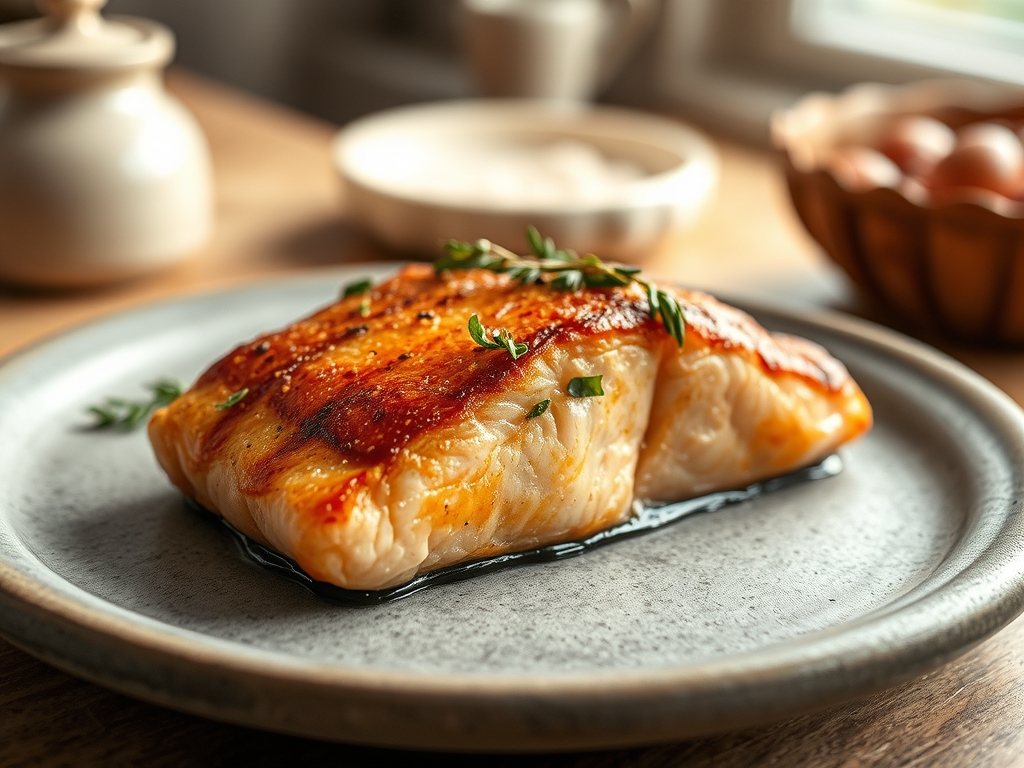
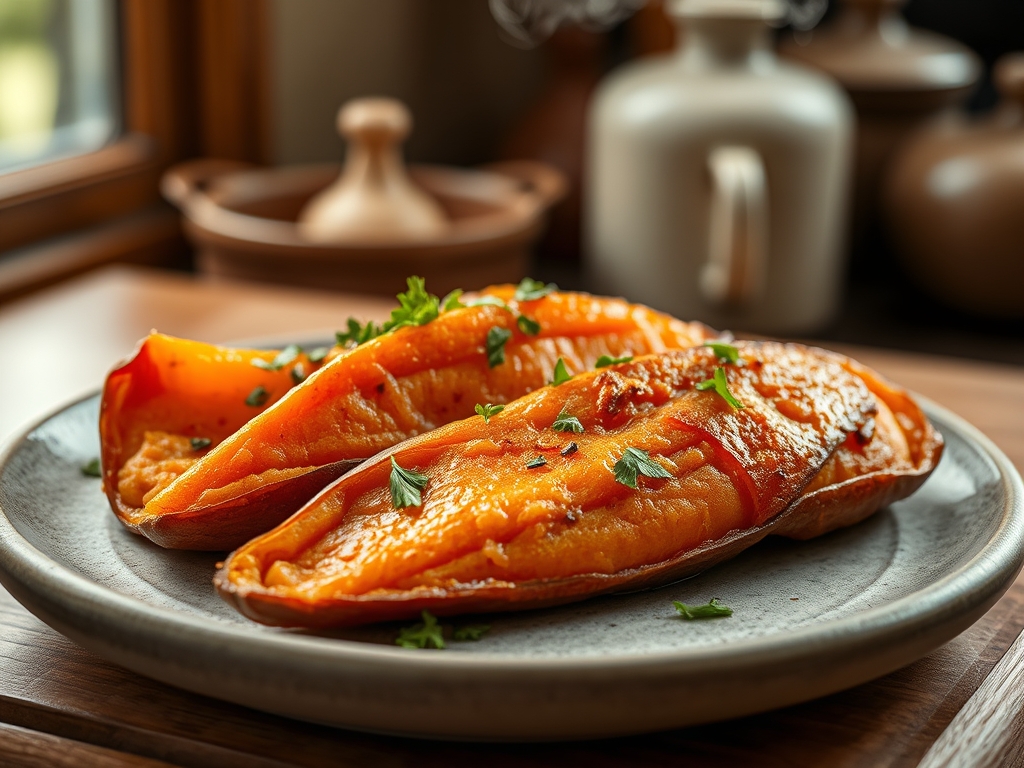
Picture the kitchen at dusk as the oven hums with a low, comforting vibration. There is a specific, heady fragrance that fills the air when the natural sugars in a tuber begin to caramelize; it is a scent that bridges the gap between autumn nostalgia and culinary mastery. We are diving deep into the world of traditional sweet potato recipes today. This is not just about mashing tubers with a fork. It is about understanding the cellular structure of the Ipomoea batatas and transforming it into a velvety, golden masterpiece that commands respect at any dinner table.
The secret to a truly transcendent dish lies in the chemistry of the cure. These roots have been sitting in temperature-controlled environments to convert their starches into maltose, making them the perfect canvas for our technical exploration. Whether you are aiming for a silky souffle texture or a crisp, salt-crusted exterior, the physics of heat transfer remains your best friend. We are going to explore six distinct variations that honor the heritage of this vegetable while utilizing modern kitchen science to ensure every bite is technically perfect. Grab your apron and your favorite heavy-bottomed skillet; we are about to turn these humble orange roots into pure culinary gold.
The Gathers:
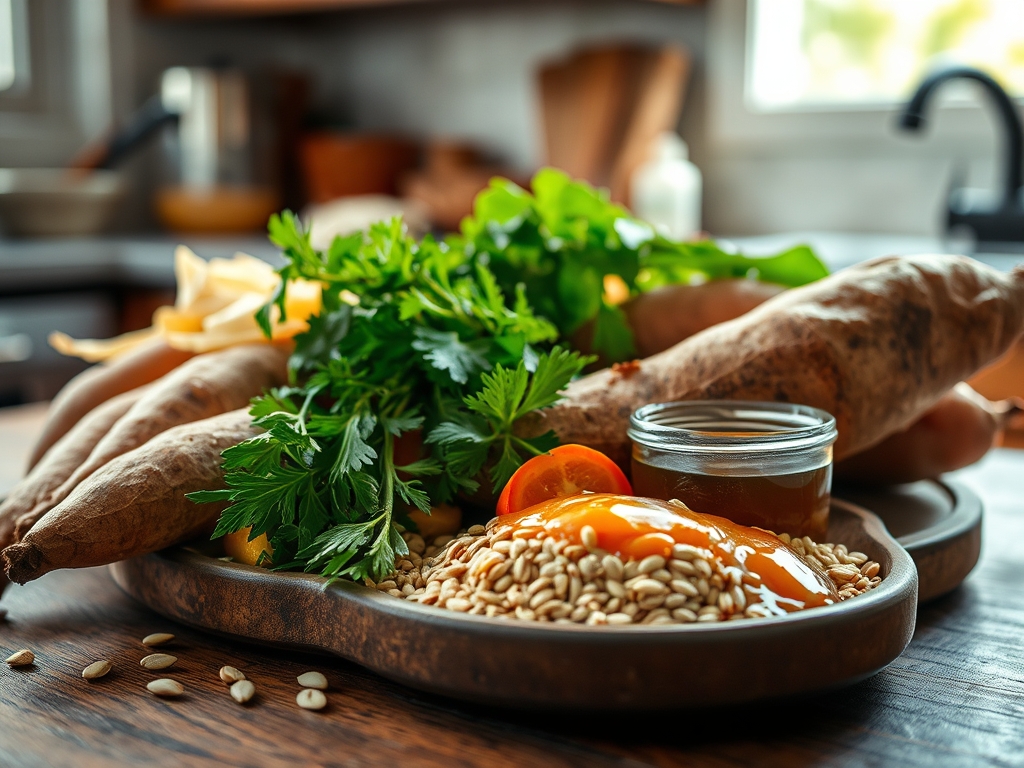
Before we ignite the burners, let us look at our mise-en-place. For these traditional sweet potato recipes, you need high-moisture Beauregard or Jewel varieties. These contain the specific amylopectin levels required for a viscous mouthfeel. You will also need high-fat European butter (aim for 82 percent butterfat) to ensure a stable emulsion when folding in liquids.
Your toolkit should include a digital scale for precision, a microplane for zesting aromatics like nutmeg and ginger, and a saucier for rendering any glazes. If you are aiming for a smooth texture, a tamis or fine-mesh sieve is non-negotiable for removing fibrous strands.
Smart Substitutions:
If you need to pivot, swap heavy cream for full-fat coconut milk to maintain the lipid profile without the dairy. For a lower glycemic index, replace brown sugar with maple syrup; the syrup contains piquant mineral notes that enhance the earthiness of the potato. If you lack a bench scraper to portion dough for sweet potato gnocchi, a sharp chef's knife dusted in flour will suffice.
The Clock
Efficiency in the kitchen is about managing the Chef's Flow. This is the sequence of operations that ensures no component sits idle for too long. For these traditional sweet potato recipes, your active prep time is approximately 30 minutes, while the total cook time spans about 60 to 75 minutes depending on the density of the tubers.
Start by preheating your oven to 400 degrees Fahrenheit. While the oven reaches its target temperature, perform your knife work. The "flow" dictates that you should roast the potatoes first because they require the longest thermal exposure. While they undergo the Maillard reaction in the oven, you can prepare your infusions or garnishes on the stovetop. This overlapping timeline ensures that by the time the potatoes are tender, your glazes are reduced and your workspace is already clear.
The Masterclass
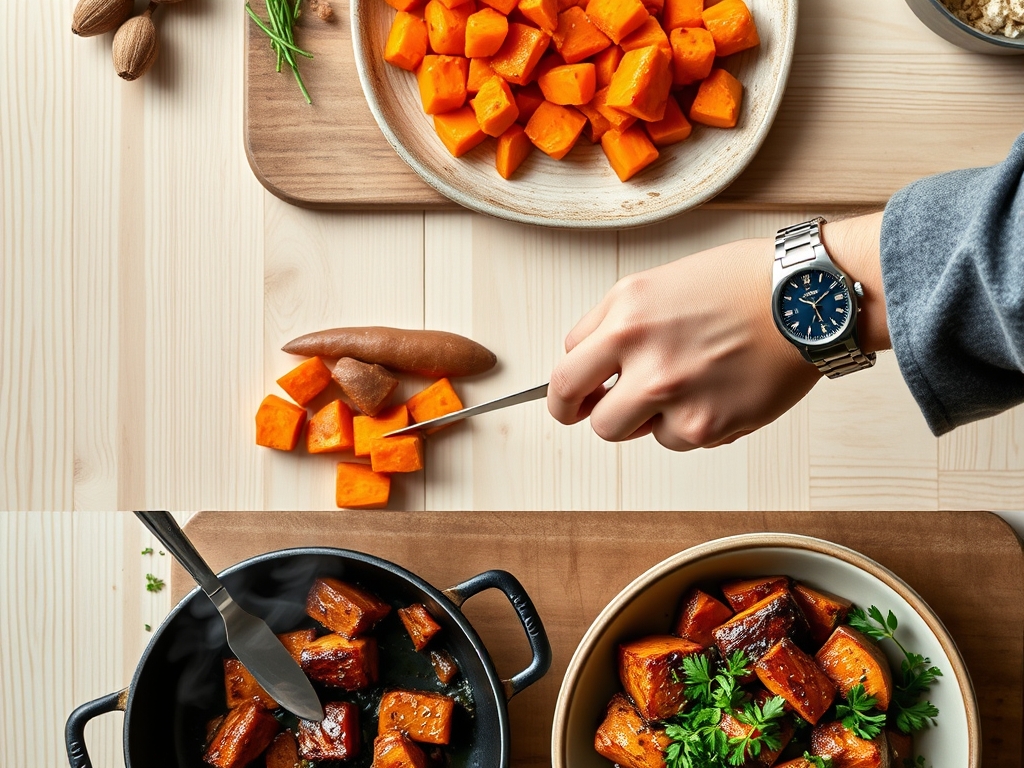
1. The Initial Thermal Breakdown
Scrub the skins and pierce them with a fork to allow steam to escape. Place them on a parchment-lined sheet. Roast until the internal temperature reaches 205 degrees Fahrenheit.
Pro Tip: This high-heat roasting triggers enzymatic browning. As the internal temperature rises, amylase enzymes break down starches into sugars, intensifying the natural sweetness without adding sucrose.
2. The Peeling and Passing
While the potatoes are still warm, use tongs to peel back the skins. Immediately pass the flesh through a tamis or ricer into a chilled bowl.
Pro Tip: Working with the potatoes while hot prevents the starches from "setting." If they cool too much, the texture becomes gummy rather than fluffy due to retrogradation.
3. The Lipid Integration
Slowly fold in cold, cubed butter using a silicone spatula. The goal is to create a suspended emulsion where the fat molecules are trapped between the potato fibers.
Pro Tip: Cold butter creates a more stable emulsion than melted butter. The gradual temperature change prevents the fat from separating, resulting in a glossy, professional finish.
4. Aerating the Mixture
Use a balloon whisk to aerate the mash. If making a traditional casserole or souffle, this is when you fold in whipped egg whites or heavy cream.
Pro Tip: Be careful not to overwork the mixture. Excessive agitation can break the cell walls, releasing too much starch and turning your elegant dish into a sticky paste.
5. Infusing the Aromatics
In a small saucier, warm your spices (cinnamon, nutmeg, or cloves) in a bit of butter to infuse the fats before adding them to the potatoes.
Pro Tip: Fat is a superior carrier for flavor. Toasting spices in a lipid base releases fat-soluble volatile oils that provide a deeper, more resonant flavor profile.
6. The Final Sear or Bake
Transfer the mixture to a buttered baking dish. If you are making glazed rounds, use a heavy-bottomed skillet to sear the edges for a crisp texture.
Pro Tip: Watch for thermal carryover. Remove the dish from the heat just before it looks "done," as the internal heat will continue to cook the sugars for several minutes.
The Deep Dive
When we look at the macro nutrition of traditional sweet potato recipes, we see a powerhouse of Beta-carotene and fiber. A single serving provides over 400 percent of your daily Vitamin A needs. To keep it Vegan, utilize avocado oil or vegan butter alternatives with high smoke points. For Keto enthusiasts, replace the bulk of the potato with roasted cauliflower, using only a small amount of sweet potato for color and flavor. Gluten-Free diners are in luck, as these tubers are naturally grain-free.
The Fix-It:
- Grainy Texture: This usually means the potatoes were undercooked. Fix it by adding a splash of hot cream and processing in a high-speed blender.
- Too Sweet: If you over-caramelized, balance the pH with a teaspoon of apple cider vinegar or a squeeze of lemon to provide a piquant counterpoint.
- Watery Mash: This happens if you boil instead of roast. To fix, spread the mash on a sheet pan and bake at 350 degrees for 10 minutes to evaporate excess moisture.
Meal Prep Science: To reheat, avoid the microwave as it can make the starches rubbery. Instead, use a covered oven dish at 325 degrees. Add a tablespoon of water or milk to create a steam-chamber effect, which re-hydrates the starch molecules for "day-one" quality.
The Wrap-Up
Mastering traditional sweet potato recipes is a rite of passage for any serious home cook. It is the perfect marriage of rustic comfort and technical precision. By controlling your temperatures and understanding the behavior of starches and lipids, you can turn a simple root vegetable into a sophisticated centerpiece. Go ahead and flex those culinary muscles; your kitchen is your laboratory, and the results are going to be delicious.
The Kitchen Table
Can I boil the potatoes instead of roasting them?
Boiling is possible but less ideal. It introduces excess water into the cells, which can lead to a soggy texture. Roasting is preferred because it concentrates the natural sugars and creates a much deeper flavor profile through caramelization.
How do I prevent the potatoes from turning brown?
To prevent enzymatic browning, work quickly once the potatoes are peeled. You can also add a small amount of acid, like lemon juice or cream of tartar, to the mixture to lower the pH and inhibit the browning enzymes.
What is the best way to store leftovers?
Store leftovers in an airtight glass container in the refrigerator for up to four days. For the best texture, reheat them slowly in the oven rather than the microwave to maintain the integrity of the fat emulsion and starch structure.
Can I freeze sweet potato dishes?
Yes, you can freeze them. However, high-fat additions like cream or butter may separate upon thawing. To fix this, simply whisk the mixture vigorously while reheating to re-emulsify the fats and restore the smooth, viscous texture you started with.