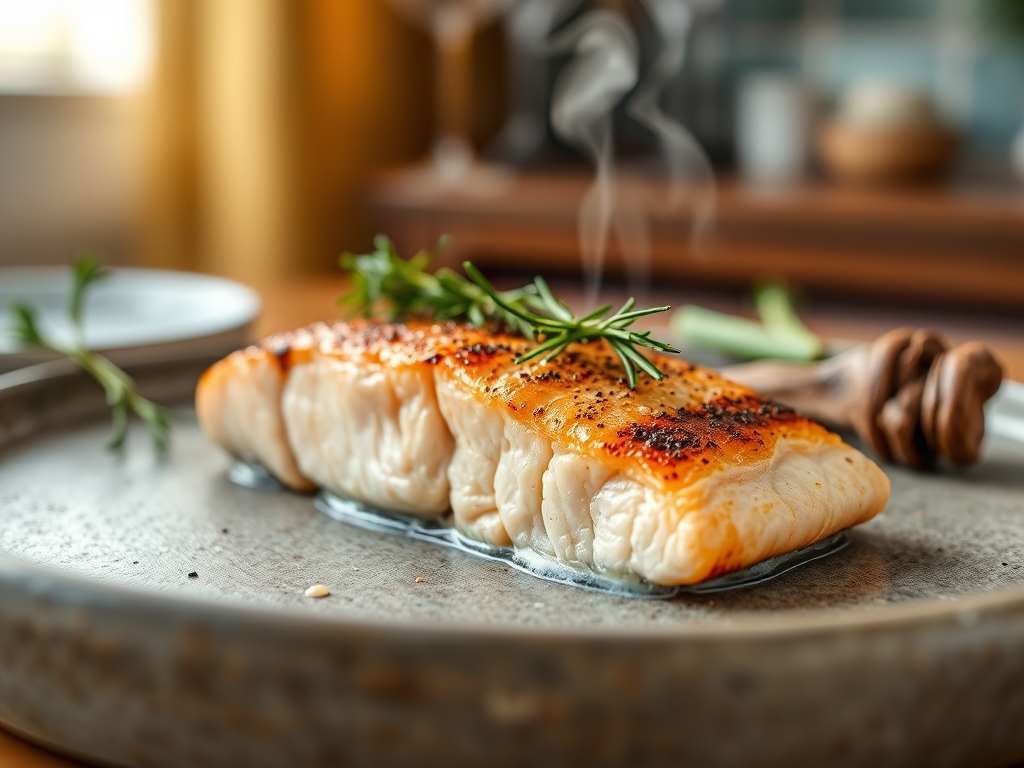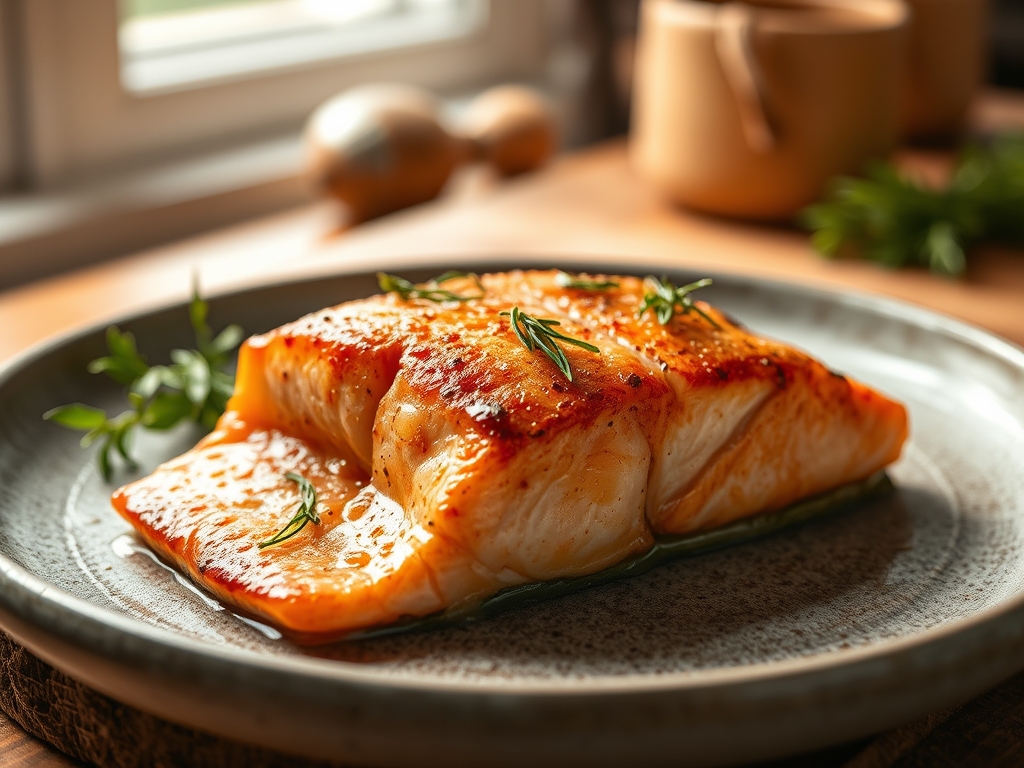
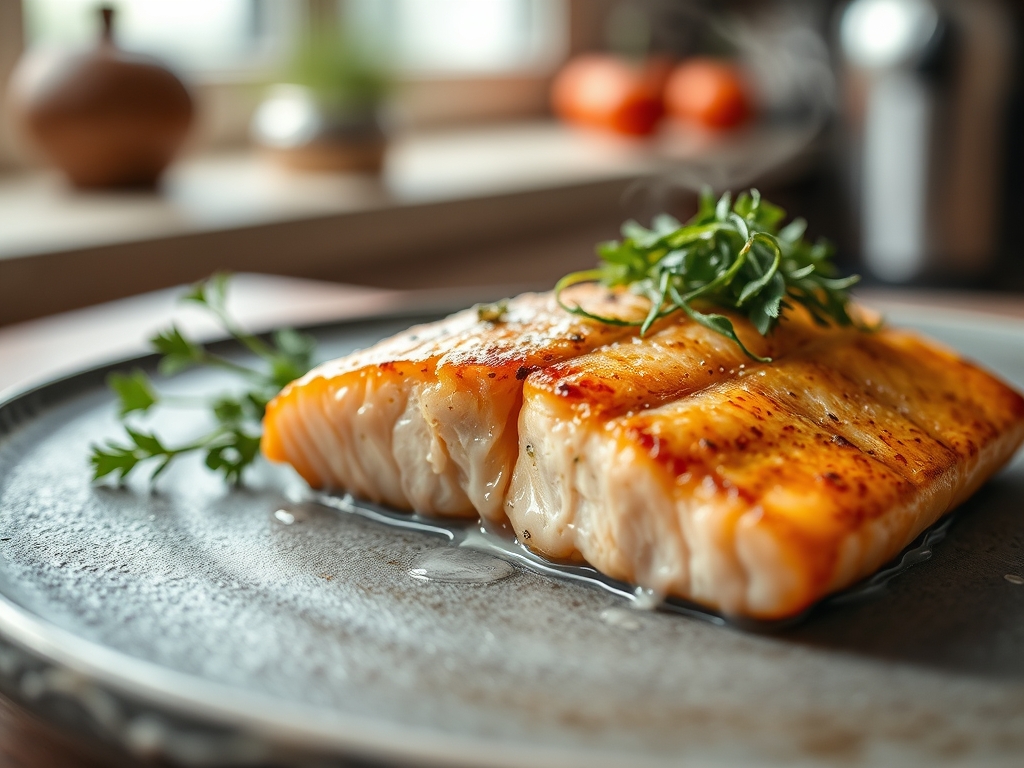
Picture the scene: a heavy-bottomed skillet hissing on the stovetop while the piquant aroma of searing fats fills your kitchen. We often associate high-end seafood with exorbitant price tags; however, mastering cheap salmon recipes is about technical finesse rather than the luxury of the cut. Whether you are working with frozen fillets or the economical "tail ends" from the butcher counter, the goal is to transform modest ingredients into a five-star experience through the power of molecular chemistry. We are going to dive deep into the mechanics of heat, acidity, and emulsification to ensure your budget-friendly proteins taste like a hundred-dollar splurge. Salmon is uniquely forgiving because of its high lipid content; those beautiful orange stripes of fat are your insurance policy against dryness. By the time we are finished, you will be navigating the seafood aisle with the confidence of a seasoned chef, knowing exactly how to extract maximum flavor from every ounce of fish.
The Gathers:
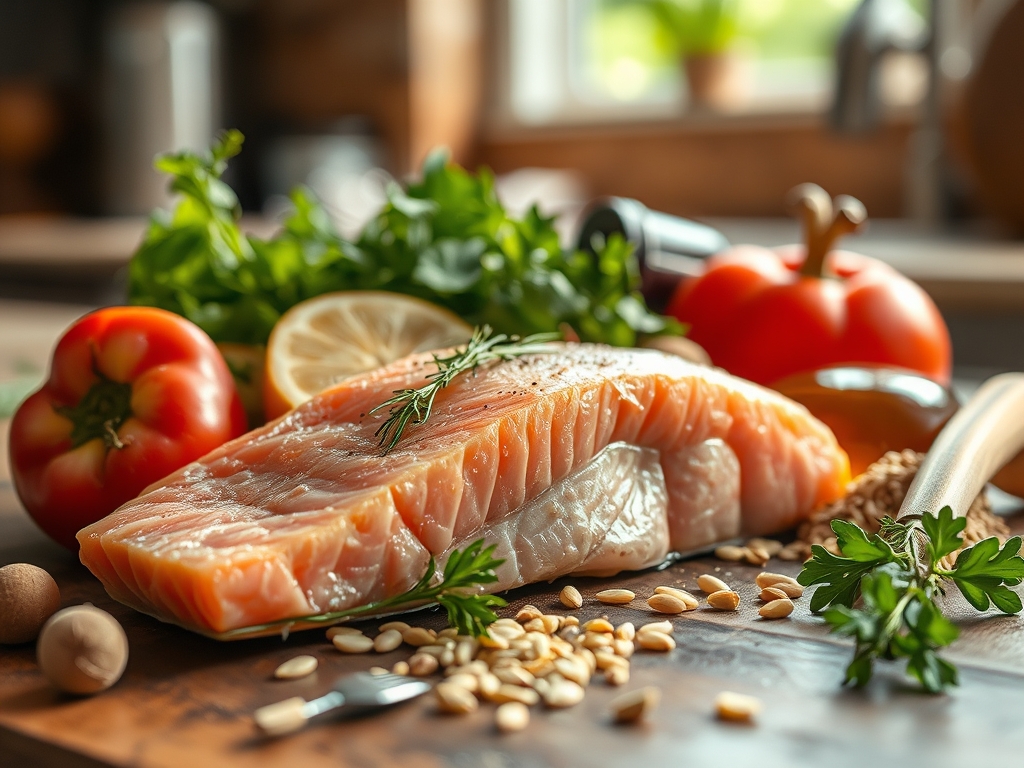
To begin our culinary journey, we must assemble a mise-en-place that balances cost with high-impact flavor. Your primary protein will be frozen sockeye or pink salmon; these are often more sustainable and significantly cheaper than fresh Atlantic varieties. You will also need a high-smoke-point oil, such as grapeseed or avocado oil, to facilitate the Maillard reaction without burning. For the aromatics, gather fresh garlic, ginger, and scallions. We will use a microplane to create a fine paste, ensuring the flavors infuse into the oil rather than burning in large chunks.
Smart Substitutions are the secret to keeping costs low. If fresh lemons are pricey, a splash of rice vinegar provides that essential piquant acidity. Instead of expensive maple syrup for a glaze, use a touch of honey or brown sugar to achieve that viscous, caramelized finish. If you cannot find fresh herbs, a high-quality dried dill or oregano can be "bloomed" in hot fat to reawaken its volatile oils. Always have a digital scale nearby to ensure your portions are consistent; this prevents uneven cooking times and helps you track your macro nutrition accurately.
The Clock
Efficiency in the kitchen is about the "Chef's Flow," a mental map of how tasks overlap to save time. Total preparation for these hacks takes approximately 15 minutes, while the cooking process ranges from 6 to 12 minutes depending on the thickness of the fillet. The key is to utilize the "down time" while the pan preheats to prepare your side dishes.
Start by tempering your salmon; let it sit at room temperature for 10 minutes. This reduces the thermal shock when the fish hits the pan, preventing the muscle fibers from seizing and pushing out white albumin. While the fish rests, use a bench scraper to organize your chopped aromatics. The actual "active" cooking time is remarkably short because salmon proteins denature quickly. By the time the skin is crispy, the interior is usually a perfect medium-rare.
The Masterclass
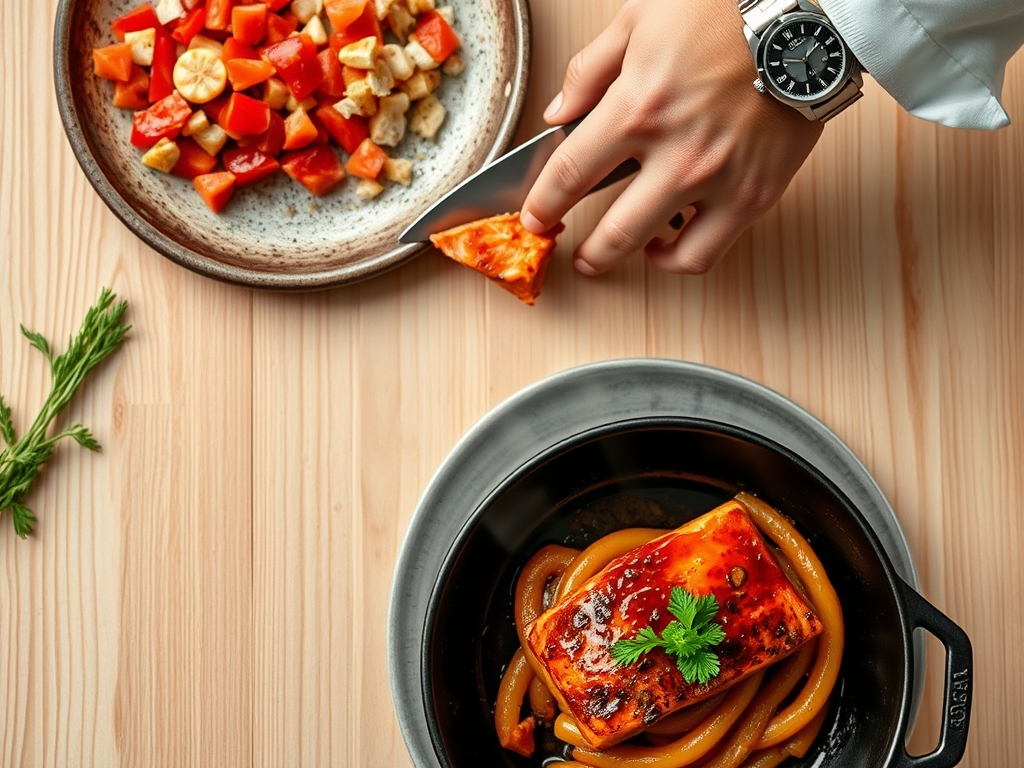
1. The Desiccation Ritual
The most common mistake with cheap salmon recipes is moisture. Use a paper towel to aggressively pat the skin dry until it feels tacky. Moisture is the enemy of the sear; if the surface is wet, the energy of the pan goes into evaporating water rather than browning the protein.
Pro Tip: This is the science of surface tension. By removing water, you allow the lipids to make direct contact with the metal, accelerating the Maillard reaction for a deeper flavor profile.
2. The Cold-Pan Start for Skin
If you are working with skin-on fillets, place them skin-side down in a cold, heavy-bottomed skillet before turning on the heat. As the pan warms, the subcutaneous fat begins to render slowly, resulting in a glass-like crunch that is impossible to achieve with a hot-start method.
Pro Tip: This technique manages thermal carryover. By heating the skin slowly, you create a thermal barrier that protects the delicate flesh from overcooking while the fat liquefies.
3. The Aerated Glaze
Once the fish is flipped, deglaze the pan with a mixture of soy sauce, honey, and a splash of water. Use a saucier or a small whisk to aerate the liquid as it bubbles. This creates a light, frothy emulsion that coats the fish without becoming cloyingly thick.
Pro Tip: Aeration introduces air bubbles that help the sauce cling to the irregular surfaces of the salmon through increased viscosity and surface area.
4. The Butter Baste
In the final minute of cooking, drop a tablespoon of unsalted butter and a smashed garlic clove into the pan. Tilt the skillet and use a large spoon to continuously bathe the salmon in the foaming fat. This process, known as "arroser," adds a nutty complexity to the dish.
Pro Tip: Butter contains milk solids that undergo enzymatic browning, providing a rich, toasted aroma that masks the "fishy" notes sometimes found in cheaper frozen cuts.
5. The Rest and Carryover
Remove the salmon from the heat when it is about 5 degrees below your target temperature. Place it on a warm plate and let it rest for three minutes. This allows the internal juices to redistribute, ensuring every bite is succulent.
Pro Tip: Thermal carryover is real. The residual heat in the outer layers of the fish continues to move toward the center even after it leaves the pan, finishing the cook perfectly.
6. The Acid Finish
Just before serving, use your microplane to zest a bit of lime or lemon over the top. The volatile oils in the zest provide a bright, aromatic lift that cuts through the richness of the salmon fat.
Pro Tip: Citric acid acts as a flavor enhancer by stimulating the salivary glands, which makes the savory notes of the fish taste more intense.
7. The Flake Test
Instead of cutting into the fish with a knife, use a pair of tongs to gently press the side of the fillet. If the layers of muscle (lamellae) begin to separate or "flake," the collagen has broken down sufficiently, and the fish is done.
Pro Tip: This is a tactile way to measure protein denaturation without losing the internal juices that would escape if you poked it with a thermometer.
8. The Grain Bowl Assembly
Stretch your budget by flaking the cooked salmon into a bowl of quinoa or brown rice. Mix in some quick-pickled cucumbers and a drizzle of spicy mayo. This turns one fillet into two hearty, nutrient-dense meals.
Pro Tip: Combining fats with complex carbohydrates slows down the glycemic response, providing steady energy and keeping you fuller for longer.
The Deep Dive
From a macro nutrition perspective, salmon is a powerhouse. A standard 4-ounce serving provides roughly 25 grams of protein and is rich in Omega-3 fatty acids, which are essential for brain health. If you are following a Keto diet, double down on the butter baste and swap the honey glaze for a mustard-based crust. For a Vegan alternative, this same searing technique works wonders on thick slabs of "King Oyster" mushrooms or firm tofu.
The "Fix-It" guide for common pitfalls: If your salmon is sticking, you likely tried to flip it too early; wait for the protein to naturally release from the pan. If the fish tastes too "fishy," soak the raw fillets in milk for 20 minutes before cooking; the casein in milk binds to trimethylamine, the compound responsible for that odor. If your glaze is too thin, whisk in a tiny slurry of cornstarch and water to create a glossy, thick coating. For meal prep, never reheat salmon in the microwave. Instead, let it come to room temperature and gently warm it in a covered pan with a teaspoon of water to create steam, preserving that "day-one" moisture.
The Wrap-Up
Mastering cheap salmon recipes is truly a superpower in the modern kitchen. You have learned how to manipulate heat, manage moisture, and use simple pantry staples to create a meal that feels like a celebration. Remember that the best tools in your kitchen are your senses; listen for the sizzle, watch for the color change, and smell the aromatics as they bloom. Cooking is a science, but eating is a joy. Now, grab that skillet and show the world that a budget doesn't mean a compromise on flavor!
The Kitchen Table
How do I make frozen salmon taste fresh?
Thaw the fish slowly in the refrigerator overnight. Before cooking, brine the fillets in a mixture of salt and cold water for 15 minutes. This firms up the texture and seasons the interior deeply, mimicking the snap of fresh seafood.
Can I cook salmon from frozen?
Yes, but use the "steam-sear" method. Sear the frozen side for two minutes, flip it, then add a splash of water and cover the pan. The steam cooks the center while the bottom maintains a crust, though texture may be slightly softer.
What is the best way to store leftover salmon?
Place leftovers in an airtight glass container immediately after they cool. Consume within two days. For the best quality, flake the cold salmon into salads or pasta rather than reheating it, which can cause the fats to turn rancid.
How do I prevent the white stuff from appearing?
That white substance is albumin, a protein that leaches out when salmon is cooked too fast or too high. To prevent it, let the fish reach room temperature before cooking and use a lower, more consistent heat source.