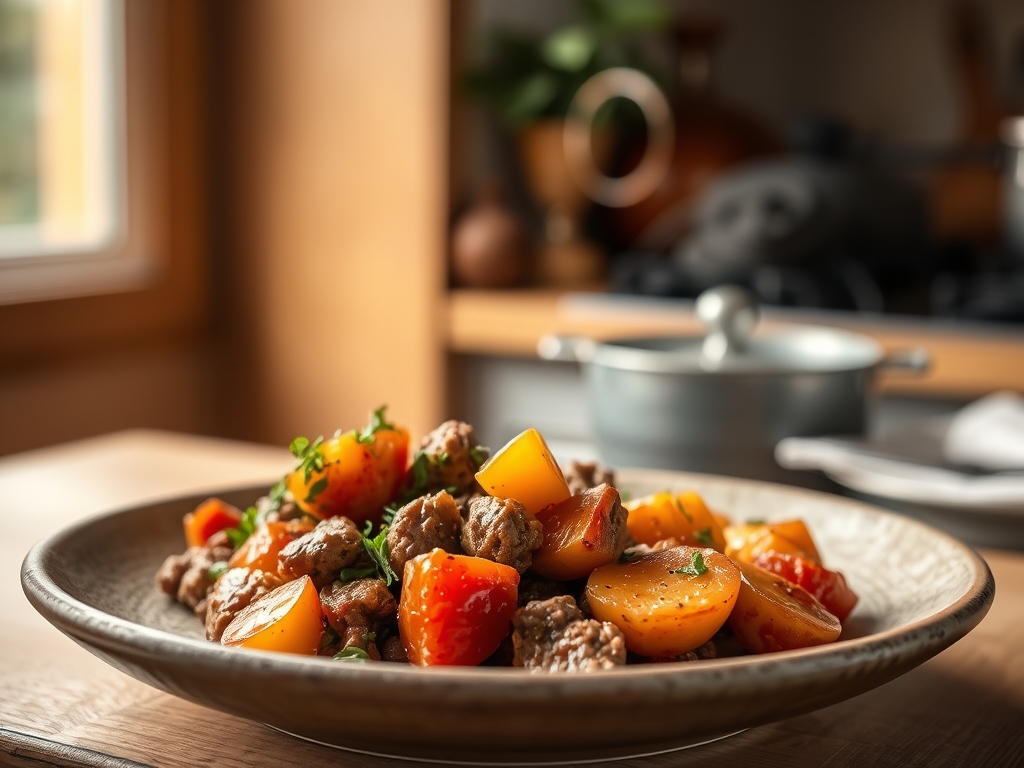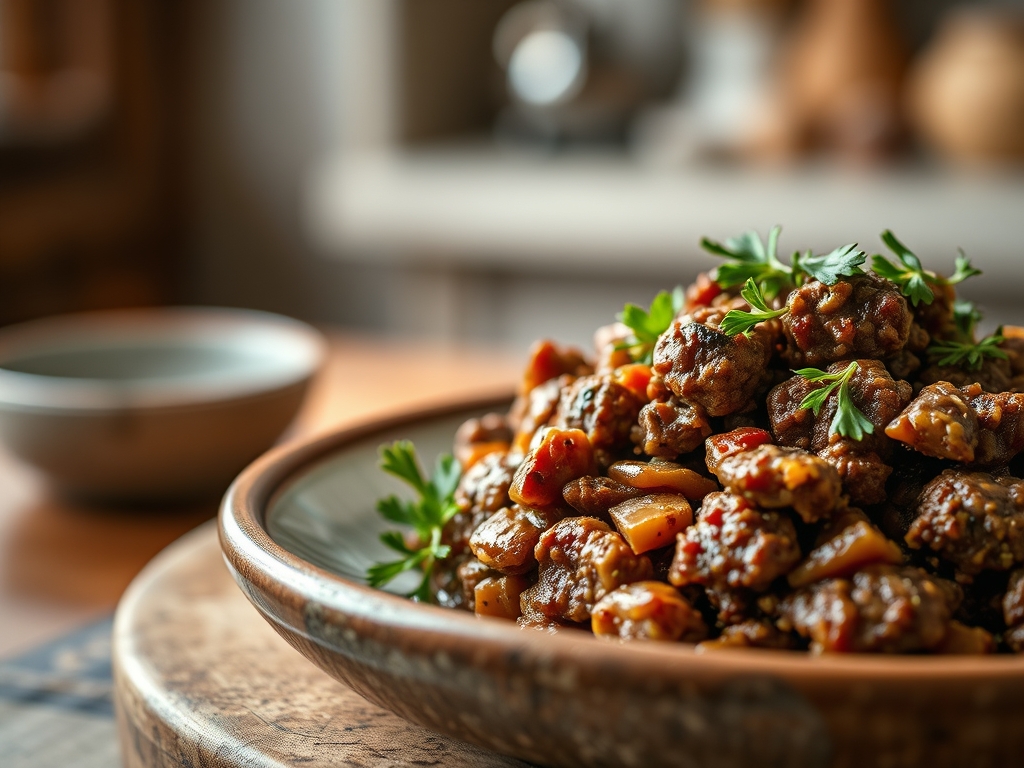
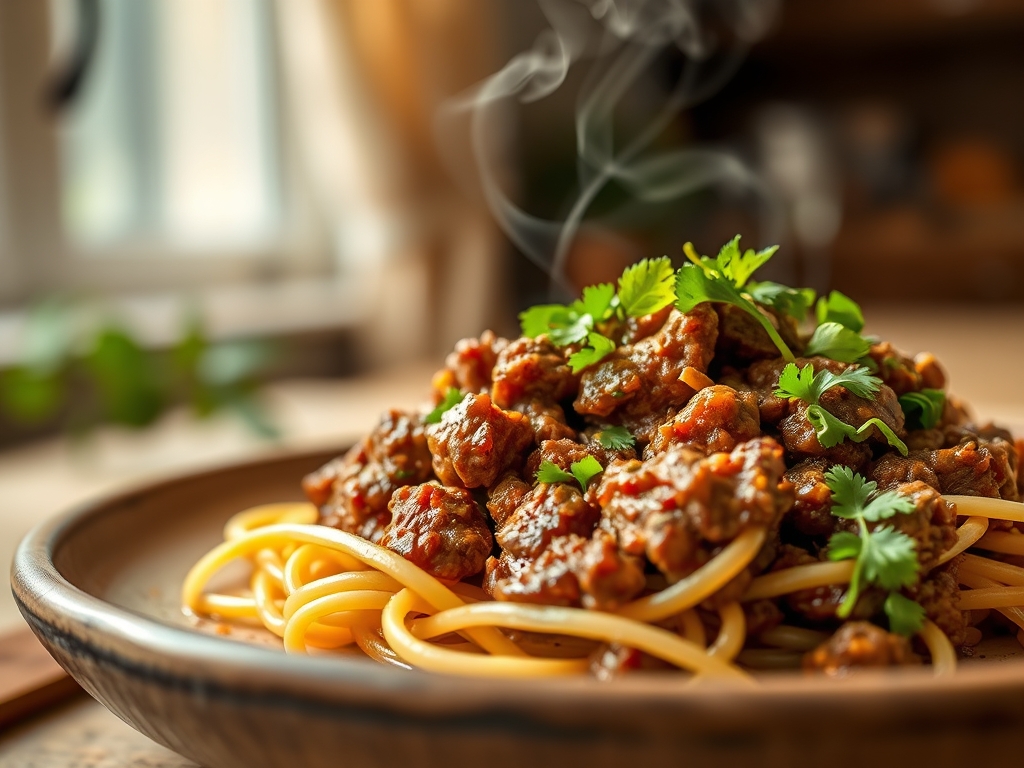
Imagine the sound of cold, marbleized fat hitting a screaming hot cast iron skillet. It is that instantaneous sizzle; a violent, beautiful transformation where proteins break down into hundreds of new flavor compounds. You are hungry, tired, and definitely do not have an hour to spare. This is where asian ground beef recipes easy become your absolute culinary lifeline. We are talking about deep, umami-rich flavors that taste like they simmered for hours, but actually hit the table in under fifteen minutes. By leveraging high surface area and rapid heat transfer, we can achieve a perfect crust while keeping the interior succulent. Whether you are craving a spicy Szechuan kick or a sweet soy glaze, these six variations utilize the same foundational techniques to deliver restaurant-quality results. We are going to master the art of the quick sear and the emulsified sauce, ensuring every bite is a balanced explosion of salt, fat, acid, and heat. Let us get your apron on and your burners lit.
The Gathers:
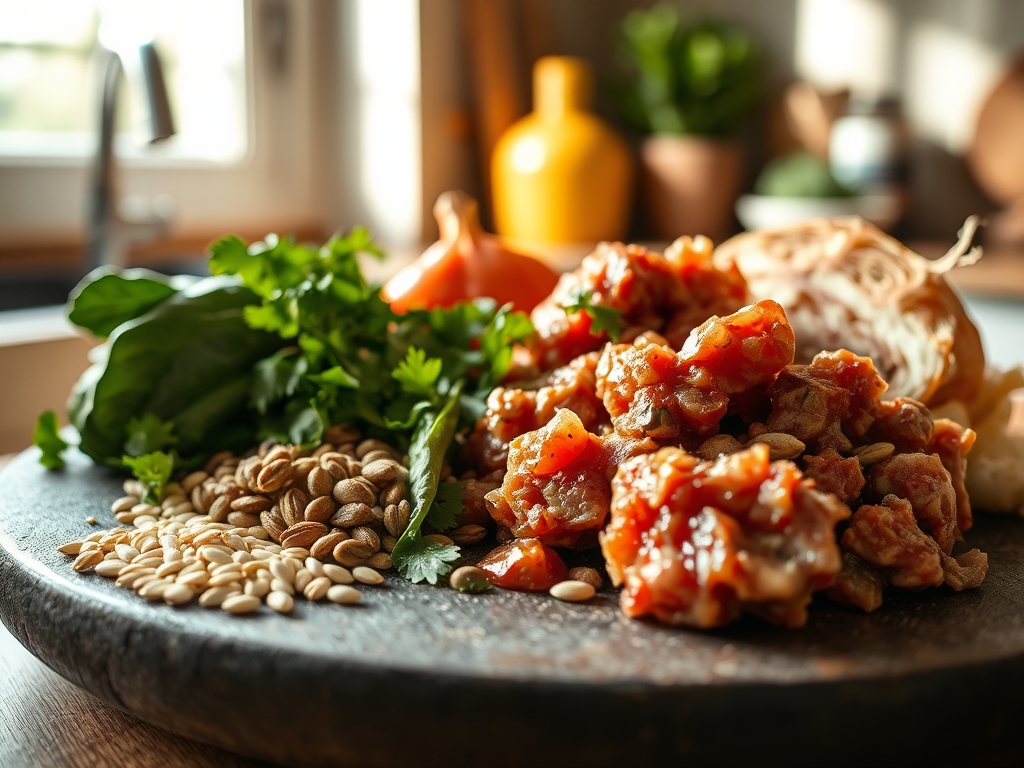
To execute these meals with precision, your mise-en-place must be flawless. Start with high-quality ground beef; ideally a 80/20 blend. The 20 percent fat content is non-negotiable because it acts as the primary vehicle for flavor and prevents the meat from becoming granular and dry during the high-heat Maillard reaction. You will need aromatics that provide a pungent base: fresh ginger, garlic cloves, and scallions. Use a microplane to grate your ginger into a fine paste; this increases the surface area and allows the gingerols to infuse the oil almost instantly.
For the liquid components, gather premium soy sauce for salinity, toasted sesame oil for its nutty aroma, and rice vinegar to provide a bright, acidic counterpoint. If you want to elevate the texture, keep cornstarch on hand to create a slurry. This will transform thin juices into a glossy, viscous sauce that clings to every morsel of beef.
Smart Substitutions: If you are watching your sodium, swap soy sauce for liquid aminos or coconut aminos. For those who lack fresh aromatics, a high-quality garlic paste or ginger squeeze-bottle can work, though the flavor profile will be less vibrant. If beef is not on the menu, ground turkey or a plant-based crumble can be substituted, provided you add a teaspoon of neutral oil to compensate for the lower fat content.
The Clock
Efficiency in the kitchen is about Chef's Flow, which is the logical sequencing of tasks to minimize downtime. In these 15-minute recipes, the clock starts the moment you touch your bench scraper.
- Minutes 1-4 (The Prep): Mince your aromatics and whisk your sauce components in a small saucier. Do not wait for the pan to heat up before you start chopping.
- Minutes 5-10 (The Sear): This is the active cooking phase. It takes roughly 5 minutes to fully render the fat and achieve a deep brown crust on the beef.
- Minutes 11-15 (The Finish): Add your vegetables and sauces. This final window allows for thermal carryover to finish the cooking process without overextending the proteins.
By following this rhythm, you ensure that the rice or noodles are finishing exactly when the beef is at its peak.
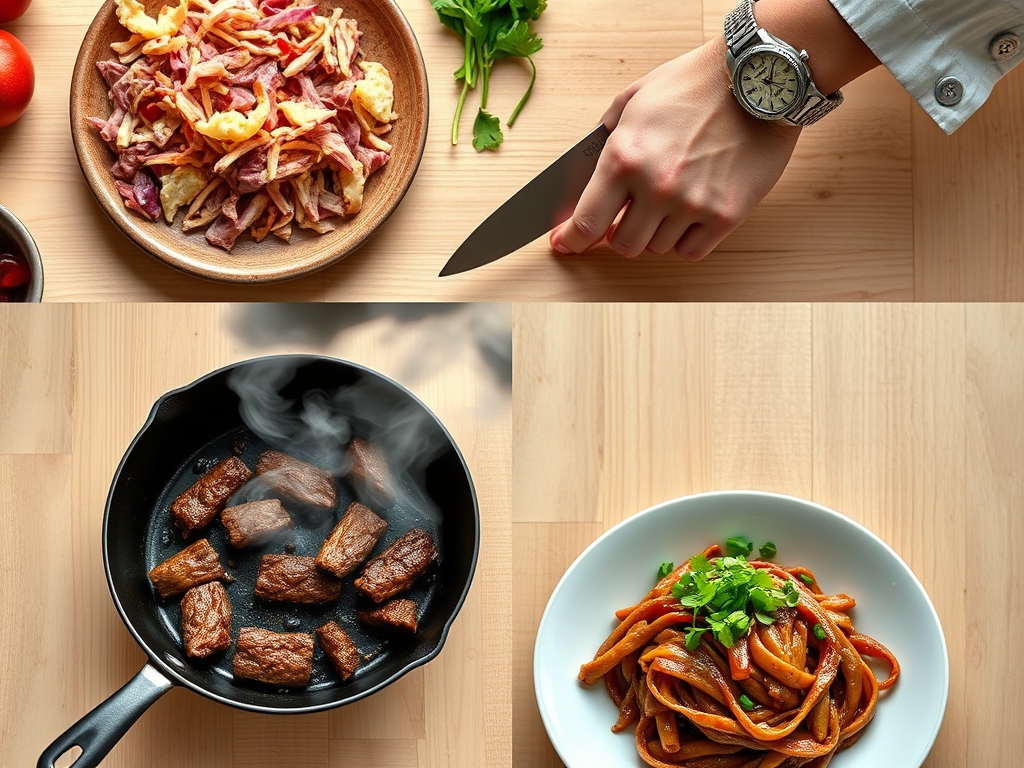
The Masterclass
1. The High-Heat Sear
Place your heavy-bottomed skillet over medium-high heat until a drop of water dances and evaporates instantly. Add the beef in a single layer. Do not stir it immediately. Let it sit for at least two minutes to develop a dark, caramelized crust.
Pro Tip: This is the Maillard reaction in action. By resisting the urge to stir, you allow the amino acids and reducing sugars to reorganize, creating the complex, savory flavors that define great beef.
2. Deglazing and Aromatics
Once the meat is browned, push it to the perimeter of the pan. Add your garlic and ginger to the center fat. As they become fragrant, pour in your liquid sauce base to deglaze the pan. Use tongs or a wooden spoon to scrape up the brown bits (the fond) from the bottom.
Pro Tip: Deglazing captures the concentrated flavor stuck to the pan. The liquid acts as a solvent, lifting those toasted proteins and incorporating them back into the sauce for maximum depth.
3. Emulsifying the Sauce
If your recipe calls for a thick finish, whisk a teaspoon of cornstarch with cold water and pour it into the simmering liquid. Stir constantly until the sauce transitions from cloudy to clear and glossy.
Pro Tip: This is starch gelatinization. The starch granules swell and trap water, increasing the viscosity of the sauce so it coats the meat evenly rather than pooling at the bottom of the bowl.
4. The Fresh Finish
Turn off the heat before adding delicate ingredients like scallion greens, cilantro, or a final drizzle of toasted sesame oil. Toss everything together using a quick folding motion.
Pro Tip: Volatile aromatic compounds in sesame oil and fresh herbs are heat-sensitive. Adding them at the very end ensures their piquant scents reach your nose rather than evaporating into the vent hood.
The Deep Dive
Macro Nutrition: On average, a serving of these beef dishes provides 25-30 grams of protein and 15-20 grams of fat. To balance the plate, serve over cauliflower rice or fiber-rich brown rice.
Dietary Swaps:
- Keto: Replace sugar or hoisin with liquid stevia or monk fruit sweetener. Use cabbage slaw as a base instead of rice.
- Vegan: Use crumbled extra-firm tofu that has been pressed to remove moisture. Increase the soy sauce slightly to mimic the savory depth of beef.
- Gluten-Free: Always verify your oyster sauce and soy sauce labels; Tamari is the gold standard for GF Asian cooking.
The Fix-It:
- Too Salty: Add a splash of rice vinegar or a squeeze of lime. The acid cuts through the sodium perception.
- Too Greasy: If the beef rendered more fat than expected, use a rolled-up paper towel held by tongs to blot the excess oil from the pan before adding the sauce.
- Bland Flavor: You likely missed the sear. Add a teaspoon of toasted sesame seeds or a dash of fish sauce to provide an instant umami boost.
Meal Prep Science: When reheating, add a tablespoon of water before microwaving. This creates steam that re-hydrates the protein fibers, preventing that "leathery" texture often found in leftover beef.
The Wrap-Up
Mastering asian ground beef recipes easy is about understanding that speed does not require a sacrifice in quality. By utilizing high heat, proper aromatic timing, and a few key pantry staples, you can transform a humble pound of beef into a gourmet experience. Remember to watch your pan, respect the sear, and always finish with something fresh. You have the tools, the science, and the flavor profile to dominate dinner tonight. Now, go get cooking!
The Kitchen Table
Can I freeze these ground beef meals?
Yes. Cooked ground beef dishes freeze beautifully for up to three months. Ensure the beef is completely cooled before sealing in an airtight container to prevent ice crystal formation, which can degrade the meat's texture upon thawing.
What is the best way to cook the rice quickly?
Use a pressure cooker or a dedicated rice steamer. If you are truly short on time, high-quality frozen jasmine rice pouches can be steamed in the microwave in three minutes, providing a consistent texture that rivals fresh-cooked grains.
How do I make the beef extra crispy?
Pat the raw beef dry with paper towels to remove surface moisture. Moisture creates steam, which prevents browning. Cook in small batches to maintain high pan temperatures and avoid overcrowding, which leads to "stewing" rather than searing.
Why is my sauce not thickening?
Your sauce must reach a simmer to activate the cornstarch. If it remains thin, ensure your slurry was mixed with cold water first; adding dry starch to a hot pan creates insoluble lumps that will not thicken the liquid properly.