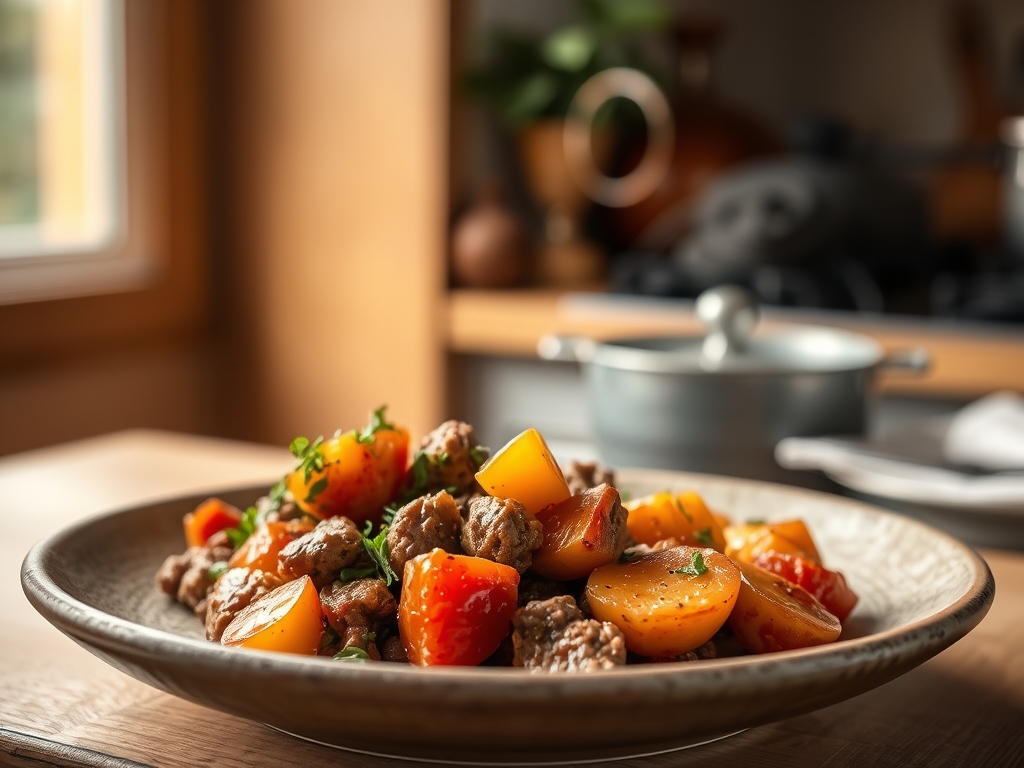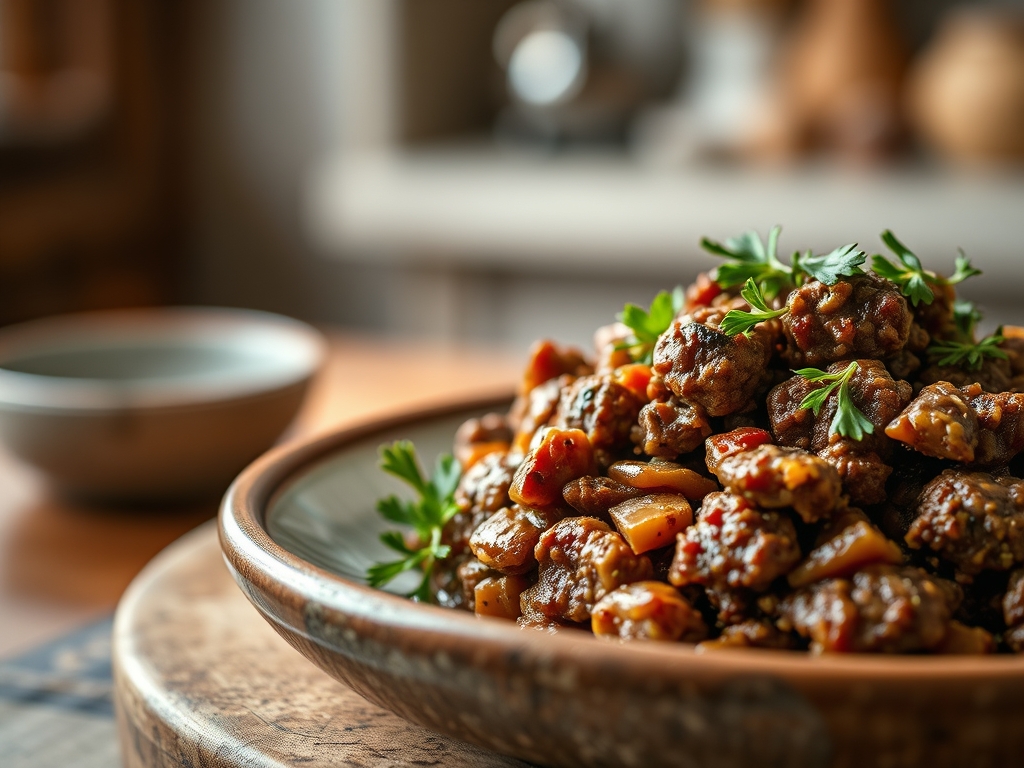
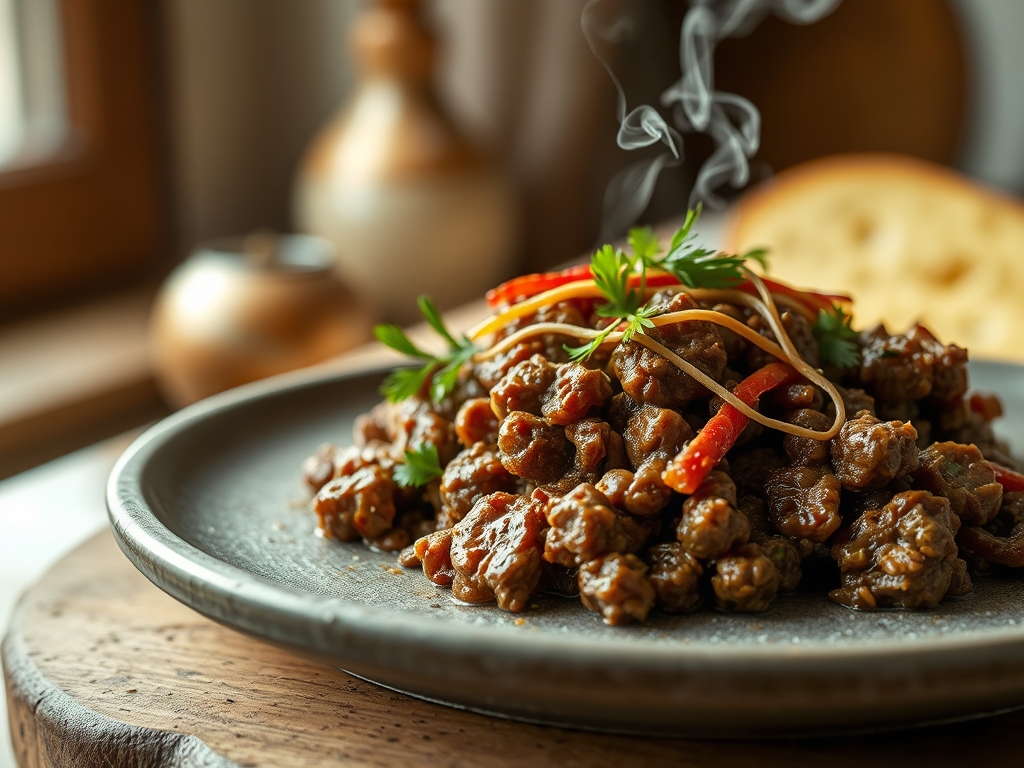
Sizzle is the sound of a weekday win. There is a specific, primal satisfaction in watching protein hit a hot heavy-bottomed skillet; the immediate release of savory aromatics signals that a real meal is imminent. When you are balancing a chaotic schedule with a fitness goal, finding healthy easy ground beef recipes is the ultimate culinary cheat code. It is the most versatile canvas in your refrigerator.
Ground beef is a powerhouse of bioavailable iron and zinc, but it often gets a bad reputation because of poor technique. We are moving past the greasy, bland crumbles of the past. By understanding how to render fat properly and when to introduce acidity, you can transform a simple pound of chuck into a gourmet experience. Whether you are craving a piquant Korean bowl or a Mediterranean-inspired skillet, these eight variations utilize the same foundational science to ensure you never eat a boring dinner again. We are going to master the art of the sear, the science of the deglaze, and the efficiency of a professional kitchen flow. Grab your favorite wooden spoon and let's get to work.
The Gathers:
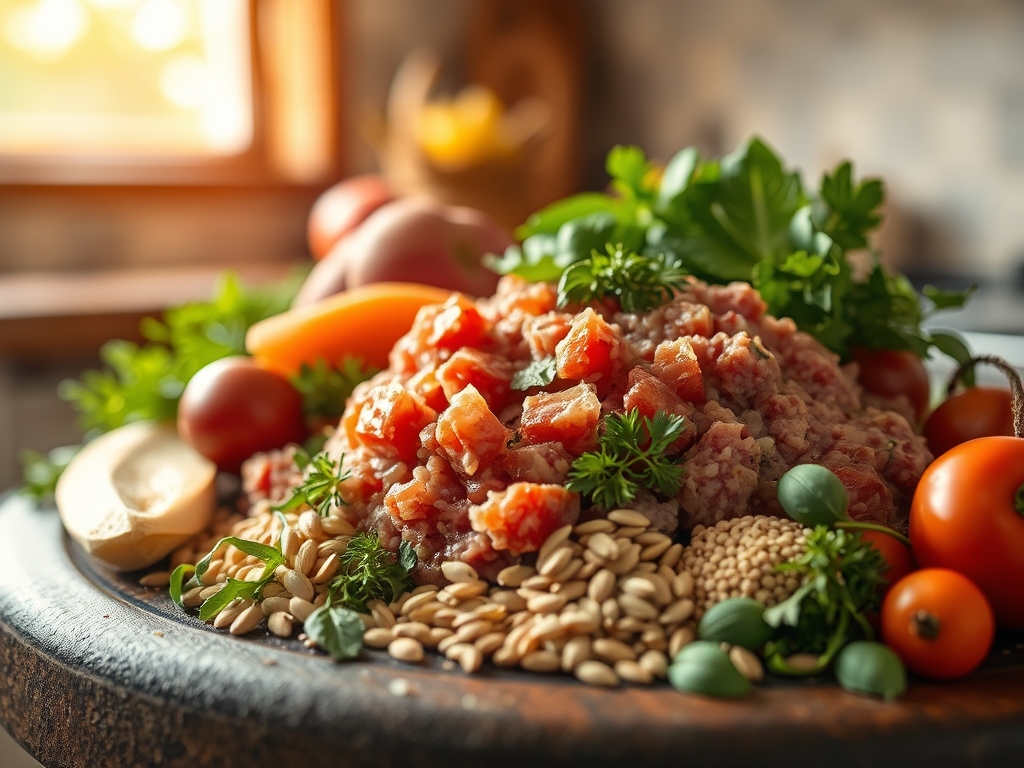
Before the heat is even a thought, we must address the mise-en-place. To execute healthy easy ground beef recipes with precision, your station must be organized. Start with high-quality, grass-fed beef if possible; the lipid profile contains higher levels of Omega-3 fatty acids compared to grain-finished counterparts. You will need a digital scale to portion your protein into precise 4-ounce servings, ensuring consistent cooking times and caloric accuracy.
Next, gather your aromatics. Use a microplane to grate fresh ginger and garlic; this increases the surface area and allows the essential oils to infuse the fat more rapidly. For the "Smart Substitutions," consider replacing traditional breadcrumbs with almond flour or finely pulsed cauliflower to maintain a viscous texture without the glycemic spike. Instead of sugary bottled sauces, keep coconut aminos, rice vinegar, and a high-quality fish sauce nearby. These fermented liquids provide that deep umami punch that makes healthy food taste indulgent. Finally, ensure your vegetables are uniform. Use a sharp chef knife or a mandoline to create thin ribbons of zucchini or matchstick carrots. Consistency in size ensures that every component reaches peak tenderness at the exact same moment.
The Clock:
In a professional kitchen, we talk about "Chef's Flow." This is the sequence of operations that minimizes downtime. For these healthy easy ground beef recipes, your total active time should never exceed 15 minutes, with a total cook time of 10 to 12 minutes. The secret is the "Parallel Path" method.
While your heavy-bottomed skillet is preheating (this takes about 3 minutes to reach the Leidenfrost point), you should be chopping your quickest-cooking greens. The beef itself only requires about 6 to 8 minutes of direct contact with heat. If you are serving your beef over a base like quinoa or cauliflower rice, start those first. By the time the beef has finished its Maillard transformation and had a brief 2-minute rest to allow for thermal carryover, your base will be fluffy and ready for plating. This synchronized timing ensures that no component of the dish sits long enough to become soggy or cold.
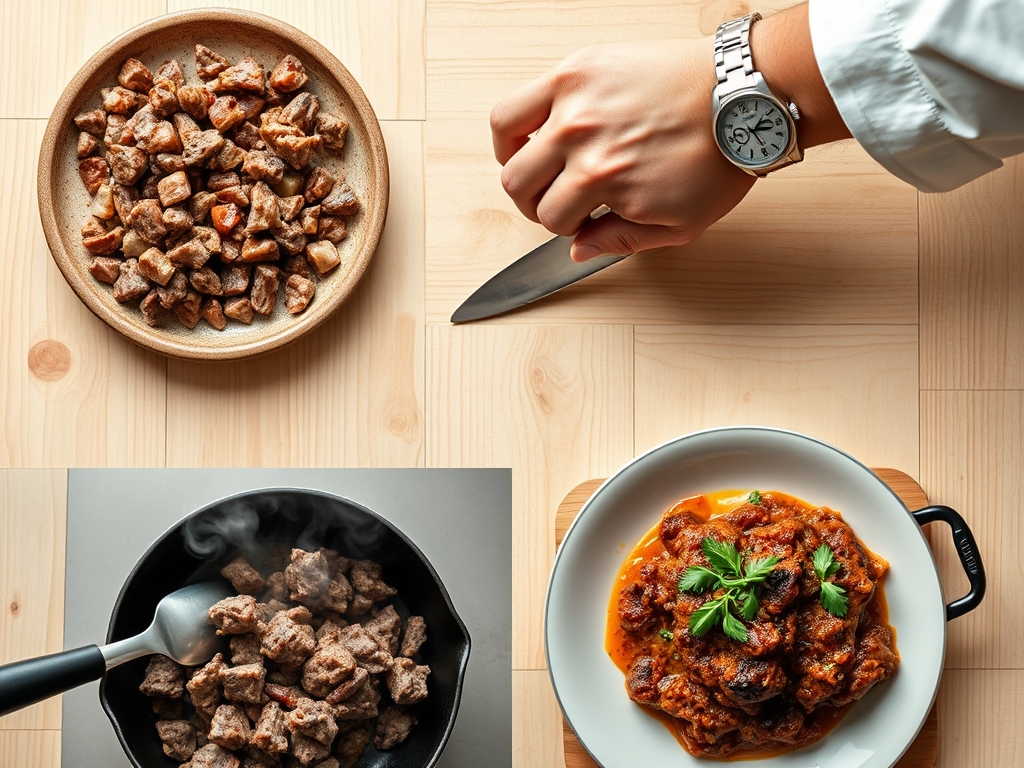
The Masterclass:
1. The Pre-Sear Tempering
Remove your beef from the refrigerator 15 minutes before cooking. Cold meat causes the pan temperature to plummet, which leads to steaming rather than searing. By bringing the protein closer to room temperature, you ensure an even cook.
Pro Tip: This prevents "thermal shock." When cold protein hits a hot surface, the muscle fibers contract violently, squeezing out moisture and leaving you with tough, dry crumbles.
2. Achieving the Maillard Reaction
Place the beef in a single layer in the hot skillet. Do not move it for at least 3 minutes. You are looking for a deep, golden-brown crust. This chemical reaction between amino acids and reducing sugars creates hundreds of different flavor compounds.
Pro Tip: This is the Maillard reaction. Moving the meat too early prevents the surface temperature from reaching the 285 degree Fahrenheit threshold required for these complex flavors to develop.
3. Rendering and Draining
As the beef browns, the intramuscular fat will render into a liquid state. If you are using a higher fat percentage for flavor, use a slotted spoon to remove the beef once browned, then discard the excess grease before returning the meat to the pan to finish with aromatics.
Pro Tip: Rendering is the process of melting solid fats. By draining the excess, you significantly reduce the caloric density of the dish without sacrificing the flavor locked into the seared crust.
4. Deglazing for Depth
Once your beef and aromatics are fragrant, add a splash of liquid such as beef bone broth or a piquant vinegar. Use a wooden spatula to scrape up the brown bits (the fond) stuck to the bottom of the pan.
Pro Tip: Deglazing incorporates the "fond," which is concentrated flavor. This technique creates a self-made sauce that coats the meat, ensuring every bite is infused with intensity.
The Deep Dive:
When we look at the macro nutrition of these healthy easy ground beef recipes, we are aiming for a high-protein, moderate-fat, and low-carbohydrate profile. A standard 4-ounce serving of 90/10 ground beef provides roughly 22 grams of protein and 10 grams of fat. By pairing this with fibrous vegetables, you create a high-satiety meal that stabilizes blood sugar.
For dietary swaps, the transition is seamless. If you are plant-based, crumbled tempeh or a mushroom-walnut blend mimics the texture of ground beef; just ensure you add a teaspoon of smoked paprika to replicate the earthy depth of meat. For those on a Keto protocol, lean into healthy fats by topping your beef bowls with avocado or a dollop of full-fat Greek yogurt. If you are Gluten-Free, always verify that your flavor enhancers, like soy sauce, are replaced with tamari or coconut aminos.
The "Fix-It" guide for common pitfalls:
- The Gray Meat Syndrome: This happens when the pan is overcrowded. Fix it by cooking in two batches or using a larger skillet to allow steam to escape.
- The Salt Bomb: If you over-seasoned, add a splash of acidity (lemon juice or rice vinegar) to brighten the dish and mask the excess sodium.
- The Dry Crumble: If the beef is overcooked, stir in two tablespoons of bone broth or a little tomato purée to rehydrate the protein fibers.
For meal prep, reheating science is key. Avoid the microwave if possible, as it vibrates water molecules too aggressively, toughening the beef. Instead, reheat in a small saucier over low heat with a tablespoon of water; this creates a gentle steam environment that restores "day-one" moisture levels.
The Wrap-Up:
Mastering healthy easy ground beef recipes is about more than just filling a bowl; it is about reclaiming your time without compromising your standards. When you understand the science of the sear and the importance of the fond, you turn a budget-friendly staple into a rotating menu of high-performance fuel. These eight variations are your roadmap to a week of vibrant, nourishing, and genuinely delicious dinners. Now, get into that kitchen and show that skillet who is boss.
The Kitchen Table:
How do I keep ground beef from getting tough?
Avoid overworking the meat before it hits the pan. Use a spatula to gently break it apart rather than mashing it. Ensure the pan is hot enough to sear quickly, preventing the muscle fibers from drying out during a long cook.
What is the healthiest fat percentage for ground beef?
Look for 90/10 or 93/7 lean-to-fat ratios. These provide enough fat for flavor and moisture while keeping the saturated fat content manageable. You can always add healthy fats like olive oil or avocado later in the process.
Can I freeze these ground beef recipes?
Yes, ground beef dishes freeze exceptionally well. Allow the meal to cool completely to prevent ice crystals. Store in airtight containers for up to three months. Reheat slowly with a splash of broth to maintain the original texture and moisture.
How do I add flavor without adding calories?
Utilize dry spices, fresh herbs, and aromatics like garlic and ginger. Acidic components like lime juice or vinegars add a "bright" profile that mimics the satisfaction of salt and fat without the caloric load of heavy oils or sugary sauces.