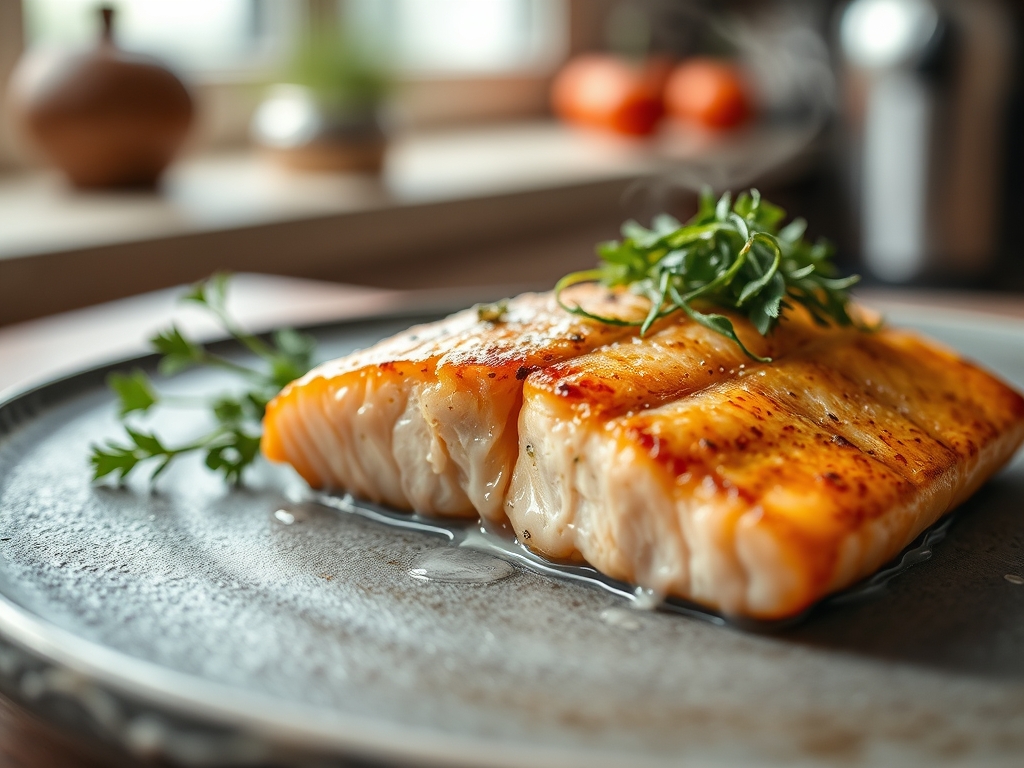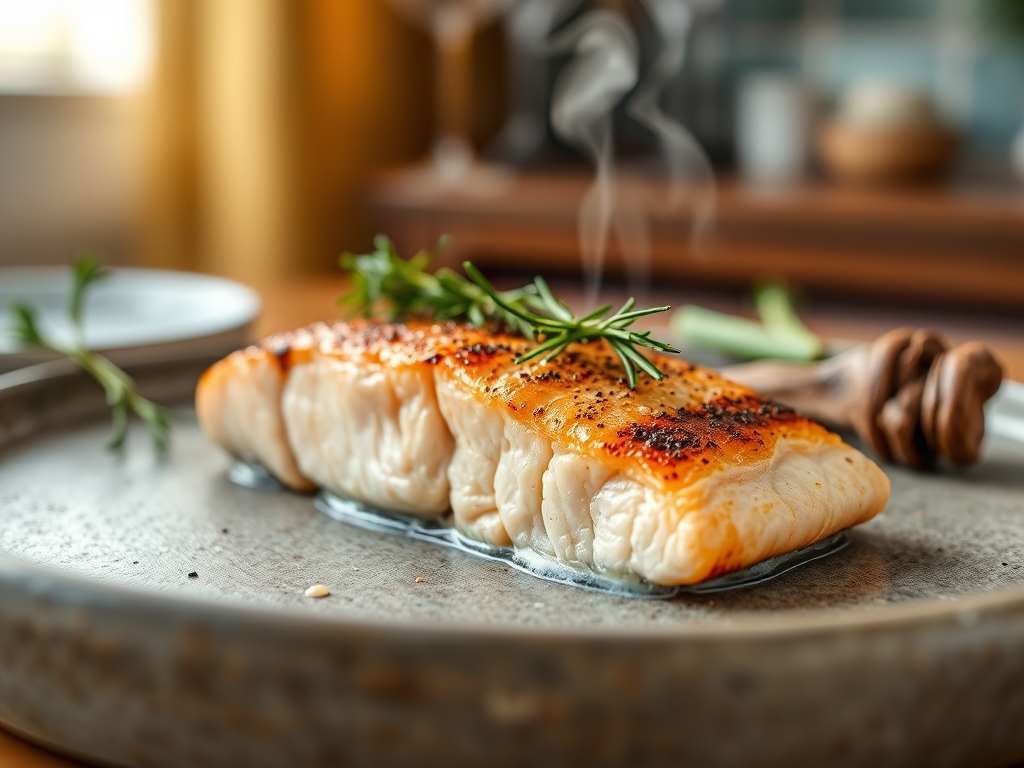
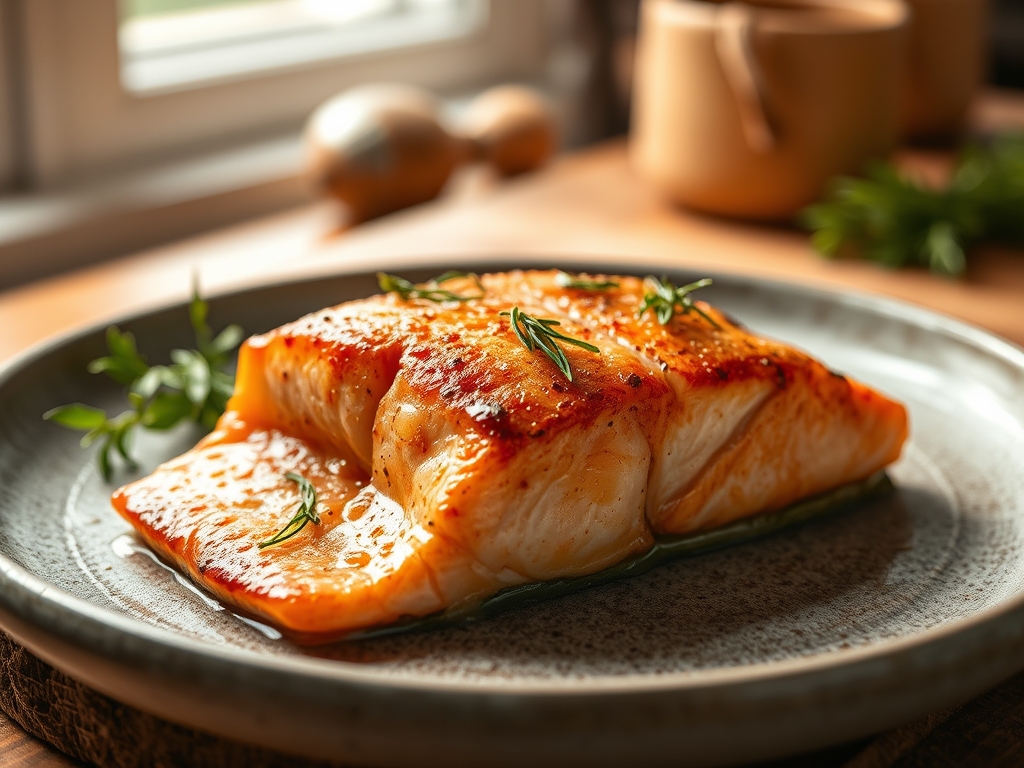
Picture a heavy-bottomed skillet shimmering with a thin veil of avocado oil as a center-cut fillet of sockeye hits the surface with a violent, musical hiss. This is the sound of moisture rapidly evaporating to create that coveted glass-like crust. When you are hunting for diabetic friendly salmon recipes, you are not just looking for a meal; you are looking for a metabolic masterpiece that balances blood sugar without sacrificing the piquant, fatty luxury of a perfectly seared fish.
Salmon is the undisputed heavyweight champion of the diabetic kitchen. Its high omega-3 fatty acid content acts as a natural anti-inflammatory agent, while the high-quality protein ensures a slow, steady glucose release rather than a jagged spike. We are moving beyond the bland, steamed fillets of the past. Today, we are harnessing the power of the Maillard reaction to create deep, savory complexity that satisfies the palate and the pancreas simultaneously.
The beauty of these ten hearty preparations lies in their versatility. Whether we are talking about a citrus-infused ceviche or a cedar-planked roast, the goal remains the same: high density nutrition with zero compromise on flavor. Let us roll up our sleeves and get into the molecular grit of why these ingredients work so hard for your body.
The Gathers:
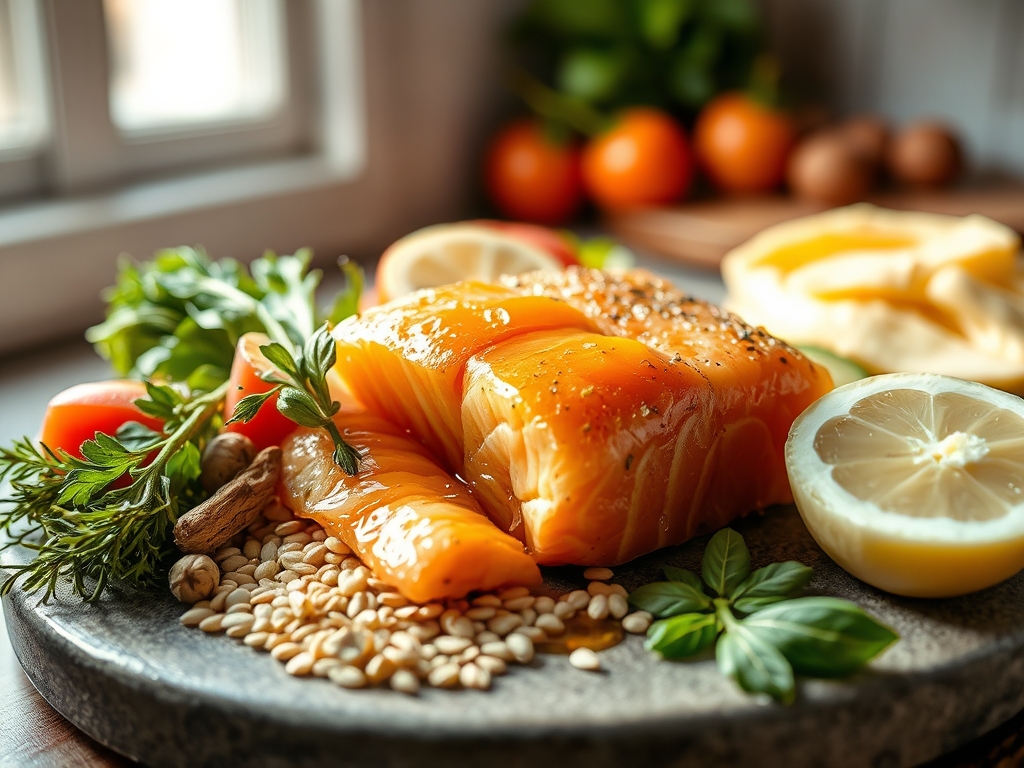
Before we ignite the burners, we must organize our mise-en-place with surgical precision. Use a digital scale to ensure your portions are consistent; typically, five to six ounces of raw protein is the sweet spot for glycemic control. On your workstation, you should have a microplane for zesting citrus, a set of high-tension tongs, and a sharp chef's knife for clean, cellular-level cuts.
Our primary fats should be heat-stable. Avocado oil or ghee are superior to butter here because they have higher smoke points, preventing the formation of bitter acrylates. For aromatics, focus on "The Holy Trinity" of diabetic cooking: garlic, ginger, and shallots. These contain organosulfur compounds that may assist in insulin sensitivity.
Smart Substitutions:
Instead of honey or brown sugar glazes, we utilize a splash of balsamic vinegar or a pinch of monk fruit sweetener to achieve that viscous, syrupy reduction. Swap heavy cream for a splash of full-fat coconut milk or a dollop of Greek yogurt to maintain a luxurious mouthfeel without the lactose-driven sugar load. If a recipe calls for breadcrumbs, reach for almond flour or crushed walnuts to add a nutty crunch that provides healthy fats instead of refined carbohydrates.
The Clock
Efficiency in the kitchen is about understanding "Chef's Flow." For these diabetic friendly salmon recipes, the active prep time is usually fifteen minutes, with a cook time of under ten. The real secret is the "Rest Phase." Just as you wouldn't run a marathon and immediately sit in an ice bath, you cannot cut into salmon the moment it leaves the heat.
Allowing the fish to rest for three to five minutes allows the muscle fibers to relax and reabsorb the internal juices. If you cut too soon, the albumin (that white protein) will purge, leaving you with a dry, chalky result. Total time from fridge to table is roughly twenty-five minutes; a perfect window for a weeknight win.
The Masterclass
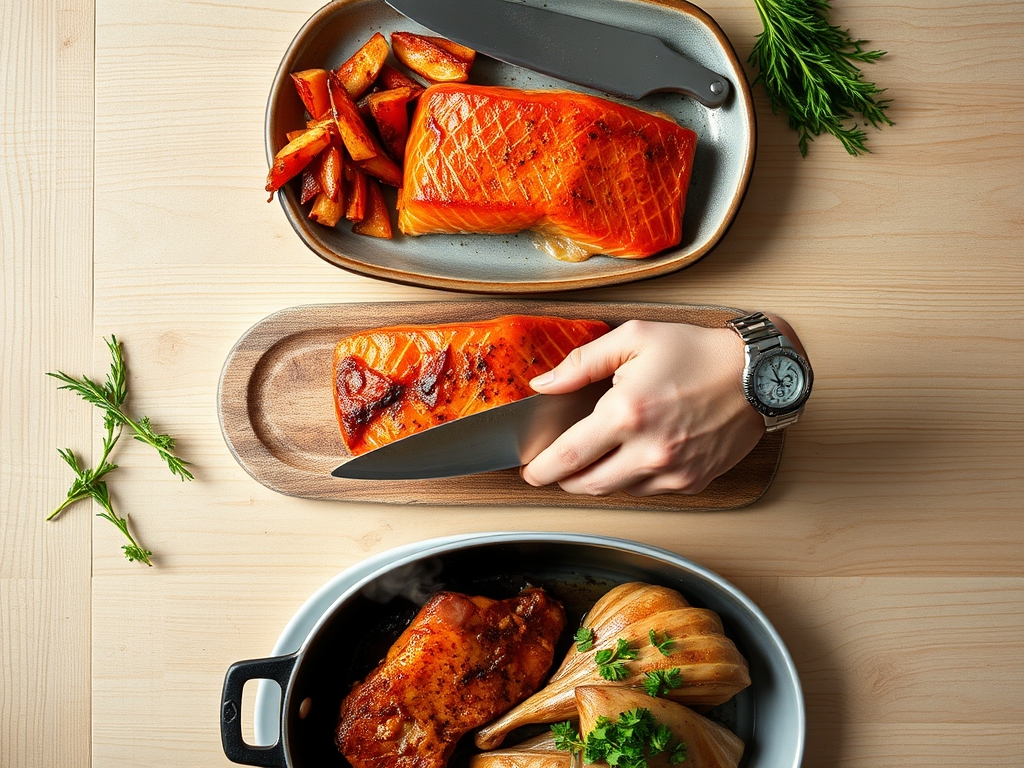
1. The Surface Preparation
Pat the skin bone-dry with a lint-free paper towel. Moisture is the enemy of the sear. Use your bench scraper to clear the board of any debris before seasoning generously with kosher salt.
Pro Tip: This process is called osmotic dehydration. By removing surface moisture, you ensure the heat goes directly into crisping the skin rather than steaming the flesh.
2. The Temperature Calibration
Heat your heavy-bottomed skillet over medium-high until the oil shimmers but does not smoke. Use an infrared thermometer if you have one; you are aiming for 375 degrees Fahrenheit.
Pro Tip: This prevents thermal shock, which causes the fish to stick to the pan. A hot pan creates an immediate sear that allows the fish to "release" naturally once the proteins have coagulated.
3. The Skin-Side Commitment
Place the salmon skin-side down and press firmly with a flexible spatula for thirty seconds. This prevents the natural tendency of the skin to curl as the collagen shrinks.
Pro Tip: This is the rendering phase. By holding the skin flat, you render the subcutaneous fat, which bastes the meat from the bottom up and creates a crisp, cracker-like texture.
4. The Aromatics Infusion
When the fish is 70 percent cooked, toss in crushed garlic and fresh thyme. Use a large spoon to baste the hot, flavored oil over the top of the fillet.
Pro Tip: This is fat-soluble flavor extraction. The essential oils in the herbs are released into the fat, which then permeates the fish without overcooking the delicate interior.
5. The Final Pull
Remove the salmon when the internal temperature hits 125 degrees Fahrenheit for medium-rare. The temperature will continue to rise as it sits.
Pro Tip: This is thermal carryover. If you wait until it is "done" in the pan, it will be overcooked by the time it hits the plate. Residual heat is a powerful tool.
The Deep Dive
When we look at the macro nutrition, a standard serving provides roughly 35g of protein, 15g of healthy fats, and 0g of carbohydrates. This makes it a "free food" in many glycemic indexing systems.
Dietary Swaps:
For a vegan alternative, use extra-firm tofu pressed for two hours to mimic the density of fish. For Keto enthusiasts, double the herb butter. For those who are Gluten-Free, ensure your soy sauce is replaced with tamari or liquid aminos to avoid hidden wheat thickeners.
The Fix-It:
- The Fish Sticked: You likely tried to flip it too early. Wait for the protein to naturally detach from the metal.
- White Gunk (Albumin): You cooked it too fast at too high a heat. Lower the flame to prevent the protein from "squeezing" out its moisture.
- Soggy Skin: You didn't dry the skin enough or you put a lid on the pan. Never cover searing fish; it traps steam.
Meal Prep:
To reheat without turning your salmon into a hockey puck, use the "Low and Slow" method. Place it in a 275-degree oven with a teaspoon of water and cover it tightly with foil. This creates a mini-steam chamber that restores the viscous texture of the fats without re-cooking the proteins.
The Wrap-Up
Mastering diabetic friendly salmon recipes is about more than just managing a condition; it is about reclaiming the joy of high-end gastronomy. By focusing on the science of the sear and the chemistry of aromatics, you transform a simple piece of fish into a culinary event. Remember to trust your tools, watch your temperatures, and never skip the rest. Your kitchen is now a lab of flavor and health.
The Kitchen Table
Can I eat salmon skin on a diabetic diet?
Yes, the skin contains the highest concentration of omega-3 fatty acids and collagen. When seared until crisp, it provides a satisfying texture that replaces the need for starchy breading or high-carb coatings.
What is the best oil for searing salmon?
Use avocado oil or refined light olive oil. These have high smoke points, meaning they won't break down into inflammatory compounds at the temperatures required to achieve a proper Maillard reaction on the fish.
How do I tell if salmon is done without a thermometer?
Press the side of the fillet with a fork. If the flakes separate easily along the white fat lines (the lamellae), the fish is ready. It should be opaque on the outside and translucent pink in the center.
Why is salmon better than white fish for diabetics?
Salmon has a higher fat-to-protein ratio. These healthy fats slow down the digestion of the entire meal, which leads to a flatter glucose curve and longer-lasting satiety compared to leaner white fish like cod.