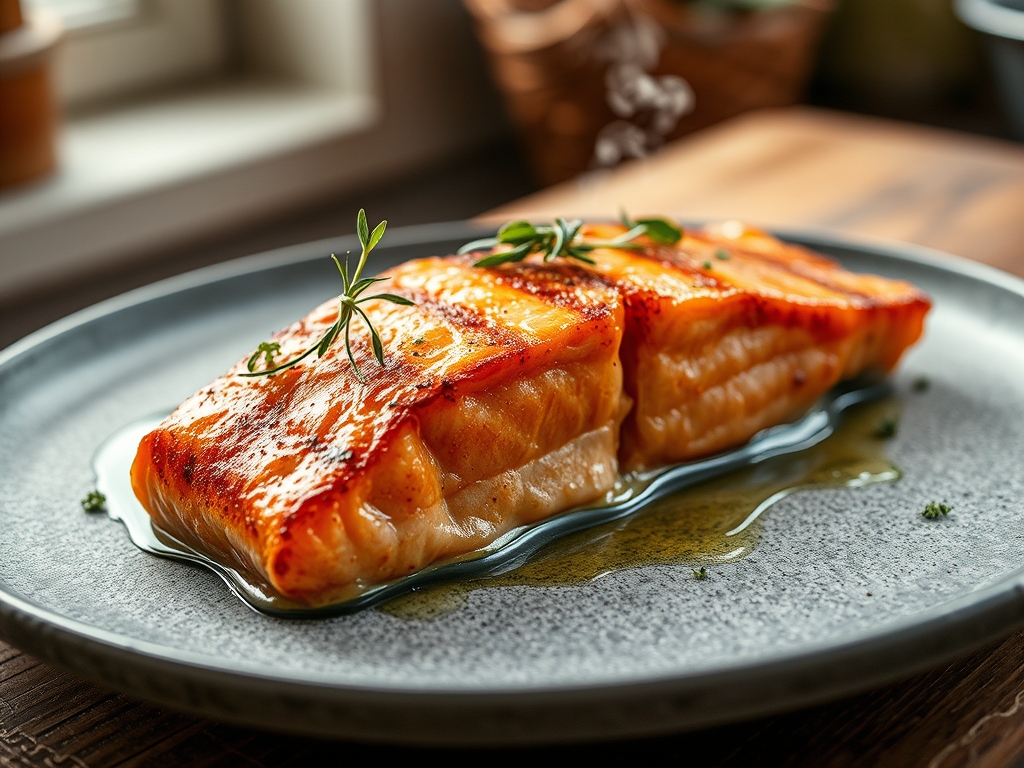
Imagine a humid August afternoon where the thought of standing over a roaring stove feels like a personal affront to your sanity. This is where the magic of cold salmon recipes jamie oliver enters the chat; it is the ultimate culinary pivot from heavy winter stews to vibrant, refreshing elegance. We are talking about flaked, buttery fillets chilled to perfection and paired with zesty, herbaceous dressings that make your palate sing. Cold salmon is not just a leftover; it is a deliberate, sophisticated choice that relies on the contrast between fatty omega-3s and acidic brightness. When you master the art of the chill, you unlock a texture that is silky and dense rather than flaky and dry. It is the kind of meal that looks like you spent hours in a professional kitchen, yet it allows you to remain cool, calm, and collected. Whether you are hosting a garden party or just prepping a high-protein lunch, these ten variations on the Jamie Oliver classic will become your new kitchen obsession.
The Gathers:
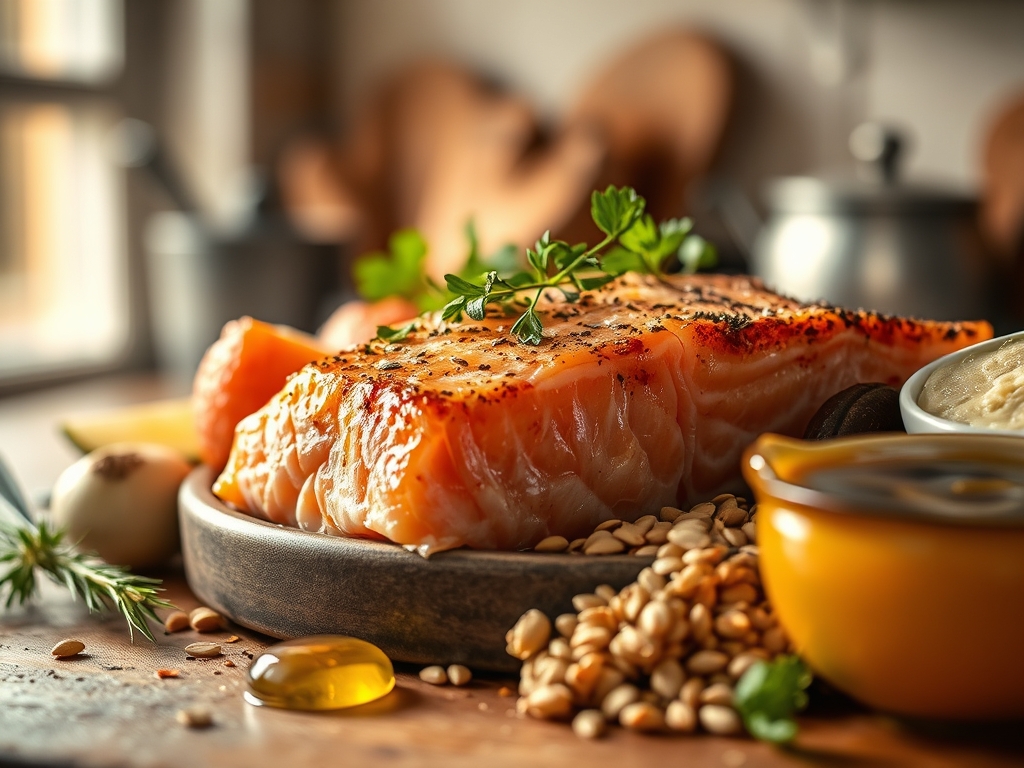
To execute these cold salmon recipes jamie oliver style, your mise-en-place must be impeccable. We start with high-quality, skin-on Atlantic or Sockeye salmon fillets. The skin acts as a thermal buffer during the initial sear, protecting the delicate proteins from toughening. You will need a microplane for zesting lemons and grating fresh ginger; this tool ensures the essential oils are released without the bitter pith. Grab a bunch of fresh dill, mint, and flat-leaf parsley. The volatile oils in these herbs provide the piquant punch that cuts through the fish's natural richness.
For the base liquids, keep a bottle of extra virgin olive oil and a bright white wine vinegar or verjuice on hand. If you are looking for smart substitutions, swap the traditional sour cream for a viscous Greek yogurt to increase the protein density while maintaining that signature tang. If you are avoiding dairy, a tahini-lemon emulsion offers a nutty, earthy depth that complements the cold fish beautifully. Ensure your digital scale is ready; precision in the salt-to-acid ratio is what separates a home cook from a chef.
The Clock
Efficiency in the kitchen is all about the "Chef's Flow." For these recipes, expect a total active time of 15 minutes, with a passive cooling window of at least two hours. The flow begins with the "Hot Phase," where you cook the salmon just until it reaches an internal temperature of 125 degrees Fahrenheit. Then comes the "Transition Phase," where the fish rests at room temperature to prevent the proteins from seizing in the fridge. Finally, the "Chill Phase" allows the flavors to infuse and the fats to set. By prepping the dressing while the fish cools, you maximize your time and ensure the herbs stay vibrant and green rather than oxidizing.
The Masterclass
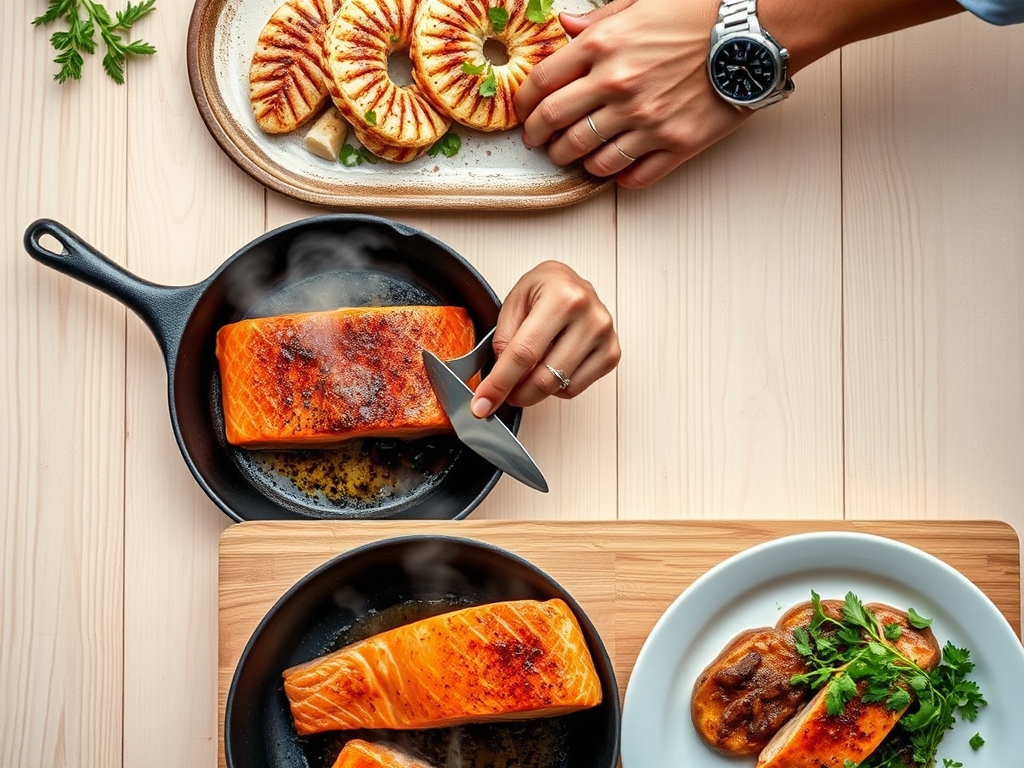
1. The Precision Sear
Place your fillets in a heavy-bottomed skillet with a splash of oil. Start skin-side down over medium-high heat to render the fat and create a crisp barrier.
Pro Tip: This stage utilizes the Maillard reaction, creating complex flavor compounds. By keeping the skin on during the cook, you retain the moisture within the flesh through a process called thermal insulation.
2. The Gentle Poach Option
If you prefer a softer texture, submerge the salmon in a saucier filled with simmering water, aromatics, and peppercorns. Keep the water at a "shiver" rather than a boil.
Pro Tip: Keeping the temperature below 180 degrees Fahrenheit prevents the albumin (that white protein goo) from squeezing out of the muscle fibers, resulting in a cleaner, prettier fillet.
3. The Controlled Cool-Down
Once cooked, move the salmon to a wire rack using tongs. Do not crowd them; airflow is essential to stop the cooking process immediately.
Pro Tip: This prevents thermal carryover, where the residual heat continues to cook the center of the fish. Rapid cooling preserves the delicate, translucent pink hue of the salmon.
4. The Herbaceous Emulsion
In a small bowl, whisk together your lemon juice, oil, and herbs. Use a whisk to aerate the mixture, creating a temporary emulsion that coats the fish evenly.
Pro Tip: Adding a teaspoon of Dijon mustard acts as a stabilizer. The mucilage in the mustard seeds surrounds the oil droplets, preventing the dressing from breaking on the plate.
5. The Final Flake
Once the salmon is stone-cold, use a bench scraper or your fingers to gently break it into large, rustic chunks. Avoid over-handling to keep the structural integrity of the flakes.
Pro Tip: Cold salmon has higher structural stability because the fats have solidified. This allows for clean breaks along the natural connective tissue known as myocommata.
The Deep Dive
From a macro perspective, cold salmon is a nutritional powerhouse. A standard 150g serving provides roughly 30g of high-quality protein and 12g of healthy fats, primarily Omega-3 fatty acids. For those following a Keto lifestyle, this dish is a dream; simply double down on the olive oil dressing. Vegan friends can swap the salmon for pressed, marinated "tofu steaks" using the same herb profiles. If you are Gluten-Free, you are already safe, as these recipes rely on whole, unprocessed ingredients.
The Fix-It:
- Dry Fish: If you overcooked the salmon, flake it finely and fold it into a "salmon rillette" with extra Greek yogurt and capers to restore moisture.
- Bland Flavor: If it tastes flat, it needs more acid. A splash of apple cider vinegar or a pinch of flaky sea salt will brighten the profile.
- Soggy Skin: If you want the skin but it lost its crunch, remove it, flash-fry it separately in a pan until it is a "salmon crackling," and crumble it over the top.
Meal Prep Science: To maintain "day-one" quality, store the salmon and dressing in separate airtight containers. Do not dress the fish until the moment of serving. This prevents the acid in the dressing from "denaturing" the proteins further, which can lead to a mushy texture over time.
The Wrap-Up
Mastering cold salmon recipes jamie oliver style is like adding a secret weapon to your culinary arsenal. It is the intersection of science and soul; understanding how temperature affects protein structure while embracing the bold, fresh flavors of summer. You are now equipped to turn a simple piece of fish into a sophisticated, chilled masterpiece that defies the heat. So, grab your microplane, find the freshest herbs you can, and get chilling. Your future, cooler self will thank you.
The Kitchen Table
How long does cold cooked salmon stay fresh?
Cooked salmon remains safe and delicious for up to three days when stored in an airtight container in the refrigerator. Ensure it reaches room temperature before refrigerating to prevent condensation, which can lead to a soggy texture and faster spoilage.
Why is my cold salmon sometimes fishy?
Fishiness is caused by the breakdown of trimethylamine oxide into trimethylamine. To prevent this, use the freshest fish possible and rinse the fillets under cold water before cooking. Adding acidic elements like lemon or vinegar also neutralizes these odorous compounds effectively.
Can I freeze cooked salmon for later?
While you can freeze it for up to two months, the texture will change. The freezing process creates ice crystals that rupture cell walls, often resulting in a drier flake once thawed. It is best enjoyed fresh or within the three-day fridge window.
What is the best way to flake salmon?
Wait until the salmon is completely chilled to ensure the fats have set. Use your fingers or a fork to gently press along the natural white lines of the fillet. This allows the fish to separate into beautiful, large, tender flakes.