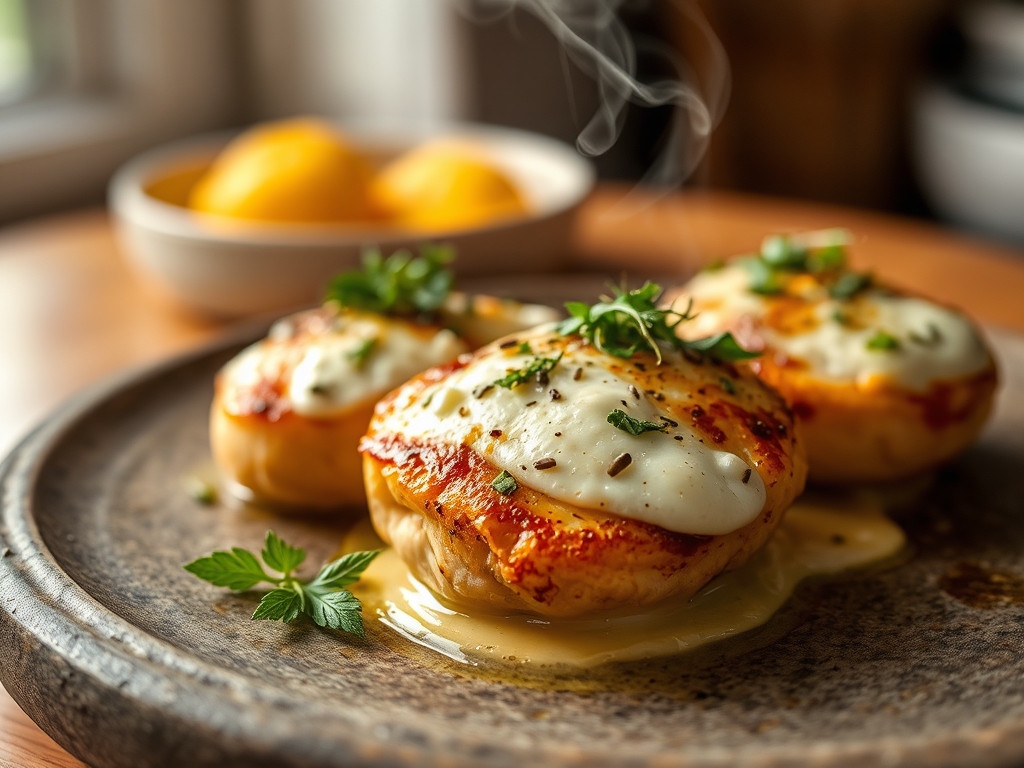
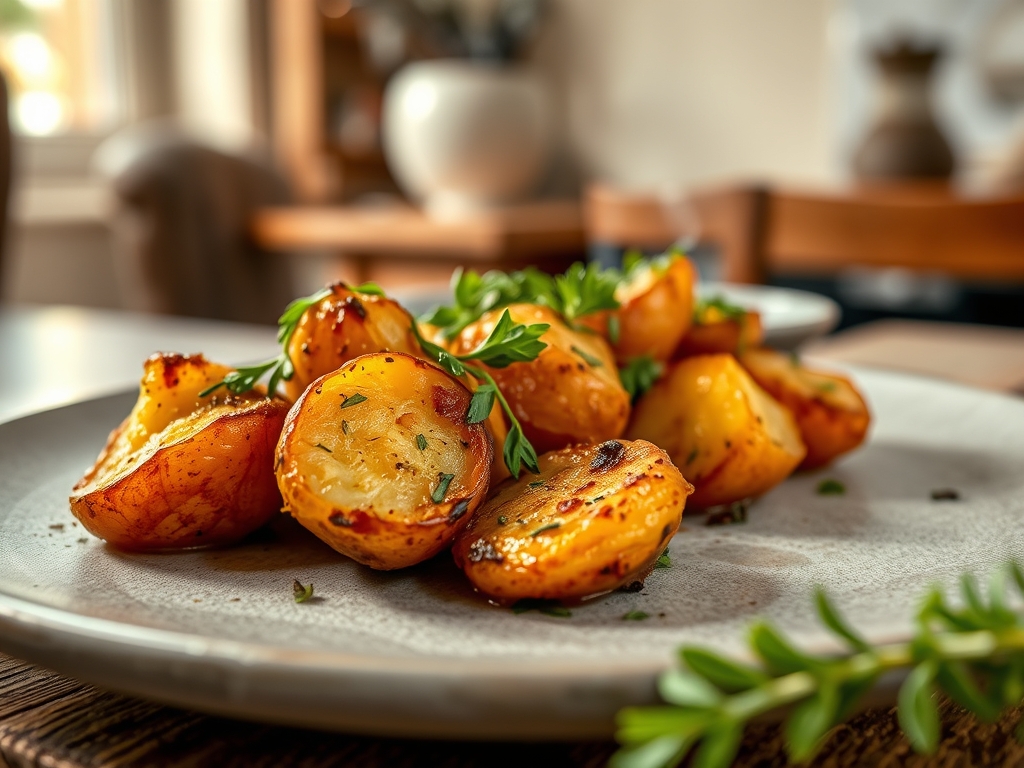
Listen closely because your stovetop is about to become a stage for the most satisfying alchemy in the culinary world. There is a specific, primal magic that happens when cold starch meets seasoned metal. If you have been searching for the ultimate cast iron potato recipes, you are likely chasing that elusive contrast: a glass-shattering exterior coupled with a center as fluffy as a cloud. Achieving this is not about luck; it is about mastering the physics of heat transfer and the chemistry of the Maillard reaction. We are moving beyond the soggy, unevenly browned spuds of your past. Today, we are leveraging the massive thermal mass of your skillet to create a crust so deep and flavorful that it borders on the transcendental. Grab your favorite heavy-bottomed skillet and a bench scraper; we are going to transform the humble tuber into a masterpiece of texture and taste.
The Gathers:
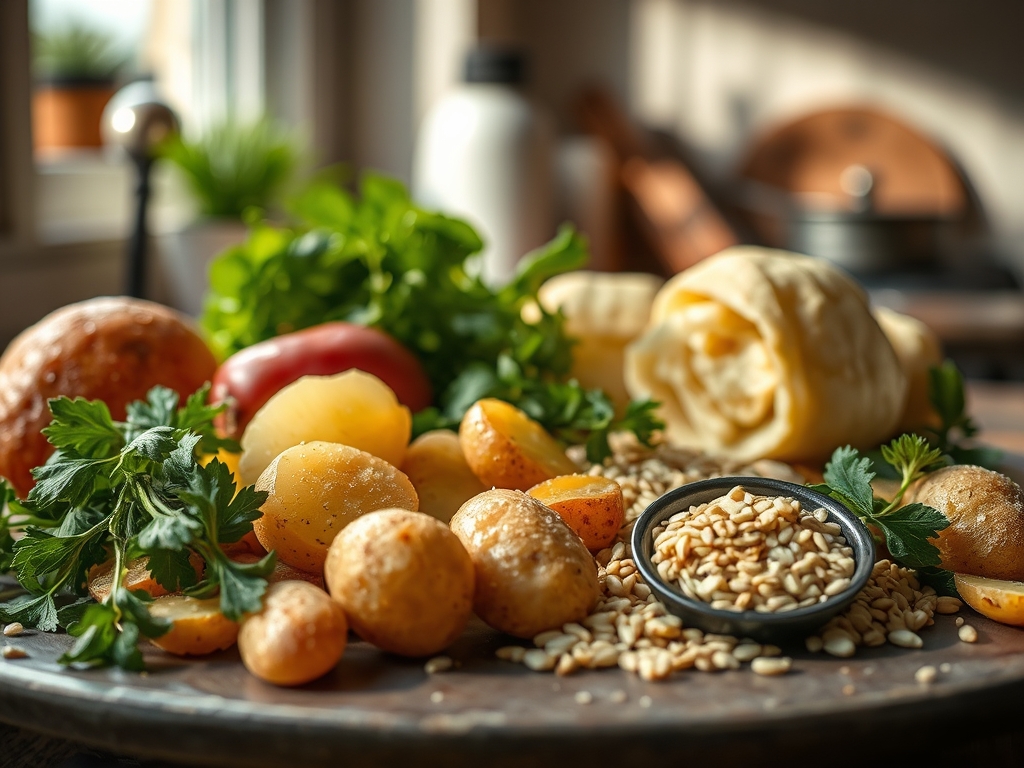
To begin our journey into the world of cast iron potato recipes, we must respect the raw materials. Start with high-starch tubers like Russets or Yukon Golds. Russets provide the highest dry-matter content, which is essential for that iconic "shatter" crunch, while Yukon Golds offer a buttery, viscous interior texture. You will need a high-smoke-point fat; think avocado oil, clarified butter, or rendered duck fat. Avoid extra virgin olive oil for the initial sear, as its low smoke point will result in a bitter, acrid profile.
For seasoning, keep a microplane handy to zest fresh garlic or hard cheeses at the very end. You will also want flaky sea salt and freshly cracked black pepper. Smart Substitutions: If you are avoiding animal fats, use a refined coconut oil for a similar richness without the coconut flavor. If you want a piquant kick, swap the rosemary for smoked paprika and a pinch of cayenne. Always weigh your potatoes on a digital scale to ensure consistent cook times; aim for roughly 1.5 pounds for a standard 10-inch skillet to avoid overcrowding the pan.
The Clock
Efficiency in the kitchen is all about the Chef's Flow. Expect about 15 minutes of active prep time, which includes scrubbing, dicing, and parboiling. The actual "skillet time" will take approximately 25 to 30 minutes. Do not rush this. We are working with conductive heat, and the potatoes need time to develop a structural crust.
The "Flow" looks like this: Start your water boiling first. While the water reaches a tumble, dice your potatoes. By the time you finish dicing, the water is ready for its 8-minute parboil. While they simmer, preheat your cast iron on the stove over medium-low heat. This staggered approach ensures that by the time your potatoes are drained and steamed dry, your skillet is a perfectly primed heat engine ready for the sear.
The Masterclass
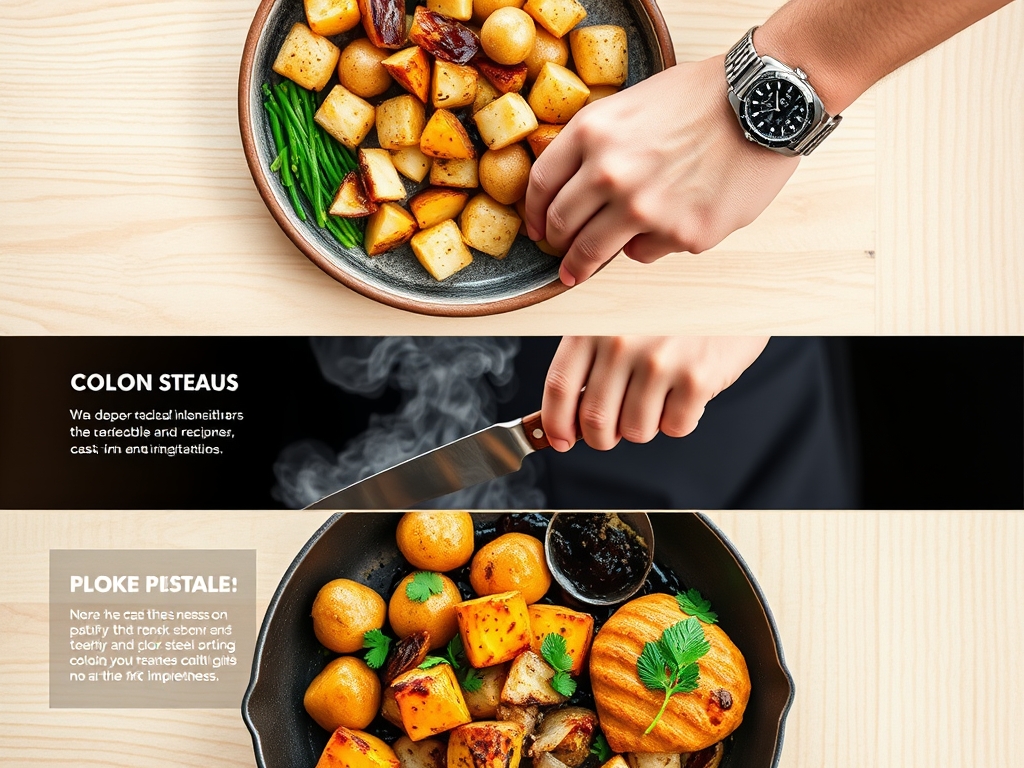
1. The Parboil and Rough-Up
Boil your cubed potatoes in heavily salted water with a splash of vinegar for 8 minutes. Drain them, then give them a vigorous shake in the pot to scuff the edges.
Pro Tip: This creates a starchy "slurry" on the surface. Scientifically, this increases the surface area for the Maillard reaction, leading to a much thicker, crunchier crust than frying raw potatoes ever could.
2. The Thermal Prime
Place your cast iron skillet over medium heat and add your fat. Wait until the oil is shimmering and just beginning to wisps of smoke.
Pro Tip: Cast iron has high emissivity and heat capacity. Preheating ensures that the moment the potato hits the metal, the moisture on the surface evaporates instantly, preventing the potato from sticking to the pan.
3. The Single Layer Rule
Carefully place the potatoes into the skillet using tongs. Do not dump them in. Ensure every piece has direct contact with the metal.
Pro Tip: Overcrowding the pan causes the temperature to drop and traps steam. Instead of searing, you end up steaming the potatoes, which leads to a limp, grey exterior rather than a golden-brown finish.
4. The Patience Phase
Leave the potatoes alone for at least 5 to 7 minutes. Resist the urge to stir or flip them prematurely.
Pro Tip: This allows for enzymatic browning and the development of a "release layer." If the potato is sticking, it usually means the crust has not fully formed yet.
5. The Flip and Render
Once the bottom is deep gold, use a bench scraper or metal spatula to flip the potatoes. Add a knob of butter or an extra tablespoon of oil if the pan looks dry.
Pro Tip: Adding fat mid-way through helps infuse the potatoes with flavor without burning the solids in the fat during the initial high-heat sear.
6. The Aromatic Infusion
During the last 3 minutes of cooking, toss in smashed garlic cloves and woody herbs like thyme or rosemary.
Pro Tip: Fat is a flavor carrier. By adding aromatics at the end, you aerate the oils with herbal notes without burning the delicate leaves, which would happen if added at the start.
7. The Deglaze and Toss
If there are browned bits (fond) stuck to the pan, add a tiny splash of lemon juice or white wine and toss the potatoes quickly.
Pro Tip: This deglazing process picks up concentrated umami flavors from the pan and coats the potatoes in a thin, savory glaze.
8. The Carryover Rest
Transfer the potatoes to a warm bowl and let them sit for two minutes before serving.
Pro Tip: This utilizes thermal carryover. The internal steam redistributes slightly, ensuring the center is perfectly tender while the exterior remains crisp.
The Deep Dive
From a Macro Nutrition perspective, potatoes are a powerhouse of potassium and complex carbohydrates. When cooked in a cast iron skillet, you are also potentially increasing the iron content of your meal. For Dietary Swaps, those on a Keto journey can apply these exact same searing techniques to radishes or cauliflower florets. For a Vegan version, use a high-quality vegan butter or simply stick to avocado oil infused with garlic.
The Fix-It:
- Soggy Potatoes: You likely skipped the "steaming dry" step after parboiling. Next time, let them sit in the hot pot for 2 minutes after draining.
- Burnt Garlic: You added the aromatics too early. Always add garlic in the final minutes.
- Sticking: The pan wasn't hot enough or you didn't use enough fat. Cast iron requires a "lubricated" surface to remain non-stick.
Meal Prep: To reheat, avoid the microwave. Use a small saucier or the same cast iron skillet over medium heat. This "re-fries" the exterior, restoring that day-one crunch by evaporating any moisture that migrated to the surface in the fridge.
The Wrap-Up
You are now armed with the technical prowess to dominate any of your favorite cast iron potato recipes. Remember; cooking is as much about the tools as it is the ingredients. Your heavy-bottomed skillet is a precision instrument designed for this exact type of high-heat transformation. Go forth, scuff those edges, respect the sear, and enjoy the most incredible potatoes of your life. Your kitchen is now a laboratory of flavor, and you are the lead scientist.
The Kitchen Table
Why are my cast iron potatoes sticking?
Potatoes stick when the pan is not preheated or there is insufficient fat. Ensure the oil is shimmering before adding the spuds. This creates an immediate steam barrier that prevents the starch from bonding to the iron.
Can I use red potatoes for this recipe?
Yes, but red potatoes are waxy and have less starch. They will hold their shape beautifully but will not achieve the same thick, "glassy" crunch as a Russet. Increase the searing time slightly for better color.
Do I have to peel the potatoes?
Peeling is optional. Leaving the skins on adds rustic texture and extra fiber. However, for the maximum Maillard surface area, peeling allows the starchy interior to rough up more effectively during the post-boil shake.
How do I get the garlic flavor without burning it?
Add whole, smashed garlic cloves during the last three to five minutes of cooking. This allows the oils to infuse the fat without the garlic bits turning black and bitter in the high heat.
What is the best oil for cast iron frying?
Grapeseed, avocado, or refined peanut oil are best. They have high smoke points, meaning they won't break down into carcinogens or develop off-flavors when subjected to the intense heat required for a perfect potato crust.