Imagine the sharp, cold snap of the Baltic air meeting the buttery, rich warmth of a perfectly seared fillet. This is the heart of Nordic soul food. When you dive into scandinavian salmon recipes, you are not just cooking; you are mastering the delicate balance of salt, smoke, and fat. It is a culinary tradition where the fish is the undisputed star, treated with a reverence that borders on the scientific. Whether we are talking about the translucent silk of gravlax or the golden crust of a pan-seared cut, the goal is always the same: preserving the structural integrity of the protein while elevating its natural oils. We are going to explore nine traditional masterpieces that define the region, from the forest-inspired flavors of dill and juniper to the creamy, comforting depths of a classic Bergen-style soup.
The Gathers:
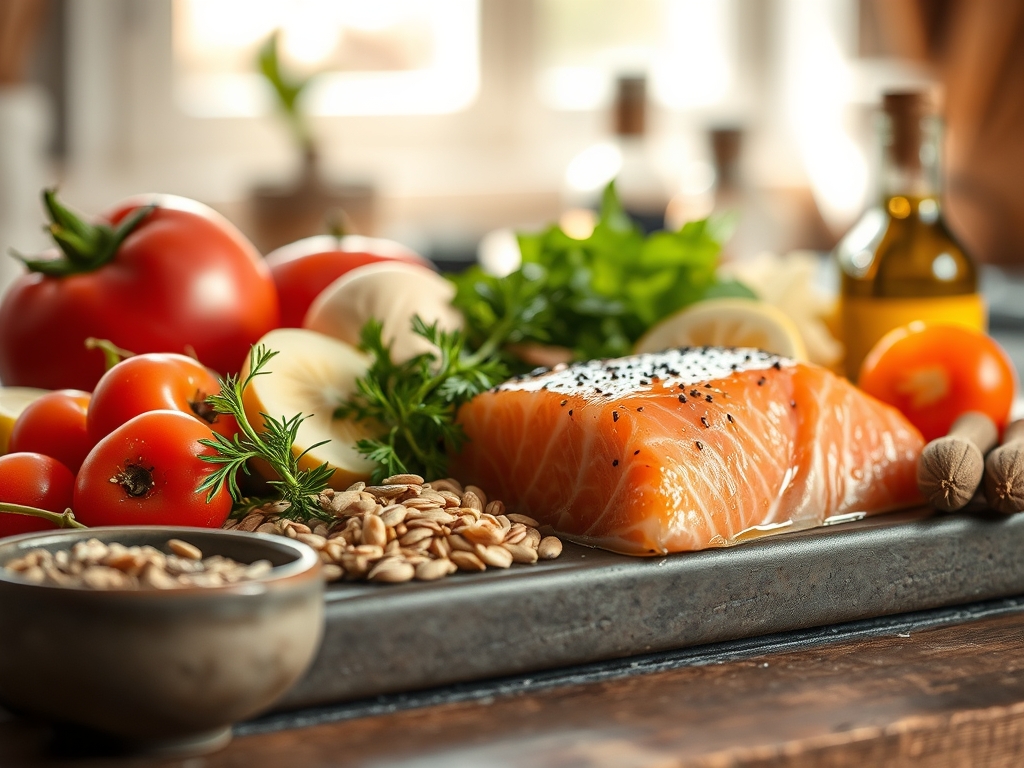
To execute these scandinavian salmon recipes with precision, your mise-en-place must be impeccable. We start with the salmon itself; look for King or Atlantic varieties with high intermuscular fat. You will need coarse sea salt for curing, as the large crystals draw out moisture via osmosis without over-salting the interior. Fresh dill is non-negotiable; its volatile oils provide the characteristic piquant aroma that defines the region.
Gather your aromatics: juniper berries, white peppercorns, and lemons. For the sauces, ensure you have high-fat sour cream or creme fraiche to prevent curdling when introduced to heat. Smart Substitutions: If you cannot find fresh dill, use fennel fronds for a similar anise-like profile. If you are avoiding dairy, a full-fat coconut milk stabilized with a bit of starch can mimic the viscous mouthfeel of traditional Nordic cream sauces. Always use a digital scale for your cure ratios; a 2:1 salt-to-sugar ratio is the gold standard for structural firmness.
The Clock
Efficiency in the kitchen is about understanding the Chef's Flow. For these recipes, the active "hands-on" time is surprisingly low, usually clocking in at 20 to 30 minutes. However, the "passive" time is where the magic happens. A traditional gravlax requires a 48-hour window for the cure to fully denature the proteins.
If you are pan-searing, your "flow" starts with tempering the fish. Taking the salmon out of the fridge 20 minutes early ensures the center reaches the target temperature at the same time the skin achieves a perfect Maillard reaction. Total time for a hot meal is usually 40 minutes from prep to plate, while cured dishes are marathons of patience.
The Masterclass
1. The Precision Cure
Begin by patting your salmon bone-dry with paper towels. Use a bench scraper to clear your workspace before laying out a large sheet of plastic wrap. Combine your salt, sugar, and crushed juniper berries. Rub the mixture vigorously into the flesh side of the fish.
Pro Tip: This process uses denaturation. The salt breaks down the protein strands, effectively "cooking" the fish without heat while the sugar prevents the flesh from becoming too tough.
2. The Cold Infusion
Layer an incredible amount of fresh dill over the salt-rubbed salmon. Sandwich two fillets together, skin-side out, and wrap them tightly. Place a heavy weight, like a cast-iron skillet, on top to force the flavors into the muscle fibers.
Pro Tip: Weighting the fish aids in capillary action, ensuring the brine created by the salt and moisture penetrates deep into the thickest part of the fillet.
3. The Skin-On Sear
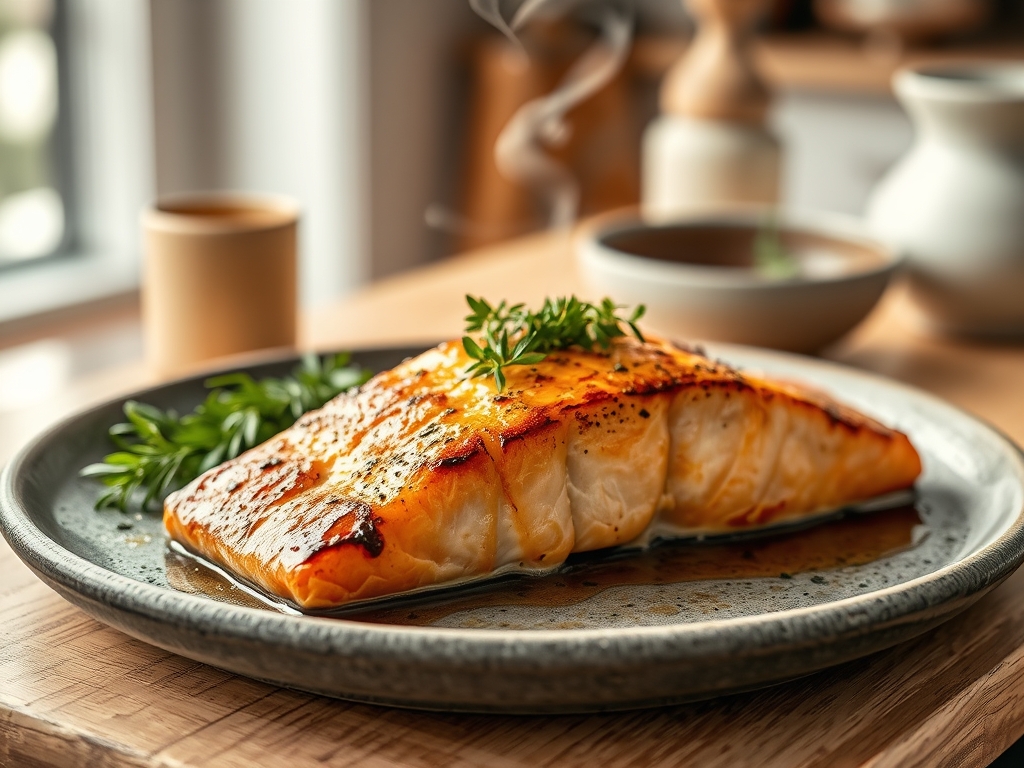
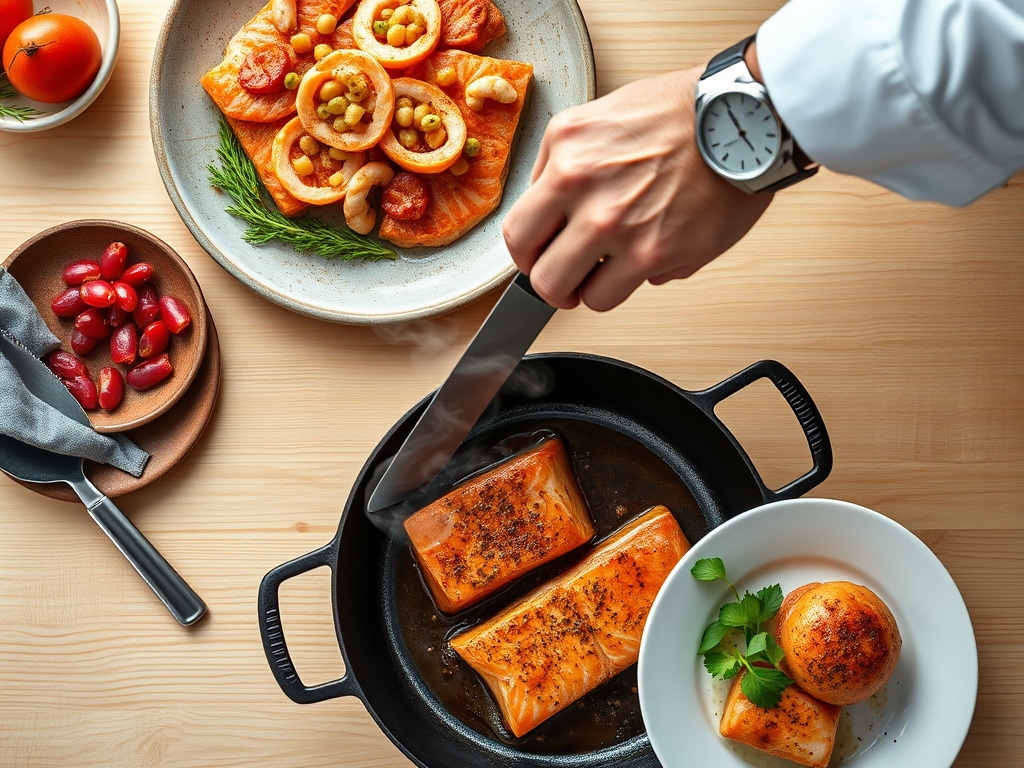
For hot scandinavian salmon recipes, heat a heavy-bottomed skillet until it is shimmering. Place the salmon skin-side down and press firmly with a spatula for 30 seconds. This prevents the skin from curling as the collagen fibers contract.
Pro Tip: This technique facilitates conductive heat transfer. By keeping the skin in direct contact with the pan, you render the subcutaneous fat, resulting in a glass-like crunch.
4. The Creamy Deglaze
Once the fish is removed, use a splash of aquavit or dry white wine to deglaze the pan. Use a saucier if you are making a large batch of sauce to ensure even reduction. Whisk in your cream and mustard slowly to create an emulsion.
Pro Tip: Deglazing captures the fond, those caramelized bits of protein stuck to the pan, which contain the highest concentration of umami.
5. The Gentle Poach
For a traditional Laxsoppa (soup), bring your broth to a simmer, never a boil. Gently submerge cubes of salmon during the last three minutes of cooking.
Pro Tip: Keeping the liquid below 180 degrees Fahrenheit prevents protein coagulation from happening too quickly, which is what causes those unsightly white albumin bubbles to leak out of the fish.
The Deep Dive
From a nutritional standpoint, salmon is a powerhouse of Omega-3 fatty acids and high-quality protein. A standard 6-ounce portion provides roughly 34 grams of protein and 18 grams of healthy fats. For those with dietary restrictions, these recipes are naturally Gluten-Free. To make them Keto-friendly, simply swap the sugar in the cure for an erythritol-based sweetener. For a Vegan alternative, large "steaks" of roasted cauliflower or salt-baked carrots can be treated with the same dill and mustard glazes to mimic the flavor profile.
The Fix-It:
- The Fish is Mushy: This happens if your cure didn't have enough salt or wasn't left long enough. Fix it by quickly pan-searing the exterior to add structure.
- The Sauce Broke: If your cream sauce separates, it likely got too hot. Remove from heat and whisk in a teaspoon of cold heavy cream to re-emulsify the fats.
- The Skin is Soggy: You likely flipped the fish too early. Next time, wait until you see the "cooked" color creep up a third of the way through the side of the fillet before touching it.
Meal Prep: To reheat salmon without it becoming a rubbery mess, use the "Low and Slow" method. Place it in a 275-degree oven with a splash of water and cover with foil. This creates a mini-steam chamber that preserves the moisture levels.
The Wrap-Up
Mastering scandinavian salmon recipes is about embracing the elegance of simplicity. You are taking a few high-quality ingredients and using thermal dynamics and chemical reactions to turn them into something sublime. Whether you are hosting a sophisticated brunch with home-cured gravlax or whipping up a quick weeknight sear, remember that the secret lies in the details. Use your microplane for that fresh lemon zest, trust your digital thermometer, and never underestimate the power of a giant bunch of dill. Now, get into that kitchen and show that salmon who is boss!
The Kitchen Table
How do I stop salmon from sticking to the pan?
Ensure the pan is hot and the fish is bone-dry. Use a high-smoke point oil and let the protein naturally release from the surface once the Maillard reaction has created a crust. Do not force it with tongs.
Can I use frozen salmon for gravlax?
Yes, and it is actually safer. Freezing salmon for 24 hours kills potential parasites. Just ensure it is completely thawed and patted dry before you apply your salt and sugar cure to maintain the correct osmotic balance.
What is the white stuff leaking out of my salmon?
That is albumin, a liquid protein. It squeezed out because the muscle fibers contracted too quickly from high heat. To prevent this, cook the salmon more gently and pull it off the heat at 125 degrees Fahrenheit.
How long does homemade gravlax last?
Once the curing process is complete and the brine is rinsed off, your gravlax will stay fresh in the refrigerator for about five days. Keep it tightly wrapped in plastic to prevent it from absorbing other fridge odors.