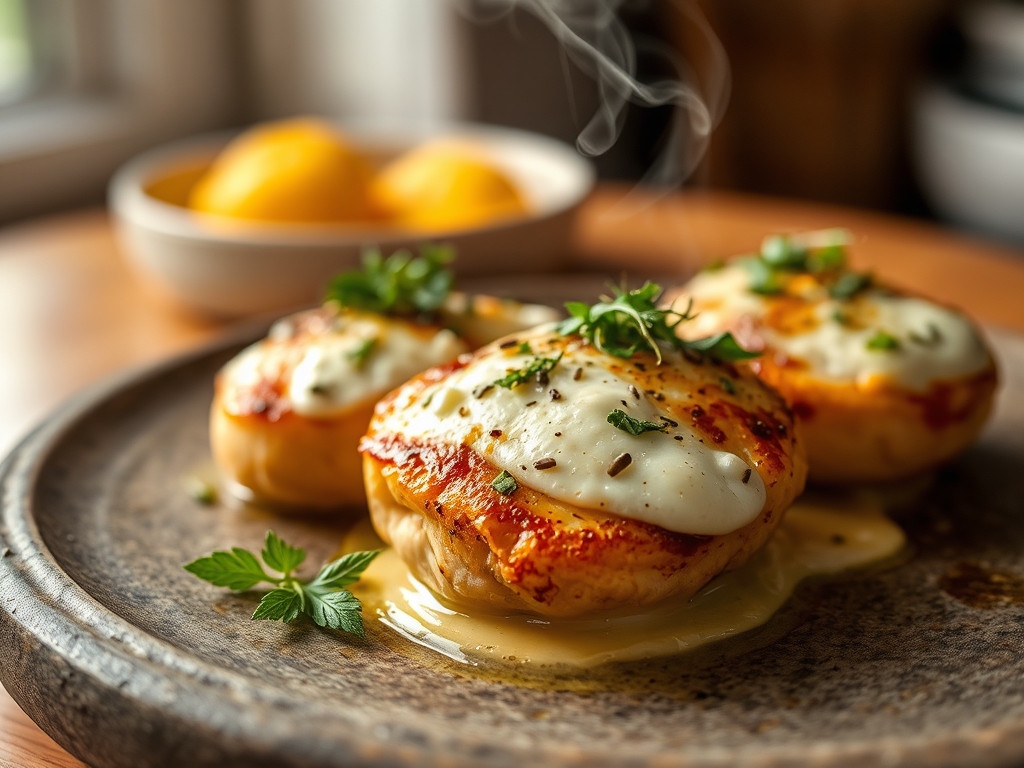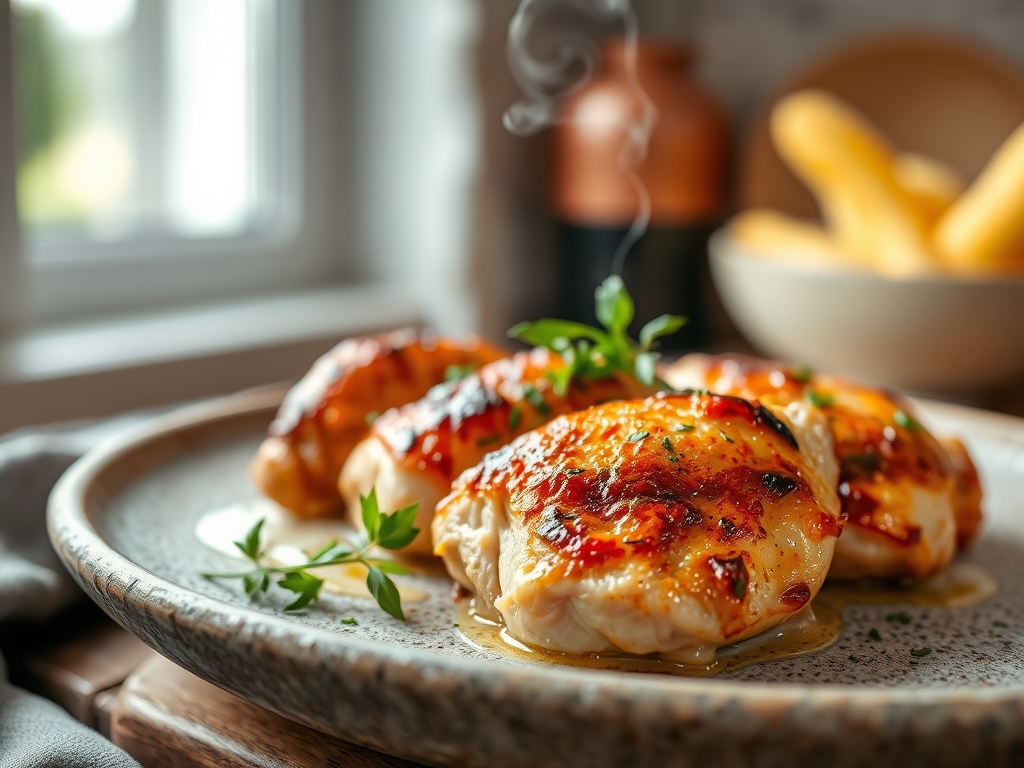
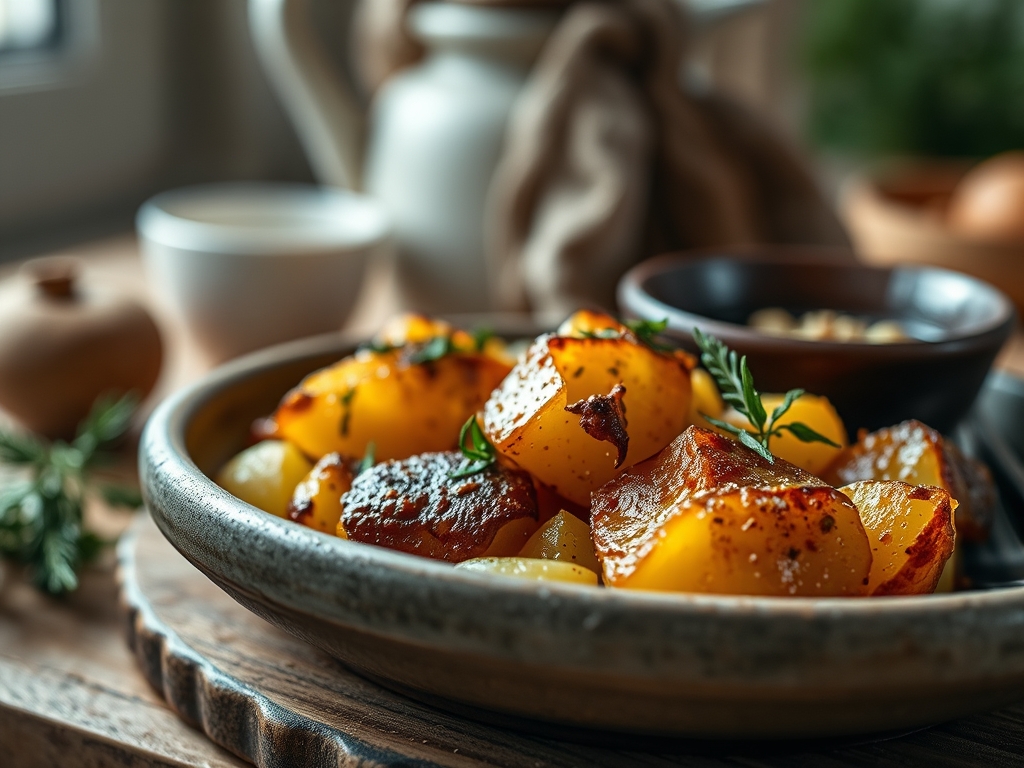
Picture the steam rising from a heavy-bottomed Dutch oven as a Yukon Gold potato yields its starch to a simmering broth. There is a specific, comforting alchemy that happens when you commit to one pot potato recipes on a frantic Tuesday night. It is the perfect marriage of minimal cleanup and maximum flavor extraction through sustained thermal contact.
The humble tuber is more than just a side dish; it is a structural marvel. When we talk about one pot potato recipes, we are discussing the strategic release of amylopectin to thicken a sauce without the need for a separate roux. It is efficient, it is elegant, and quite frankly, it is the smartest way to feed a crowd while keeping your sanity intact.
The Gathers:
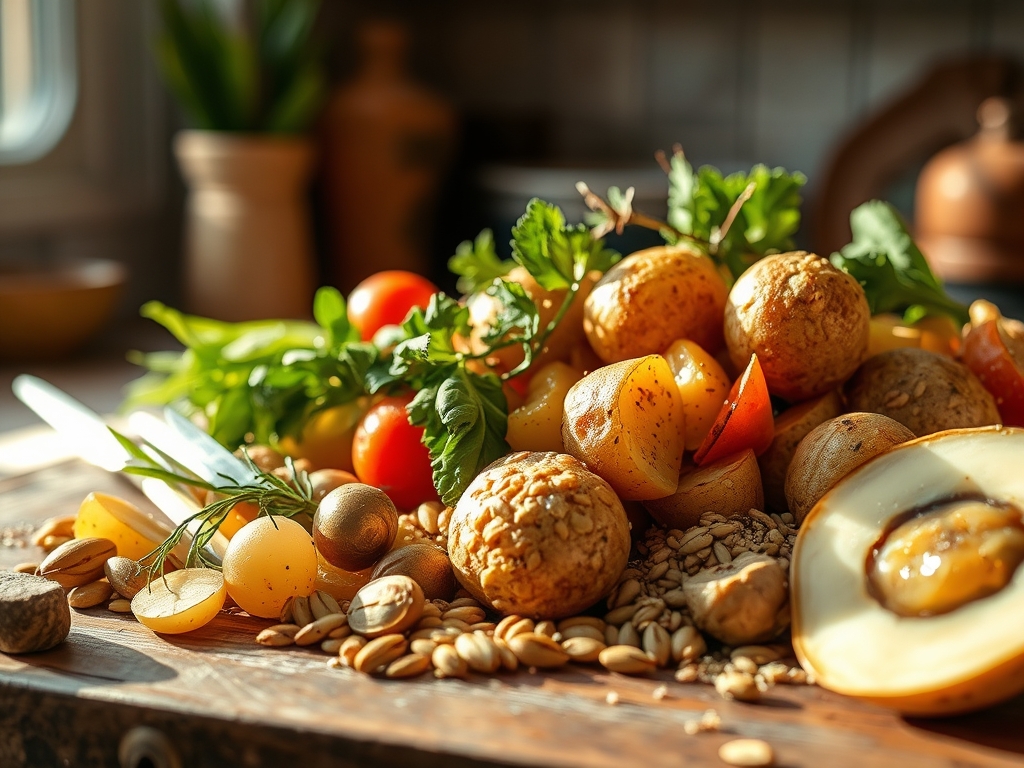
To master these dishes, your mise-en-place must be precise. We are looking for a variety of textures: the waxy resilience of Red Bliss, the fluffy starch of a Russet, and the buttery middle ground of the Yukon Gold. You will need a sharp chef knife to ensure uniform surface area, which guarantees even cooking across the board.
Gather your aromatics: sharp yellow onions, smashed garlic cloves, and woody herbs like rosemary and thyme. The scientific magic happens when these fat-soluble flavors infuse into your cooking medium. Use a digital scale for your liquids to maintain the exact ratio of hydration to starch.
Smart Substitutions: If you lack heavy cream, a dollop of Greek yogurt added at the very end provides a piquant acidity and creamy mouthfeel. Swap pancetta for smoked paprika and chickpeas to maintain that savory depth in vegetarian versions. If you are out of fresh stock, a high-quality bone broth concentrate offers a more viscous body than standard water.
The Clock:
Efficiency in the kitchen is about the "Chef's Flow." For most one pot potato recipes, you are looking at a 15-minute preparation window followed by a 30 to 40-minute active cook time. The trick is to utilize the heat of the pot. While your potatoes are simmering, use that time to grate your cheese with a microplane or prep a crisp side salad.
Never rush the render. If your recipe starts with bacon or sausage, let the fat liquefy slowly over medium heat. This creates the flavorful foundation for everything that follows. Total time from pantry to table should hover around 55 minutes, with only one vessel to scrub at the end.
The Masterclass:
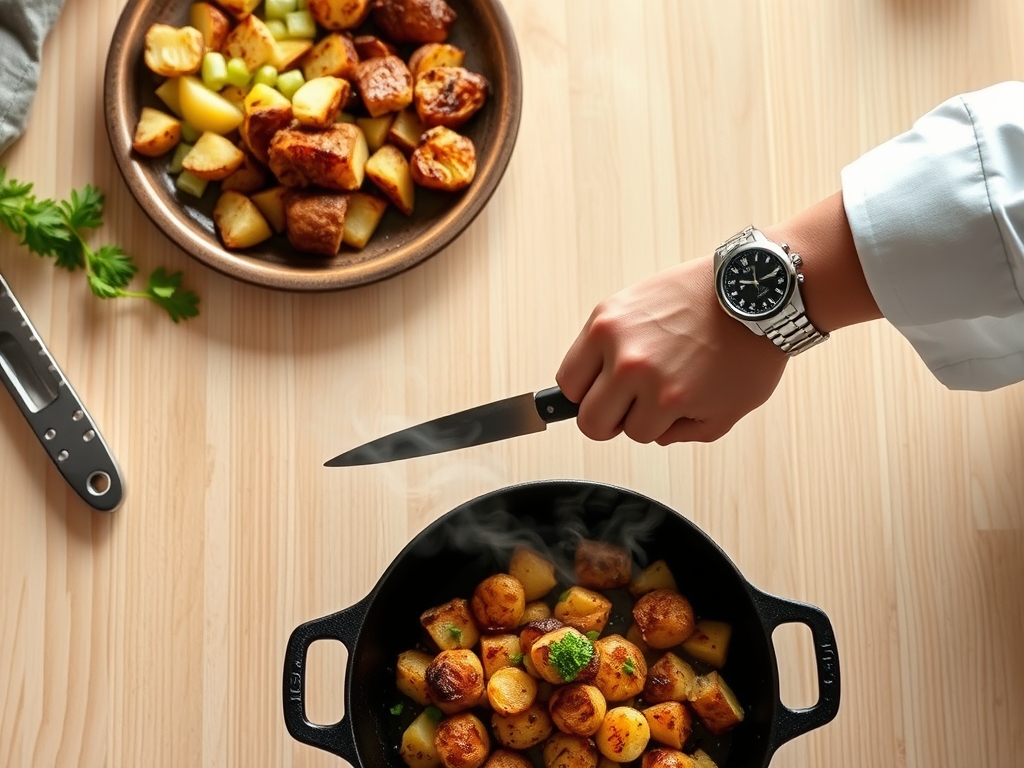
1. The Sear and Sizzle
Start by heating your fat in a heavy-bottomed skillet or pot until it shimmers. If you are adding meat, sear it first to initiate the Maillard reaction, which creates those complex, savory flavor compounds. Remove the protein but leave the brown bits (the fond) behind.
Pro Tip: This is about thermal mass. Do not crowd the pan, or the temperature will drop, causing your ingredients to steam rather than sear.
2. Deglazing the Fond
Pour in a splash of dry white wine or stock. Use a wooden spoon or bench scraper to lift those caramelized sugars off the bottom of the pot. This liquid becomes the soul of your sauce, concentrating all that concentrated umami.
Pro Tip: Deglazing is a chemical process where the solvent (liquid) dissolves the solute (caramelized proteins). This prevents bitter, burnt notes from ruining the final profile.
3. The Starch Integration
Add your cubed potatoes directly into the liquid. As they heat, the starch granules swell and eventually burst, a process known as gelatinization. This naturally thickens your cooking liquid into a velvety sauce without adding flour.
Pro Tip: Use a saucier if you want maximum evaporation and sauce reduction. The rounded bottom encourages constant movement and prevents scorching.
4. Controlled Simmering
Reduce the heat to a low, consistent bubble. High heat toughens the exterior of the potato while leaving the center raw. A gentle simmer ensures the heat penetrates the dense cellular structure of the tuber evenly.
Pro Tip: This prevents enzymatic browning. By submerging the cut potatoes immediately into the liquid, you block oxygen from reacting with the polyphenol oxidase in the potato.
5. The Final Emulsification
Once the potatoes are fork-tender, stir in your finishing fats like butter or heavy cream. Use a pair of silicone-tipped tongs to gently toss the ingredients, ensuring every piece is coated in a glossy, stable emulsion.
Pro Tip: This is the stage of carryover cooking. Remove the pot from the heat just before the potatoes are perfect; the internal heat will finish the job without turning them into mush.
6. The Aeration and Garnish
Finish with a burst of freshness. Freshly cracked black pepper and a spray of lemon juice brighten the heavy starches. Use a microplane to shower the dish with aged Parmesan or lemon zest right before serving.
Pro Tip: Adding acids at the very end creates a flavor bridge, cutting through the richness of the potato starch and animal fats.
The Deep Dive:
From a macro perspective, potatoes are nutritional powerhouses, offering more potassium than bananas and a significant dose of Vitamin C. In these one pot potato recipes, you are retaining all those water-soluble vitamins that would otherwise be tossed out with boiling water.
Dietary Swaps: For a Vegan twist, use coconut milk and nutritional yeast for a cheesy, rich profile. Keto followers can swap half the potatoes for cauliflower florets to lower the net carb count while maintaining the "comfort" texture. All these recipes are naturally Gluten-Free as long as you use pure spices and stocks.
The Fix-It:
- Too Salty: Add a splash of heavy cream or a pinch of sugar to balance the sodium.
- Potatoes are Crunchy: Your liquid might be too acidic. Acid slows down the breakdown of pectin; add a pinch of baking soda to neutralize the pH and soften them up.
- Sauce is Broken: If the fat is separating, whisk in a tablespoon of warm water or stock to re-emulsify the mixture.
Meal Prep Science: To reheat, avoid the microwave if possible. Use a small saucepan with two tablespoons of water or milk. This restores the hydration levels of the starch, preventing that "gritty" texture common in leftover potatoes.
The Wrap-Up:
Mastering one pot potato recipes is the ultimate culinary "cheat code." You are leveraging the natural chemistry of the potato to do the heavy lifting for you. By understanding how starch behaves under heat and how flavors bond in a single vessel, you transform a simple weeknight meal into a gourmet experience. It is smart, it is efficient, and it is undeniably delicious. Now, grab your favorite pot and let the alchemy begin.
The Kitchen Table:
Which potato is best for one pot meals?
Yukon Gold potatoes are the gold standard. They possess a medium starch content that holds its shape during long simmers while still releasing enough amylopectin to create a naturally creamy, thickened sauce without extra additives.
How do I stop potatoes from falling apart?
Avoid over-stirring and keep the heat at a gentle simmer rather than a rolling boil. Adding a teaspoon of vinegar to the cooking liquid can also help the potato skin maintain its structural integrity through the cooking process.
Can I cook raw meat and potatoes together?
Yes, provided you sear the meat first for flavor. The potatoes and meat will then simmer together, allowing the meat juices to infuse the tubers with deep savory notes while ensuring both components reach a safe internal temperature.
Why are my one pot potatoes still hard?
This usually happens if the liquid is too acidic or if the heat is too low. Ensure your pot has a tight-fitting lid to trap steam, which uses conductive heat to soften the dense cellulose fibers inside the potato.