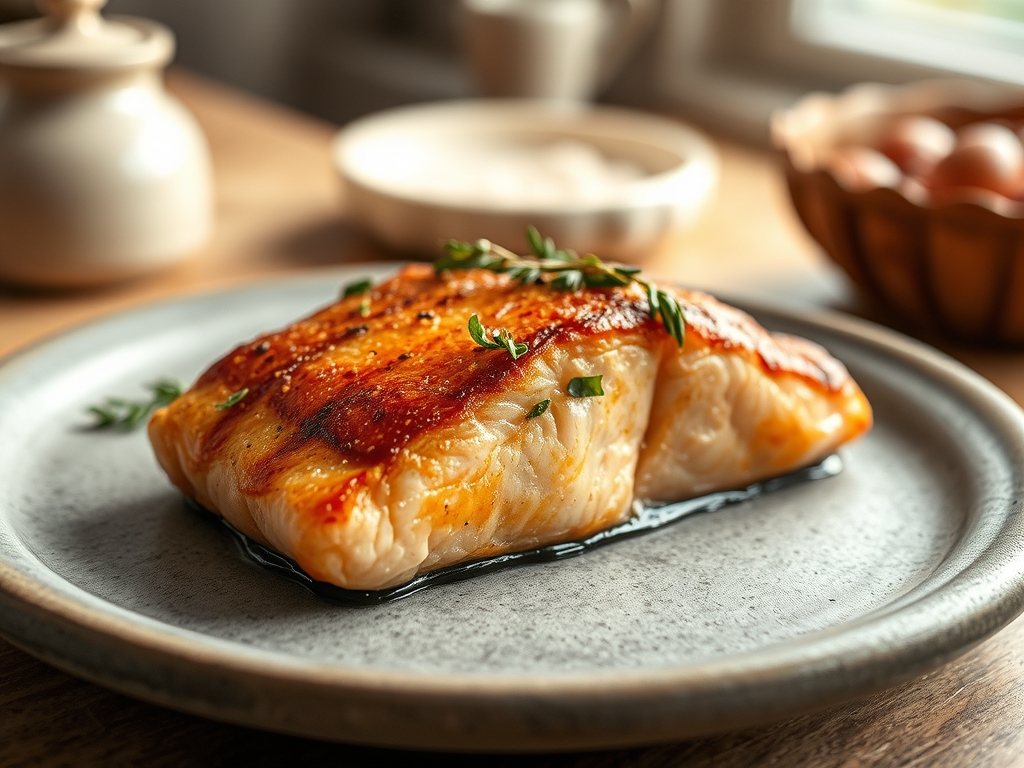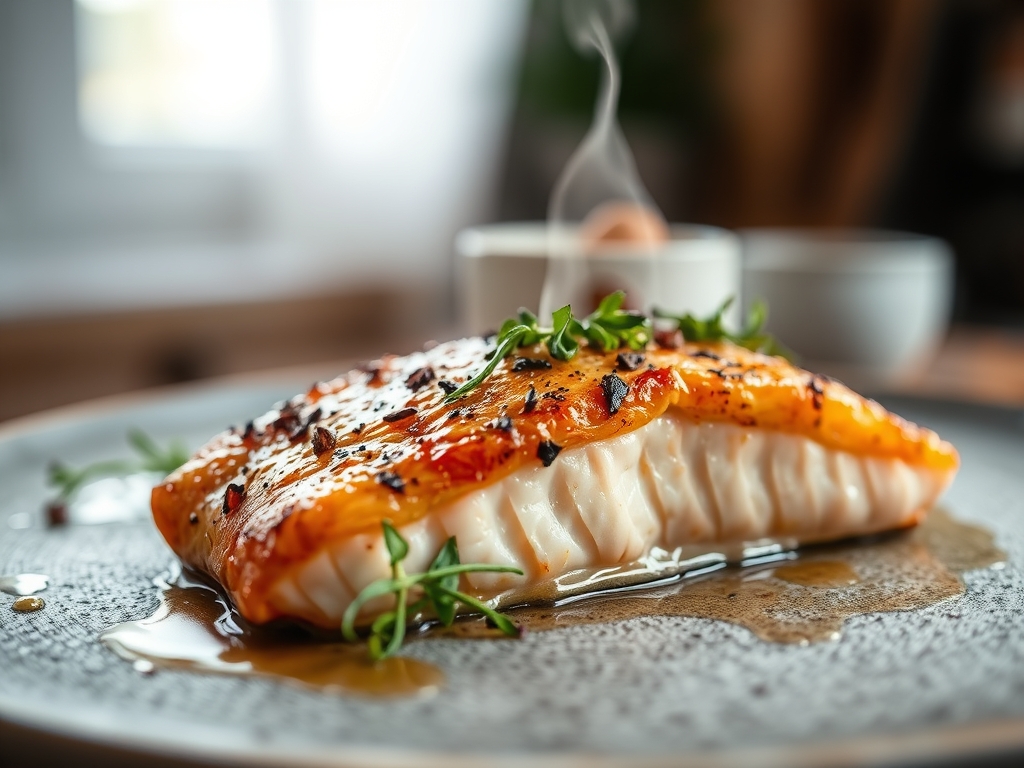
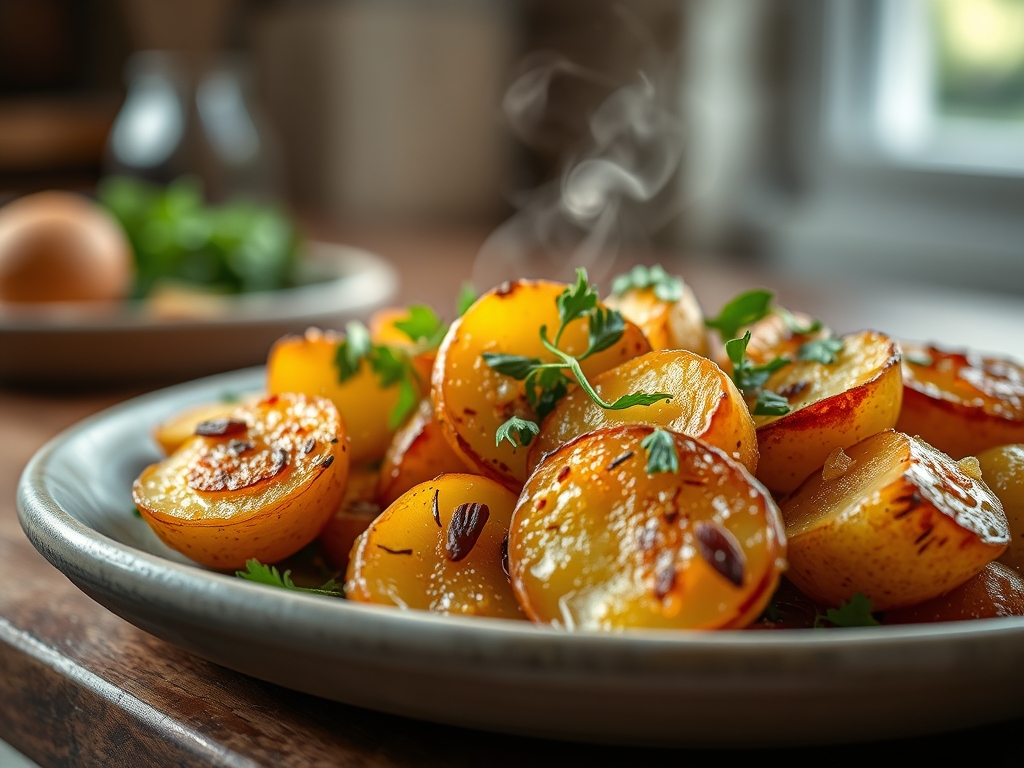
Imagine the scent of cold earth and rain hitting a hot pavement; that is the raw, geosmin-heavy aroma of a fresh russet before it meets the flame. We are diving into a world where starch becomes art. If you are hunting for potato recipes easy to make, you have just found the holy grail of spud science.
The humble potato is a biological marvel of energy storage. When we apply heat, those tightly packed starch granules swell, burst, and undergo a magnificent transformation known as gelatinization. Whether you are craving the shatter-of-glass crunch of a perfect roastie or the silk-ribbon texture of a French puree, the secret lies in managing moisture and heat. Forget the soggy, gray piles of your school cafeteria days. We are using molecular chemistry to turn a pantry staple into a five-star masterpiece without the five-hour labor. Grab your apron; we are about to make magic happen with nothing more than a few tubers and some thermal physics.
The Gathers:
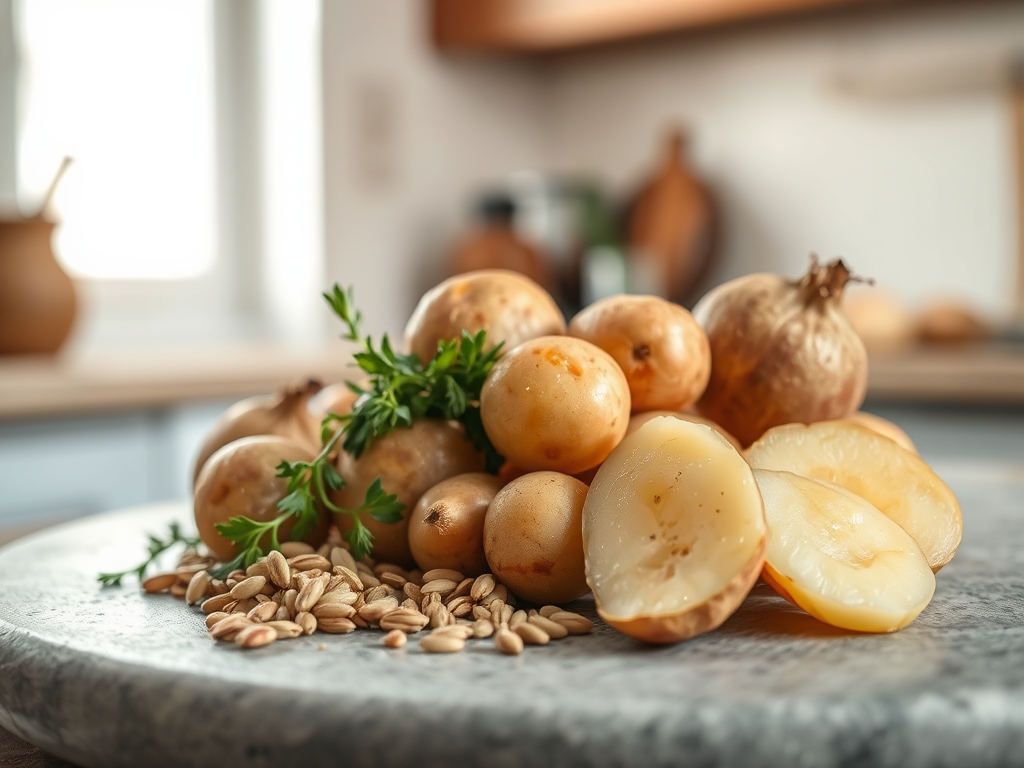
To master these potato recipes easy to make, your mise-en-place must be precise. Start with high-starch Russets for fluffiness or waxy Yukon Golds for a buttery, viscous mouthfeel. You will need high-quality fats; think grass-fed butter or a neutral oil with a high smoke point like grapeseed. Fresh aromatics are non-negotiable. Garlic cloves should be firm, and rosemary sprigs should be vibrant enough to release their resinous oils the moment they hit the pan.
Smart Substitutions:
If you lack a saucier for your emulsions, a heavy-bottomed skillet will suffice to prevent scorching. No Maldon sea salt? Use kosher salt, but reduce the volume by twenty percent to account for the difference in crystal density. If you are avoiding dairy, a high-quality cashew cream provides the necessary proteins to mimic the Maillard reaction during browning. Always keep a bench scraper handy; it is the most underrated tool for moving diced potatoes from board to pot without bruising the cellular structure.
The Clock
Efficiency in the kitchen is about "Chef's Flow." This is the art of overlapping tasks so that no second is wasted while the laws of thermodynamics do the heavy lifting. Total active prep time for these hacks is roughly fifteen minutes, with cook times ranging from twelve to forty minutes depending on the method.
The flow begins with the "Cold Start." Never drop potatoes into boiling water; starting them in cold, salted water ensures the exterior does not turn to mush before the center reaches its target temperature. While the water climbs toward a simmer, you will prep your aromatics. By the time the potatoes are parboiled, your oven is preheated and your heavy-bottomed skillet is seasoned. This synchronized dance ensures that by the time you are cleaning your microplane, the potatoes are ready for their final crisping.
The Masterclass
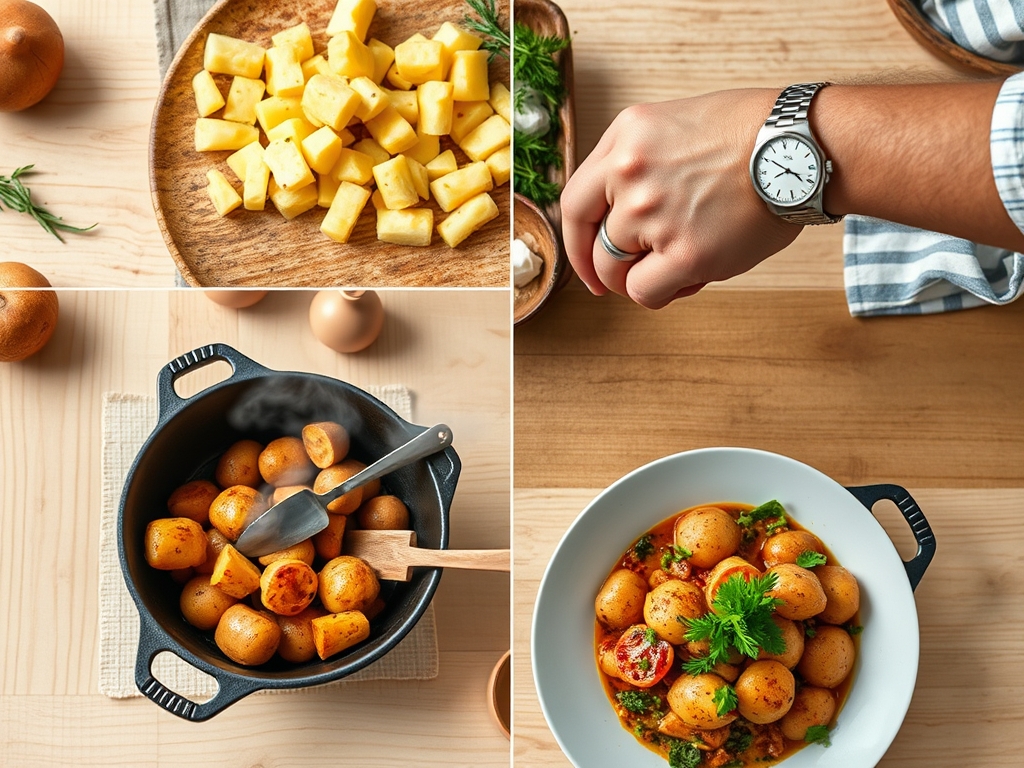
1. The Parboil and Shake
Drain your parboiled potatoes and give them a vigorous shake in the pot. This creates a starchy "slurry" on the surface of the tuber. When this rough texture meets hot oil, the surface area increases exponentially, leading to a superior crunch.
Pro Tip: This technique utilizes mechanical abrasion to increase surface area. More surface area means more space for the Maillard reaction to occur, resulting in a deeper, more complex flavor profile.
2. The Cold-Oil Confit
Place sliced potatoes in a pan and cover them with cold oil before turning on the heat. As the oil warms, the potatoes cook through gently while the exterior slowly dehydrates and crisps.
Pro Tip: Starting in cold oil prevents the formation of a "skin" too early. This allows for even thermal conduction, ensuring the starch granules gelatinize fully before the outside browns.
3. The Microplane Infusion
Instead of tossing whole garlic cloves into the pan where they might burn, use a microplane to grate garlic and ginger directly into your finishing butter. Fold this into your potatoes during the last two minutes of cooking.
Pro Tip: Grating breaks more cell walls than chopping, releasing a higher concentration of allicin. This creates a more piquant and intense aromatic profile that permeates the potato flesh.
4. The Vinegar Shock
Add a tablespoon of white vinegar to your boiling water. The acid slows the breakdown of pectin, the "glue" that holds plant cells together.
Pro Tip: By stabilizing the pectin structure, you can boil the potato until it is perfectly tender inside without the outside falling apart. It is a biological insurance policy for your spuds.
5. The Smash and Sear
Take small, boiled potatoes and crush them flat with a heavy weight. Sear them in a skillet with high heat until the edges are translucent and jagged.
Pro Tip: This method maximizes the contact between the potato and the heavy-bottomed skillet. The direct heat transfer creates a concentrated "crust" of caramelized sugars.
6. The Aerated Puree
Pass your cooked potatoes through a ricer rather than mashing them with a fork. This incorporates air and prevents the starch from becoming "gluey."
Pro Tip: Over-working potatoes releases too much amylopectin, which turns the mixture into an adhesive. A ricer keeps the starch granules intact for a light, cloud-like texture.
7. The Compound Butter Finish
Finish every dish with a disk of herb-infused compound butter. The fat acts as a flavor carrier, coating the palate and extending the "finish" of the spices.
Pro Tip: This is an emulsification step. As the butter melts, the milk solids brown slightly, adding a nutty dimension known as beurre noisette.
The Deep Dive
From a macro perspective, potatoes are nutritional powerhouses. They are packed with potassium (more than a banana) and Vitamin C. When cooked and then cooled, they develop resistant starch, which acts as a prebiotic for your gut microbiome. For those on specific diets, potatoes are naturally gluten-free. Keto followers can swap half the potato volume for steamed cauliflower to lower the glycemic load while maintaining the creamy texture.
The Fix-It:
- Soggy Potatoes: Usually caused by overcrowding the pan. The steam cannot escape, so the potatoes boil rather than fry. Use a larger pan or cook in batches.
- Gluey Mash: You likely used a food processor. The high-speed blades shear the starch molecules. Stick to a ricer or a hand masher.
- Burnt Garlic: You added it too early. Garlic has a high sugar content and burns quickly. Always add aromatics during the final 120 seconds of high-heat cooking.
Meal Prep Science:
To reheat with "day-one" quality, avoid the microwave. The waves agitate water molecules, making the starch rubbery. Instead, use an air fryer or a hot oven. This re-dehydrates the surface, restoring the crispness via dry-heat convection.
The Wrap-Up
You are now armed with the chemical secrets to turn the most basic root vegetable into a culinary triumph. These potato recipes easy to make are not just about feeding yourself; they are about understanding the beautiful interplay of heat, fat, and starch. Whether you are hosting a dinner party or just treating yourself after a long day, remember that the best food comes from a place of curiosity and a little bit of science. Now, get into that kitchen and start smashing, searing, and seasoning. Your taste buds will thank you.
The Kitchen Table
Which potato is best for roasting?
Russets or Yukon Golds are ideal. Russets provide the fluffiest interior due to high starch content; whereas Yukon Golds offer a creamy, buttery texture and hold their shape better during high-heat roasting.
Why do my potatoes turn brown after cutting?
This is enzymatic browning caused by exposure to oxygen. To prevent this, submerge your peeled or cut potatoes in cold water immediately. This creates a physical barrier that stops the oxidation process.
Can I make these recipes ahead of time?
Yes. You can parboil and store potatoes in the fridge for up to 24 hours. This actually improves the final crunch because the surface starch dehydrates slightly in the cold air.
How do I get the skin extra crispy?
Ensure the potatoes are bone-dry before they hit the oil. Moisture is the enemy of crispiness. Use a paper towel to remove every drop of surface water to allow for immediate searing.