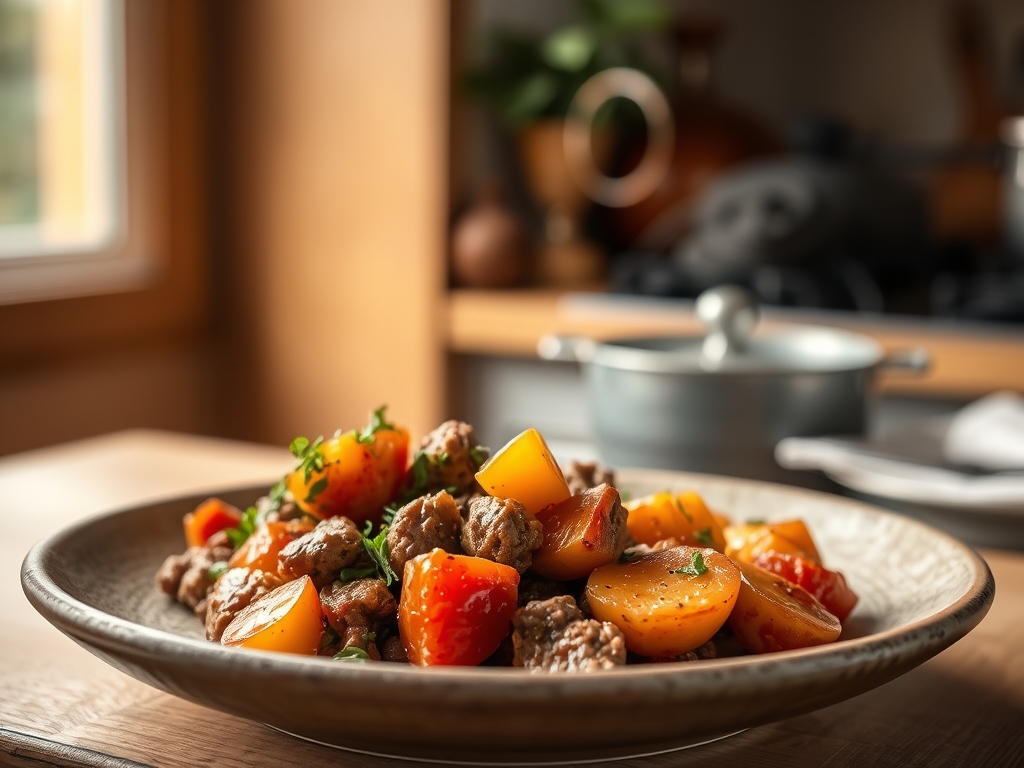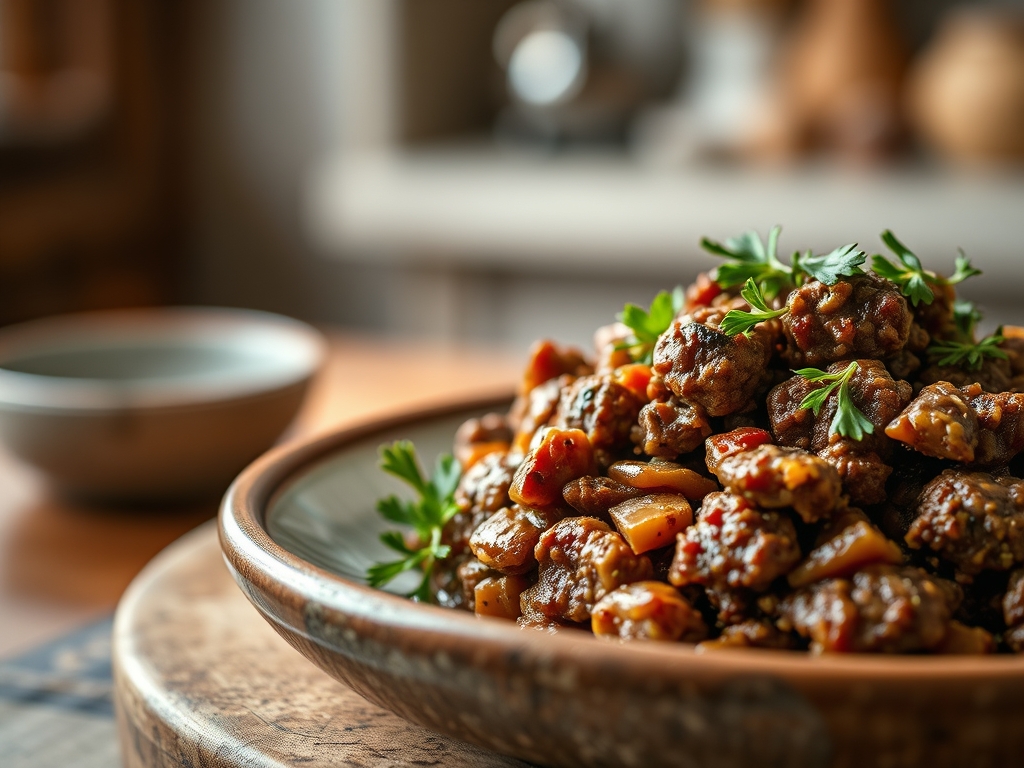
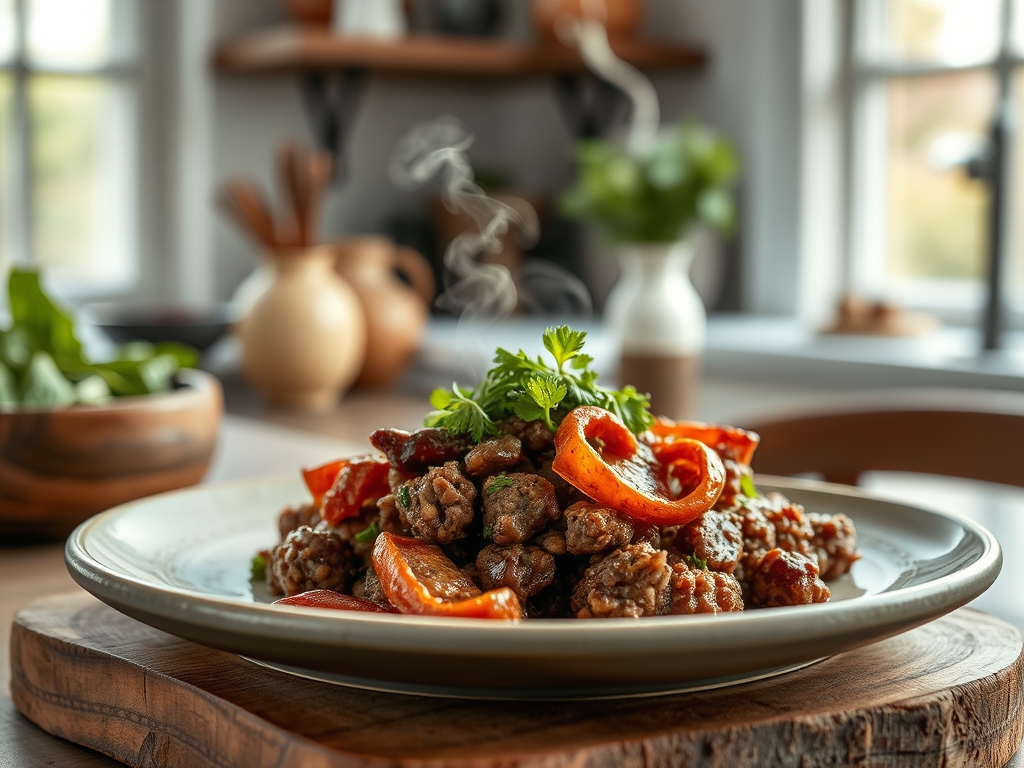
Imagine the hiss of cold protein hitting a screaming hot cast iron surface; the immediate release of savory aromatics that signals the start of something transformative. When you are hunting for carb free ground beef recipes, you are not just looking for fuel. You are looking for that perfect intersection of deep umami, rendered fat, and culinary sophistication that makes you forget the bread ever existed.
We have all been there; staring at a plastic-wrapped brick of chuck and wondering how to make it feel like a five-star meal instead of a Tuesday night compromise. The secret lies in the chemistry of the sear. Ground beef is a versatile canvas, but it requires a bit of scientific finesse to prevent it from becoming a dry, crumbly mess. By mastering moisture control and the Maillard reaction, we can turn simple mince into a rotating gallery of ten distinct, luxurious dishes. From Mediterranean-inspired koftas to spicy, citrus-forward Thai crumbles, we are about to elevate your kitchen game. Grab your favorite heavy-bottomed skillet and let us get into the grit of how to make meat the undisputed star of the show.
The Gathers:
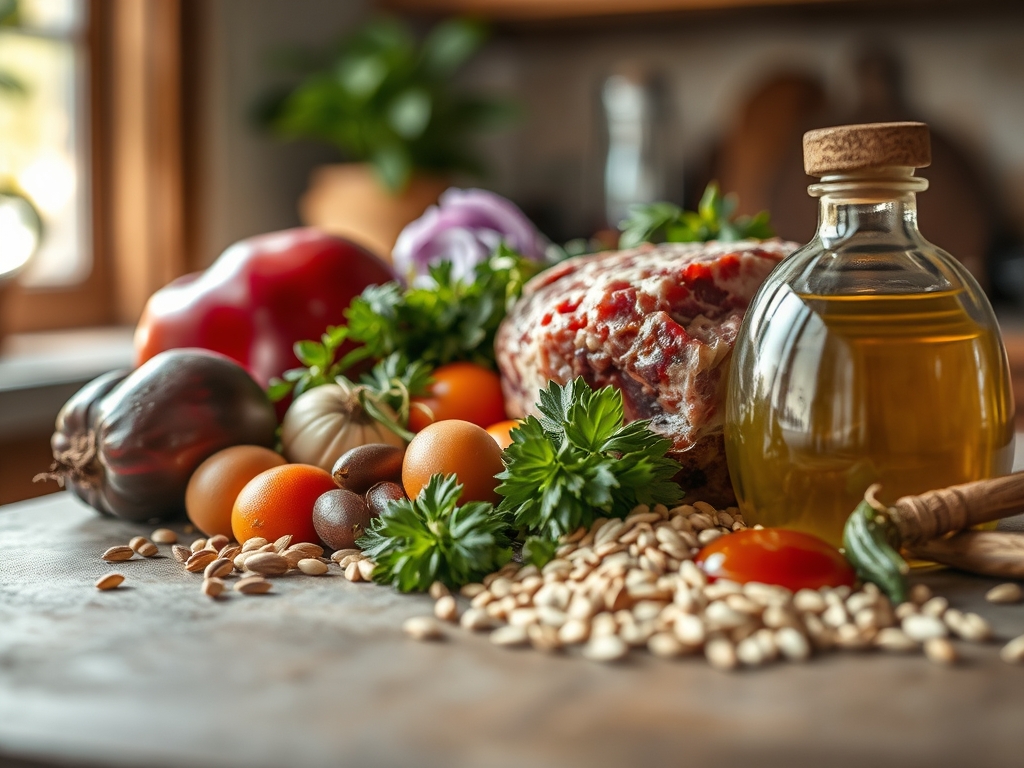
To execute these carb free ground beef recipes with precision, your mise-en-place must be impeccable. We are looking for high-fat ratios, ideally an 80/20 blend. This provides enough intramuscular fat to render during the cooking process, creating a self-basting environment that keeps the meat succulent. You will need a digital scale to ensure portion consistency; especially if you are forming meatballs or patties where uniform size dictates even thermal distribution.
Your spice rack is your best friend here. We are using piquant elements like smoked paprika, toasted cumin seeds, and cracked black peppercorns to provide depth without adding sugars. For "Smart Substitutions," forget the breadcrumbs. Use crushed pork rinds or almond flour to provide structural integrity to your loaves and meatballs. If a recipe calls for a binder, reach for a pasture-raised egg; the lecithin in the yolk acts as a natural emulsifier, linking the fats and proteins into a cohesive, viscous texture. Fresh herbs like cilantro, mint, and parsley should be prepped with a sharp chef knife to avoid bruising the delicate cell walls, ensuring the essential oils remain intact for a vibrant finish.
The Clock
Efficiency in the kitchen is about "Chef's Flow," the art of overlapping tasks to minimize downtime. For these ten dishes, expect a total preparation time of 15 minutes and a cooking window of 20 to 30 minutes. The flow begins with the "Cold Prep" phase: dicing aromatics and measuring spices while the skillet preheats.
The "Active Phase" involves the searing and deglazing. Remember that ground beef releases moisture as the proteins contract; if you crowd the pan, the meat will steam in its own juices rather than brown. By staggering your batches, you maintain a high surface temperature, allowing for rapid caramelization. Finally, the "Resting Phase" is non-negotiable. Even ground meat benefit from a three-minute rest to allow the internal juices to redistribute, ensuring every bite is as juicy as the first.
The Masterclass
1. The Perfect Sear
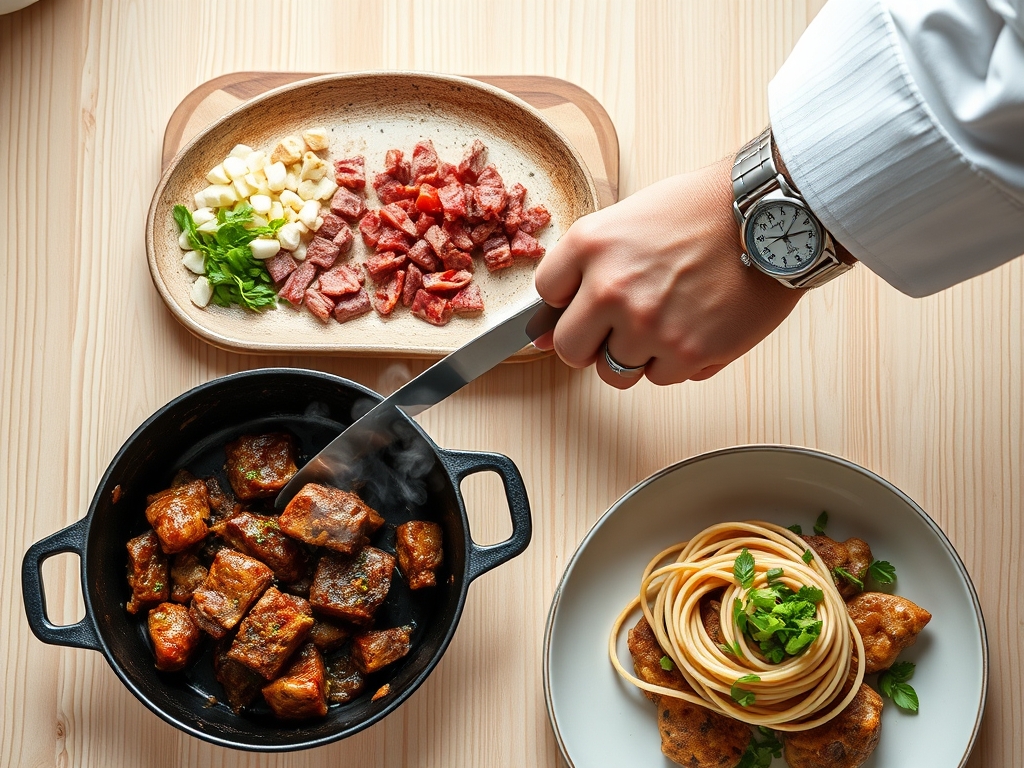
Place your heavy-bottomed skillet over medium-high heat until a drop of water dances and evaporates instantly. Add your beef in a flat layer. Do not touch it for at least three minutes. This allows the Maillard reaction to occur, creating a complex crust of flavor.
Pro Tip: This is the science of amino acids and reducing sugars reacting under heat. Moving the meat too early causes it to tear and prevents the formation of those savory, brown compounds.
2. Deglazing the Fond
Once the meat is browned and removed, you will see brown bits stuck to the bottom of the pan. This is "fond." Pour in a splash of beef bone broth or dry red wine and use a wooden spatula to scrape those bits up.
Pro Tip: This process captures concentrated flavor molecules that would otherwise be lost. The liquid acts as a solvent, creating a built-in sauce for your dish.
3. Incorporating Aromatics
Push the meat to the perimeter and add minced garlic and shallots to the center. Sauté until translucent but not brown.
Pro Tip: Fat is a flavor carrier. By blooming your aromatics in the rendered beef fat, you are infusing the entire dish with a deeper scent profile than if you simply stirred them in at the end.
4. Emulsifying the Sauce
If your recipe calls for a creamy element, like a stroganoff style, whisk in a tablespoon of cold butter or heavy cream at the very end.
Pro Tip: This is "mounting with butter" or monter au beurre. The cold fat creates a stable emulsion with the warm pan juices, resulting in a glossy, velvet-like finish.
5. Aerating the Texture
When making meatballs or "burger bowls," avoid overworking the meat. Use a light touch or a bench scraper to fold in your seasonings.
Pro Tip: Over-mixing causes the proteins to cross-link too tightly, resulting in a rubbery, dense texture. Keeping it light ensures a tender "mouthfeel" that mimics high-end dining.
The Deep Dive
When we look at the macro nutrition of these carb free ground beef recipes, we are looking at a powerhouse of bioavailable nutrients. A standard 6-ounce serving provides roughly 40 grams of protein and 30 grams of fat, with zero grams of impact carbohydrates. This makes it a cornerstone for ketogenic and carnivore lifestyles.
For dietary swaps, vegans can utilize a pea-protein crumble, though you will need to add a saturated fat like coconut oil to mimic the mouthfeel of beef tallow. For those avoiding dairy, replace cream with full-fat coconut milk or a splash of apple cider vinegar to provide that necessary acid hit.
The "Fix-It" guide for common pitfalls:
- The Meat is Greasy: You likely did not drain the excess fat after browning. Use a slotted spoon to remove the meat, leaving only a tablespoon of fat for the aromatics.
- The Meat is Dry: You used a lean blend (90/10) or overcooked it. Add a splash of bone broth and a pat of butter to reintroduce moisture.
- The Flavor is Flat: You missed the acid. A squeeze of fresh lemon or a teaspoon of piquant mustard can brighten the entire profile instantly.
For meal prep, reheating is a science. Avoid the microwave, which vibrates water molecules and toughens the protein. Instead, reheat in a saucier over low heat with a tablespoon of water or broth. This creates a gentle steam environment that restores the "day-one" quality without overcooking the center.
The Wrap-Up
Mastering carb free ground beef recipes is about more than just cutting out the pasta; it is about reclaiming the bold, primal flavors of high-quality protein. By focusing on technique—like the perfect sear and the art of deglazing—you turn a humble ingredient into a culinary masterpiece. Whether you are prepping for a busy week or hosting a dinner for friends, these methods ensure your meals are nutrient-dense, satisfying, and undeniably delicious. Now, get into that kitchen and let the sizzle begin!
The Kitchen Table
Can I use frozen ground beef for these recipes?
Yes, but you must thaw it completely in the refrigerator first. Excess moisture from ice crystals will cause the meat to steam rather than sear, ruining the Maillard reaction and resulting in a grey, boiled texture.
What is the best way to store leftovers?
Store cooked beef in an airtight glass container for up to four days. Glass is non-porous and won't absorb odors, keeping the meat's flavor profile "clean" for reheating. Always cool the meat to room temperature before sealing.
How do I make my ground beef extra flavorful?
Salt your meat at least 15 minutes before cooking. This allows the salt to penetrate the protein fibers, seasoning the meat from the inside out rather than just sitting on the surface of the crumbles.
Why does my ground beef release so much water?
This usually happens if the pan isn't hot enough or is overcrowded. When the temperature drops, the meat "weeps" moisture. Cook in smaller batches in a preheated, heavy-bottomed skillet to ensure immediate evaporation and browning.