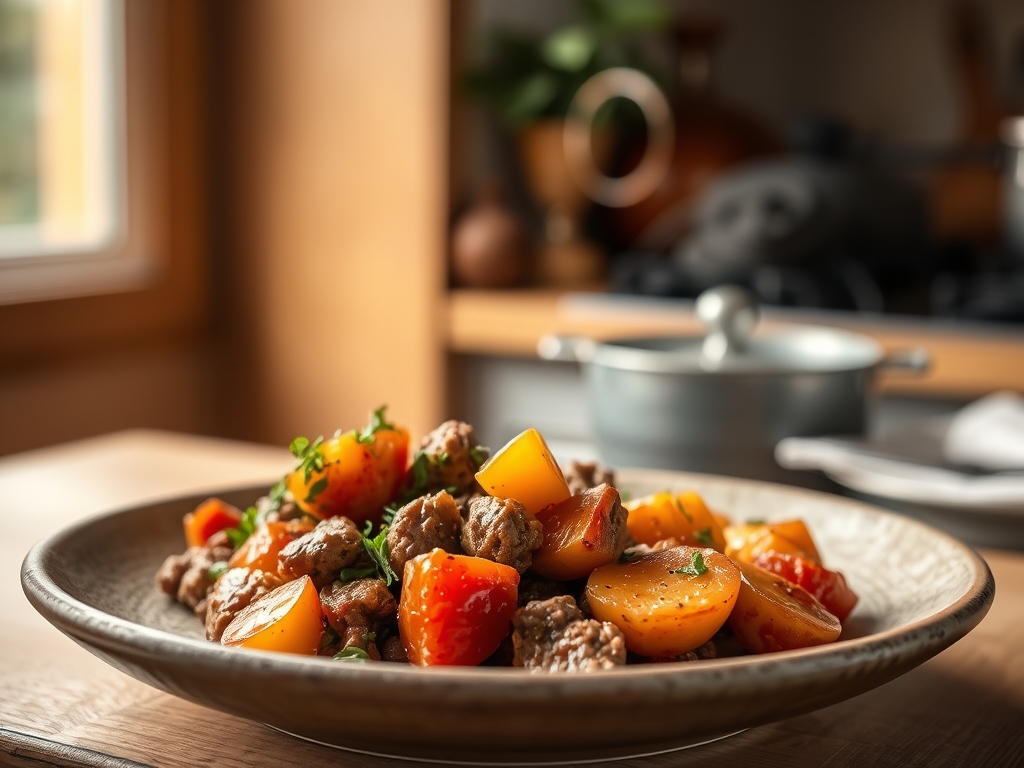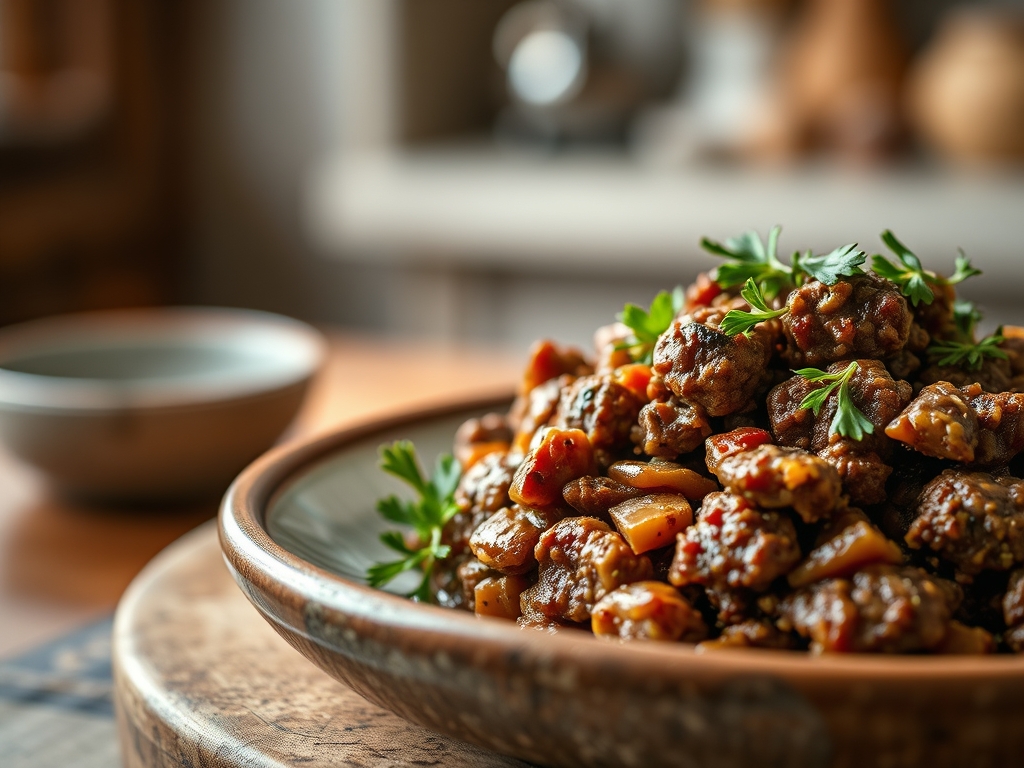
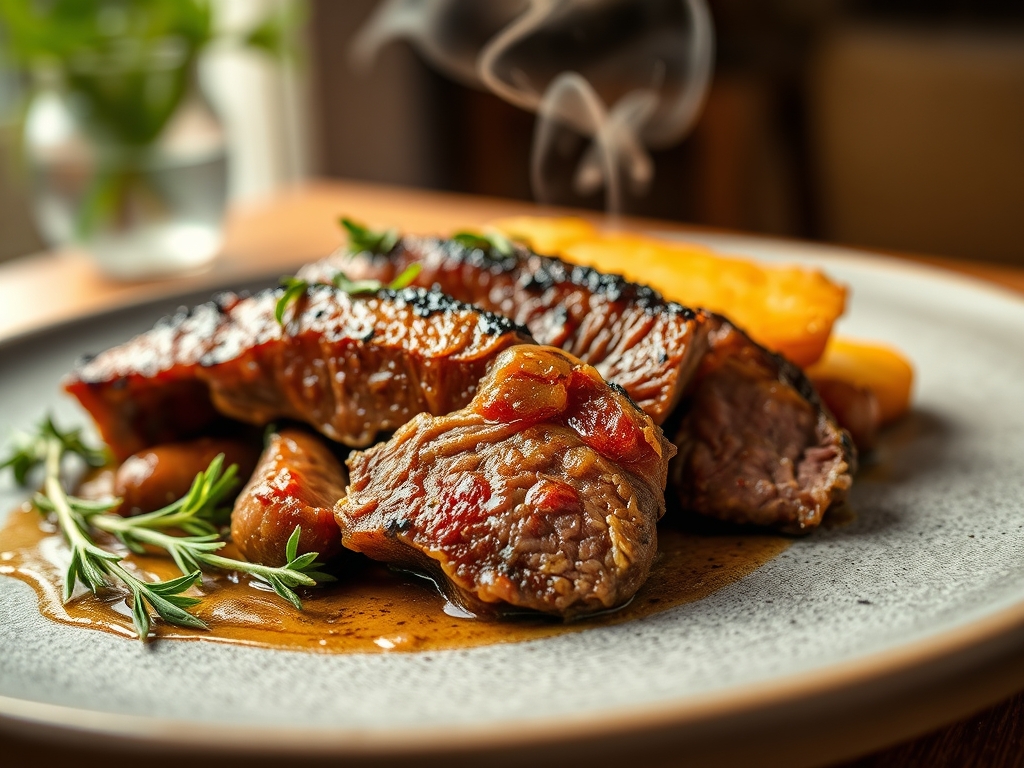
Imagine a kitchen filled with the scent of thyme and rendered fat, where the air feels thick with the promise of a Sunday feast. Finding the best french roast beef recipes is about more than just heat; it is about the elegant transformation of a humble muscle into a velvet-textured masterpiece. We are chasing that perfect, ruby-red center and a crust so savory it shatters under the knife.
The secret to French excellence lies in the marriage of technique and patience. While many home cooks rush the process, the Parisian approach treats the beef like a delicate sculpture. We are not just cooking meat; we are managing moisture, manipulating proteins, and coaxing out deep umami notes through precise thermal control. Grab your apron and a glass of Bordeaux; we are about to turn your kitchen into a high-end rotisserie.
The Gathers:
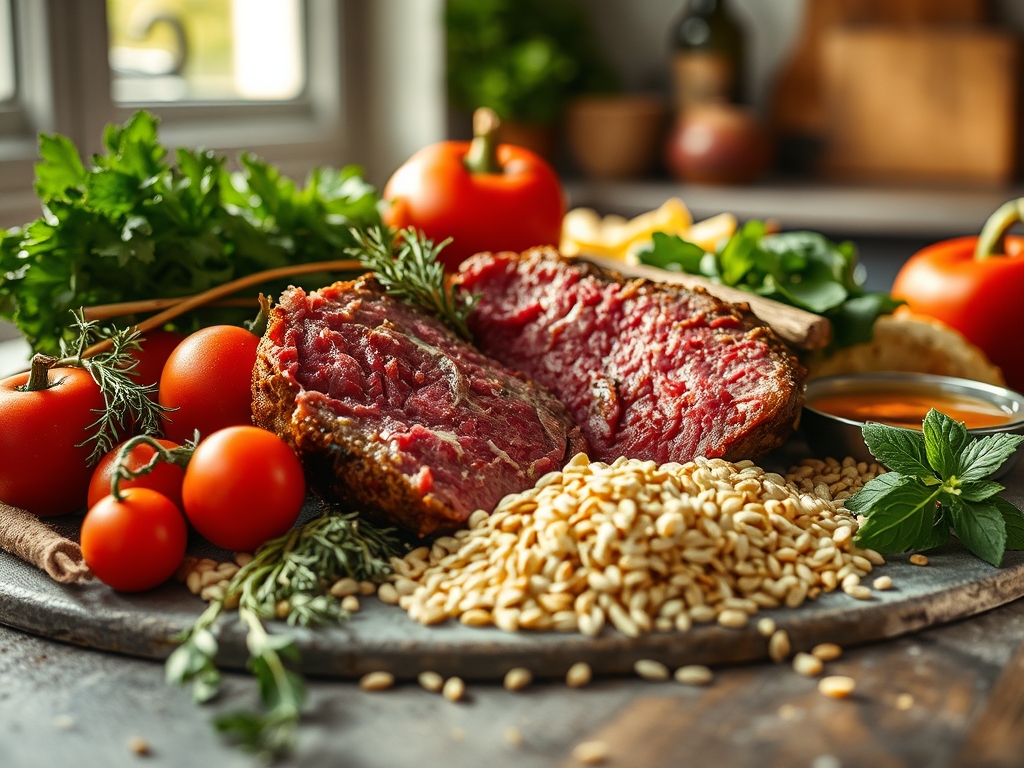
To achieve a professional result, your mise-en-place must be immaculate. Start with a three to four pound eye of round or top sirloin roast. You want a cut with a consistent diameter to ensure even heat distribution. You will also need high-quality unsalted butter, fresh sprigs of rosemary and thyme, and a head of garlic sliced crosswise to expose the cloves. For the seasoning, skip the table salt and reach for Maldon sea salt and toasted black peppercorns cracked in a mortar and pestle for a more piquant punch.
Smart Substitutions: If you cannot find a traditional roast, a thick-cut tri-tip works beautifully. For those avoiding dairy, replace the butter with rendered duck fat or a high-smoke-point avocado oil. If you want to deepen the earthy notes, add a teaspoon of porcini mushroom powder to your salt rub. This acts as a natural flavor enhancer, boosting the meat's savory profile without changing the texture.
The Clock
Efficiency in the kitchen is all about the Chef's Flow. Expect about 20 minutes of active prep time, which includes trimming silver skin and seasoning. The roasting process itself typically takes 60 to 90 minutes, depending on your desired level of doneness. However, the most critical part of the timeline is the resting phase, which requires a mandatory 20 to 30 minutes.
Total time from fridge to table is roughly two and a half hours. Do not try to shortcut this. The meat needs time to come to room temperature before hitting the heat, and it needs even more time to relax after the oven. Use the roasting time to prepare your sides or a classic red wine reduction in a heavy-bottomed saucier.
The Masterclass
1. The Tempering Ritual
Remove your beef from the refrigerator at least one hour before cooking. Use a digital scale to weigh your salt; a general rule is one percent of the meat's weight in salt. Rub the salt deeply into the fibers and let it sit on a wire rack.
Pro Tip: This process, known as dry-brining, allows the salt to denature the surface proteins. This creates a tacky surface that facilitates a superior crust and helps the meat retain moisture during the high-heat phase.
2. The High-Sear Foundation
Heat a heavy-bottomed skillet or cast iron pan until it is screaming hot. Add a high-smoke-point oil and use stainless steel tongs to sear every side of the beef until a deep, mahogany crust forms. Do not forget to sear the ends.
Pro Tip: This is the Maillard Reaction in action. By browning the exterior at high heat, you create hundreds of different flavor compounds that simply do not exist in raw or boiled meat.
3. The Aromatic Baste
Reduce the heat and add a generous knob of butter, your halved garlic, and fresh herbs to the pan. Use a large spoon to continuously pour the foaming, infused butter over the meat for three minutes.
Pro Tip: This technique, called arroser, uses the butter as a heat-transfer medium. The fat carries the fat-soluble compounds from the herbs and garlic directly into the nooks and crannies of the seared crust.
4. Precision Roasting
Transfer the beef to a roasting rack set over a sheet pan. Slide it into a 300 degree Fahrenheit oven. We are aiming for a slow, gentle rise in internal temperature to ensure the meat stays tender from edge to center.
Pro Tip: Low-temperature roasting minimizes the gray band of overcooked meat. It allows the enzymes naturally present in the beef to stay active longer, further tenderizing the muscle fibers as they cook.
5. The Internal Audit
Use a digital probe thermometer to monitor the center of the roast. For a perfect medium-rare, pull the beef out of the oven when it hits 125 degrees Fahrenheit.
Pro Tip: This accounts for thermal carryover. The internal temperature will continue to rise by 5 to 10 degrees after you remove it from the heat as the energy from the exterior moves toward the cooler center.
6. The Mandatory Rest
Place the roast on a warm cutting board and tent it loosely with foil. Let it rest for a minimum of 20 minutes before you even think about touching a knife.
Pro Tip: Resting allows the viscous juices to redistribute. During cooking, the muscle fibers contract and push moisture outward; resting lets them relax and reabsorb that liquid so it stays in the meat rather than spilling onto the board.
7. The Precision Slice
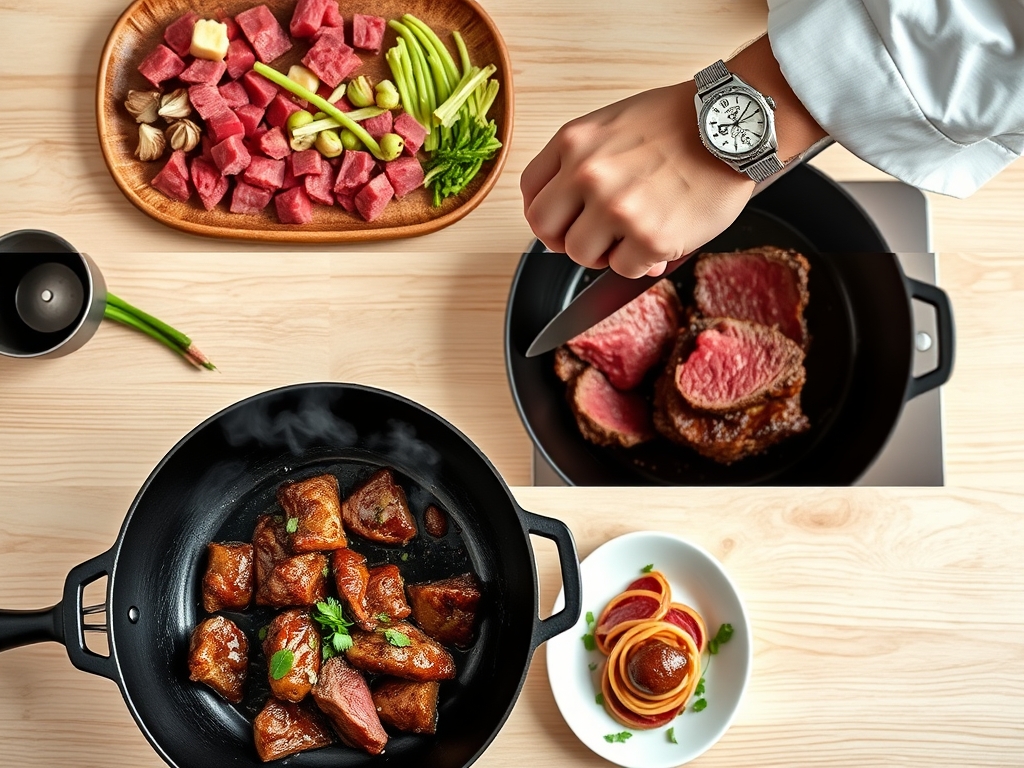
Use a sharp carving knife or a long slicer to cut the beef against the grain into thin, elegant ribbons. Note the uniform pink color and the lack of moisture loss on the board in the step-by-step photos below.
Pro Tip: Slicing against the grain shortens the muscle fibers, making even tougher cuts feel incredibly tender on the palate. Use a bench scraper to easily transfer the slices to a warmed serving platter.
The Deep Dive
From a nutritional standpoint, french roast beef recipes provide a powerhouse of bioavailable protein, iron, and B12. A standard six-ounce serving contains roughly 45 grams of protein and 12 grams of fat. To keep this Keto-friendly, serve it with a dollop of horseradish cream. For a Vegan alternative, this same technique can be applied to a large "roast" of cauliflower or a seitan log, though the cooking times will decrease significantly.
The Fix-It:
- Tough Meat: You likely skipped the rest. If it is already sliced, drizzle with warm beef broth to rehydrate the fibers.
- No Crust: The pan wasn't hot enough. Next time, wait for the oil to shimmer and wisps of smoke to appear before adding the meat.
- Uneven Cooking: The meat was too cold when it hit the pan. Ensure a full hour of tempering at room temperature.
Meal Prep Science: To reheat leftovers without losing quality, avoid the microwave. Instead, wrap slices in foil with a teaspoon of water and heat in a 250 degree oven until just warm. This prevents the proteins from tightening and becoming rubbery.
The Wrap-Up
Mastering french roast beef recipes is a rite of passage for any serious home cook. It is the perfect blend of chemistry and soul; a dish that demands respect for the ingredients and precision in the execution. When you pull that mahogany-crusted beauty out of the oven, you aren't just serving dinner; you are presenting a labor of love. So, sharpen your knives, trust your thermometer, and get ready to enjoy the most tender, flavorful beef of your life. Bon appetit!
The Kitchen Table
What is the best cut for French roast beef?
The eye of round or top sirloin are traditional choices. They offer a lean, uniform shape that roasts evenly. For a more luxurious experience, a center-cut tenderloin provides unparalleled tenderness and a buttery mouthfeel.
How do I get a better crust on my roast?
Salt the meat 24 hours in advance and leave it uncovered in the fridge. This dries out the surface. A dry exterior undergoes the Maillard reaction much faster, resulting in a thick, savory, and professional-grade crust.
Can I cook roast beef in a slow cooker?
While possible, you will lose the textural contrast of a crisp exterior and a tender interior. Slow cooking braises the meat, breaking down collagen into gelatin. For a true French-style roast, the dry heat of an oven is essential.
Why is my roast beef gray in the middle?
Gray meat indicates overcooking. This usually happens if the oven temperature is too high or if you didn't use a meat thermometer. Always pull the meat at 125 degrees Fahrenheit for a perfect, edge-to-edge medium-rare finish.