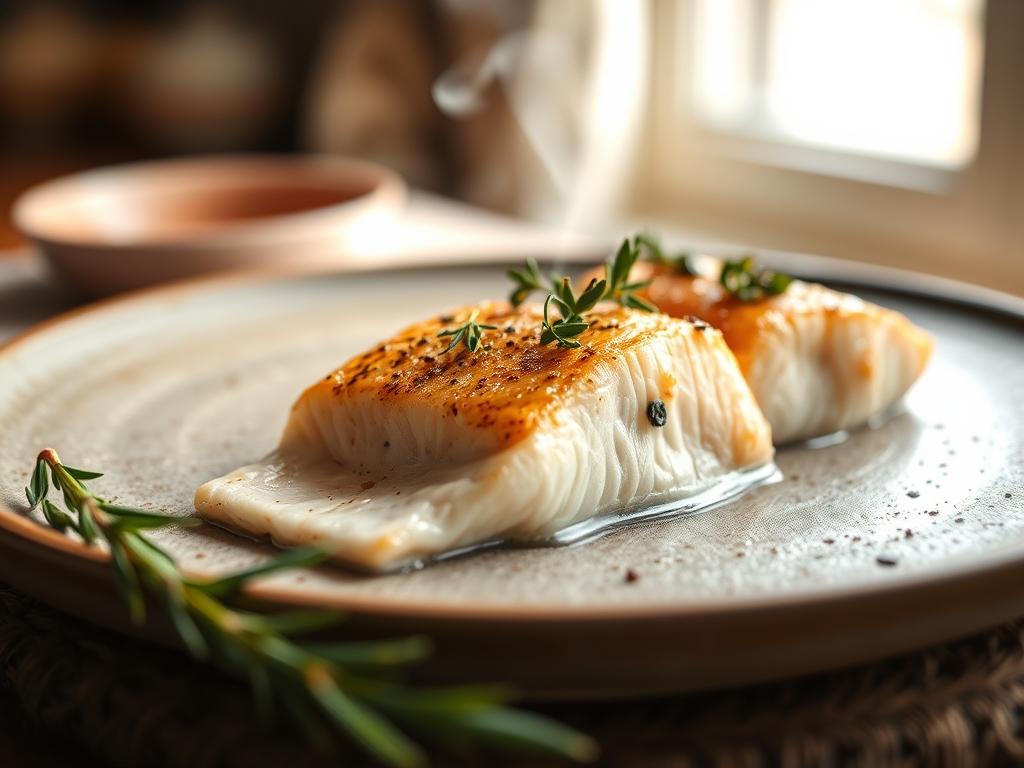
Imagine a fillet so pale it mimics ivory but carries the decadent, buttery soul of a king. This is the elusive ivory king, a rare genetic variant that transforms standard white salmon recipes into a masterclass of texture and elegance. Unlike its rosy cousins, this fish boasts a higher oil content and a cleaner, more sophisticated palate profile that demands your full attention.
When you slide a heavy-bottomed skillet onto the burner, you are not just making dinner; you are conducting a thermal symphony. The high fat density of white salmon means it handles heat with incredible grace. It resists the chalky desiccation that plagues lesser proteins. We are leaning into that silkiness today with seven transformative hacks that will turn your kitchen into a high-end bistro. Whether you are searing it to a glass-like crisp or poaching it in a bath of aromatic lipids, these white salmon recipes are designed to leverage the specific molecular structure of this rare catch. Get ready to obsess over every flake and every golden, Maillard-driven crust. We are moving beyond the basics and diving straight into the deep end of culinary chemistry.
The Gathers:
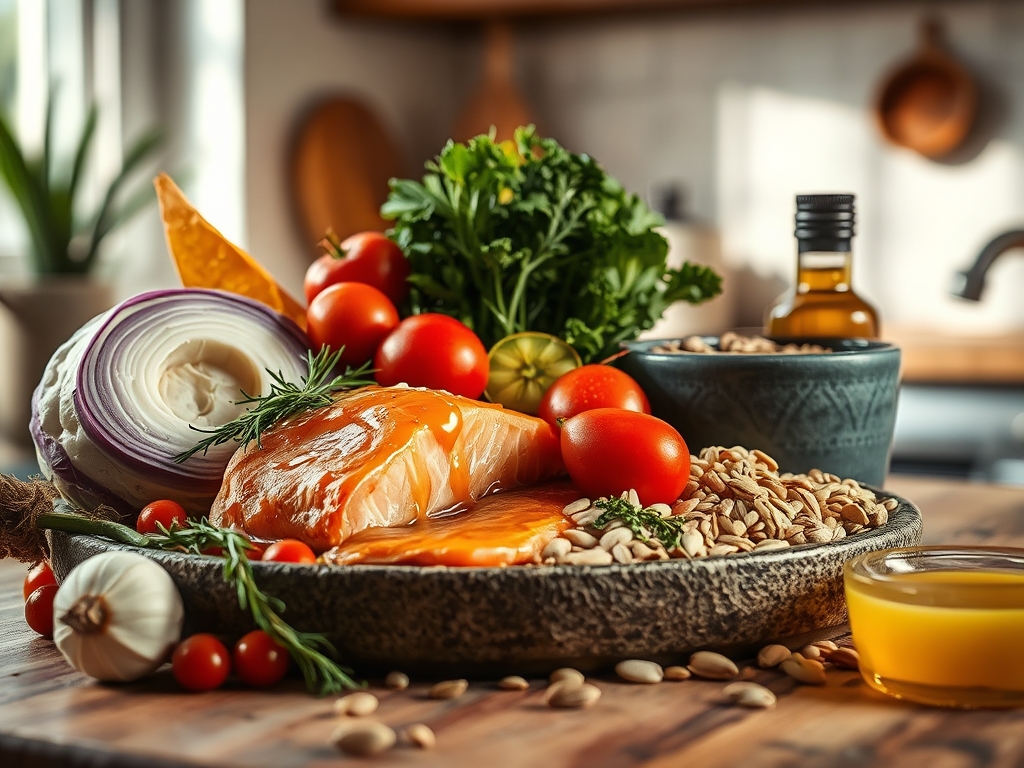
To execute these white salmon recipes with precision, your mise-en-place must be immaculate. Start with the star: four six-ounce fillets of ivory salmon, skin-on for structural integrity. You will need a high-smoke-point fat like clarified butter or avocado oil to facilitate a violent sear without the bitterness of burnt solids. For the aromatic base, gather fresh thyme, smashed garlic cloves, and a piquant lemon zest prepared with a microplane to ensure the essential oils are released without the bitter white pith.
The supporting cast includes kosher salt for osmotic seasoning and freshly cracked white pepper to maintain the pristine aesthetic of the flesh. If you are looking for smart substitutions, swap the clarified butter for duck fat to add an earthy depth, or use a splash of dry vermouth instead of white wine to deglaze the pan for a more concentrated botanical punch. Keep a digital scale nearby to ensure your portions are uniform; this is the secret to synchronized cooking times across all fillets.
The Clock
Efficiency in the kitchen is about mastering the "Chef's Flow." Total prep time for these hacks is a tight fifteen minutes, provided your knife skills are sharp. The actual cooking duration ranges from six to ten minutes depending on the thickness of the cut.
The flow begins with the "Tempering Phase," where the fish sits at room temperature for twenty minutes to prevent thermal shock. While the protein relaxes, you prep your aromatics and preheat your heavy-bottomed skillet. The "Active Phase" is a high-intensity window of searing and basting. Finally, the "Resting Phase" is non-negotiable; three minutes of downtime allows the internal juices to redistribute, ensuring a moist interior rather than a puddle on the plate.
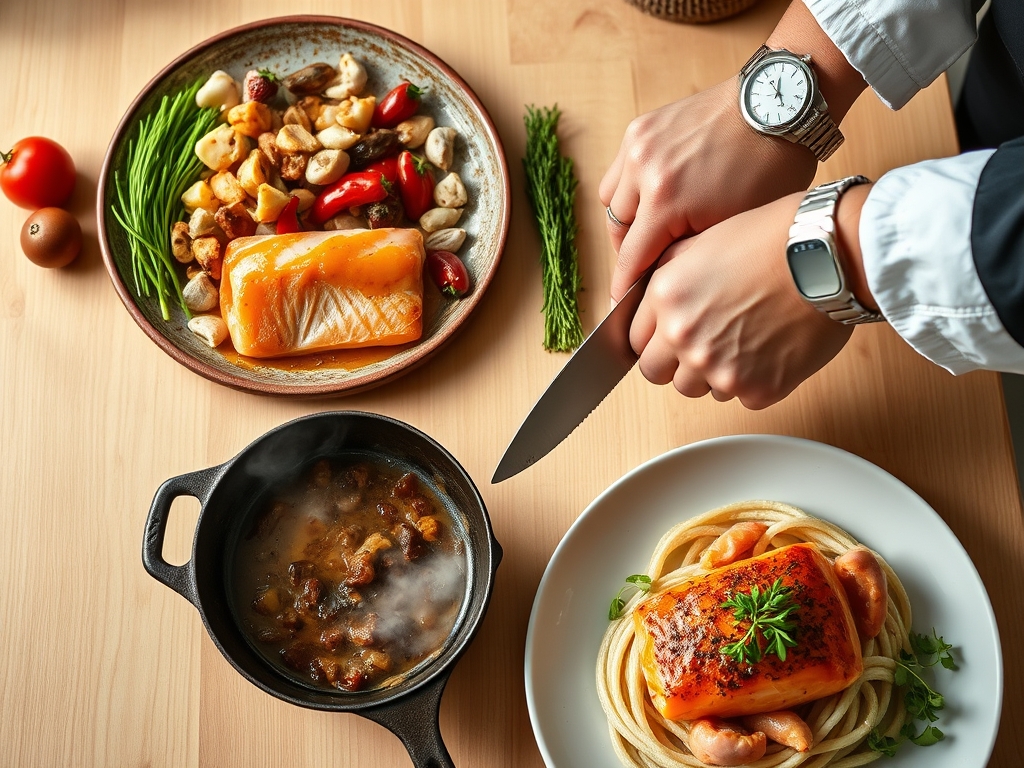
The Masterclass:
1. The Cold-Start Sear
Place your seasoned fillets skin-side down in a cold, dry heavy-bottomed skillet before turning the heat to medium-high. This allows the subcutaneous fat to render slowly, resulting in a skin texture that is shattering and glass-like rather than rubbery.
Pro Tip: This technique utilizes gradual thermal conduction to prevent the protein fibers from "seizing," which keeps the flesh exceptionally tender while the skin dehydrates and crisps.
2. The Butter Baste (Arrosé)
Once flipped, add a knob of cold butter, garlic, and thyme to the pan. Use a large spoon to continuously drench the fish in the foaming fat.
Pro Tip: This is known as the Arrosé technique. The hot fat creates a convective heat environment that finishes the interior gently while the milk solids in the butter undergo the Maillard reaction, adding toasted, nutty notes to the white salmon.
3. The Acid Flash Deglaze
After removing the fish, hit the hot pan with a splash of citrus or white wine. Use a bench scraper or whisk to lift the browned bits (the fond) from the bottom.
Pro Tip: Deglazing captures the concentrated flavor molecules stuck to the pan. The acid acts as a surfactant, breaking down the fats and creating a viscous pan sauce that binds the flavors together.
4. The Unilateral Heat Method
Cook the salmon 90 percent of the way on the skin side only. This creates a gradient of textures from crunchy to sushi-grade soft.
Pro Tip: This method protects the delicate albumin proteins from over-coagulating. By the time the heat reaches the top of the fillet, it has been tempered by the thickness of the fish, preventing the "white foam" from leaking out.
5. The Aromatics Infusion
Place a layer of sliced lemons and herbs directly onto the pan and set the salmon on top. This "citrus raft" protects the fish from direct heat while steaming it with essential oils.
Pro Tip: This is a form of indirect conduction. The water content in the lemons creates a localized steam environment, which prevents the exterior of the fish from drying out before the center reaches the target temperature.
6. The Salt Brine Soak
Submerge the raw fillets in a 5 percent salt-water solution for ten minutes before cooking.
Pro Tip: This is a "quick brine." It partially denatures the surface proteins, which prevents the white albumin from squeezing out during the cook. It also seasons the fish deeply through osmosis, ensuring every bite is flavorful.
7. The Carryover Finish
Remove the salmon from the heat when the internal temperature hits 125 degrees Fahrenheit. Let it rest on a warm plate.
Pro Tip: This accounts for thermal carryover. The residual heat will continue to cook the fish, bringing it to a perfect 130-135 degrees. If you wait until it looks "done" in the pan, it will be overcooked by the time it reaches the table.
The Deep Dive
Nutritionally, white salmon is a powerhouse. It is exceptionally high in Omega-3 fatty acids, which provide that signature "melt-in-your-mouth" texture. Because it is a wild-caught rarity, it typically has a cleaner macro profile than farmed Atlantic salmon, with roughly 20 grams of protein per 100-gram serving and zero carbohydrates.
For dietary swaps, this recipe is naturally Keto and Gluten-Free. To make it vegan, you can apply these searing techniques to thick slabs of King Oyster mushrooms or "Lion's Mane" steaks, using miso paste to replicate the umami depth.
The Fix-It:
- The Skin is Soggy: You likely flipped too early or used too much oil. Next time, press the fish down with a fish spatula for the first 30 seconds to ensure total contact.
- The Fish is Sticking: Your pan wasn't hot enough or was "wet." Pat the skin bone-dry with paper towels before it touches the metal.
- The Albumin Leak: That white "goo" is just protein. It happens when the heat is too high, too fast. Use a lower flame or the brine hack mentioned above.
For meal prep, reheating salmon is a delicate science. Avoid the microwave at all costs; it vibrates water molecules so violently that it toughens the protein. Instead, use a low oven (275 degrees) with a splash of water and a foil cover to gently aerate the moisture back into the flakes.
The Wrap-Up
Mastering white salmon recipes is about respecting the ingredient. This isn't just a weekday meal; it is a culinary flex that proves you understand the nuance of heat, fat, and timing. By using the right tools—like that trusty saucier for your glaze or a sharp microplane for your zest—you elevate a simple piece of fish into a sensory experience. Go forth, sear with confidence, and remember: the skin should always crackle like a fresh autumn leaf.
The Kitchen Table
Can I use frozen white salmon for these recipes?
Yes, but you must thaw it completely in the refrigerator. Pat the fillets extremely dry before cooking to ensure the Maillard reaction occurs; excess moisture will cause the fish to steam rather than sear.
Why is white salmon so much more expensive?
It is a rare genetic trait found in only about 5 percent of the King Salmon population. The limited supply and high demand for its unique, buttery texture drive the market price higher than standard varieties.
What is the best way to tell if it is done?
Use a digital thermometer to check for an internal temperature of 130 degrees. Alternatively, use a cake tester; if it slides through the flesh with zero resistance and feels warm to your lip, the fish is perfect.
Can I leave the skin off?
You can, but you lose the structural protection and the best texture. If you must go skinless, use the "Aromatics Infusion" hack to prevent the delicate flesh from sticking to the pan and tearing.