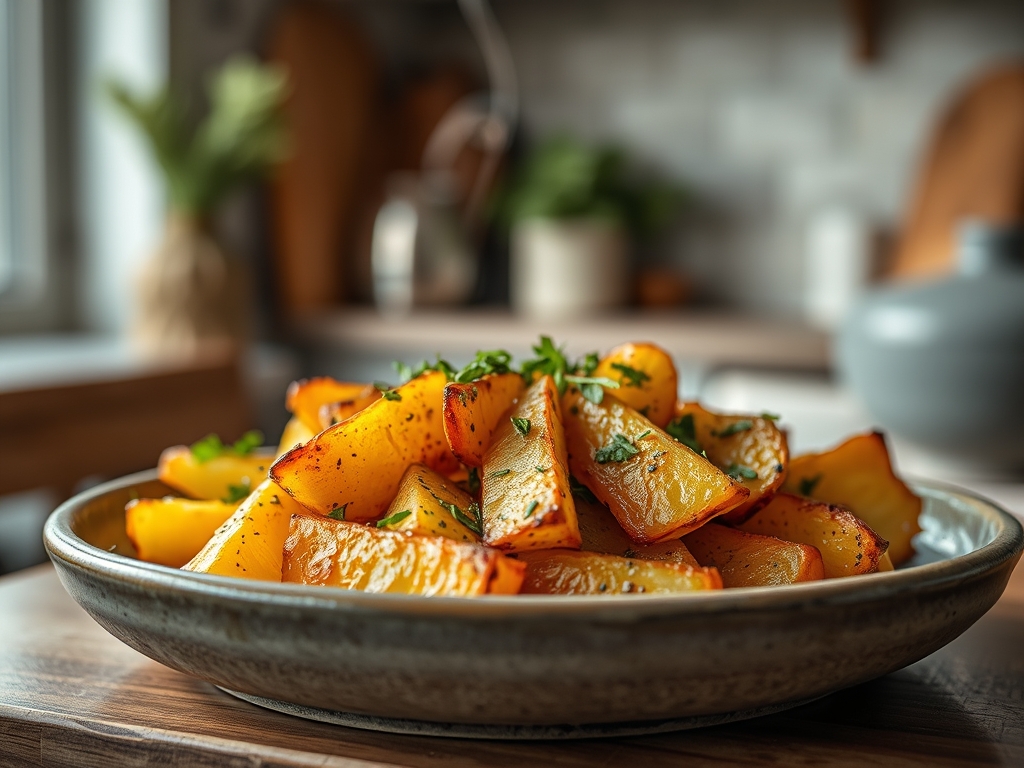
The sound of a perfect potato crust is a sharp, glass-like snap that gives way to a center as fluffy as a cloud. We have all been there; you follow a basic guide only to end up with limp, sad wedges that lack that restaurant-grade structural integrity. If you are hunting for the best air fryer potato recipes, you must stop treating the air fryer like a small oven and start treating it like a high-velocity convection laboratory. Achieving that legendary crunch requires more than just heat; it requires an understanding of starch gelatinization and surface area optimization. Today, we are moving beyond basic fries into the realm of architectural snacking. We are talking about the kind of crunch that echoes. By the time we are done, you will understand exactly how to manipulate moisture and pH levels to turn a humble tuber into a gold-standard masterpiece. Grab your apron and your curiosity because we are about to overhaul your kitchen chemistry.
The Gathers:
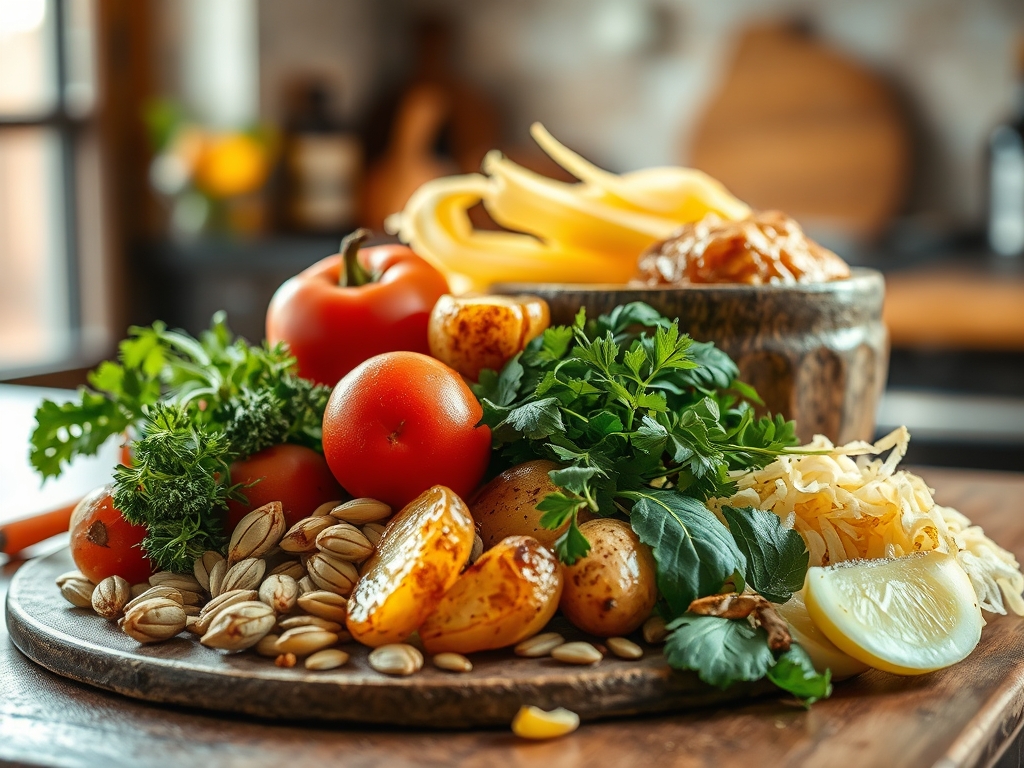
To begin, you need the right raw materials. Reach for Russet potatoes for their high starch content and low moisture; they are the undisputed kings of the Maillard reaction. If you want a creamier interior with a thinner skin, a Yukon Gold is your secondary candidate. You will also need a high-smoke-point fat like clarified butter (ghee) or avocado oil. Avoid extra virgin olive oil here; its low smoke point will result in a bitter, acrid finish at high temperatures.
For the seasoning, gather fine sea salt, smoked paprika for a piquant undertone, and garlic powder. Do not use fresh garlic in the basket as it will incinerate into bitter charcoal before the potato is even halfway done. Instead, we will infuse the oil.
Smart Substitutions:
If you are watching your saturated fats, duck fat is a professional secret that provides an incredible savory depth without the heaviness of lard. For a vegan twist, use a refined coconut oil or a high-quality grapeseed oil. If you lack a bench scraper to move your chopped spuds, a large chef's knife works, but the scraper prevents bruising the delicate starch cells.
The Clock:
The "Chef's Flow" is all about overlapping tasks to ensure no heat is wasted.
- Prep Time: 15 minutes (includes scrubbing, peeling, and precision cutting).
- Parboil Time: 8 to 10 minutes.
- Air Fry Time: 18 to 22 minutes at 400 degrees Fahrenheit.
- Rest Time: 3 minutes (essential for moisture stabilization).
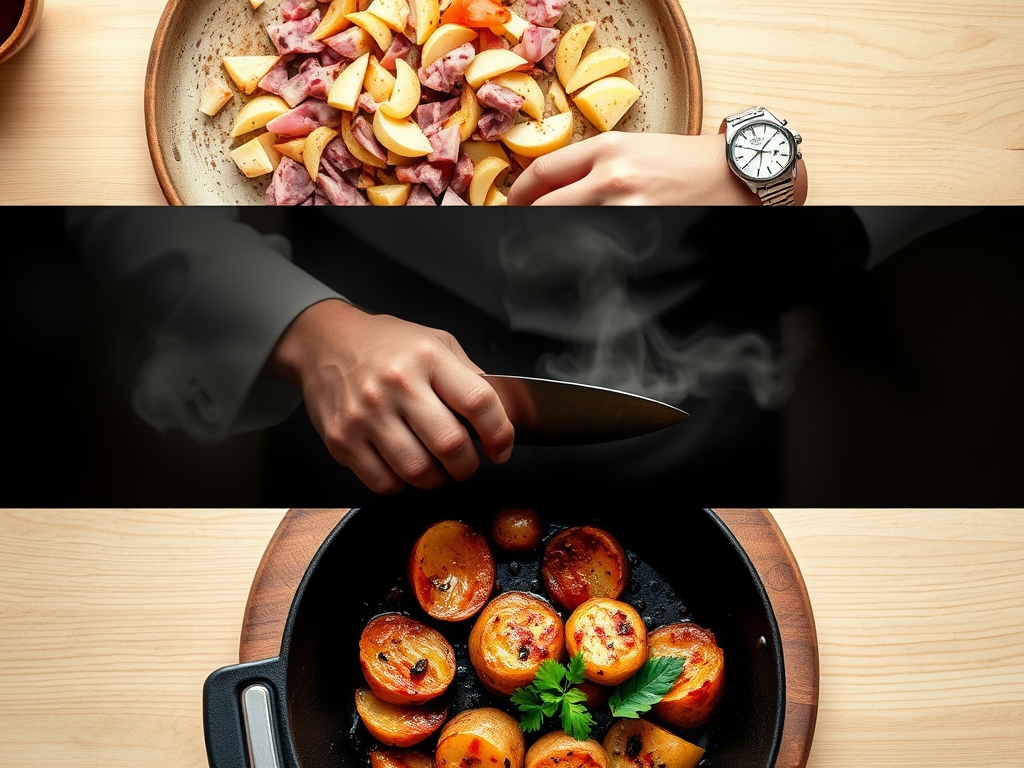
While your water comes to a boil in a heavy-bottomed skillet or pot, you should be dicing. While the potatoes undergo their first fry, you prepare your finishing toss. This cadence ensures that the potatoes hit the plate the exact second they reach peak crispness.
The Masterclass:
1. The Precision Cut
Use a sharp knife to create uniform 1-inch cubes. Uniformity is not just for aesthetics; it ensures that every piece finishes its thermal carryover at the same time. If pieces vary in size, the small ones will over-caramelize while the large ones remain waxy.
Pro Tip: Cutting the potatoes increases the surface area. The more surface area you expose, the more room there is for the Maillard reaction to create that savory, brown crust.
2. The Alkaline Parboil
Place your potatoes in a pot of cold water with a heavy pinch of salt and half a teaspoon of baking soda. Bring to a boil and simmer until the edges are just starting to fray.
Pro Tip: Adding baking soda raises the pH of the water. This breaks down the pectin on the surface of the potato, creating a starchy slurry that will eventually crisp up into a glass-like shell.
3. The Rough Up
Drain the potatoes and let them steam dry for two minutes in a colander. Give them a vigorous shake. You want the outsides to look "fuzzy" or mashed.
Pro Tip: This "fuzz" is actually increased surface area. When mixed with oil, these tiny bits of loose starch dehydrate and fry into the ultimate crunch.
4. The Fat Infusion
In a small saucier, warm your oil or ghee with your dry spices. Do not let it smoke; just let the heat infuse the flavors into the lipid. Toss the parboiled potatoes in this mixture until they are coated in a viscous golden layer.
Pro Tip: Fat acts as a heat conductor. By coating every nook and cranny of the roughed-up surface, you ensure even heat distribution in the air fryer basket.
5. The Single Layer Rule
Arrange the potatoes in the air fryer basket. Do not overcrowd them. If you stack them, they will steam each other, resulting in a soggy texture.
Pro Tip: Air fryers rely on high-velocity air. If the air cannot circulate around each cube, the evaporative cooling effect will prevent the surface from reaching the temperatures needed for crisping.
6. The Midway Shake
At the 10-minute mark, use tongs or a firm shake to redistribute the potatoes. This ensures that the bottom surfaces, which receive less direct airflow, get their turn at the top.
Pro Tip: This prevents "hot spots" from unevenly cooking the sugars. It also helps to aerate the basket, allowing steam to escape more efficiently.
7. The Final Blast
Increase the heat to the maximum setting for the last 3 minutes. Watch them closely through the window if your model has one.
Pro Tip: This final spike in temperature completes the dehydration of the outer crust, locking in the fluffy interior while creating a rigid exterior.
8. The Microplane Finish
Once removed, immediately zest a bit of lemon or grate a dusting of Parmesan using a microplane over the hot potatoes.
Pro Tip: The residual heat will melt the cheese or release the citrus oils without burning them, adding a complex top note to the earthy potato.
9. The Rest
Let the potatoes sit on a wire rack for two minutes before serving.
Pro Tip: Resting allows the internal steam to redistribute. If you eat them instantly, the crust may feel slightly soft; the rest allows the exterior to fully harden.
The Deep Dive:
From a Macro Nutrition perspective, a medium potato provides roughly 160 calories, mostly from complex carbohydrates, with zero fat and 4 grams of fiber. By using an air fryer, you reduce the added fat by up to 80 percent compared to deep frying.
Dietary Swaps:
- Keto: Swap potatoes for cauliflower florets or daikon radish, though the starch content is lower, so skip the parboil.
- Vegan: Use avocado oil or a vegan butter substitute.
- GF: Naturally gluten-free, but ensure your spices are not processed with wheat-based anti-caking agents.
The Fix-It:
- Problem: Potatoes are tough or leathery. Fix: You skipped the parboil. The interior did not gelatinize before the exterior dried out.
- Problem: Potatoes are burnt but raw inside. Fix: Temperature was too high. Lower the heat and increase the time.
- Problem: Soggy results. Fix: You overcrowded the basket or didn't dry the potatoes enough after boiling.
Meal Prep:
To reheat and maintain "day-one" quality, do not use the microwave. Place leftovers back in the air fryer at 375 degrees for 4 minutes. This re-activates the fats and recrisps the starch molecules without making them rubbery.
The Wrap-Up:
Mastering the best air fryer potato recipes is a journey of heat management and starch manipulation. When you combine the alkaline parboil with a high-heat finish, you are not just cooking; you are engineering the perfect bite. Remember to respect the space in your basket and never underestimate the power of a good "rough up" after boiling. Your friends will wonder how you achieved such a professional finish in a home appliance. Now, go forth and crunch!
The Kitchen Table:
Why are my air fryer potatoes not crispy?
Usually, this is due to excess moisture or overcrowding. If the potatoes are too wet when they enter the basket, they will steam instead of fry. Ensure you steam-dry them after parboiling and keep them in a single layer.
Do I really need to soak or boil them first?
Yes. Soaking removes excess surface starch that burns easily. Parboiling with baking soda breaks down the surface pectin, creating more surface area for the oil to cling to, which results in a much thicker, crunchier crust.
What is the best oil for air frying potatoes?
Use an oil with a high smoke point, such as avocado oil, grapeseed oil, or clarified butter. Avoid unrefined oils or extra virgin olive oil, as they can smoke and turn bitter at the 400-degree temperatures required for crisping.
How do I prevent potatoes from sticking to the basket?
Preheat your air fryer before adding the potatoes. When the cold, oiled potatoes hit a hot basket, the fats immediately begin to sear, creating a non-stick barrier. A quick toss halfway through the cooking process also helps.