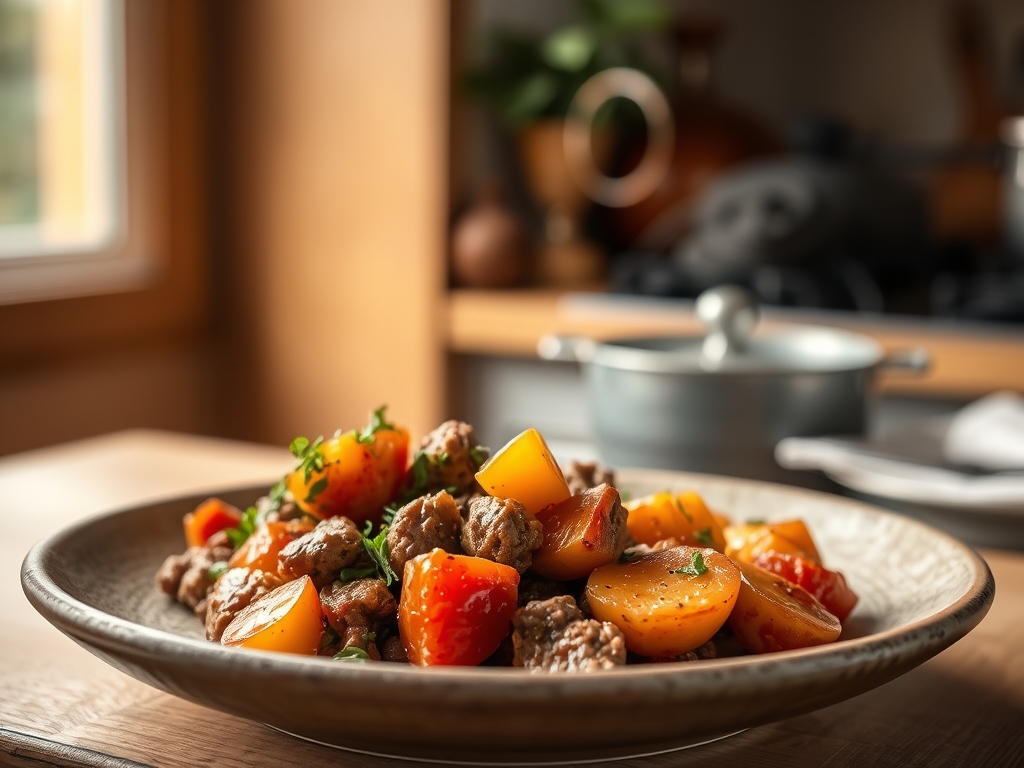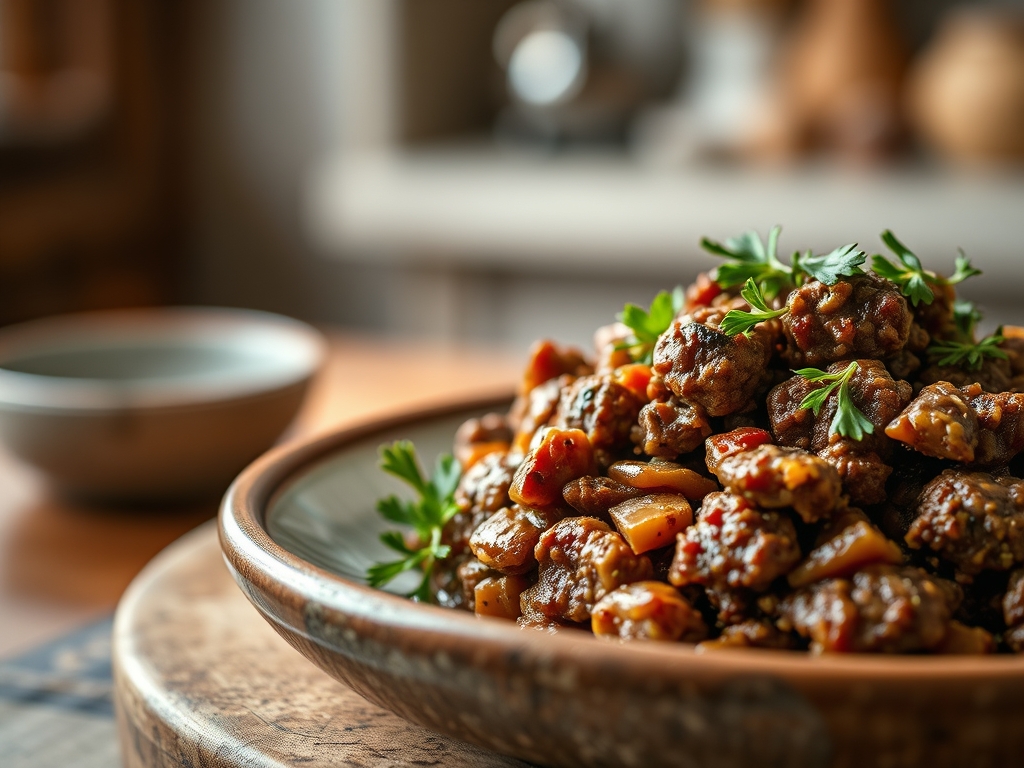
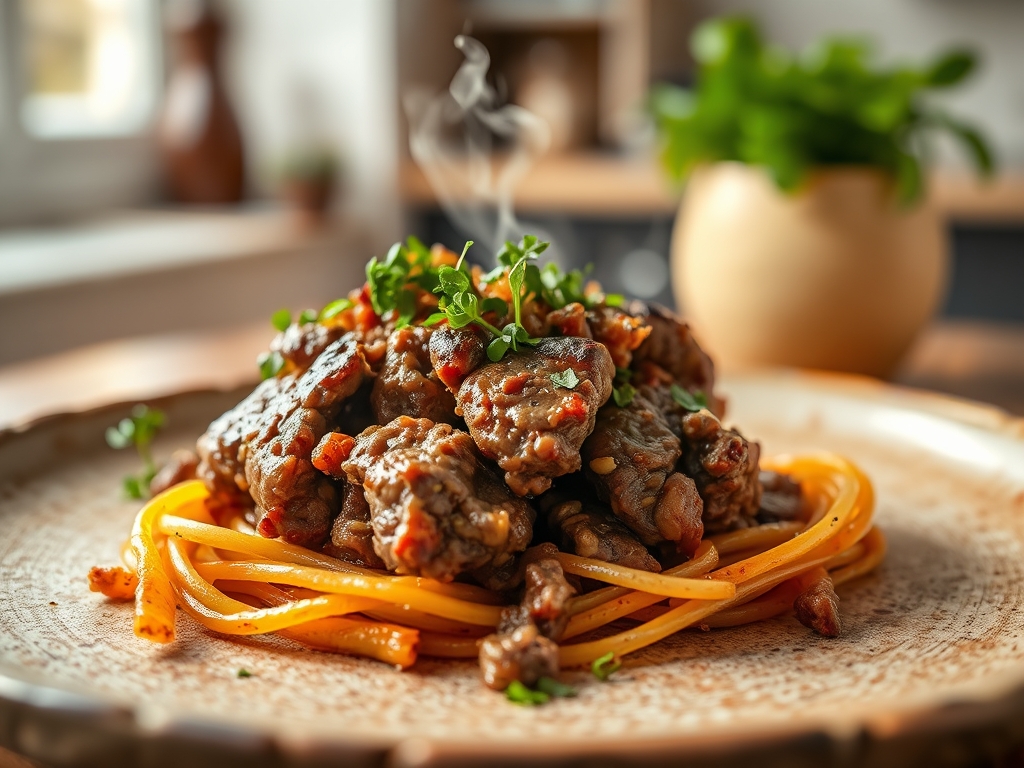
Picture the sizzle of a heavy-bottomed skillet meeting the cold surface of premium protein. That sound is the overture to your dinner. When you dive into sirloin ground beef recipes, you are not just making a meal; you are managing the delicate balance of lean muscle and intramuscular fat. Sirloin is the sophisticated cousin of the standard chuck. It offers a cleaner, more robust beef flavor that demands a gentle touch and an adventurous palate. Whether you are aiming for a classic sear or a complex braise, the lower fat content of sirloin means we have to be smarter about moisture retention and flavor development. We are about to transform that humble pack of red meat into a series of bold, restaurant-grade masterpieces that will make your kitchen feel like the hottest bistro in town.
The Gathers:
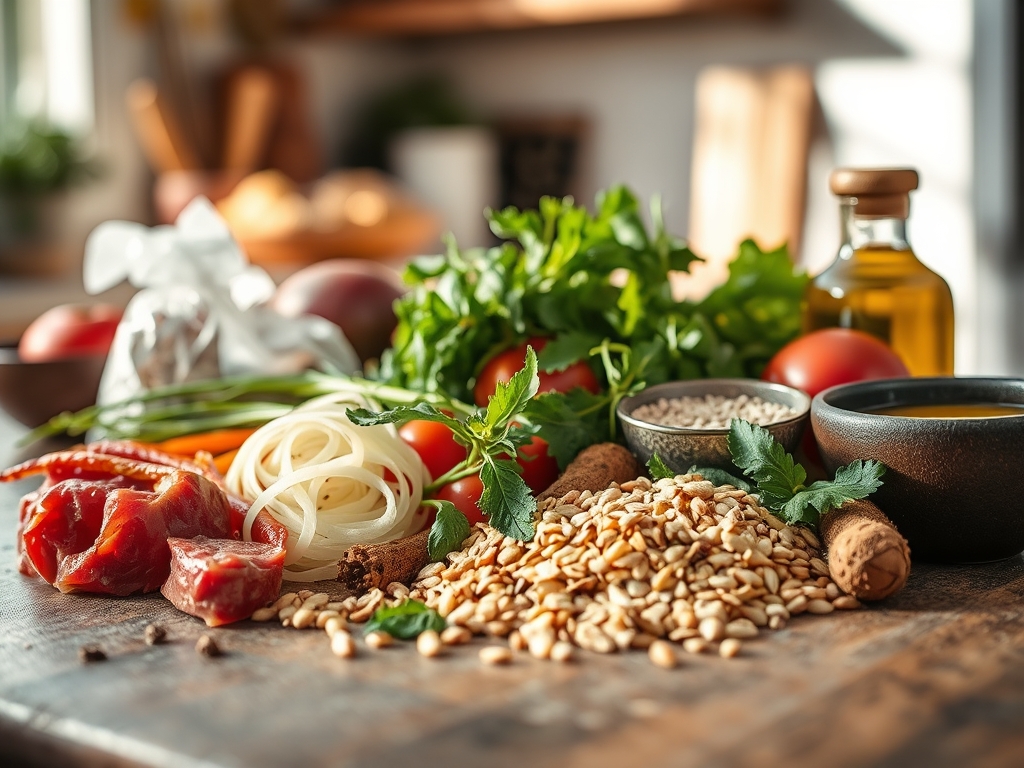
To master these sirloin ground beef recipes, your mise-en-place must be precise. Start with 90/10 ground sirloin. This ratio ensures enough fat to render and carry flavor without turning your dish into a viscous mess. You will need a microplane for grating fresh aromatics like ginger and garlic, which allows them to infuse the meat more deeply than a rough chop. Keep a digital scale nearby to ensure uniform patty or meatball size; this is the secret to even cooking.
Smart Substitutions: If you cannot find pure sirloin, a mix of round and a touch of brisket can mimic that lean-to-fat ratio. For those looking to lighten the profile, you can swap 25 percent of the beef for finely minced cremini mushrooms. This "blending" technique uses the umami-rich guanylate in mushrooms to enhance the savory notes of the beef while reducing total calories. Always have a high-smoke-point oil like avocado or grapeseed oil ready to facilitate that perfect crust.
The Clock
Efficiency in the kitchen is all about "Chef's Flow." For most sirloin ground beef recipes, you are looking at a 15-minute prep and a 20-minute active cook time. The "Flow" means you prep your cold items while the skillet preheats. Never crowd the pan; cooking in batches might feel slower, but it prevents the meat from steaming in its own juices. Total time from fridge to table usually clocks in at 40 minutes, including a mandatory five-minute rest period for the proteins to reabsorb their moisture.
The Masterclass
1. The Perfect Sear
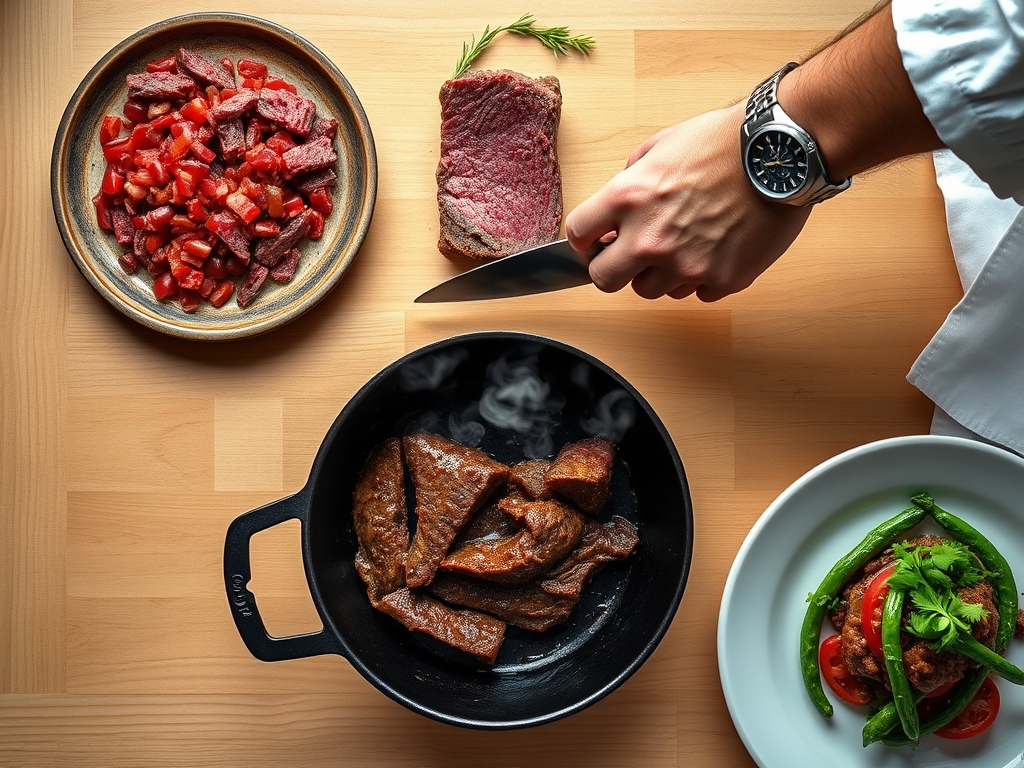
Place your meat in a preheated cast-iron pan. Do not move it for at least three minutes. You want to trigger the Maillard reaction, a chemical dance between amino acids and reducing sugars that creates that iconic brown crust. Use a bench scraper to flip the meat cleanly if you are making a smash burger style.
Pro Tip: This is called enzymatic browning. By leaving the meat undisturbed, you allow the surface moisture to evaporate, which raises the surface temperature high enough to create complex flavor compounds.
2. Deglazing for Depth
Once the meat is browned and removed, you will see "fond" (the brown bits) stuck to the bottom. Pour in a splash of red wine or beef stock. Use a wooden spoon to scrape the bottom. This process will deglaze the pan, incorporating those concentrated flavors into a piquant sauce.
Pro Tip: Alcohol acts as a solvent. It captures flavor molecules that are not water-soluble, creating a more multidimensional sauce than water or stock alone could achieve.
3. Aerating the Mixture
When mixing your sirloin with binders like egg or breadcrumbs, use a light hand. Do not mash the meat. You want to aerate the mixture to keep it light and tender. Overworking the meat leads to protein cross-linking, which results in a rubbery, dense texture.
Pro Tip: Keeping the fat cold during the mixing process prevents it from melting prematurely. This ensures the fat stays trapped within the protein matrix until it hits the heat, resulting in a juicier bite.
4. Thermal Management
Use a digital thermometer to pull your sirloin at 155 degrees Fahrenheit. While the USDA recommends 160, the internal temperature will continue to rise during the rest period. This is known as thermal carryover.
Pro Tip: Sirloin is lean. If you cook it all the way to 165 on the heat, carryover will push it to 170, leaving you with dry, crumbly beef. Pulling early is the mark of a pro.
The Deep Dive
Macro Nutrition
Sirloin is a powerhouse. A 4-ounce serving typically contains about 23 grams of protein and only 10 grams of fat. It is rich in Zinc, B12, and Selenium. Because it is leaner than chuck, it fits perfectly into a heart-healthy diet without sacrificing the "beefy" satisfaction we all crave.
Dietary Swaps
For a Keto version of these sirloin ground beef recipes, swap breadcrumbs for crushed pork rinds or almond flour to maintain the structure. If you are Gluten-Free, use tamari instead of soy sauce in your marinades. For a Vegan pivot, although we are talking beef, the same flavor profiles can be applied to high-quality pea-protein crumbles, though you may need to add a teaspoon of coconut oil to mimic the sirloin's mouthfeel.
The Fix-It
- Problem: The meat is gray and steaming. Fix: Your pan wasn't hot enough or was too crowded. Remove the meat, wipe the pan, get it screaming hot with fresh oil, and return the meat in smaller batches.
- Problem: The patties are falling apart. Fix: You likely skipped the "chill" step. Put your formed patties in the fridge for 20 minutes before cooking to help the proteins and fats bind.
- Problem: The flavor is flat. Fix: You need acid. A squeeze of lemon or a dash of balsamic vinegar at the end of cooking will brighten the heavy fat notes.
Meal Prep Science
To maintain "day-one" quality, store your cooked sirloin in airtight glass containers. When reheating, add a tablespoon of water or broth before microwaving. This creates a steam chamber that prevents the lean sirloin from becoming "leathery." Better yet, reheat in a saucier over low heat to gently bring it back to temperature.
The Wrap-Up
Mastering sirloin ground beef recipes is about respecting the ingredient. You have the tools; the tongs, the heavy-bottomed skillet, and the scientific know-how to turn a simple pound of beef into a culinary event. Remember that cooking is chemistry you can eat. Don't be afraid to turn up the heat, deglaze with abandon, and always, always let your meat rest. You are now the commander of your kitchen; go make something bold!
The Kitchen Table
Why is my ground sirloin dry?
Sirloin is leaner than other cuts. To prevent dryness, avoid overworking the meat and pull it off the heat at 155 degrees Fahrenheit. Adding "wet" aromatics like grated onions can also help retain internal moisture during the cooking process.
Can I use sirloin for burgers?
Yes, but be careful. Because it has less fat than chuck, sirloin burgers can become tough if overcooked. For the best results, cook them to medium-rare and add a small amount of butter or bone marrow to the center for extra succulence.
How do I get a better crust?
Pat the meat dry with paper towels before cooking. Surface moisture is the enemy of the Maillard reaction. Use a cast-iron skillet and high heat to ensure the exterior browns quickly before the interior has a chance to overcook.
Is ground sirloin healthier than ground beef?
Generally, yes. Ground sirloin is typically 90 percent lean or higher. This means it has fewer calories and less saturated fat per serving than standard ground beef or chuck, making it an excellent choice for lean muscle building and heart health.