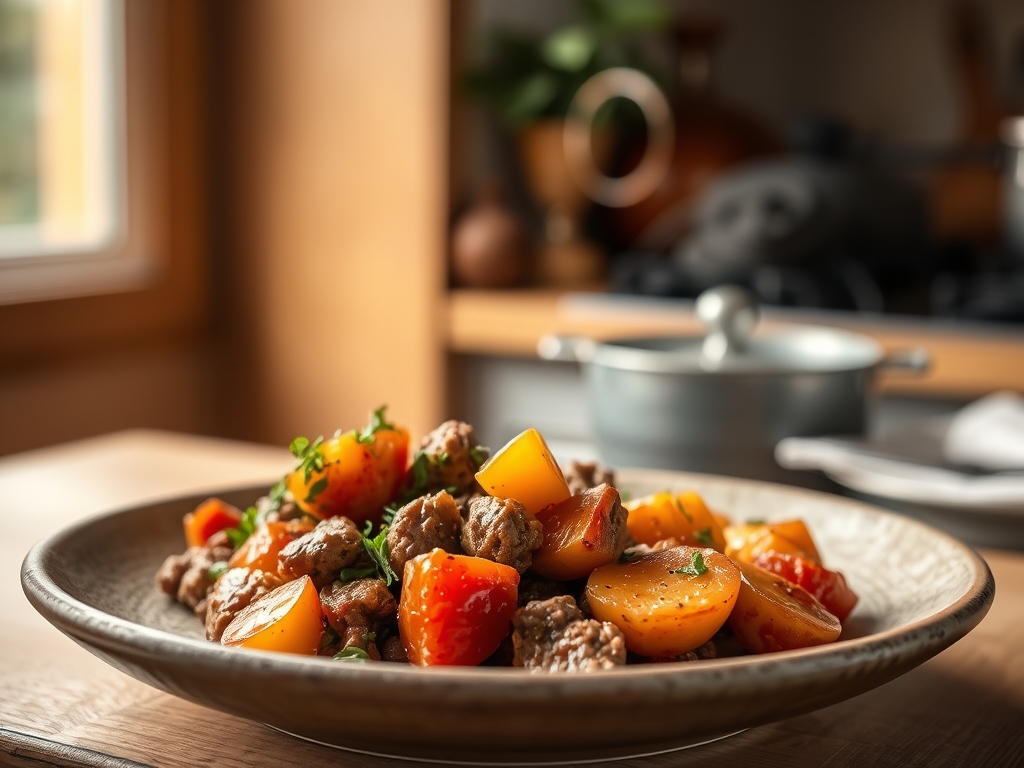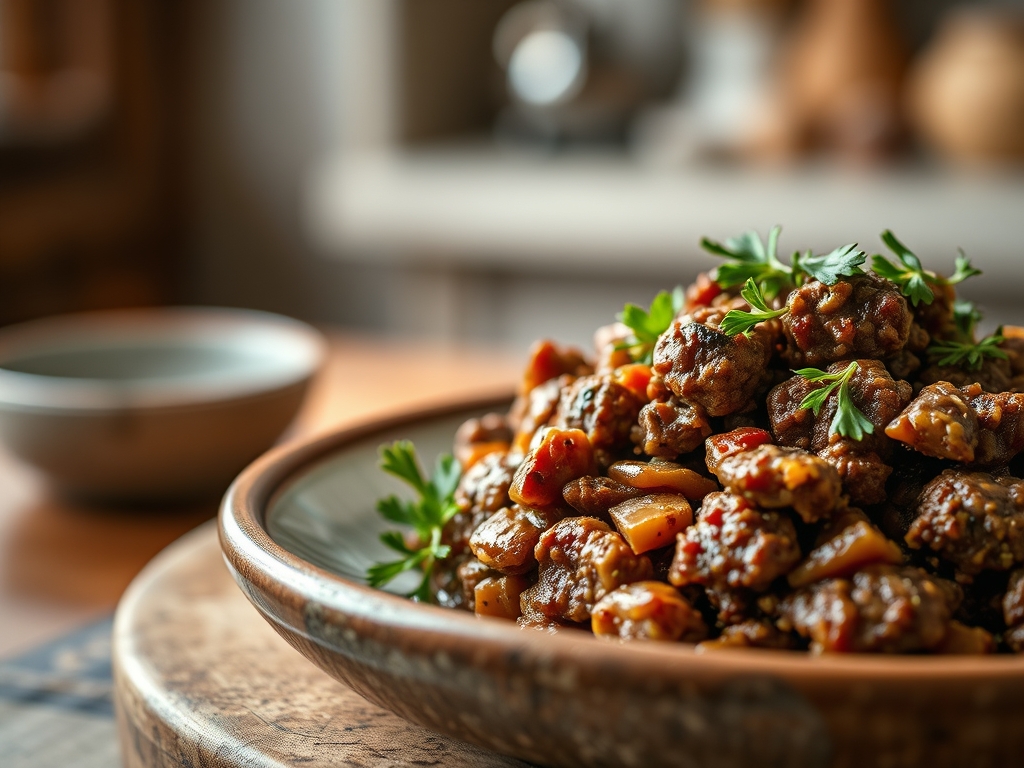
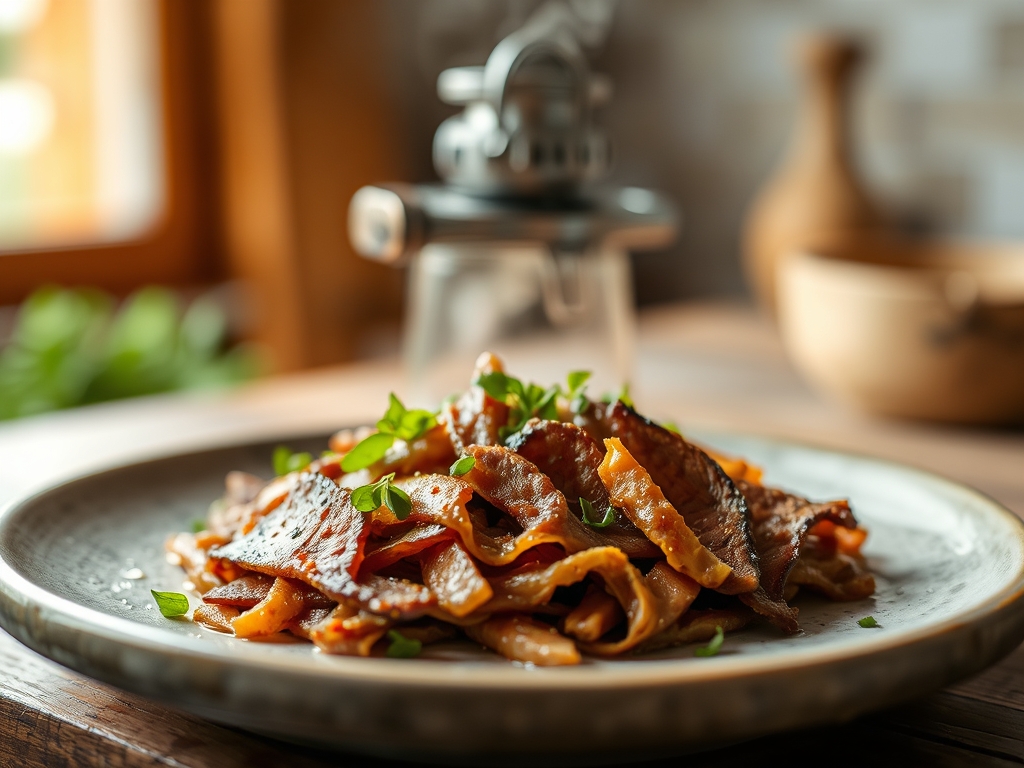
Imagine the sizzle of a cast iron pan meeting paper-thin ribbons of steak. That sound is the overture to a dinner that takes less time to cook than it does to set the table. When you master a few simple shaved beef recipes, you unlock a culinary cheat code for weeknight elegance. It is all about that lightning-fast sear and the way the meat absorbs every drop of piquant sauce.
Shaved beef is the ultimate canvas for flavor. Because the surface area is so high relative to the volume, every single bite is packed with the results of the Maillard reaction. This is the chemical dance where amino acids and reducing sugars transform under high heat into those savory, brown, umami-rich compounds we crave. Whether you are craving a classic Philly cheesesteak or a spicy ginger stir-fry, these thin slices are your best friend in a high-speed kitchen. Let us dive into the gear and the groceries you need to make these simple shaved beef recipes a staple in your rotation.
The Gathers:
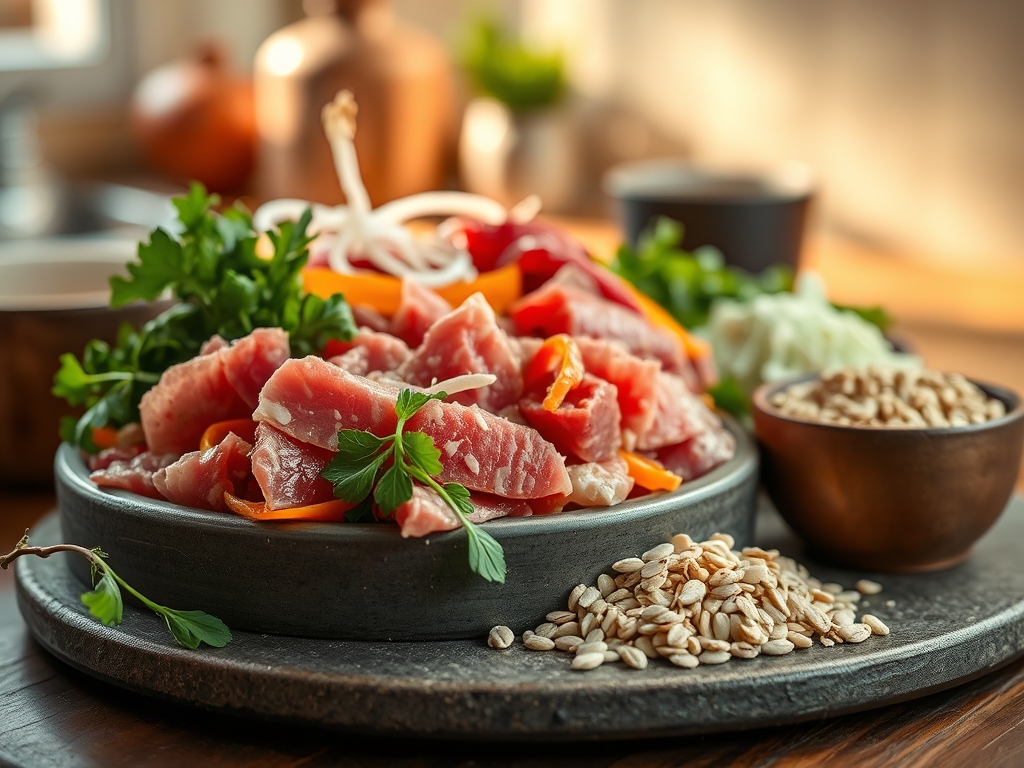
To execute these recipes with precision, your mise-en-place must be tight. Start with one pound of high-quality shaved steak. Look for ribeye or top sirloin that has been sliced to a translucent thickness of about one-sixteenth of an inch. You will also need a heavy-bottomed skillet or a carbon steel wok to maintain high thermal mass. For your aromatics, keep fresh garlic, ginger, and scallions on standby. A bottle of high-smoke-point oil, like grapeseed or avocado oil, is essential to prevent acrid flavors during the sear.
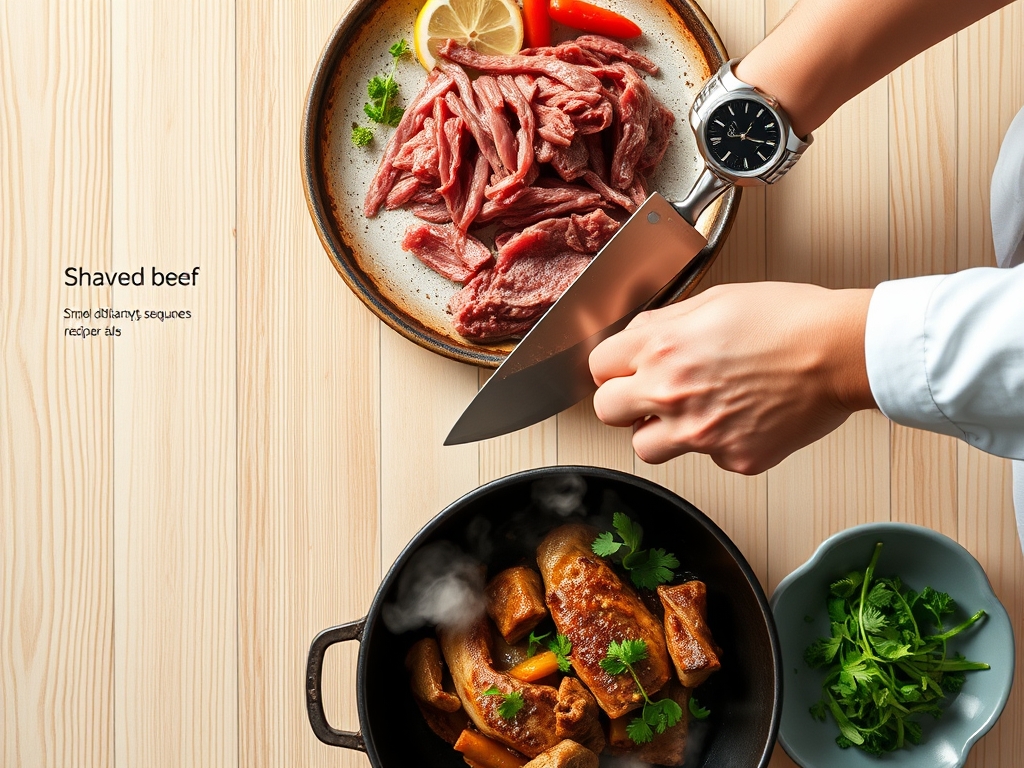
Smart Substitutions: If you cannot find pre-shaved beef, take a flank steak and freeze it for forty-five minutes. This firms up the muscle fibers, allowing you to use a sharp chef knife to create your own thin ribbons. For a lighter profile, you can substitute shaved chicken or turkey breast, though you will lose the deep iron notes of the beef. If you are looking for a plant-based swap, thinly sliced king oyster mushroom caps offer a remarkably similar viscous mouthfeel when seared with a splash of liquid aminos.
The Clock
The beauty of these simple shaved beef recipes lies in the "Chef's Flow." This is the intentional sequencing of tasks to minimize downtime. Total preparation time usually hovers around ten minutes, mostly spent on chopping vegetables. The actual cooking time is a mere five to seven minutes. Because the beef is so thin, it cooks in seconds rather than minutes.
The flow works like this: Prep all cold ingredients first. Once the pan is hot, it is a high-speed sprint. You want to sear the meat in batches to avoid overcrowding. If you put too much meat in at once, the temperature of the pan drops, and the meat begins to steam in its own juices rather than browning. By the time you add your finishing sauce to deglaze the pan, the entire process should feel like a choreographed dance.
The Masterclass
1. The High-Heat Sear
Start by patting your beef dry with paper towels. Moisture is the enemy of a good crust. Heat your skillet until the oil just begins to shimmer and reach its smoke point. Toss the beef in, spreading it out with tongs to maximize surface contact.
Pro Tip: This step relies on thermal conductivity. By drying the meat, you ensure the energy of the pan goes directly into browning the proteins rather than evaporating surface water.
2. The Aromatic Infusion
Once the beef is browned, push it to the perimeter of the pan. Drop your minced garlic and ginger into the center. Use a microplane for the ginger to create a paste that integrates seamlessly into the fat.
Pro Tip: This is called infusing the fat. The volatile flavor compounds in garlic are fat-soluble; by heating them briefly in the rendered beef fat, you amplify their reach across the entire dish.
3. The Deglaze and Emulsify
Pour in your liquid components, such as soy sauce, beef stock, or a splash of rice vinegar. Use a bench scraper or a wooden spoon to lift the "fond" (the brown bits) from the bottom of the pan.
Pro Tip: This process uses solvent extraction to pull concentrated flavor from the pan surface. As the liquid reduces, the proteins in the beef help to emulsify the sauce, creating a glossy coating.
4. The Quick Toss Stir-Fry
For a classic stir-fry, add snap peas, peppers, and onions. Keep the heat high and the movement constant. You want the vegetables to be "crisp-tender," meaning they are vibrant and snappy but no longer raw.
Pro Tip: This utilizes conduction heating. The rapid movement prevents the delicate cell walls of the vegetables from collapsing, preserving their structural integrity and nutritional density.
5. The Philly Style Melt
If you are going for a sandwich, pile the cooked beef into small mounds and top with provolone or Cooper sharp cheese. Cover the pan for thirty seconds to trap the steam.
Pro Tip: This involves latent heat of vaporization. The trapped steam quickly raises the temperature of the cheese to its melting point without overcooking the beef underneath.
6. The Final Aeration
Before serving, toss in fresh herbs like cilantro or basil. Give the dish one final toss to aerate the sauce and distribute the fresh oils from the herbs.
Pro Tip: Adding herbs at the very end prevents the heat from destroying their delicate essential oils, ensuring a bright, fragrant finish that cuts through the richness of the beef.
The Deep Dive
From a nutritional standpoint, shaved beef is a protein powerhouse. A four-ounce serving typically contains about twenty-five grams of protein and varying levels of fat depending on the cut used. To keep it Keto-friendly, skip the sugary glazes and serve over cauliflower rice. For a Gluten-Free version, always swap soy sauce for tamari or coconut aminos.
The Fix-It: If your meat ends up tough, it likely stayed in the pan too long. Next time, pull it out while it still has a hint of pink. If the dish is too salty, add a squeeze of lime juice; the acid masks the sodium perception. If the sauce is too thin, whisk a teaspoon of cornstarch with cold water to create a slurry and stir it into the boiling sauce to trigger starch gelatinization.
For meal prep, store the beef and sauce separately from your grains or greens. When reheating, use a damp paper towel over the container in the microwave. This creates a mini-steam chamber, preventing the beef from turning into leather.
The Wrap-Up
Mastering these simple shaved beef recipes is about more than just a quick meal; it is about understanding how heat and timing work together. Once you get the hang of the high-heat sear and the quick deglaze, you will find yourself reaching for that package of shaved steak every single week. It is fast, it is flavorful, and it is scientifically guaranteed to impress anyone at your table. Now, grab those tongs and get searing!
The Kitchen Table
How do I keep shaved beef from getting tough?
The secret is speed. Cook the beef on high heat for only sixty to ninety seconds. Remove it from the pan immediately once the pink disappears to avoid over-coagulating the muscle proteins, which leads to a rubbery texture.
What is the best oil for searing beef?
Use an oil with a high smoke point, such as avocado, peanut, or grapeseed oil. These oils can withstand temperatures above 400 degrees Fahrenheit without breaking down or creating bitter, scorched flavors in your delicate beef ribbons.
Can I cook shaved beef from frozen?
It is not recommended. Frozen beef releases too much moisture as it thaws in the pan, which steams the meat instead of searing it. For the best results, thaw the beef completely in the refrigerator and pat it dry before cooking.
How do I make a glossy sauce for my beef?
Achieve a professional gloss by adding a "slurry" of cornstarch and cold water to your simmering sauce. As the mixture heats, the starch granules swell and trap liquid, creating a thick, translucent coating that clings perfectly to the meat.