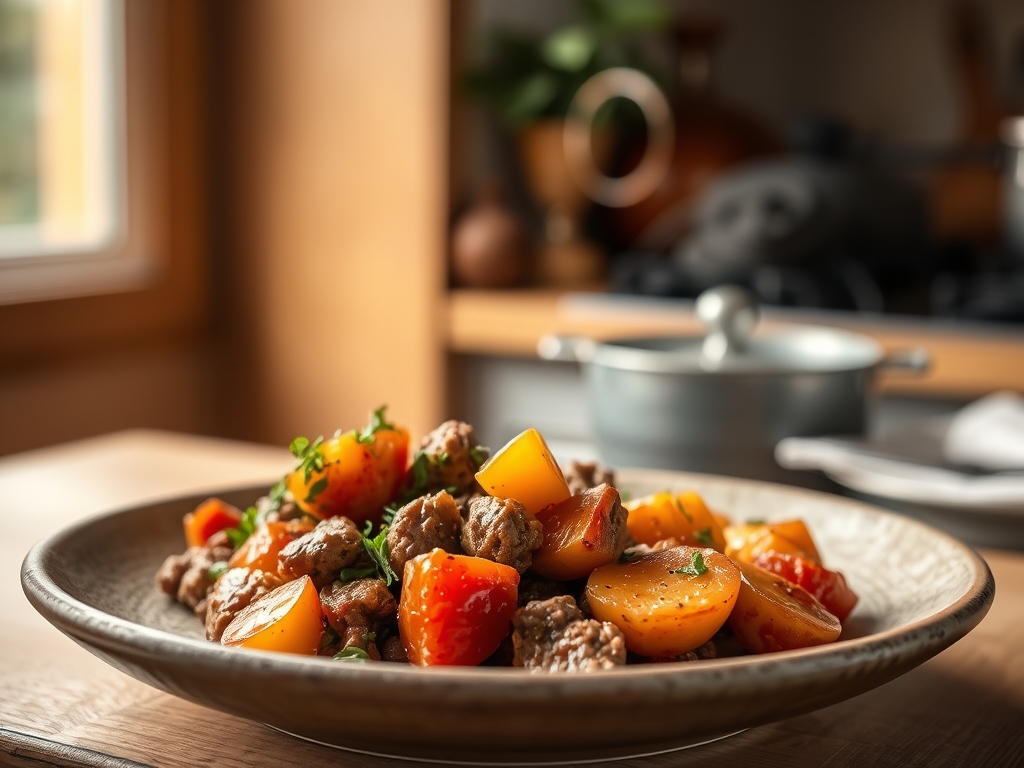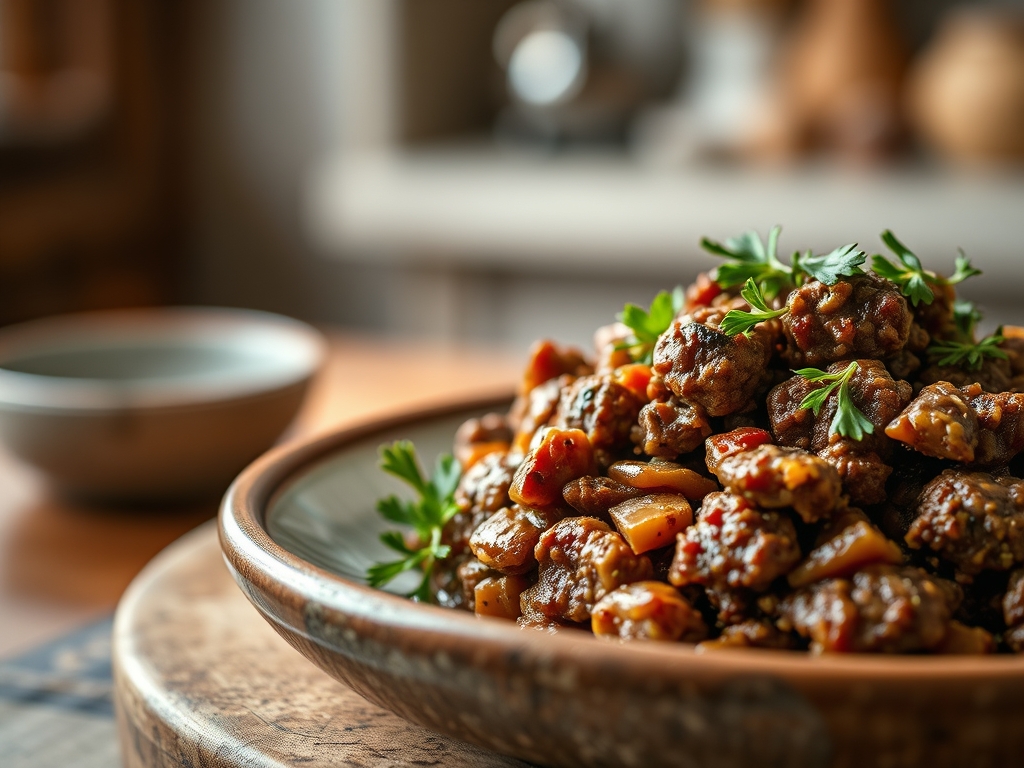
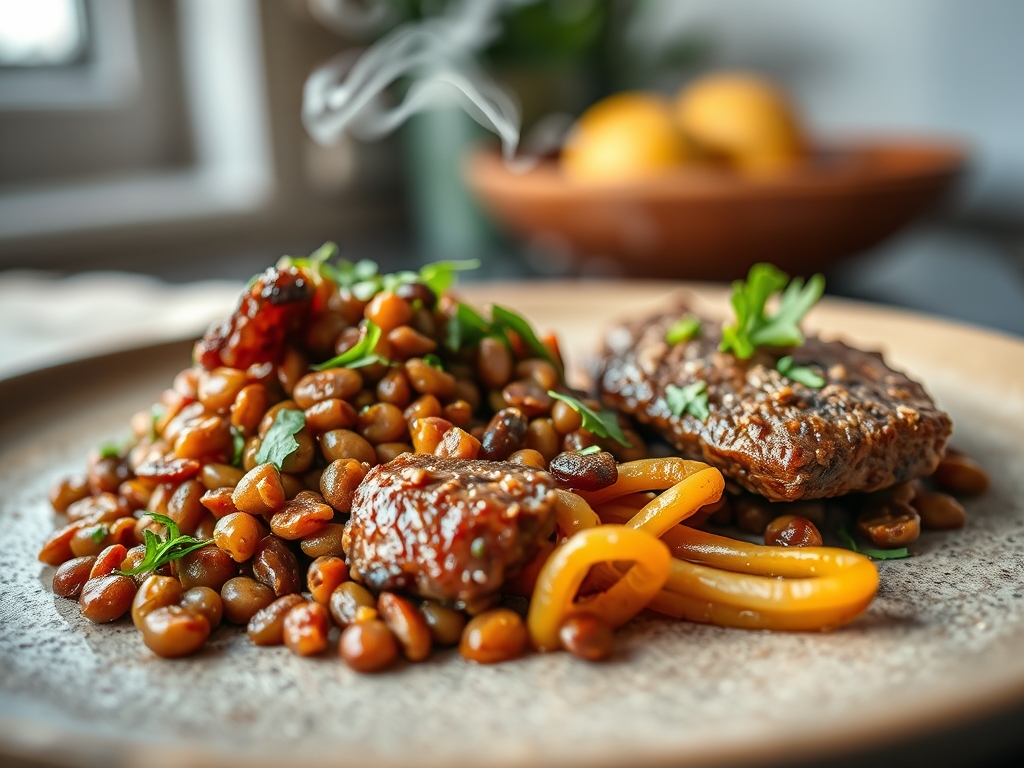
Imagine the scent of a heavy bottomed skillet hitting a screaming hot burner. As the fat begins to render from a prime cut of chuck, the air fills with that unmistakable aroma of caramelized proteins. When you introduce the earthy, mineral notes of pulses into the mix, you create a culinary synergy that is both ancient and revolutionary. These lentil and beef recipes offer a masterclass in texture and depth; providing a high protein profile that keeps you satisfied long after the last bite is gone.
We are moving past the days of watery stews and bland mashes. This is about the marriage of iron-rich legumes and umami-dense beef. It is a partnership where the lentils act as tiny sponges; soaking up every drop of rendered fat and aromatic broth. Whether you are craving a piquant Moroccan-inspired braise or a classic French-style ragout, the combination is a nutritional powerhouse. Let us dive into the mechanics of why these two ingredients belong together on your dinner table tonight.
The Gathers:
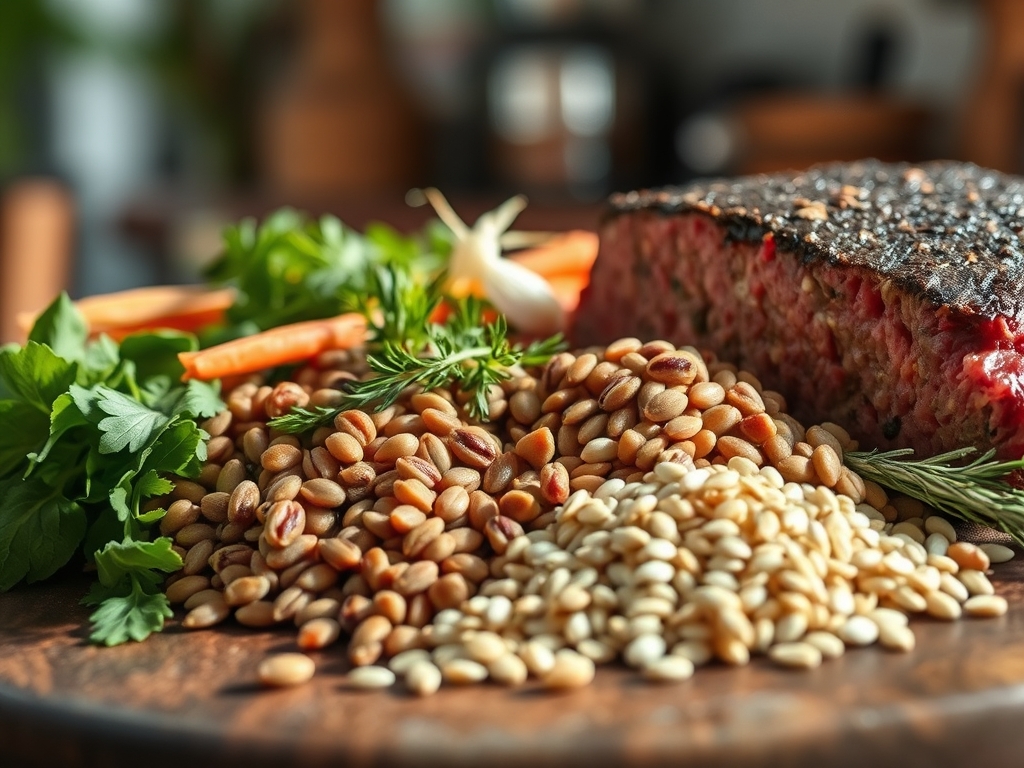
To achieve restaurant-quality results, your mise-en-place must be precise. Start with your beef. For slow-cooked lentil and beef recipes, look for cuts with significant connective tissue like shank or neck. If you are opting for a faster sear, a lean flank steak sliced against the grain provides a clean contrast to the creamy legumes.
Next, consider your lentils. Puy lentils (French green) are the gold standard because they maintain their structural integrity through long simmer times. Red lentils are better suited for thickeners; they disintegrate into a viscous base that binds sauces. You will also need your aromatics: mirepoix (onion, carrot, celery), garlic cloves crushed with a heavy knife, and fresh thyme.
Smart Substitutions: If you cannot find Puy lentils, Beluga lentils (black) offer a similar firm bite. For a lighter version, swap the beef chuck for lean ground sirloin. If you are out of fresh beef stock, use a high-quality bone broth and a splash of soy sauce to mimic that deep umami profile. Use a microplane to zest a bit of lemon over the final dish to cut through the richness of the rendered fat.
The Clock
Efficiency in the kitchen is about managing your thermal momentum. For most lentil and beef recipes, you are looking at a Active Prep Time of 20 minutes and a Cook Time of 45 to 90 minutes depending on the cut of meat.
The "Chef's Flow" is simple: begin by tempering your meat. Cold beef hitting a pan causes the fibers to contract violently; leading to a tough result. While the meat reaches room temperature, use a bench scraper to organize your chopped aromatics. Start the sear first; the meat takes the longest to develop the Maillard reaction. While the beef braises, you can prepare your side grains or a crisp acidic salad. This staggered approach ensures everything finishes at the exact same moment.
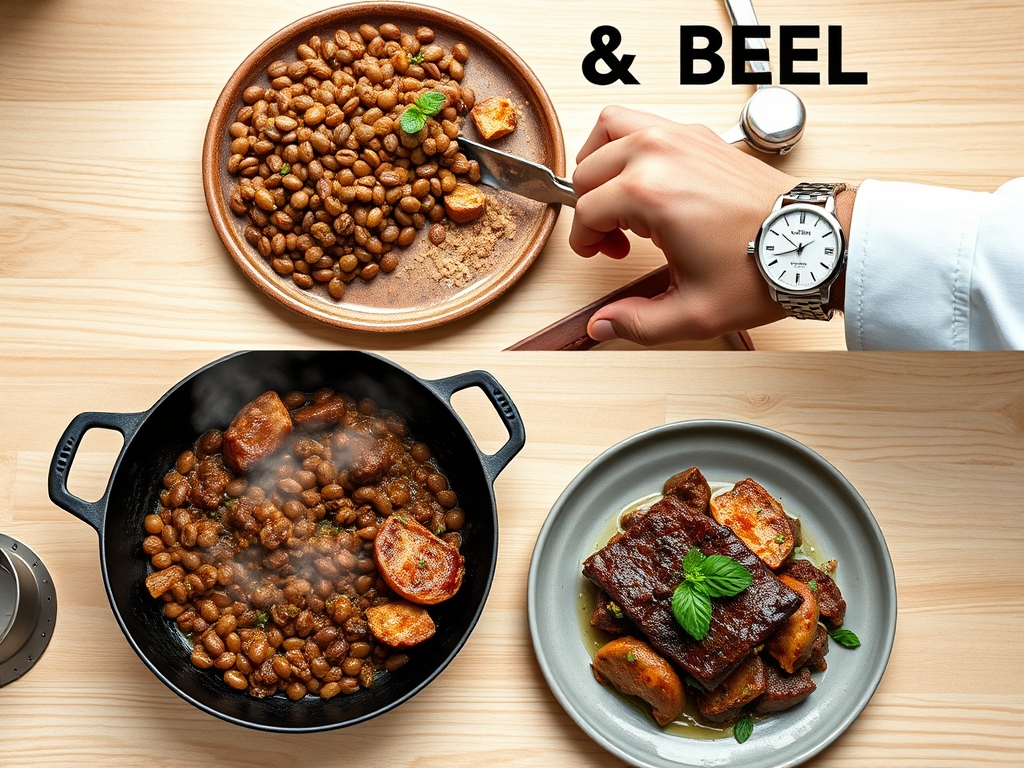
The Masterclass
1. The Sear and Render
Pat the beef dry with paper towels. Moisture is the enemy of browning. Heat a tablespoon of high-smoke-point oil in a saucier or Dutch oven until it shimmers. Add the beef in a single layer; ensuring you do not crowd the pan.
Pro Tip: This step utilizes enzymatic browning. By removing surface moisture, you allow the temperature to rise above 300 degrees Fahrenheit. This triggers the chemical reaction between amino acids and reducing sugars; creating hundreds of new flavor compounds that are impossible to replicate through boiling.
2. Deglaze and Infuse
Once the beef is browned, remove it and add your aromatics. Use a wooden spoon to scrape up the "fond" (the brown bits stuck to the bottom). Pour in a splash of dry red wine or beef stock to deglaze the pan.
Pro Tip: Deglazing is not just for cleaning the pan. It captures the concentrated essence of the meat. The alcohol in wine acts as a solvent; pulling out flavor molecules that are not water-soluble; which creates a more complex and viscous sauce base.
3. The Pulse Integration
Add your rinsed lentils and the browned beef back into the pot. Submerge them in high-quality stock. Bring the liquid to a boil, then immediately drop it to a whisper-thin simmer. Cover the pot with a tight-fitting lid.
Pro Tip: Maintaining a low temperature prevents the lentils from exploding. High heat causes the starch granules to swell too quickly; rupturing the outer skin. A gentle simmer ensures the heat penetrates the center of the lentil evenly while the beef undergoes collagen conversion into silky gelatin.
4. The Final Emulsification
Once the lentils are tender and the beef is fork-soft, remove the lid. If the liquid is too thin, use a whisk to mash a small portion of the lentils against the side of the pot. Stir in a pat of cold butter or a drizzle of extra virgin olive oil.
Pro Tip: This is the science of emulsification. By stirring in a fat source at the end, you create a stable suspension of oil and water. This coats the palate and carries the piquant flavors of the herbs more effectively across your taste buds.
The Deep Dive
From a nutritional standpoint, lentil and beef recipes are nearly perfect. You are getting high-density heme iron from the beef and non-heme iron from the lentils; which is better absorbed when paired with the Vitamin C found in the aromatic vegetables. One serving typically provides 35g of protein and 12g of fiber.
Dietary Swaps: For a Keto version, drastically reduce the lentil ratio and increase the beef and leafy greens. For a Vegan alternative, replace the beef with thick-cut king oyster mushrooms seared in smoked paprika to mimic the umami. All these recipes are naturally Gluten-Free as long as you use certified stock.
The Fix-It:
- Mushy Lentils: If you overcooked them, do not toss the dish. Blitz half the mixture in a blender to create a "Beef and Lentil Bisque."
- Tough Beef: This usually means the collagen hasn't melted yet. Add a splash of water and simmer for another 20 minutes; time is the only cure for tough fibers.
- Lack of Depth: If the dish tastes flat, it needs acid. Add a teaspoon of red wine vinegar or a squeeze of lemon to brighten the metallic notes of the lentils.
Meal Prep Science: These dishes actually taste better on day two. As the mixture cools, the starches in the lentils undergo retrogradation; creating a thicker texture. When reheating, add a tablespoon of water and use low heat to prevent the proteins from becoming rubbery.
The Wrap-Up
Mastering lentil and beef recipes is like unlocking a secret level of home cooking. You are combining the rustic, earthy reliability of legumes with the luxurious, savory punch of quality beef. It is a cost-effective way to stretch a premium cut of meat while boosting the nutritional density of your meal. Grab your favorite heavy-bottomed skillet, find some beautiful French greens, and start searing. Your kitchen is about to smell like a high-end bistro; and your body will thank you for the fuel.
The Kitchen Table
Can I use canned lentils for these recipes?
Yes, but add them during the last ten minutes of cooking. Canned lentils are already hydrated and soft; so simmering them too long will result in a grainy puree rather than distinct, hearty bites.
What is the best beef cut for lentils?
Beef chuck or short ribs are ideal. These cuts contain high amounts of connective tissue that transform into gelatin during the braising process; providing a rich mouthfeel that complements the earthy texture of the lentils.
Do I need to soak the lentils first?
Unlike dried beans, lentils do not require soaking. Simply rinse them in a fine-mesh strainer to remove dust or debris. They cook relatively quickly; usually softening within 20 to 30 minutes of simmering.
How do I prevent the beef from drying out?
Always sear the meat quickly over high heat to develop flavor; then transition to a low-temperature simmer. High heat for the duration of the cook time will squeeze the moisture out of the muscle fibers; making the beef tough.