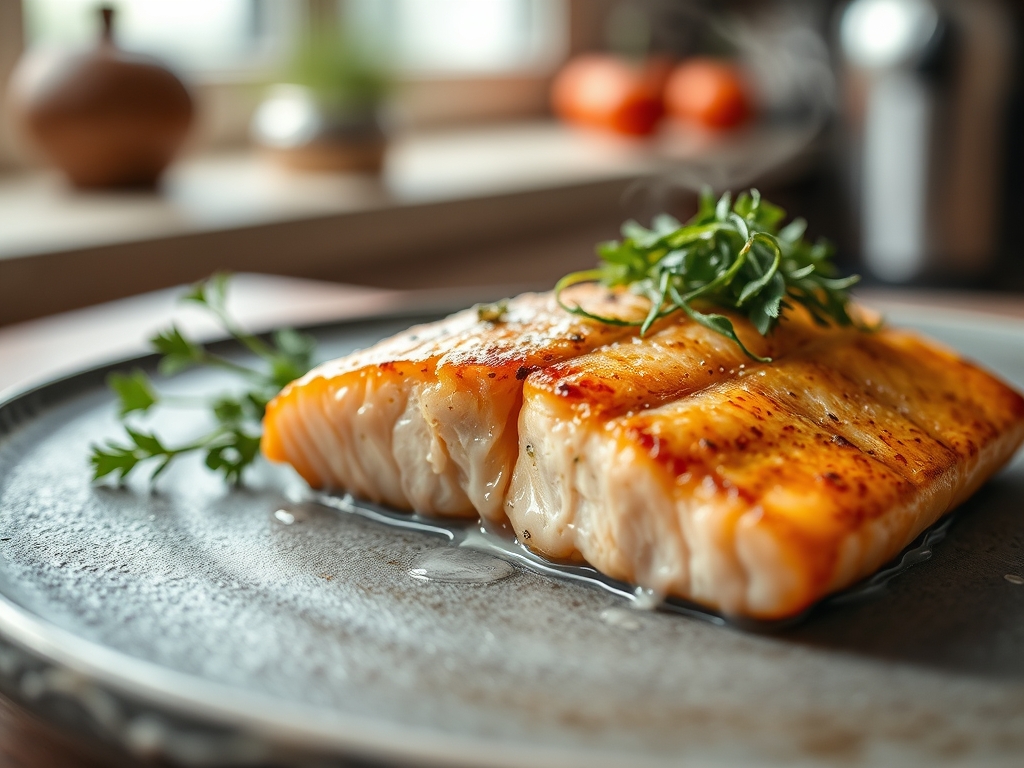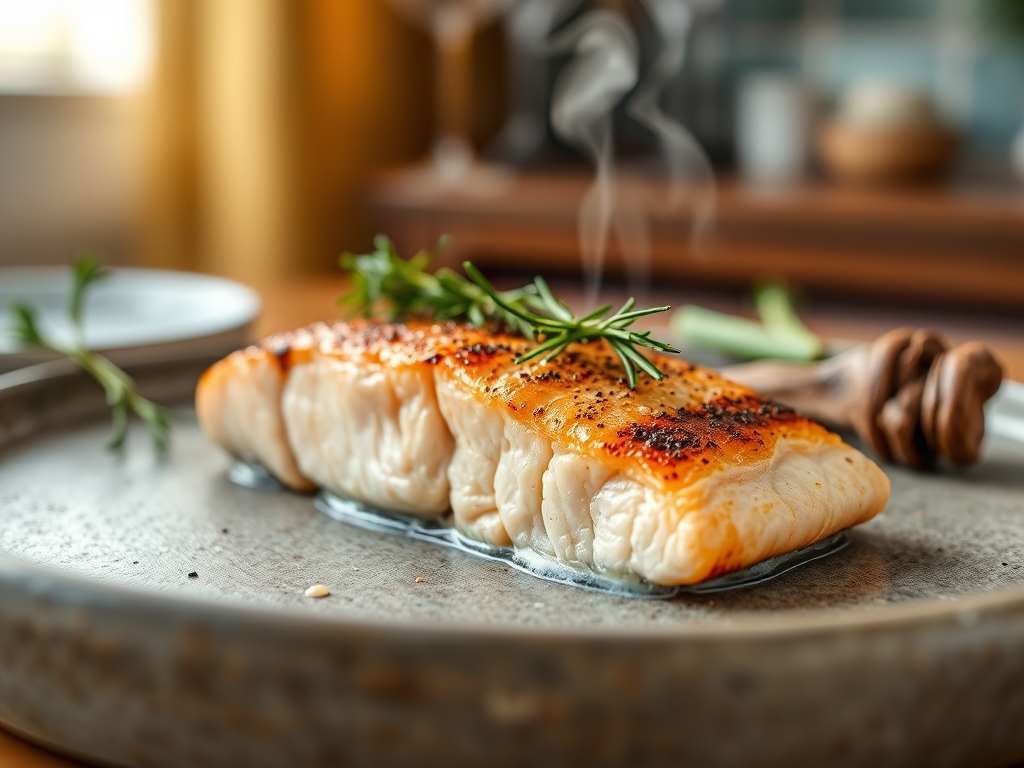
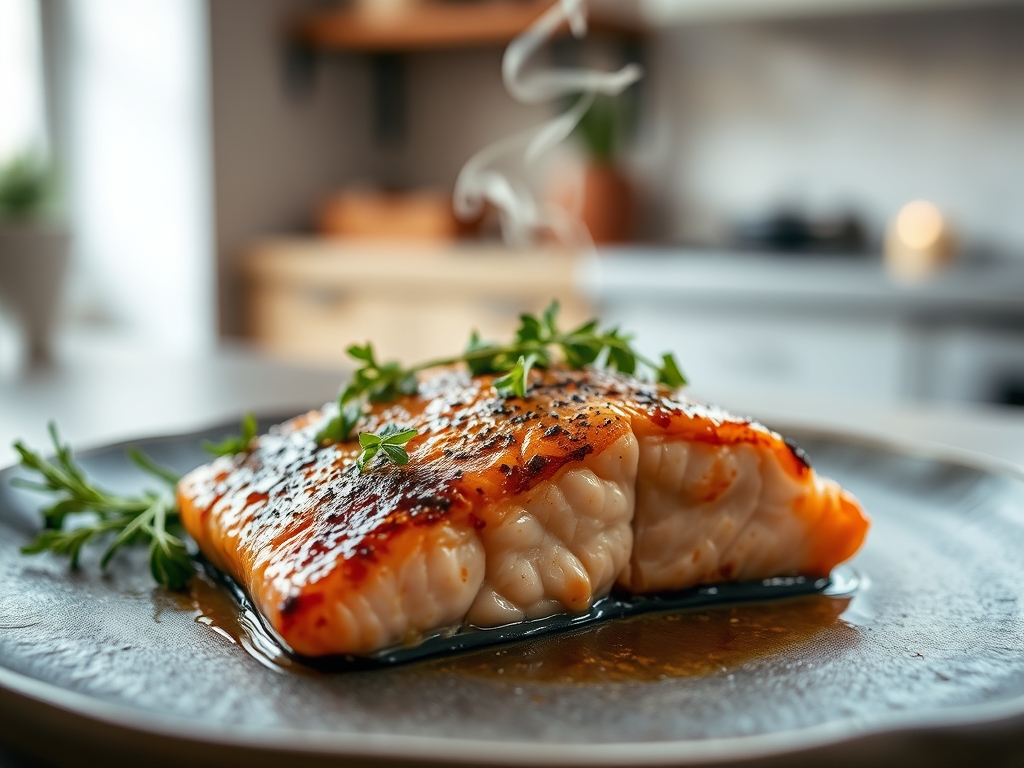
Picture the sound of a heavy bottomed skillet hitting a high flame; it is the opening chord of a culinary symphony. When you drop a cold fillet of King Salmon into shimmering oil, the hiss you hear is actually the rapid evaporation of surface moisture, clearing the stage for the glorious Maillard reaction. Mastering five star salmon recipes is not about luck; it is about manipulating heat and fat to transform a raw protein into a buttery, translucent masterpiece. We are moving past the days of dry, chalky fish. Today, we are embracing the precision of a professional kitchen to create textures that melt on the tongue while maintaining a crisp, salty crust that shatters with every forkful.
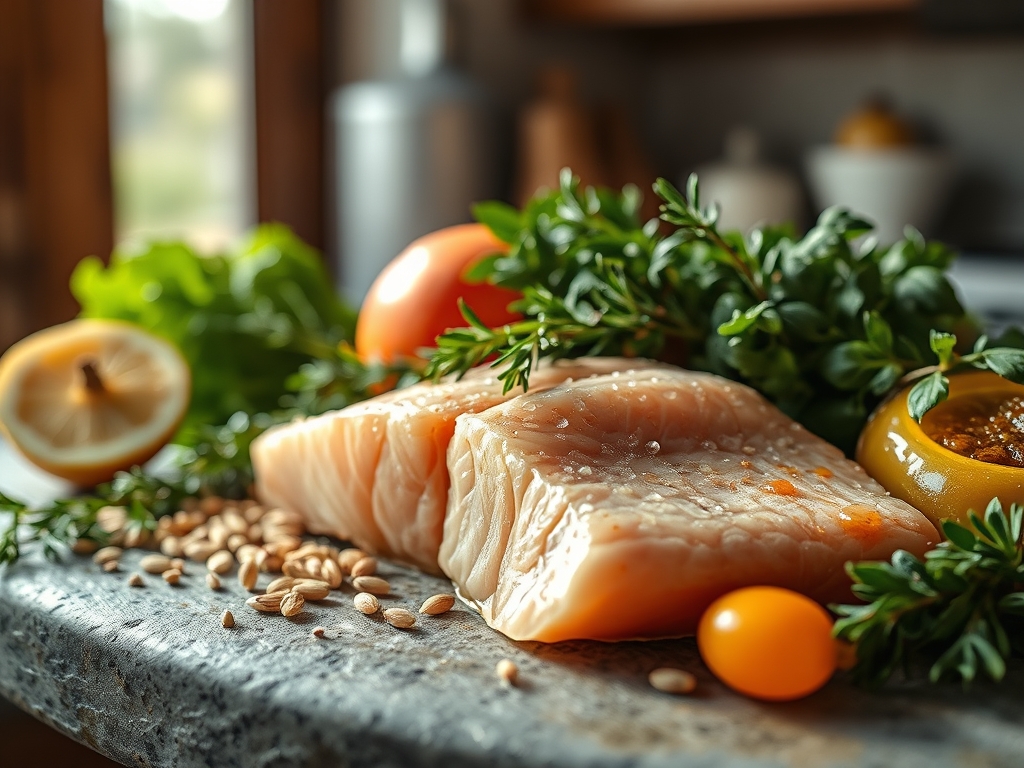
The Gathers:
To execute these five star salmon recipes, your mise-en-place must be clinical. Start with high quality fillets, ideally center-cut for uniform thickness. You will need a digital scale to ensure portions are exactly six ounces; this ensures consistent cooking times across the board. Your aromatics should include fresh dill, flat leaf parsley, and garlic cloves that feel heavy for their size. For the fats, keep unsalted European butter (higher butterfat content) and a high smoke point oil like avocado or grapeseed oil within reach.
Smart Substitutions:
If you cannot find fresh Galangal for the Southeast Asian variations, use a mix of ginger and a dash of lime zest to mimic that sharp, piney heat. If you are avoiding dairy, swap the butter for a cold-pressed coconut oil to maintain a viscous mouthfeel without the lactose. For those watching sodium, use a high quality liquid aminos instead of soy sauce to keep the umami profile deep and resonant.
The Clock
Efficiency in the kitchen is known as the "Chef's Flow." For these recipes, expect a total commitment of 35 minutes. Preparation takes 15 minutes; this includes the crucial step of patting the fish bone-dry and allowing it to sit at room temperature to take the chill off. The actual cook time is a swift 12 to 15 minutes, depending on your preferred level of doneness. The final 5 minutes are reserved for the carryover cooking phase, where the residual heat finishes the center of the fillet while the fish rests on a warm plate.
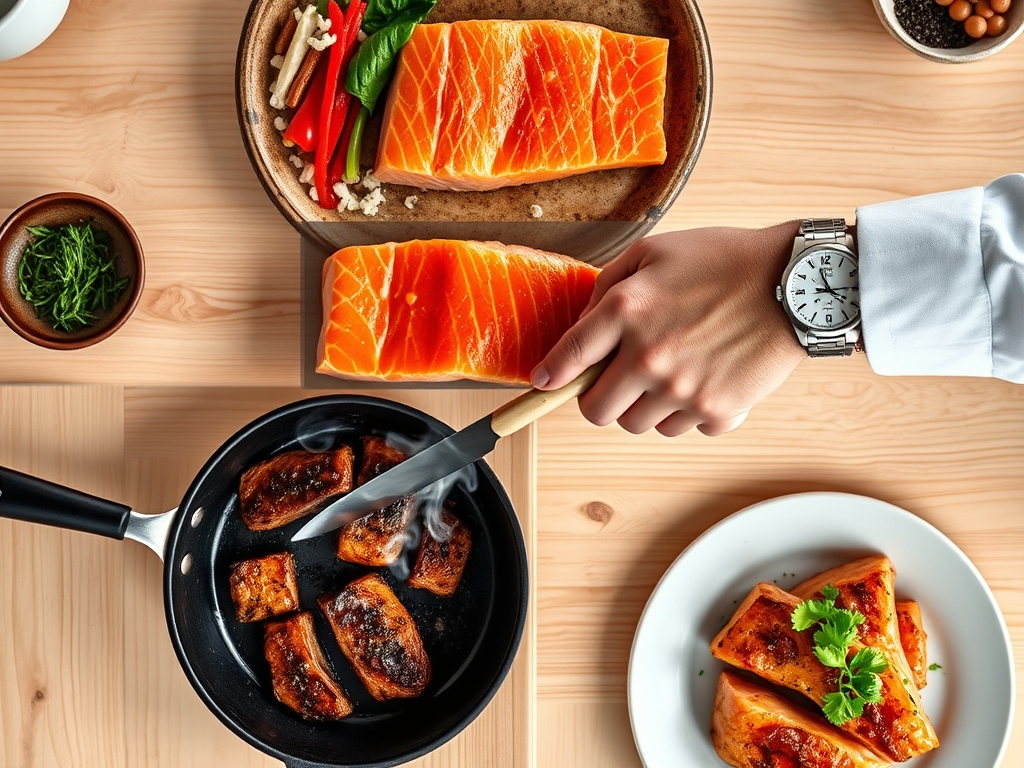
The Masterclass
1. The Surface Prep
Use a sharp chef's knife or a bench scraper to clear any scales from the skin. Pat the salmon with paper towels until the surface is tacky. This removal of moisture is essential; water is the enemy of a crisp crust because it creates steam, which prevents the surface temperature from rising above 212 degrees Fahrenheit.
Pro Tip: This is the science of surface tension. By removing water, you allow the oil to make direct contact with the proteins, triggering the Maillard reaction at 285 degrees Fahrenheit for that golden-brown color.
2. The Seasoning Bridge
Generously coat the fillets with kosher salt from a height of twelve inches to ensure even distribution. Do not add pepper yet; black pepper can burn in a hot pan, turning bitter. Use a microplane to zest lemon directly over the flesh, allowing the essential oils to infuse the top layer of the fish.
Pro Tip: Salt acts as a denaturant. It begins to break down the tightly wound protein strands, allowing them to retain more moisture during the high-heat cooking process.
3. The Sear
Heat your heavy bottomed skillet until the oil shimmering. Lay the salmon skin-side down, away from your body to avoid splashes. Use tongs to press the fillet down firmly for the first 30 seconds. This prevents the skin from curling as the collagen fibers contract.
Pro Tip: This is protein coagulation. Pressing the fish ensures the skin remains in full contact with the pan, resulting in a uniform, glass-like crunch rather than a soggy texture.
4. The Butter Baste
Once the skin is crisp and the fish is 70 percent cooked, toss in two tablespoons of butter, smashed garlic, and thyme. Use a large spoon to continuously drench the salmon in the foaming fat. This is where you aerate the butter, creating a nutty, toasted flavor profile.
Pro Tip: Basting utilizes convection. The hot fat surrounds the fish, cooking the top and sides gently while adding a rich, decadent layer of flavor that water-based liquids cannot achieve.
5. The Deglaze
Remove the fish and set it aside. Pour a splash of dry white wine or verjus into the hot pan. Use a whisk to scrape up the browned bits, known as the fond. This creates the base for a piquant pan sauce that ties the dish together.
Pro Tip: Deglazing releases the concentrated sugars and proteins stuck to the pan, incorporating them into a sauce through emulsification for a complex, savory finish.
The Deep Dive
From a macro perspective, salmon is a nutritional powerhouse. A single six-ounce serving provides roughly 34 grams of high-quality protein and is rich in Omega-3 fatty acids, which support brain health and reduce inflammation. For those on a Keto diet, this recipe is naturally perfect; just ensure your pan sauce uses heavy cream or extra butter instead of flour-based thickeners. For a Vegan alternative, you can apply these same searing techniques to thick "steaks" of King Oyster mushrooms or firm tofu, though the cooking times will vary.
The Fix-It: Common Pitfalls
- The White Gunk: If you see white "beads" (albumin) popping out of the fish, you are using too much heat too fast. Fix this by lowering the flame and pulling the fish off the heat 2 degrees before your target temperature.
- Sticking Skin: If the fish won't release, do not force it. The fish will naturally "release" from the pan once the proteins have sufficiently browned and hardened.
- Uneven Cooking: If your fillet is thick on one side and thin on the other, use a small weight or another pan to press the thick side down, ensuring even heat distribution.
Meal Prep Science: To reheat salmon without it turning into rubber, avoid the microwave. Use a low-temperature oven (275 degrees Fahrenheit) with a splash of water in the pan, covered tightly with foil. This creates a gentle steam chamber that rehydrates the proteins without over-coagulating them.
The Wrap-Up
You are now equipped with the technical prowess to turn a simple piece of seafood into a five star experience. Remember, cooking is as much about physics as it is about flavor. By controlling moisture, managing thermal energy, and understanding the chemistry of fats, you can replicate restaurant-quality results every single time. Grab your skillet, trust your senses, and let the sizzle guide you to a perfect dinner.
The Kitchen Table
How do I know when salmon is perfectly cooked?
Use a digital thermometer to pull the fish at 125 degrees Fahrenheit for medium-rare. The temperature will rise to 130 degrees during the rest, ensuring a moist, flaky texture that is never dry or chalky.
Why does my salmon skin always turn out soggy?
Soggy skin is caused by residual moisture or overcrowding the pan. Always pat the skin extremely dry and ensure the oil is shimmering hot before adding the fish; this allows the skin to fry rather than steam.
Can I use frozen salmon for these recipes?
Yes, but thaw it completely in the refrigerator first. Pat it dry more aggressively than fresh fish, as frozen fillets often release more internal moisture during the thawing process which can hinder a proper sear.
What is the best oil for searing salmon?
Use oils with high smoke points like avocado, grapeseed, or refined light olive oil. Avoid extra virgin olive oil for high-heat searing, as it will smoke and turn bitter before the fish is properly browned.