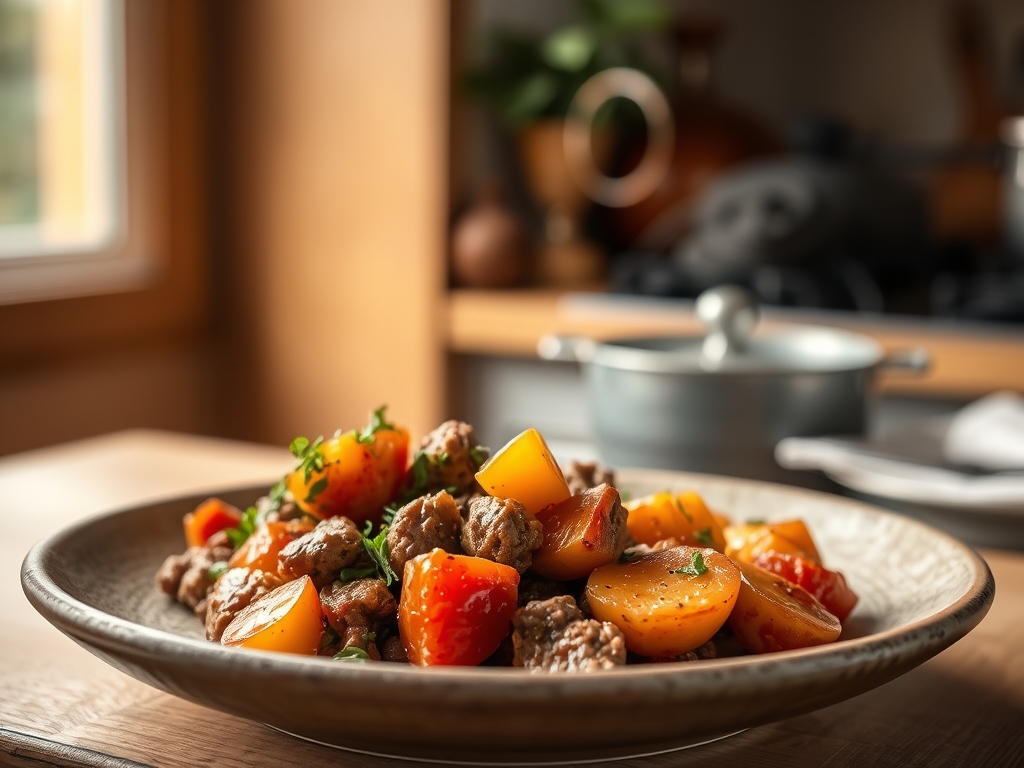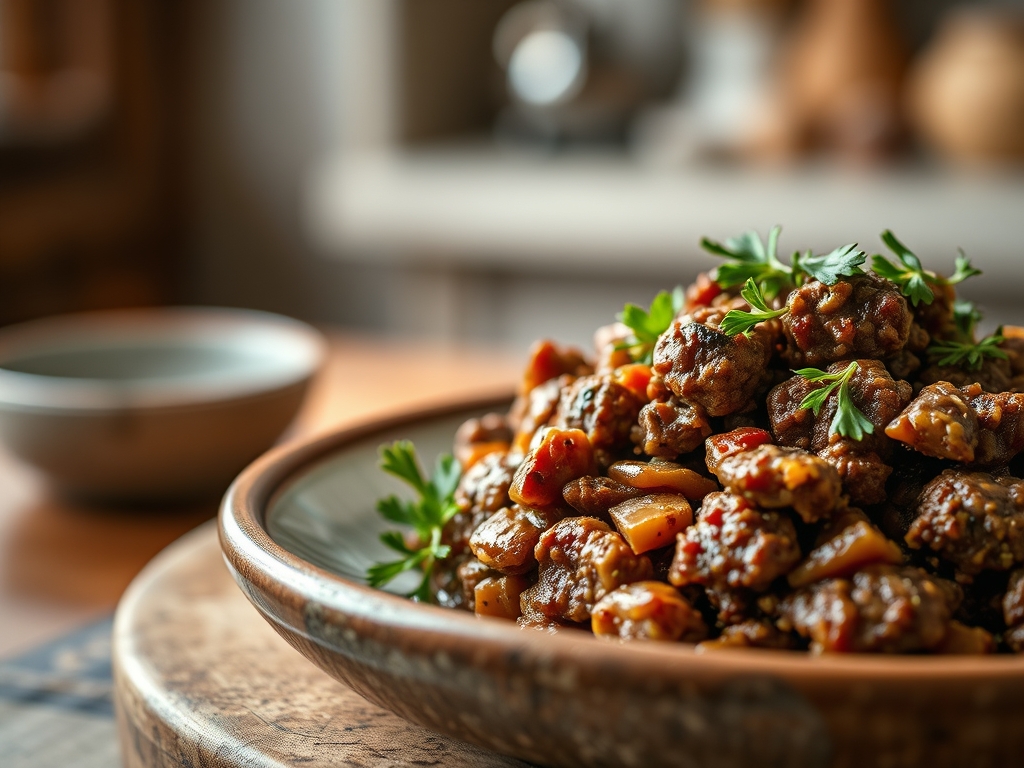
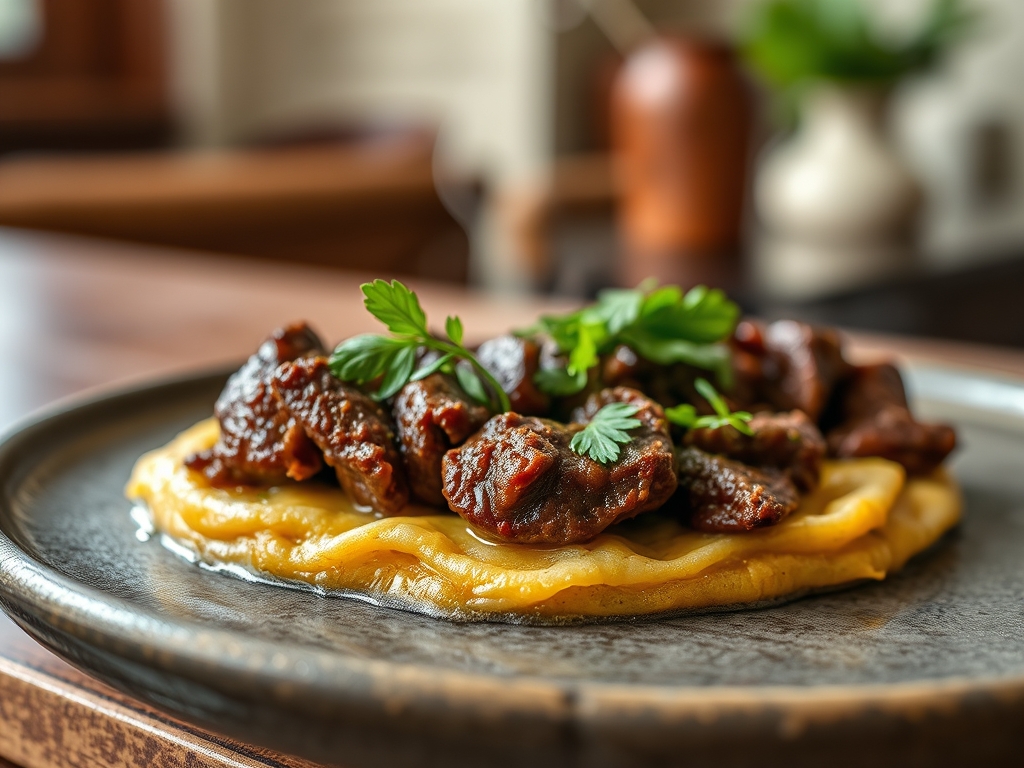
The aroma of toasted cardamom and slow-rendered fat is a siren song that pulls you right into the heart of Addis Ababa. If you have been searching for authentic ethiopian beef recipes, you are likely chasing that elusive, deep crimson glow of a perfect Berbere sauce. It is more than just dinner; it is a masterclass in slow-burn chemistry and communal warmth. We are moving past the basic stews today to explore the molecular magic that makes this cuisine world-class.
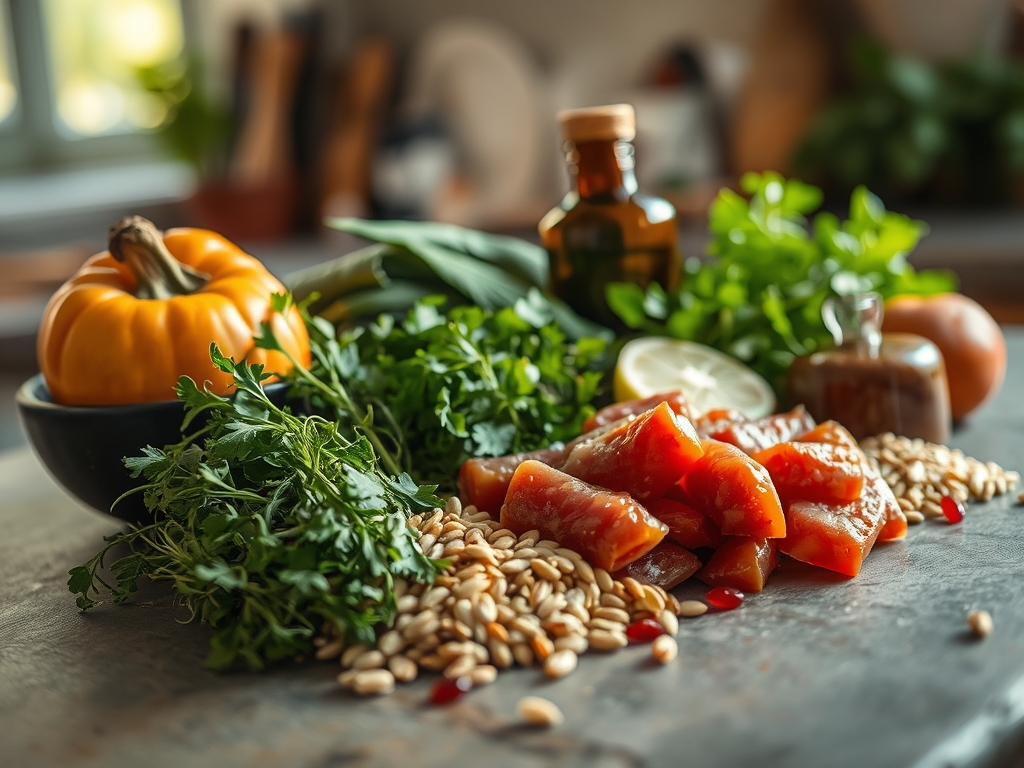
The Gathers:
To execute these ethiopian beef recipes with professional precision, your mise-en-place must be impeccable. Start with the protein architecture. You want a well-marbled chuck roast or brisket. Look for high connective tissue content; the collagen will transform into silky gelatin during the long braise.
Next, gather your aromatic base. You will need red onions, but do not just chop them. Use a sharp chef knife to create a fine dice that will eventually dissolve into a viscous gravy. The "Holy Trinity" here is garlic, ginger, and the legendary Berbere spice blend. Berbere is a complex matrix of chili peppers, fenugreek, and korarima.
For the lipids, you cannot compromise on Niter Kibbeh. This is clarified butter infused with toasted spices. If you do not have it, use a digital scale to weigh out unsalted butter and simmer it with cinnamon and cloves until the milk solids brown and the water evaporates.
Smart Substitutions:
If you cannot find korarima, use a microplane to grate fresh black cardamom. If Berbere is too piquant for your palate, cut it with high-quality smoked paprika to maintain the hue without the heat. For the beef, if you are short on time, a tenderloin tip works for a quick "Tibs" style stir-fry, though it lacks the depth of a slow-cooked "Wot."
The Clock
Efficiency in the kitchen is about the Chef's Flow. Total preparation time is approximately 30 minutes for the meticulous dicing of onions and garlic. The cooking time varies wildly based on the specific dish. A traditional Doro Wot style beef stew requires a 2-hour investment to allow for total enzymatic breakdown of the muscle fibers.
However, a "Sizzling Tibs" dish can be achieved in under 20 minutes if your heavy-bottomed skillet is properly preheated. The flow should always begin with the "dry sweating" of onions. This is a unique Ethiopian technique where you cook the onions without oil first to remove moisture and concentrate sugars. While the onions sweat, you can zest your ginger and prepare your side of Gomen (collard greens).
The Masterclass
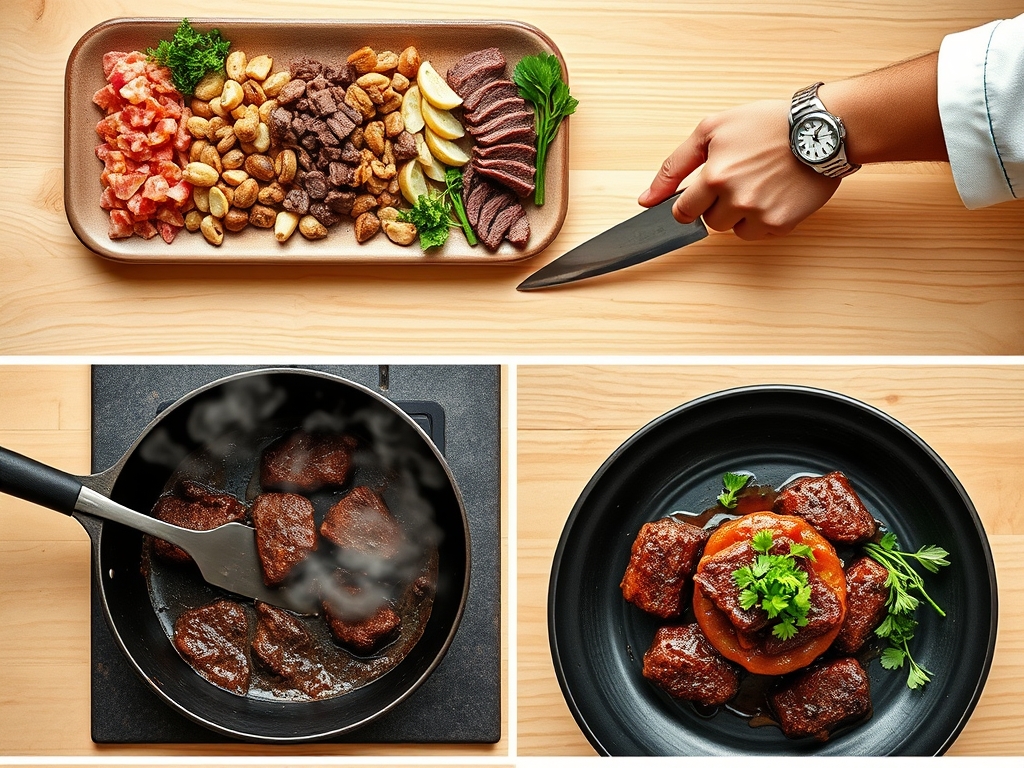
1. The Dry Sweat (The Onion Foundation)
Place your finely diced onions in a saucier or heavy pot over medium heat with no oil. Stir constantly with a wooden spoon or a silicone spatula. You are looking for the onions to turn translucent and then slightly purple as their cellular walls collapse.
Pro Tip: This stage utilizes hygroscopic evaporation. By removing the water before adding fat, you prevent the onions from boiling in their own juices, which allows for a much more intense caramelization later in the process.
2. The Lipid Infusion
Add your Niter Kibbeh to the softened onions. The fat will immediately begin to render out any remaining moisture. This is when you add your garlic and ginger paste. Use a microplane for the ginger to ensure there are no woody fibers in the final sauce.
Pro Tip: This is the Maillard Reaction in action. The amino acids in the aromatics react with the reducing sugars in the onions under the high heat of the butter, creating hundreds of new flavor compounds that are savory and nutty.
3. Blooming the Berbere
Add the Berbere spice blend to the fat. You must toast the spices for at least 3 to 5 minutes. If the mixture looks too dry, add a tablespoon of water to prevent burning. The kitchen should smell intensely spicy and slightly toasted.
Pro Tip: Many flavor compounds in spices are fat-soluble. By "blooming" them in the Niter Kibbeh, you are extracting the essential oils and ensuring the flavor is distributed evenly throughout the entire dish.
4. Searing the Protein
Increase the heat and add your cubed beef. Do not crowd the pan. Use tongs to turn the pieces, ensuring a dark brown crust on at least two sides. This is not about cooking the meat through; it is about creating a flavor base.
Pro Tip: Thermal carryover is your friend here. The exterior of the beef will reach high temperatures, while the interior remains raw. This temperature gradient ensures that the juices stay locked inside during the initial phase of the braise.
5. The Deglaze and Simmer
Add a small amount of beef stock or water to the pan. Use a bench scraper or wooden spoon to scrape up the "fond" (the brown bits) from the bottom of the pot. Lower the heat to a whisper and cover.
Pro Tip: Deglazing incorporates the concentrated proteins and sugars from the bottom of the pan back into the liquid. This creates a complex, layered sauce that is far superior to one made with just liquid and spices.
6. The Final Emulsification
Once the beef is fork-tender, remove the lid. If the sauce is too thin, increase the heat to reduce the liquid. Stir in a final knob of cold Niter Kibbeh just before serving to give the sauce a glossy, professional finish.
Pro Tip: This final addition of fat creates a temporary emulsion. The cold fat bonds with the reduced liquid, resulting in a velvety mouthfeel that coats the tongue and balances the heat of the peppers.
The Deep Dive
Macro Nutrition:
Ethiopian beef recipes are surprisingly balanced. A standard serving of Beef Wot provides approximately 35g of protein and 18g of fat. While the Berbere adds negligible calories, it is packed with antioxidants from the chili and cloves.
Dietary Swaps:
- Vegan: Replace the beef with extra-firm tofu or seitan. Use olive oil infused with spices instead of Niter Kibbeh.
- Keto: This dish is naturally low-carb. Serve it over cauliflower rice instead of traditional Injera bread.
- Gluten-Free: Ensure your Berbere blend does not contain toasted flour as a thickener. Traditional Injera is made from Teff, which is naturally gluten-free.
The Fix-It:
- Too Spicy: Do not add water. Add a dollop of Greek yogurt or more Niter Kibbeh to coat the spice molecules and dull the "burn" on the tongue.
- Tough Meat: This means the collagen has not fully converted to gelatin. Add half a cup of water and simmer for another 30 minutes on low heat.
- Bitter Sauce: You likely scorched the spices. Add a pinch of sugar or a splash of red wine vinegar to balance the pH levels.
Meal Prep & Reheating:
These recipes actually taste better on day two because the spices continue to infuse the meat fibers overnight. To reheat, use a small saucepan over low heat. Add a tablespoon of water to re-hydrate the sauce and prevent the fat from separating. Avoid the microwave, as it can turn the beef "rubbery" by over-coagulating the proteins.
The Wrap-Up
Mastering ethiopian beef recipes is a badge of honor for any home cook. It requires patience, a keen sense of smell, and the willingness to let the ingredients talk to you. Whether you are searing up a quick batch of Tibs for a weeknight win or slow-simmering a Wot for a Sunday feast, the result is always a soul-warming explosion of flavor. Grab your spices, fire up that heavy skillet, and get ready to impress your favorite people with the deep, complex magic of Ethiopia.
The Kitchen Table
What is the best cut of beef for Ethiopian stew?
Use chuck roast or brisket. These cuts are high in collagen, which breaks down during the long simmering process into a rich gelatin. This creates the signature tender, melt-in-your-mouth texture required for an authentic Ethiopian Wot.
How do I make my beef stew sauce thicker?
The thickness comes from "dry sweating" a large volume of onions until they dissolve. If your sauce is still thin, remove the lid during the last 20 minutes of cooking to allow the excess moisture to evaporate and concentrate.
Can I make Ethiopian beef without Niter Kibbeh?
While Niter Kibbeh adds essential depth, you can substitute it with clarified butter or Ghee. To mimic the flavor, add a pinch of ground cardamom, cinnamon, and cloves to the oil before searing your meat and aromatics.
What is the secret to tender beef Tibs?
The secret is high heat and short cooking times. Use a heavy-bottomed cast iron skillet to get a deep sear. Do not overcrowd the pan; cook in batches to ensure the meat sears rather than steams in its own juices.