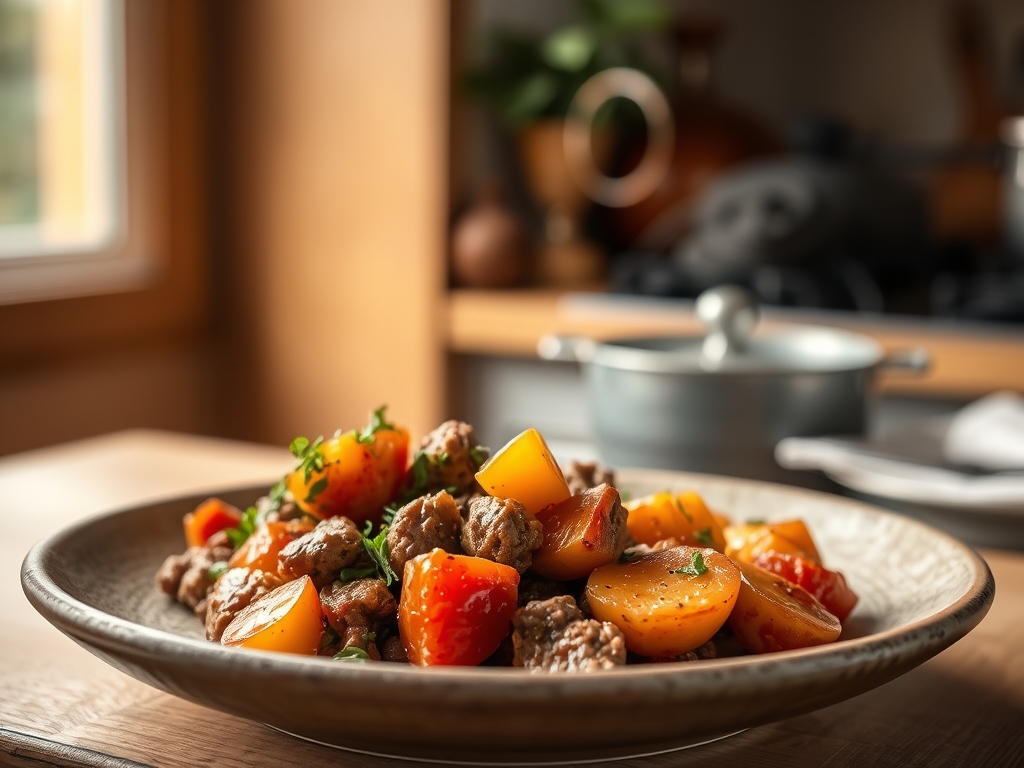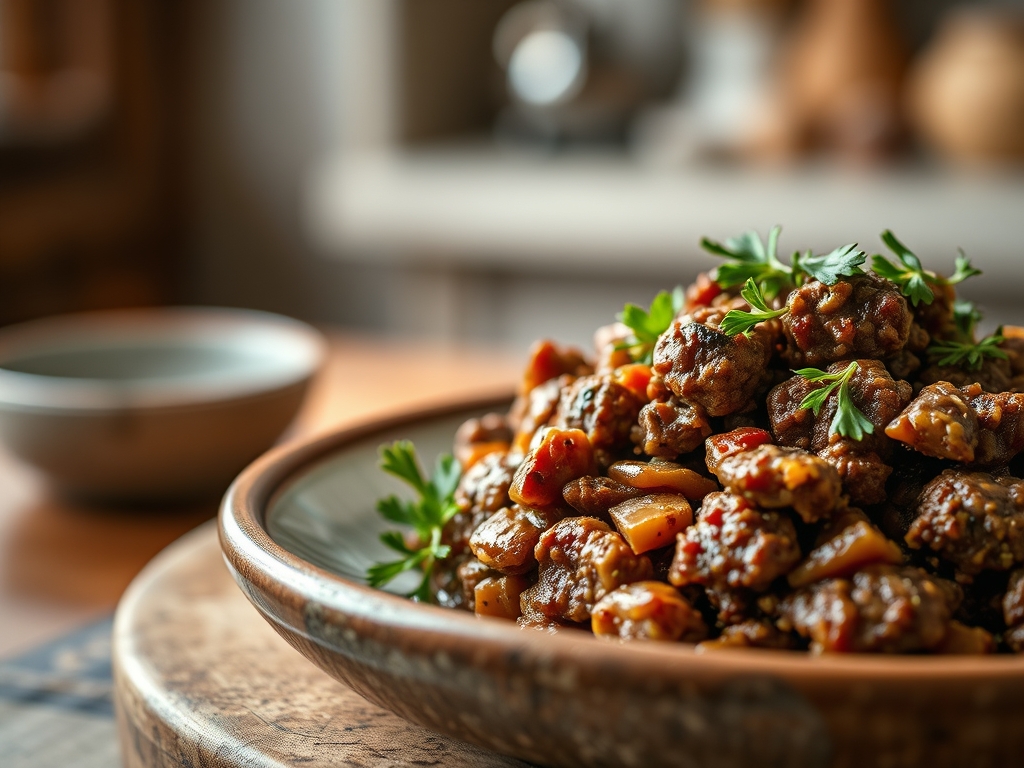
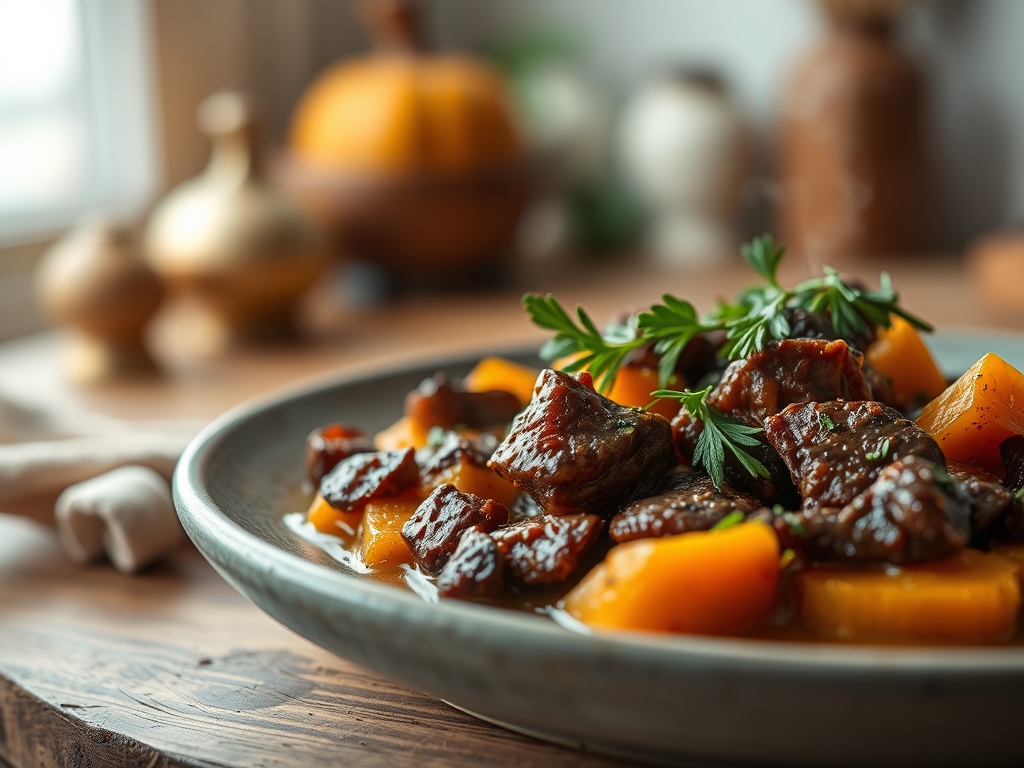
Imagine the scent of a heavy bottomed skillet hitting its smoke point as a marbled ribeye meets the heat. Now, picture that savory intensity crashing into the velvet sweetness of a roasted gourd. Mastering butternut squash and beef recipes is about more than just dinner; it is a masterclass in balancing high-fat proteins with complex, earth-bound carbohydrates.
This pairing works because of a specific chemical synergy. The natural sugars in the squash undergo intense caramelization, providing a structural counterpoint to the iron-rich, metallic notes of the beef. Whether you are folding slow-braised short ribs into a creamy puree or tossing seared sirloin tips with roasted cubes and sage, the result is always more than the sum of its parts. We are moving beyond the basic stew. We are looking at how to manipulate texture, acidity, and temperature to create ten distinct flavor profiles that will make your kitchen feel like a high-end bistro.
The Gathers:
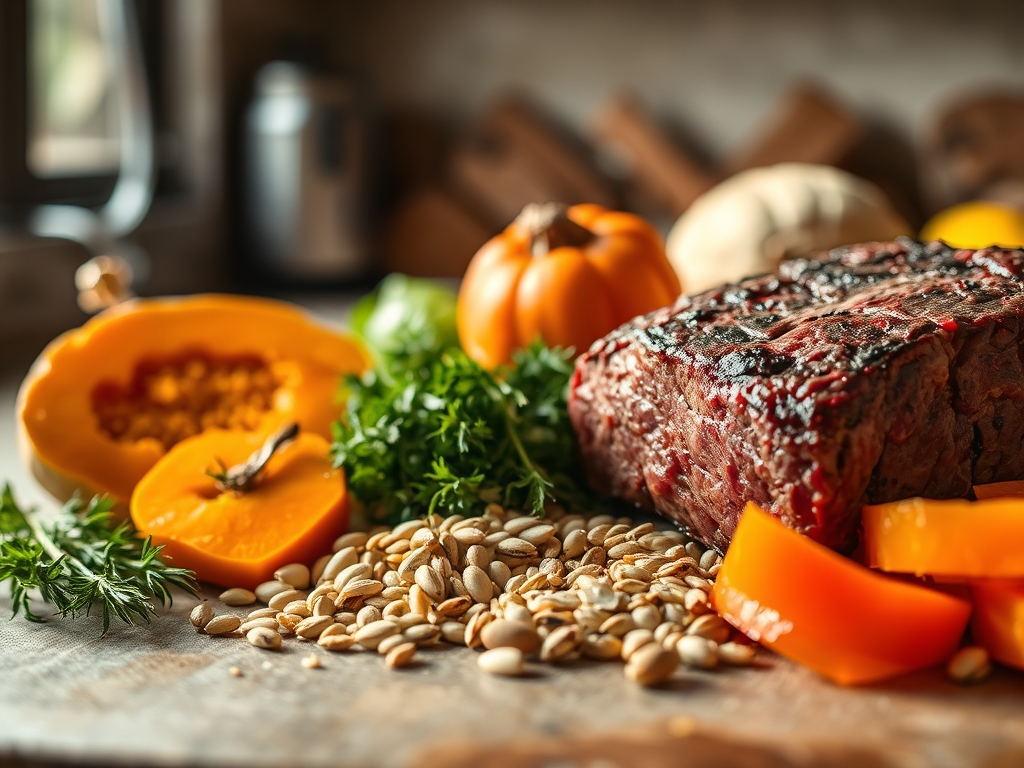
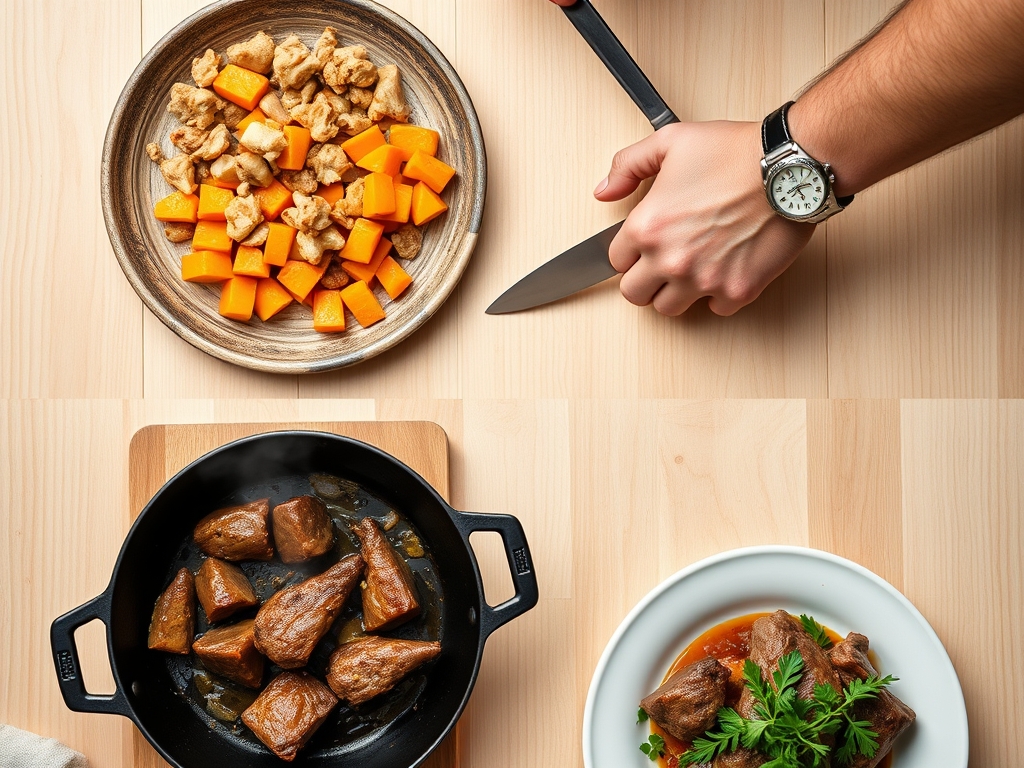
Before we ignite the burners, we must organize our mise-en-place with surgical precision. Use a sharp chef knife to cube your squash into uniform one-inch pieces; consistency is the key to even thermal distribution. For the beef, look for cuts with significant intramuscular fat, such as chuck or brisket, which provide the collagen needed for a viscous sauce.
You will need a high-quality digital scale to measure your aromatics. Gather fresh rosemary, thyme, and a bulb of garlic. The science of flavor starts with the "Holy Trinity" of fats: grass-fed butter, avocado oil for its high smoke point, and the rendered tallow from your beef.
Smart Substitutions:
If you cannot find butternut, Red Kuri squash offers a similar starch content but a more chestnut-like aroma. For a leaner profile, swap the ribeye for flank steak, but be prepared to use a piquant marinade containing bromelain (found in pineapple or ginger) to help break down the tougher muscle fibers. If you are avoiding nightshades, replace the traditional paprika with a touch of ground cumin and smoked salt to maintain that deep, charred profile.
The Clock:
Efficiency in the kitchen is governed by what I call the Chef's Flow. This is the art of overlapping tasks so that no second is wasted.
- Prep Phase (20 Minutes): Cubing the squash, dicing the aromatics, and tempering the beef. Never cook meat straight from the fridge; allowing it to reach room temperature ensures a more even sear and prevents the center from remaining cold while the exterior overcooks.
- Active Cooking (45 Minutes): This includes the searing of the protein and the deglazing of the pan.
- The Rest (10 Minutes): Often overlooked, this phase allows the muscle fibers to relax and reabsorb the juices.
The total investment is roughly 75 minutes. By using a bench scraper to clear your station as you go, you maintain a clean workspace, which reduces cognitive load and keeps your focus on the Maillard reaction happening in the pan.
The Masterclass:
1. The High-Heat Sear
Pat your beef bone-dry with paper towels. Use your tongs to place the meat into a smoking hot cast iron skillet. Do not crowd the pan; this drops the temperature and causes the meat to steam rather than sear.
Pro Tip: This process is the Maillard reaction. By keeping the surface dry, you allow amino acids and reducing sugars to create hundreds of different flavor compounds that provide that "meaty" depth.
2. Rendering the Fat
Once the beef is removed, add your squash cubes directly into the rendered beef fat. Use a wooden spoon to scrape the fond (the brown bits) from the bottom of the pan.
Pro Tip: Fat is a flavor carrier. The squash will absorb the lipid-soluble compounds from the beef, creating a bridge between the vegetable and the protein.
3. The Deglaze
Pour in a splash of dry red wine or beef bone broth. Use the steam to lift any remaining caramelized sugars.
Pro Tip: Deglazing uses thermal shock to dissolve the concentrated flavors on the pan surface. The acidity in the wine also helps to balance the richness of the beef tallow.
4. The Infusion
Add your aromatics like garlic and sage. Use a microplane to zest a bit of lemon over the top at the very end.
Pro Tip: Volatile oils in herbs are heat-sensitive. Adding them toward the end of the cook time prevents them from becoming bitter and ensures the bright, herbal notes remain intact.
5. The Emulsification
Stir in a knob of cold butter or a splash of heavy cream to finish the sauce. Use a saucier for this step if possible, as the rounded bottom encourages better whisking.
Pro Tip: Cold fat added to a hot liquid creates a stable emulsion. This results in a silky, viscous mouthfeel that coats the squash and beef perfectly.
The Deep Dive:
Macro Nutrition
A standard serving of these butternut squash and beef recipes provides a powerhouse of nutrients. You are looking at approximately 35 grams of protein, 15 grams of healthy fats, and 20 grams of complex carbohydrates. The squash is a significant source of Vitamin A (beta-carotene) and Vitamin C, while the beef provides essential B12 and zinc.
Dietary Swaps
- Vegan: Replace the beef with thick-cut Portobello mushrooms or seitan. Use coconut oil instead of butter to maintain the fat content.
- Keto: Reduce the portion of squash and increase the beef and leafy greens. Butternut is higher in carbs than zucchini, so moderation is key.
- GF: Naturally gluten-free, just ensure your beef broth is certified.
The Fix-It
- Problem: Squash is mushy. Fix: You likely crowded the pan or added liquid too early. Next time, roast the squash separately at 425F to lock in the structure.
- Problem: Beef is tough. Fix: You likely skipped the resting phase or used a braising cut for a quick sear. If it is already tough, slice it very thin against the grain to mechanically break the fibers.
- Problem: Sauce is broken/greasy. Fix: Whisk in a tablespoon of hot water or a splash of cream. The water helps re-emulsify the fat into the liquid.
Meal Prep Science
When reheating, avoid the microwave if possible. The high frequency can turn beef rubbery. Instead, use a low oven (300F) or a skillet with a lid. Adding a teaspoon of water creates a steam chamber that rehydrates the squash without overcooking the meat.
The Wrap-Up:
You now have the technical blueprint to turn simple ingredients into a sophisticated culinary experience. By understanding the chemistry of the sear and the importance of fat-soluble flavor, you can confidently execute any butternut squash and beef recipes that come your way. This is not just about following a list of steps; it is about controlling the variables of heat and moisture to create a perfect bite every single time. Now, grab your favorite heavy-bottomed skillet and get to work!
The Kitchen Table:
How do I keep butternut squash from getting soggy?
Roast the squash at a high temperature, at least 400F, on a preheated baking sheet. Avoid crowding the pan. This allows moisture to evaporate quickly, ensuring a caramelized exterior and a firm, creamy interior rather than a steamed texture.
What is the best cut of beef for squash recipes?
For stews, use chuck roast for its high collagen content. For quick pans, choose ribeye or top sirloin. These cuts provide enough fat to complement the sweetness of the squash while maintaining a tender texture during high-heat cooking.
Can I freeze beef and butternut squash stew?
Yes, but be aware that squash texture changes slightly. To maintain quality, undercook the squash slightly before freezing. When reheating, the squash will finish softening without turning into a puree, preserving the intended structural integrity of the dish.
Why does my beef taste metallic?
This often happens if the beef is not seared properly or if it is overcooked. Ensure a hard sear to create savory crust compounds that mask metallic notes. Also, adding an acid like balsamic vinegar or lemon juice neutralizes the iron-heavy flavor.