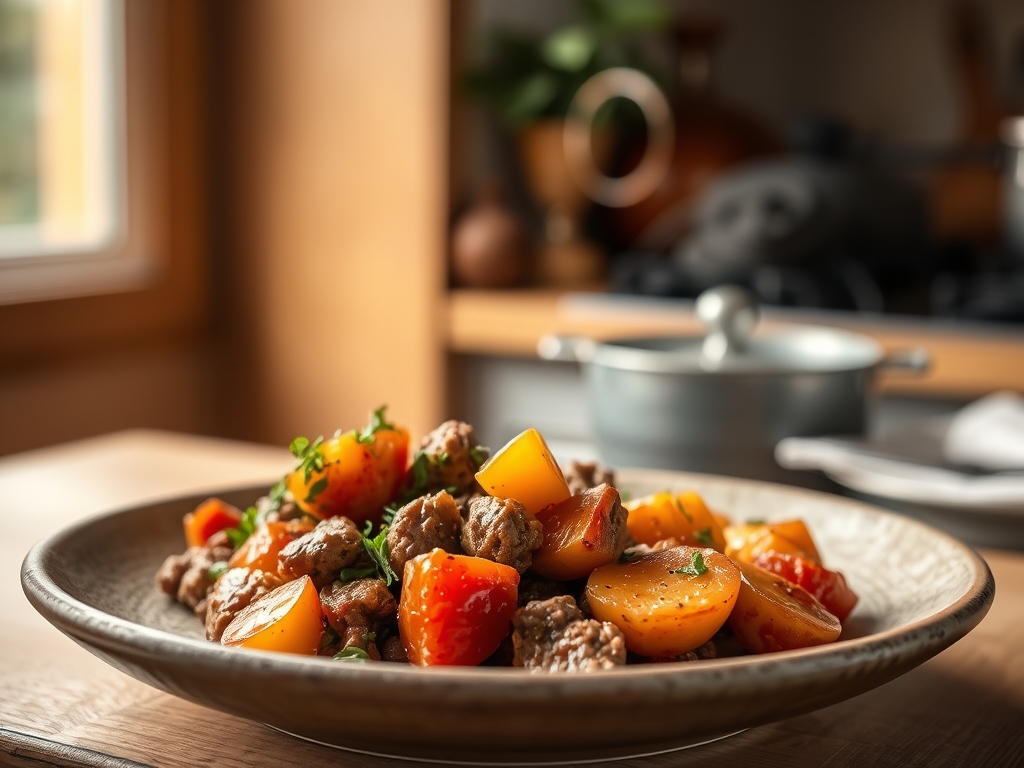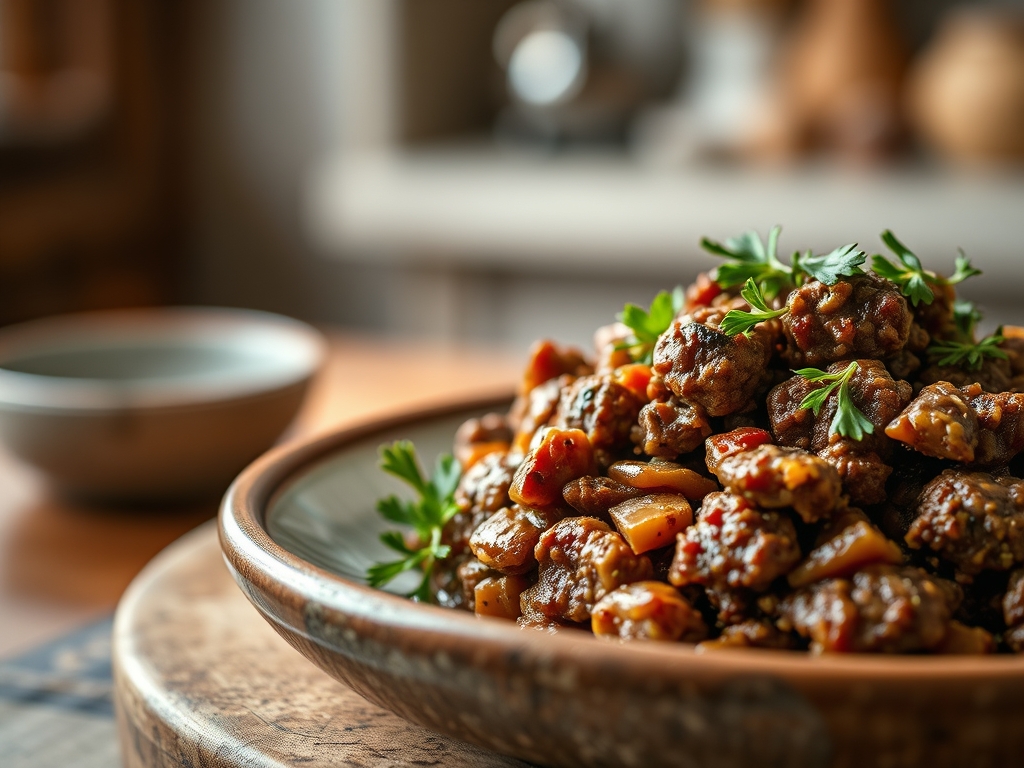
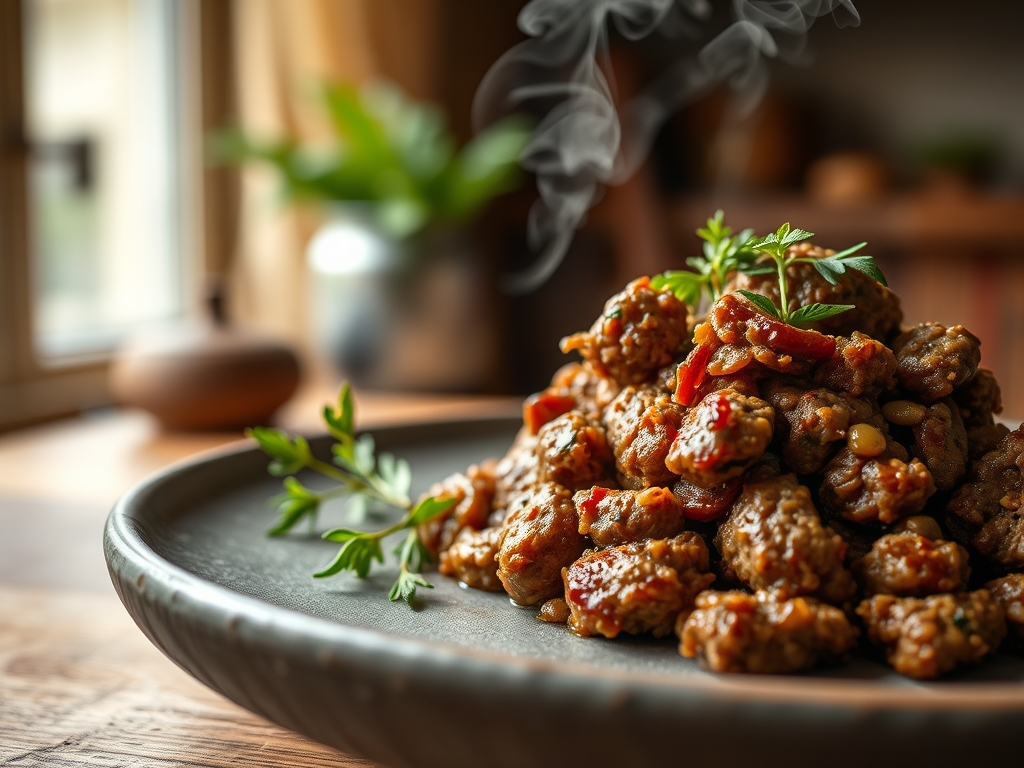
Picture a kitchen where the air is heavy with the scent of caramelized onions and the rhythmic sound of a heavy bottomed skillet meeting a cast iron burner. This is the heart of slow living. Finding authentic amish ground beef recipes is like discovering a secret map to ultimate comfort; it is where high quality protein meets the humble, starchy embrace of noodles and cream.
We are moving past the era of bland, watery casseroles. To master these seven classics, we must treat ground beef with the same respect as a prime ribeye. It is about the chemistry of the sear and the architecture of the sauce. Whether we are building a traditional Shipwreck casserole or a batch of creamy beef and noodles, the goal is a cohesive, viscous emulsion that clings to every forkful. We are not just cooking dinner; we are engineering a sensory experience that feels like a warm hug from a grandmother who happens to have a PhD in flavor science. Grab your apron and your favorite wooden spoon. We are about to turn simple pantry staples into a masterclass of rustic, high density nutrition that satisfies the soul and the scale.
The Gathers:
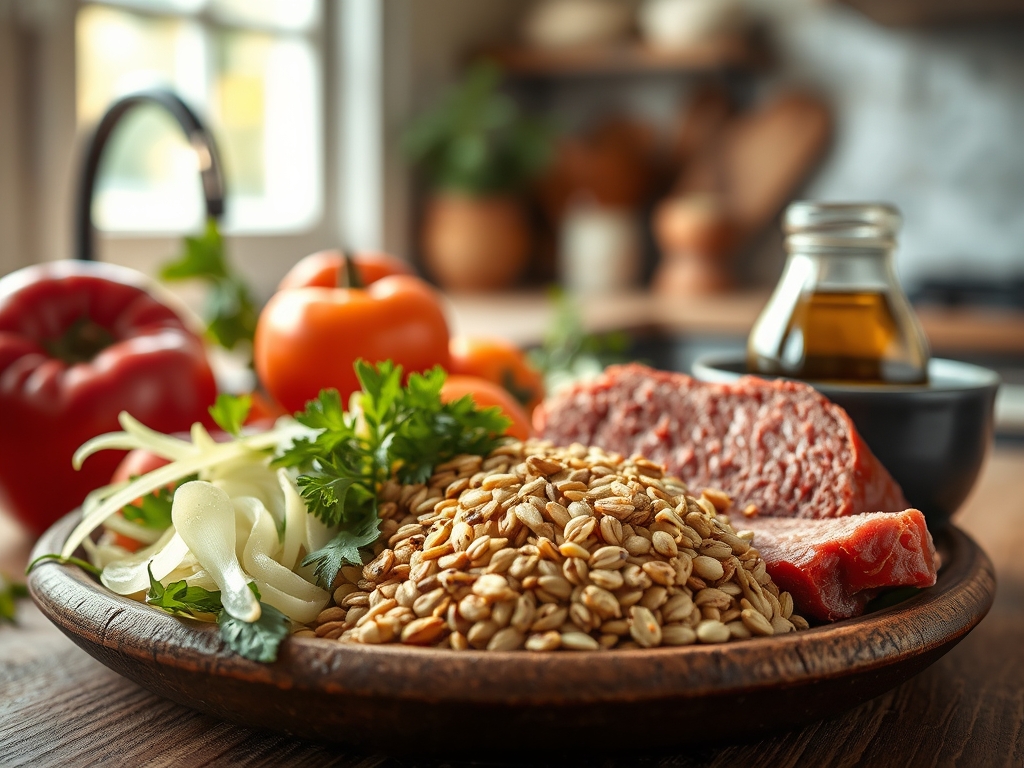
Before we ignite the flame, your mise-en-place must be flawless. For these amish ground beef recipes, we prioritize fats and aromatics that build a foundation of depth. You will need 80/20 ground chuck; the 20 percent fat content is non-negotiable for the Maillard reaction to occur without the meat becoming desiccated. Gather your yellow onions, which possess a higher sugar content for better caramelization, and fresh garlic. You will also need heavy cream, high quality egg noodles, and beef bone broth for that collagen-rich mouthfeel.
Smart Substitutions:
If you are looking to lighten the profile without sacrificing the lipids, swap heavy cream for a mixture of whole milk and a tablespoon of cornstarch to maintain viscosity. For a deeper umami punch, add a teaspoon of Worcestershire sauce or a splash of soy sauce during the browning phase. If you lack fresh herbs, use dried thyme or rosemary at a 1:3 ratio, ensuring you bloom them in the hot fat to release their fat-soluble volatile oils. Use a digital scale to measure your pasta; precision ensures the starch-to-liquid ratio remains perfect for a thick, velvety finish.
The Clock:
In a professional kitchen, we talk about Chef's Flow. This is the art of overlapping tasks to minimize downtime. For these recipes, expect a total prep time of 15 minutes and a cook time ranging from 20 to 45 minutes.
The flow begins with the "Cold Start" prep: chopping aromatics with a sharp chef knife and measuring liquids. Once the heavy-bottomed skillet is preheated, the browning process takes roughly 8 minutes. While the beef renders, use that time to boil your noodles in highly salted water. The final assembly and "marrying" of the sauce usually require a 10 minute simmer. This staggered approach ensures that by the time your timer dings, your kitchen is already halfway cleaned.
The Masterclass:
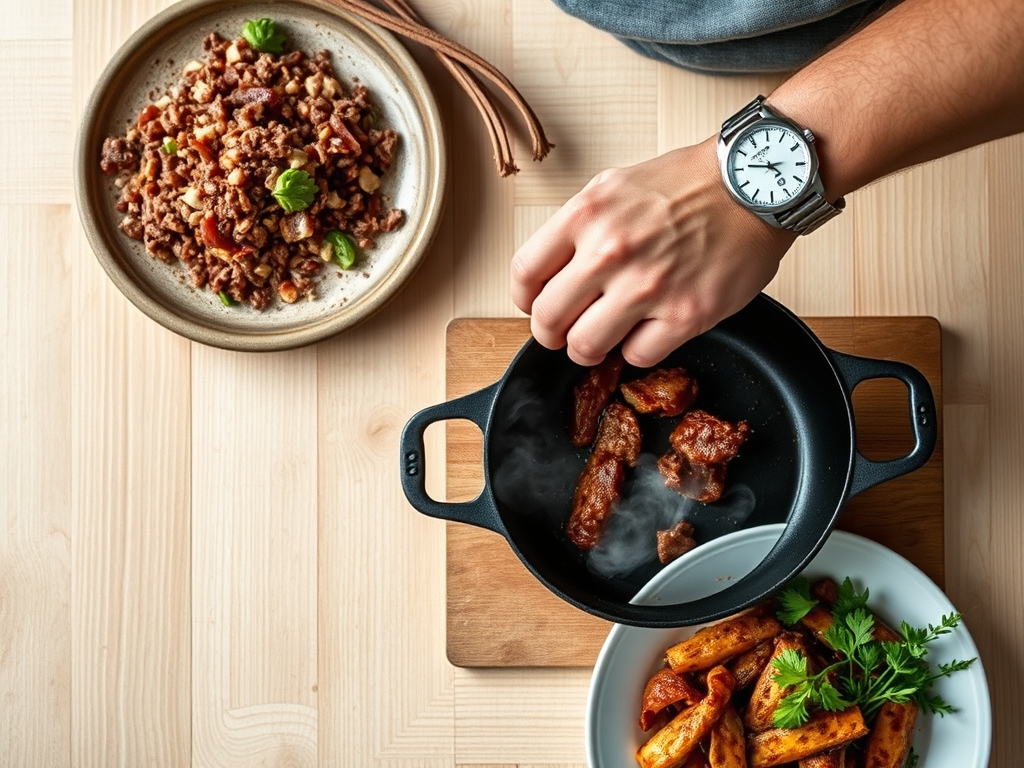
1. The High-Heat Sear
Start by adding your beef to a screaming hot skillet. Do not crowd the pan; if the meat releases too much moisture at once, it will steam rather than sear. Use a stiff metal spatula to press the meat down, maximizing surface area contact.
Pro Tip: This stage relies on enzymatic browning. By leaving the meat undisturbed for three minutes, you allow amino acids and reducing sugars to rearrange into hundreds of flavor compounds.
2. Deglazing the Fond
Once the meat is browned and removed, you will see brown bits stuck to the bottom. This is "fond," the concentrated essence of flavor. Pour in a splash of beef broth or dry sherry and use a bench scraper to lift those bits into the liquid.
Pro Tip: This is a chemical extraction. The liquid acts as a solvent, pulling the caramelized proteins into your sauce base to create a complex, savory profile.
3. Building the Emulsion
Add your aromatics and fats back to the pan. When adding cream or milk, whisk constantly. You are looking to create a stable emulsion where the fats are suspended evenly throughout the liquid.
Pro Tip: To prevent the sauce from "breaking," ensure your dairy is at room temperature. Cold dairy introduced to a hot pan can cause proteins to clump, resulting in a grainy texture.
4. The Starch Infusion
Incorporate your par-boiled noodles directly into the simmering beef mixture. Do not drain the noodles until they are bone dry; a little leftover pasta water contains vital starches that help the sauce adhere.
Pro Tip: This is known as starch gelatinization. The noodles absorb the flavorful sauce while simultaneously releasing starches that thicken the liquid into a glossy coating.
5. The Low and Slow Simmer
Reduce the heat to a whisper. This allows the flavors to meld without overcooking the delicate proteins in the beef. Use a saucier if you have one, as the rounded bottom prevents scorching in the corners.
Pro Tip: Thermal carryover is real. Remove the pan from the heat when the sauce is slightly thinner than your desired final consistency; it will continue to thicken as it rests for five minutes.
6. The Aromatic Finish
Just before serving, use a microplane to grate a touch of fresh nutmeg or add a handful of fresh parsley. These high notes cut through the richness of the fats.
Pro Tip: Volatile aromatics are heat-sensitive. Adding them at the very end preserves their bright, piquant qualities that would otherwise dissipate during a long boil.
7. The Resting Phase
Cover the dish and let it sit for five minutes. This allows the muscle fibers in the beef to reabsorb some of the moisture, ensuring a juicy bite.
Pro Tip: During this time, the viscosity of the sauce stabilizes. This ensures that when you plate the meal, the sauce stays on the beef rather than pooling at the bottom of the bowl.
The Deep Dive:
From a nutritional standpoint, these dishes are powerhouses of iron, B12, and zinc. A standard serving contains approximately 450 calories, with a balanced split of 30g protein, 25g fats, and 35g carbohydrates.
Dietary Swaps:
For a Keto version, replace egg noodles with roasted cauliflower or zucchini ribbons and use heavy cream exclusively to keep the fat macros high. For Gluten-Free needs, swap the flour thickener for a slurry of arrowroot powder and use certified GF noodles. For a Vegan twist, utilize a mushroom and walnut crumble seasoned with liquid smoke to mimic the savory depth of beef.
The Fix-It:
- Greasy Sauce: If the fat separates, whisk in a tablespoon of hot pasta water; the starch acts as a bridge to re-emulsify the sauce.
- Tough Meat: If the beef feels rubbery, you likely over-handled it during the browning phase. Next time, break it into larger chunks.
- Bland Flavor: If it tastes flat, add acid. A teaspoon of lemon juice or apple cider vinegar brightens the entire profile instantly.
Meal Prep:
When reheating, do not use the microwave on high. The intense radiation causes the fats to explode and the noodles to turn to mush. Instead, reheat in a small saucepan with a splash of milk or broth over medium-low heat to restore the original viscous texture.
The Wrap-Up:
Mastering these amish ground beef recipes is about more than just following a list of instructions; it is about understanding the interplay of heat, fat, and starch. By utilizing professional tools like a heavy-bottomed skillet and focusing on techniques like deglazing and emulsification, you elevate humble ingredients into a culinary triumph. These dishes are the ultimate tool for bringing people together, offering a sense of security and warmth that only true comfort food can provide. Now, go forth and cook with confidence!
The Kitchen Table:
How do I prevent my beef from boiling in the pan?
Ensure your skillet is preheated until a drop of water dances on the surface. Brown the meat in batches to prevent the temperature from dropping, which causes the meat to release its juices and steam rather than sear.
What is the best way to thicken an Amish beef sauce?
Use a roux made of equal parts butter and flour, or a cornstarch slurry. For the most authentic texture, allow the sauce to simmer uncovered; this reduces the liquid and concentrates the natural starches from the noodles.
Can I freeze these ground beef dishes?
Yes, but freeze the beef base separately from the noodles. Pasta tends to lose its structural integrity and become mushy when thawed. Reheat the base and toss with freshly boiled noodles for the best "day-one" quality.
Why does my cream sauce sometimes curdle?
Curdling happens when the protein in the dairy denatures due to high heat or acidity. To prevent this, lower the heat before adding dairy and ensure your cream is at room temperature rather than cold from the fridge.