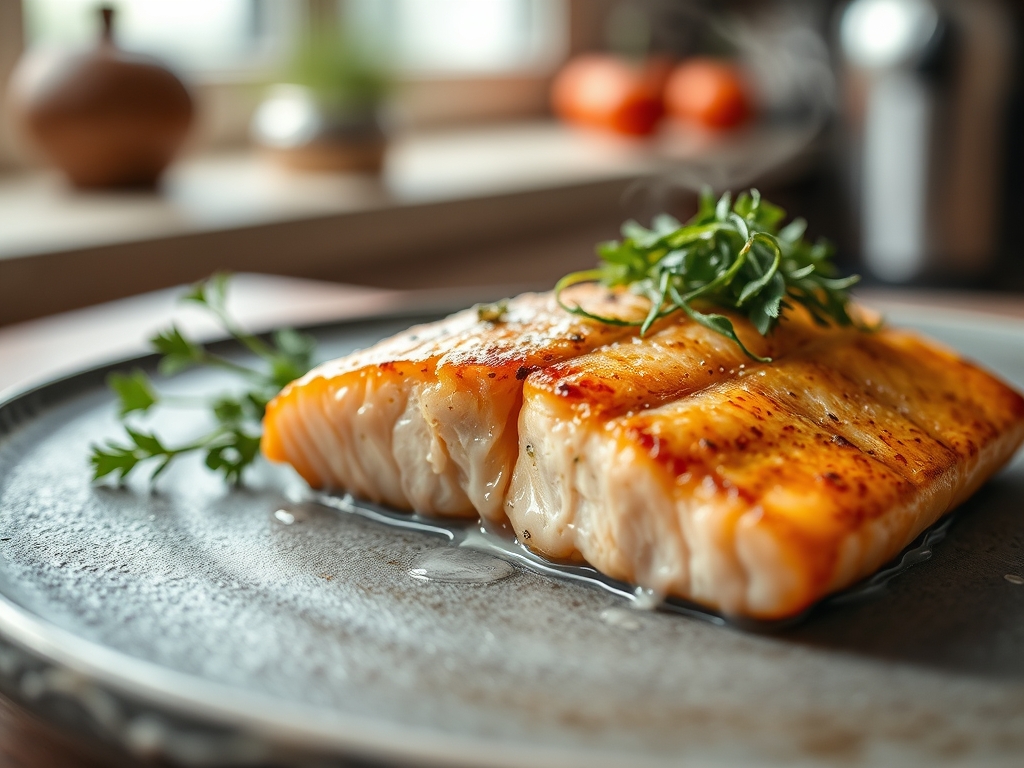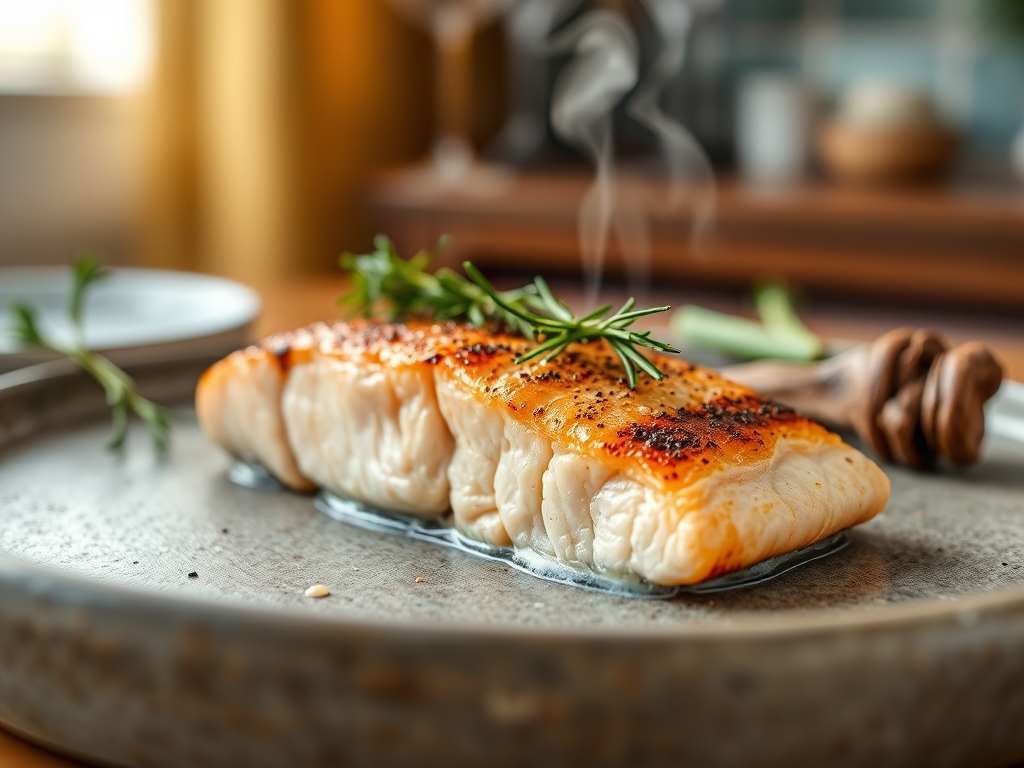
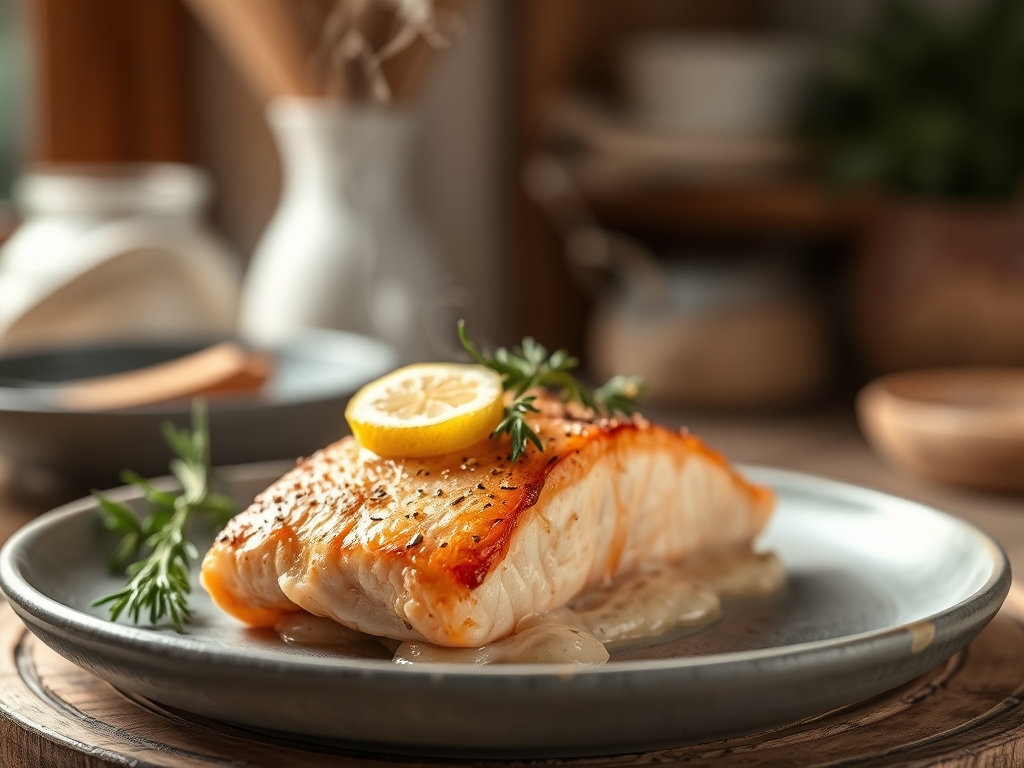
Picture the scene: a heavy-bottomed skillet is screaming hot, the air is thick with the scent of citrus oils, and a fillet of cold-water fish hits the pan with a satisfying sizzle. When you are hunting for simple lemon salmon recipes, you are not just looking for dinner; you are looking for that perfect chemical intersection of bright acidity and rich, fatty acids.
There is a specific kind of magic that happens when citric acid meets the delicate proteins of a sockeye or king salmon. It is not just about flavor. It is about the way the lemon juice denatures the surface proteins to create a tight, golden crust while the oils from the zest infuse the flesh with a piquant aroma. We are going to dive deep into nine transformative hacks that will turn your weeknight meal into a restaurant-quality masterpiece. Grab your apron and your sharpest chef's knife; we are about to make some kitchen science happen.
The Gathers:
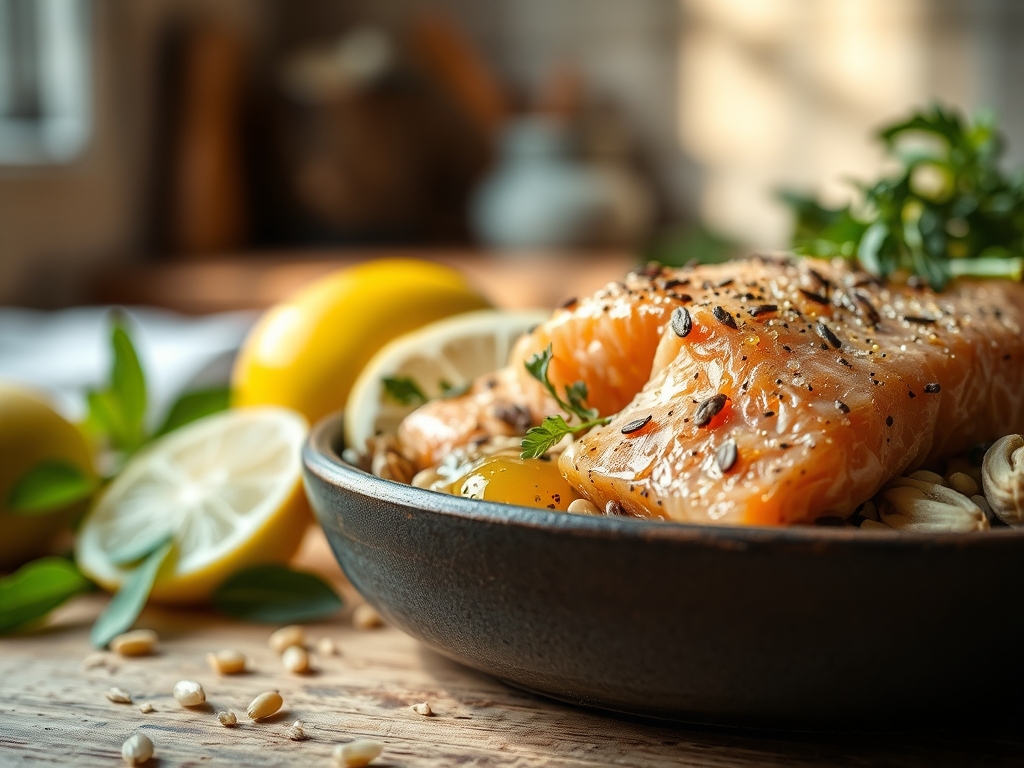
Before we ignite the burners, we must respect the mise-en-place. Your station should be a shrine to texture and temperature. You will need high-quality salmon fillets, preferably skin-on to protect the delicate flesh from aggressive thermal energy. The star of the show is the Eureka or Lisbon lemon, chosen for its high acidity and thick, oil-rich rind.
Gather your professional tools: a microplane for fine zesting, a digital scale for precise seasoning, and a saucier for crafting the viscous lemon-butter emulsions. You will also need high-smoke-point fats like avocado oil or clarified butter to ensure the Maillard reaction occurs without the bitterness of burnt solids.
Smart Substitutions:
If lemons are too sharp for your palate, try Meyer lemons for a floral, sweeter profile. If you are avoiding dairy, swap the butter for a high-quality tahini; the nutty sesame paste creates a stunningly creamy texture when whisked with lemon juice. For a sodium-conscious version, use nutritional yeast to mimic that savory, umami depth without the salt shaker.
The Clock
Efficiency in the kitchen is about mastering the Chef's Flow. This is the sequence of operations that ensures nothing sits getting cold or soggy. For these simple lemon salmon recipes, your total active time is a mere 10 minutes, with a cooking window of 8 to 12 minutes depending on the thickness of the cut.
Start by tempering your fish. Taking the salmon out of the refrigerator 20 minutes before cooking prevents the "thermal shock" that causes the muscle fibers to seize and push out albumin (that white goop). While the fish tempers, zest your lemons and prep your aromatics. By the time your skillet reaches the smoke point, your prep is complete, and you can focus entirely on the heat management.
The Masterclass
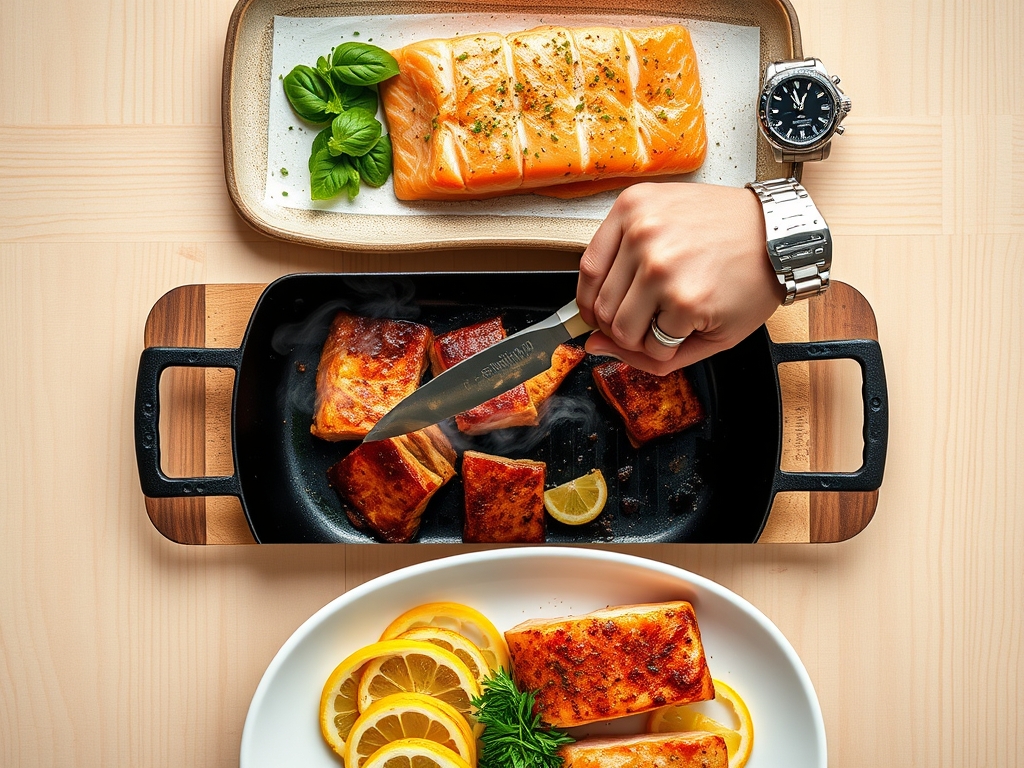
1. The Parchment Steam Hack
Place your salmon on a sheet of parchment paper with thin lemon wheels and a splash of dry white wine. Fold the edges tightly to create a sealed envelope. As the oven heat increases, the moisture turns to steam, gently poaching the fish in a concentrated citrus atmosphere.
Pro Tip: This technique utilizes conduction and convection simultaneously. The steam prevents the proteins from drying out, while the lemon slices act as a thermal buffer, ensuring the top of the fillet remains buttery soft.
2. The Microplane Zest Infusion
Instead of just squeezing juice, use a microplane to shower the raw fillets with zest before they hit the pan. Rub the zest into the flesh with a bit of coarse sea salt. The salt acts as an abrasive, breaking the tiny oil sacs in the zest to release concentrated limonene directly into the fish.
Pro Tip: This is called enzymatic infusion. The oils are fat-soluble, meaning they will cling to the salmon's natural fats and penetrate deeper than water-based juice ever could.
3. The Cold-Start Skin Crisp
Place your salmon skin-side down in a cold, heavy-bottomed skillet, then turn the heat to medium-high. Use a fish spatula to press the fillet down firmly for the first 30 seconds. This prevents the skin from curling as the collagen fibers contract.
Pro Tip: Starting cold allows the subcutaneous fat to render slowly. By the time the pan is hot, the skin is frying in its own natural oils, resulting in a glass-like crunch.
4. The Deglaze and Emulsify Method
After searing your salmon, remove it from the pan. While the pan is still hot, toss in minced shallots and a heavy splash of lemon juice. Use a whisk to scrape up the browned bits (the fond) and slowly incorporate cold butter cubes.
Pro Tip: This creates a pan-sauce emulsion. The acidity of the lemon stabilizes the butter fats, preventing the sauce from "breaking" or becoming greasy.
5. The Honey-Lemon Glaze Reduction
Whisk together lemon juice, honey, and a dash of soy sauce in a saucier. Reduce the mixture over medium heat until it becomes viscous and coats the back of a spoon. Brush this onto the salmon during the last two minutes of roasting.
Pro Tip: This hack leverages caramelization. The sugars in the honey and lemon react with the heat to create a complex, bittersweet crust that balances the oily richness of the fish.
6. The Herb-Lemon Compound Butter
Mix softened butter with lemon zest, minced dill, and cracked black pepper. Roll it into a log using plastic wrap and chill. Place a cold disc of this butter onto the hot, rested salmon just before serving.
Pro Tip: This relies on thermal carryover. As the butter melts, it bastes the fish in a fresh layer of fat and aromatics, enhancing the "mouthfeel" without overcooking the delicate interior.
7. The Lemon-Salt Dry Brine
Sprinkle your salmon with a mixture of lemon zest and kosher salt 30 minutes before cooking. Pat the skin bone-dry with a paper towel before it touches the pan.
Pro Tip: This is osmosis in action. The salt draws moisture out, then the seasoned brine is reabsorbed into the cells, seasoning the fish deeply while ensuring the surface stays dry for a better sear.
8. The Charred Lemon Garnish
Cut a lemon in half and place it face-down in the hot skillet alongside the salmon until the surface is blackened and caramelized. Squeeze this warm, smoky juice over the finished dish.
Pro Tip: High heat converts the citric acid into pyrolysis products, which are less sharp and more complex. It adds a smoky, sophisticated dimension to the bright citrus profile.
9. The Acid-Flash Finish
Just before serving, hit the salmon with a final, tiny spray of fresh lemon juice from a high-quality atomizer or a fine mesh strainer to catch seeds.
Pro Tip: This provides a top-note aromatic. The volatile compounds in fresh juice dissipate quickly, so adding them at the very last second ensures the brightest possible scent hits the diner's nose first.
The Deep Dive
When we look at the macro nutrition of these simple lemon salmon recipes, we are talking about a powerhouse of Omega-3 fatty acids, high-quality protein, and Vitamin D. A standard 6-ounce portion yields roughly 34 grams of protein and 18 grams of healthy fats.
Dietary Swaps:
For my Keto friends, double down on the butter emulsion and skip the honey glaze. If you are Vegan, you can apply these exact lemon hacks to a thick slab of "Tofish" or a cauliflower steak; the acid-fat balance works across the board. For Gluten-Free diners, ensure your soy sauce is replaced with Tamari or coconut aminos.
The Fix-It:
- White Goop (Albumin): Your heat is too high or the fish was too cold. Solution: Lower the temperature and temper the fish longer next time.
- Sticking to the Pan: You tried to flip it too early. Solution: Wait for the Maillard reaction to naturally release the fish from the metal surface.
- Muted Flavor: You used bottled juice. Solution: Always use fresh lemons; bottled juice loses its volatile aromatic compounds during pasteurization.
Meal Prep:
To reheat salmon without it turning into a rubber tire, use the "Low and Slow" method. Place it in a 275-degree oven with a teaspoon of water and cover it with foil. This creates a mini-steam chamber that restores moisture to the protein fibers without further denaturing them.
The Wrap-Up
Mastering simple lemon salmon recipes is truly about respecting the chemistry of your ingredients. By understanding how acidity interacts with heat and fat, you move from being a recipe-follower to a culinary artist. These nine hacks are your toolkit for creating vibrant, restaurant-level meals in your own kitchen. Go forth, zest with confidence, and remember that the best meals are the ones where science and soul meet on the plate!
The Kitchen Table
How do I stop salmon from smelling "fishy"?
Freshness is key, but soaking the fillets in a quick lemon-water bath for five minutes can neutralize trimethylamine, the compound responsible for that fishy odor. Always pat the fish completely dry before cooking to ensure a clean, fresh scent.
Can I use lime instead of lemon?
Absolutely. Limes have a similar pH level but offer a more floral, tropical aroma. This works exceptionally well if you swap the dill for cilantro and add a touch of chili flakes for a zestier, heat-forward profile.
What is the best internal temperature for salmon?
For a moist, translucent center, aim for 125 degrees Fahrenheit (52 Celsius). Use a digital probe thermometer to check the thickest part. Remember that carryover cooking will raise the temperature by another 5 degrees while the fish rests.
Why does my lemon butter sauce always separate?
Separation usually happens because the heat is too high or the butter was added too quickly. Whisk in cold butter cubes one at a time over low heat to maintain the emulsion's structural integrity and creamy texture.