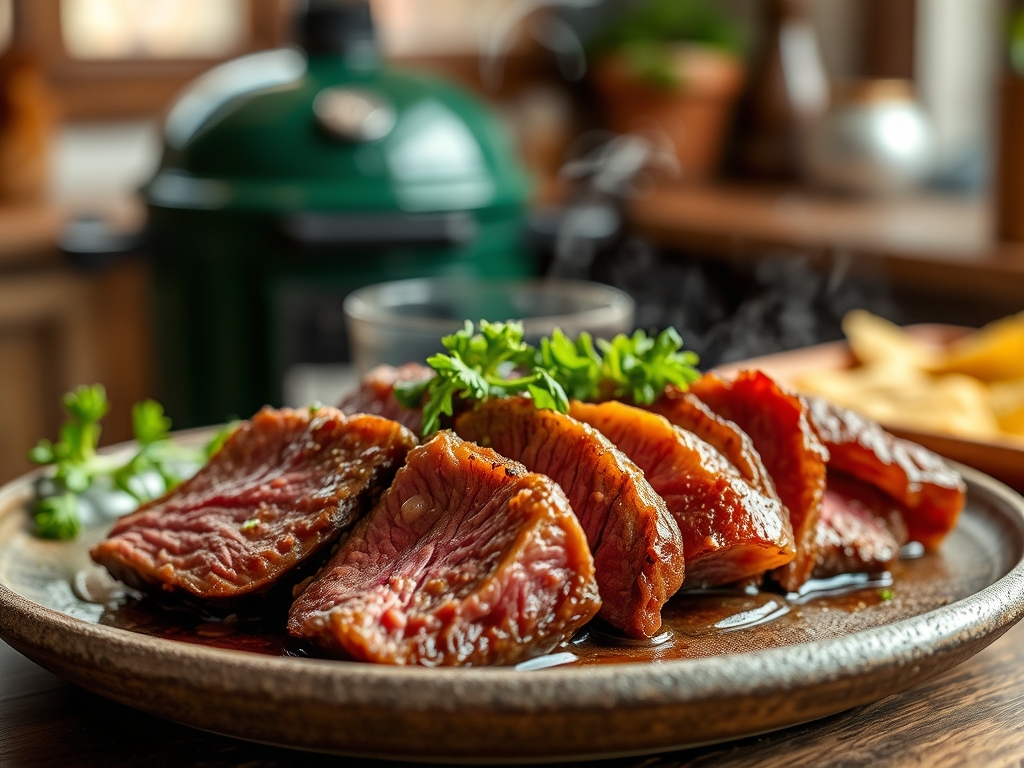
Close your eyes and listen for that specific, rhythmic crackle of lump charcoal settling into a ceramic hearth. There is a primal magic that happens when you master big green egg roast beef recipes; it is the moment when a humble three pound eye of round or a marbled prime rib transforms into a masterpiece of smoke and salt. We are not just cooking dinner tonight. We are orchestrating a complex chemical symphony of heat and moisture. You can practically smell the piquant aroma of toasted peppercorns and the deep, earthy scent of oak smoke wafting through the garden. This is about more than just a meal; it is about the quiet confidence that comes from knowing exactly how to manipulate fire and protein. Whether you are aiming for a crusty, salt-flecked exterior or a center so pink it looks like a sunset, the Big Green Egg is your ultimate laboratory. Let us get our hands dirty and dive into the molecular mechanics of the perfect roast.
The Gathers:
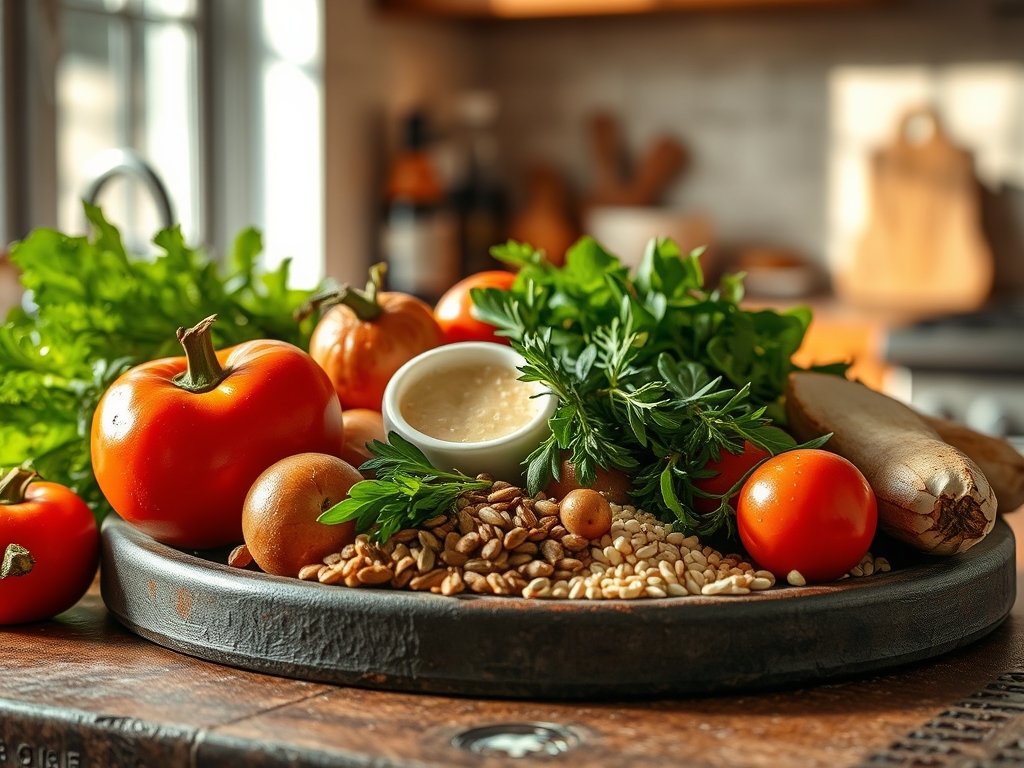
To achieve a professional grade result, your mise-en-place must be precise. Start with a high quality cut of beef, preferably one with significant intramuscular fat. You will need a digital scale to measure out exactly 2% of the meat's weight in kosher salt. This is the golden ratio for deep seasoning. Gather your aromatics: fresh rosemary sprigs, thyme, and a head of garlic sliced crosswise to expose the cloves. You will also need a high smoke point oil like avocado oil, a splash of Worcestershire sauce for a viscous hit of umami, and freshly cracked black pepper.
Smart Substitutions: If you cannot find a prime rib, a top sirloin roast offers a leaner but incredibly beefy profile. For those avoiding nightshades, swap the traditional paprika in your rub for ground sumac to maintain that vibrant red hue and a hit of acidity. If you lack fresh herbs, a high quality dried herbes de Provence can work, but you must bloom them in a small saucier with a tablespoon of warm oil first to infuse the flavor back into the dried leaves.
The Clock:
Mastering the "Chef's Flow" is about timing your movements to the thermal rhythm of the grill. Your total active prep time is approximately 30 minutes, but the passive time is where the magic happens. You must allow for a two hour "dry brine" period before the meat ever touches the grate. The cook time itself varies based on the weight of the beef; generally, you should budget 20 minutes per pound for a medium rare finish. However, the most critical window is the 30 minute rest period after the roast leaves the heat. This is not optional. It allows the muscle fibers to relax and reabsorb the juices, ensuring that your first slice does not result in a puddle of wasted flavor on your cutting board.
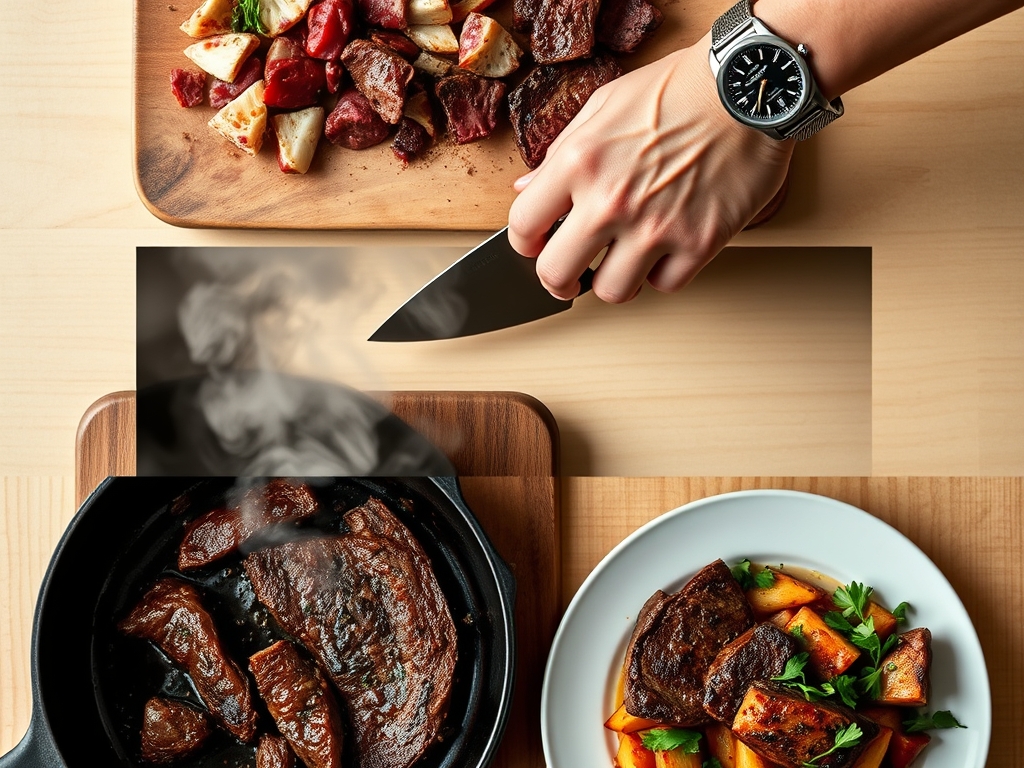
The Masterclass:
1. The Tempering Ritual
Remove your beef from the refrigerator at least 90 minutes before cooking. Use a bench scraper to clear your workspace and pat the meat bone dry with paper towels. Moisture is the enemy of a good crust.
Pro Tip: This stage reduces the temperature gradient between the center and the exterior. By narrowing this gap, you prevent the "gray ring" effect where the outside overcooks before the middle is safe to eat.
2. The Salt Bridge
Generously coat the entire surface with kosher salt. Place the roast on a wire rack set over a baking sheet to allow air to circulate around the entire piece of meat.
Pro Tip: This process, known as denaturing, allows the salt to break down the tightly wound proteins. It initially draws moisture out, creates a brine, and then pulls that seasoned moisture back into the deep tissues.
3. Calibrating the Egg
Light your lump charcoal and stabilize the Big Green Egg at a steady 250 degrees Fahrenheit. Use the ConvEGGtor plate for indirect heat. Toss in two chunks of seasoned hickory or pecan wood.
Pro Tip: Low and slow heat prevents the collagen from tightening too quickly. Slow heating allows the connective tissues to melt into gelatin, which provides that luxurious, silky mouthfeel.
4. The Herb Infusion
Whisk together your oil, minced garlic, and herbs. Use a silicone brush to paint this mixture over the meat once the salt has fully dissolved into the surface.
Pro Tip: Fat is a flavor carrier. By suspending the aromatics in a lipid, you ensure the volatile compounds in the herbs survive the heat and penetrate the surface of the beef.
5. The Low and Slow Ascent
Place the beef on the center of the grate. Insert a dual probe thermometer into the thickest part of the roast, ensuring it does not touch the bone. Close the dome and resist the urge to peek.
Pro Tip: Maintaining a consistent ambient temperature is vital for thermal equilibrium. Every time you open the lid, you lose the convective currents that are essential for even cooking.
6. The Reverse Sear
When the internal temperature hits 115 degrees Fahrenheit, remove the roast and the ConvEGGtor. Open the vents to let the Egg climb to 500 degrees. Use tongs to sear the exterior for 2 minutes per side.
Pro Tip: This is the Maillard reaction in action. The high heat causes amino acids and reducing sugars to react, creating hundreds of new flavor compounds and that iconic dark crust.
7. The Resting Phase
Transfer the roast to a warm platter. Tent it loosely with foil, but do not wrap it tightly or you will steam the crust you just worked so hard to create.
Pro Tip: Carryover cooking will raise the internal temperature by another 5 to 10 degrees. If you pull at 125, you will rest at a perfect 130 to 135 for medium rare.
The Deep Dive:
From a nutritional standpoint, roast beef is a powerhouse of bioavailable iron, B12, and high quality protein. A standard 6 ounce serving contains roughly 45 grams of protein and zero carbohydrates, making it a staple for keto or paleo lifestyles. If you are catering to a vegan guest, consider roasting a whole "lion's mane" mushroom using the same dry rub techniques; the fibrous texture mimics beef surprisingly well. For gluten free diners, ensure your Worcestershire sauce or beef base is certified GF.
The Fix-It:
- The Stall: If the internal temperature stops rising around 110 degrees, do not panic. This is evaporative cooling. Simply keep the lid closed and wait it out.
- Acrid Smoke: If the smoke looks thick and blue, your wood is not burning cleanly. Open the vents for 60 seconds to aerate the fire and clear the creosote.
- The Gray Interior: If your meat lacks a pink center, you likely skipped the tempering phase. Next time, ensure the meat is truly room temperature before it hits the grill.
Meal Prep: To reheat leftovers without losing quality, slice the beef thin and place it in a shallow dish with a tablespoon of beef broth. Cover with parchment paper and heat in a 250 degree oven until just warm. This prevents the proteins from tightening and becoming "rubbery" in the microwave.
The Wrap-Up:
You have officially graduated from backyard griller to a true master of the ceramic flame. By focusing on the science of the salt bridge, the chemistry of the Maillard reaction, and the patience of the rest, you have unlocked the secrets of big green egg roast beef recipes that most people never figure out. This roast is more than just dinner; it is a testament to your technical skill and your love for the craft. Now, grab your sharpest carving knife, call everyone to the table, and enjoy the fruits of your labor. You earned this.
The Kitchen Table:
What is the best cut for Big Green Egg roast beef?
For the best results, use a Prime Rib or a Top Sirloin Roast. These cuts have the ideal balance of fat and muscle, ensuring the meat remains succulent during the long, slow smoking process required by the Egg.
How do I prevent the beef from drying out?
Use a water pan on top of the ConvEGGtor to add humidity to the cooking chamber. Additionally, never skip the resting phase; this allows the meat to reabsorb its internal juices rather than letting them escape during slicing.
Can I use regular table salt for the dry brine?
It is not recommended. Table salt has much smaller grains and often contains iodine, which can lead to over salting and a metallic aftertaste. Always use Kosher salt for its clean flavor and superior surface coverage.
What temperature is medium rare for roast beef?
Aim for a final rested temperature of 130 to 135 degrees Fahrenheit. To achieve this, you must pull the meat off the Big Green Egg when the internal probe reads 120 to 125 degrees to account for carryover cooking.