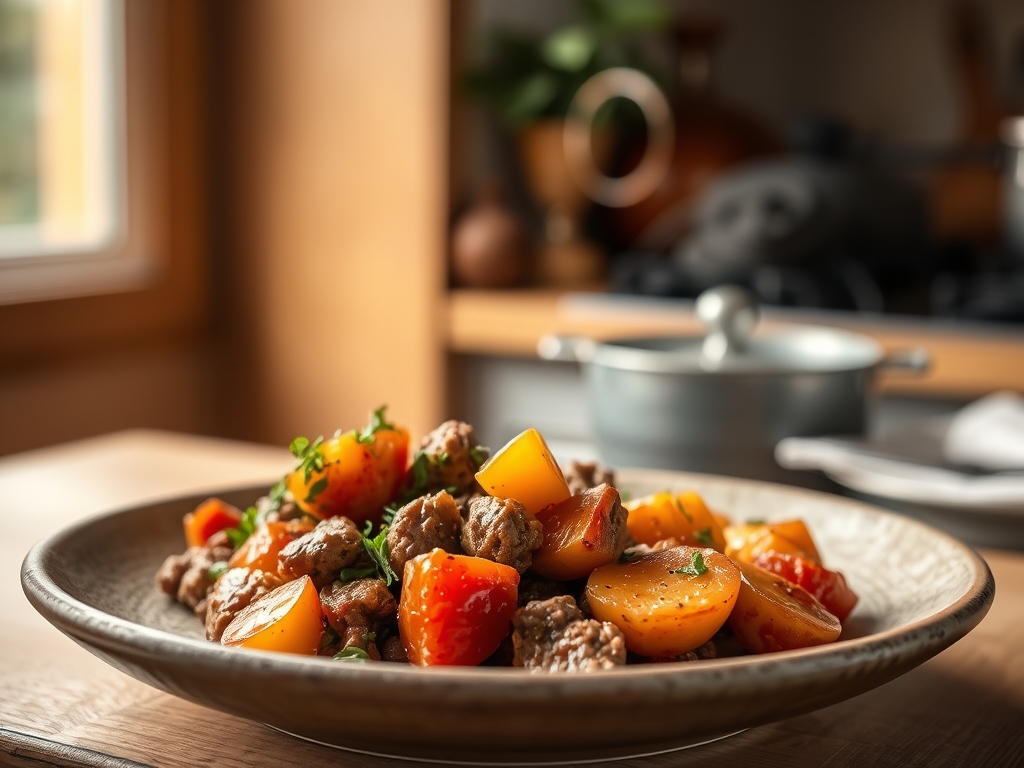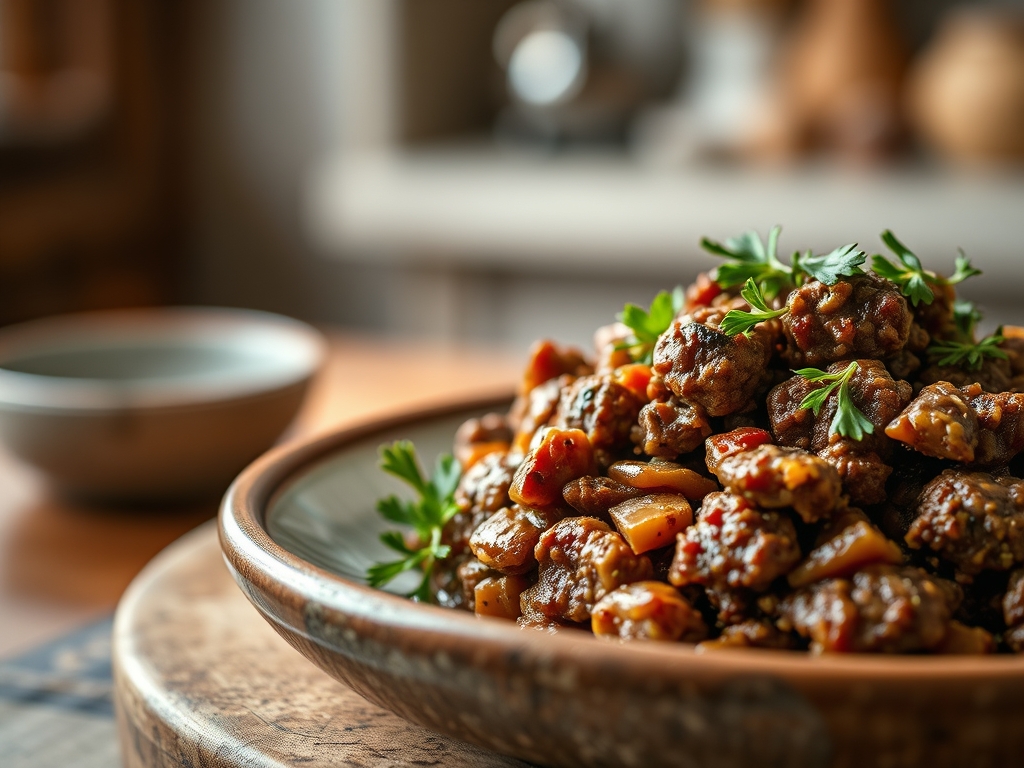
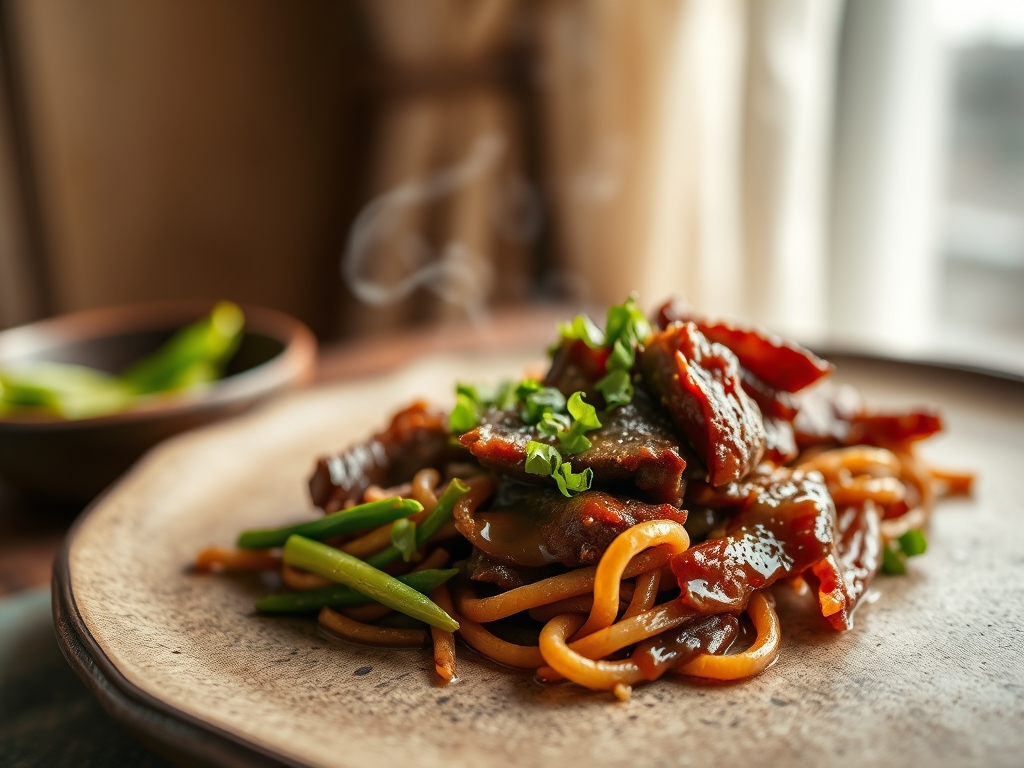
Close your eyes and listen for the aggressive hiss of cold protein meeting a scorching carbon steel surface. That sound is the overture to one of the most misunderstood yet rewarding moo shu beef recipes in the Chinese American canon. We are moving past the soggy, flavorless takeout versions of your youth. I want you to imagine ribbons of tender flank steak, velveted to perfection, nestled against the earthy crunch of wood ear mushrooms and the delicate snap of lily buds. The scent is a complex harmony of toasted sesame oil and the fermented depth of hoisin sauce. It is savory; it is sweet; it is deeply textural. When you master this dish, you are not just making dinner. You are orchestrating a sensory experience that balances the volatile heat of a wok with the refined precision of a French saucier. We are going to dive into the molecular mechanics of how to make your beef glisten and your vegetables sing without losing their structural integrity.
The Gathers:
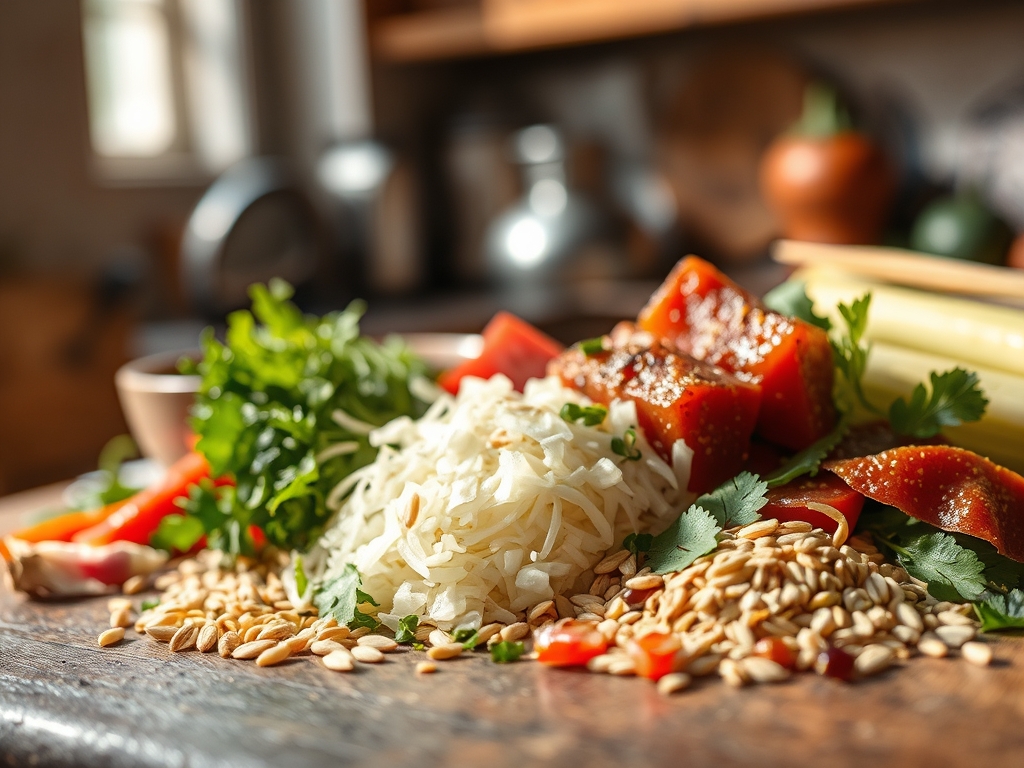
To achieve a restaurant-quality result, your mise-en-place must be flawless. Start with one pound of flank steak or flat iron beef; these cuts possess long muscle fibers that, when sliced against the grain, provide the ideal surface area for sauce adhesion. You will need four large eggs, whisked until they are a homogenous yellow to ensure a consistent crumb. For the aromatics, gather fresh ginger and garlic. Use a microplane to grate them into a paste; this increases the surface area and allows the volatile oils to infuse the oil instantly.
The texture comes from the "forest floor" components: dried wood ear mushrooms and lily buds. These require rehydration in warm water for twenty minutes until they become supple and slightly viscous. For the greenery, use shredded Napa cabbage and scallions. If you cannot find wood ear mushrooms, a smart substitution is thinly sliced shiitake mushrooms for umami or shredded carrots for a similar crunch. Use a digital scale to measure your liquid base: hoisin sauce, soy sauce, and a splash of Shaoxing wine. This ensures your salt-to-sugar ratio is scientifically balanced every single time you cook.
The Clock
Efficiency in the kitchen is about "Chef's Flow," which is the art of minimizing downtime between thermal reactions. Your total preparation time will be approximately thirty minutes, primarily focused on the precision slicing of vegetables and the marination of the beef. The actual cook time is a lightning-fast eight minutes.
You must respect the sequence of operations. If you crowd the pan, you drop the temperature and end up steaming the meat instead of searing it. We will spend three minutes on the eggs and beef, followed by a five-minute vegetable stir-fry and final integration. By the time your table is set, the residual heat will have finished the "carryover cooking" of the cabbage, leaving it tender but never mushy.
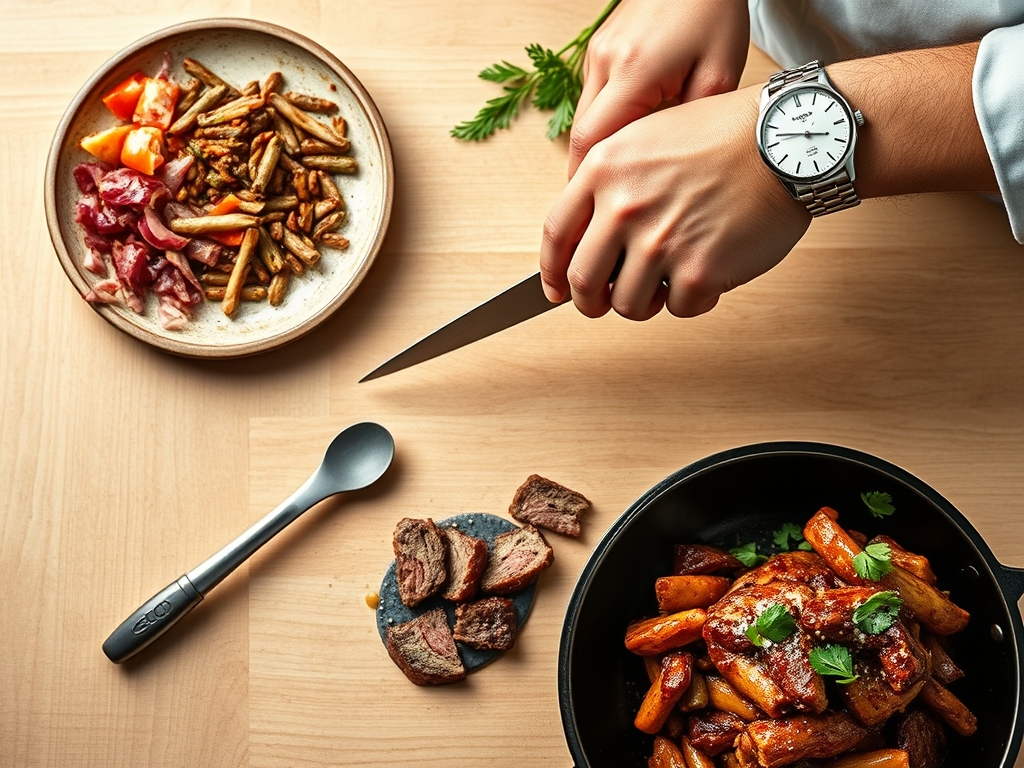
The Masterclass:
1. The Velvet Marination
Slice your beef into thin, two-inch strips and toss them with cornstarch, soy sauce, and a teaspoon of oil. This technique, known as velveting, creates a protective barrier around the protein.
Pro Tip: The cornstarch acts as a physical shield against high heat, preventing the muscle fibers from tightening and squeezing out moisture. This ensures the beef remains succulent rather than rubbery through a process called starch gelatinization.
2. The Scrambled Foundation
Heat your heavy-bottomed skillet or wok until a drop of water dances and evaporates instantly. Add oil, then pour in your whisked eggs. Swirl them rapidly with tongs or a spatula to create light, airy ribbons, then remove them immediately while they are still slightly "wet."
Pro Tip: Eggs continue to cook after they leave the pan due to thermal carryover. Removing them early prevents the proteins from over-coagulating and becoming tough.
3. The Maillard Sear
Wipe the pan, add more oil, and lay the beef in a single layer. Do not stir for sixty seconds. You want to achieve a deep, mahogany crust on the bottom of the meat before tossing.
Pro Tip: This is the Maillard reaction in action. By allowing the beef to sit undisturbed, the amino acids and reducing sugars react to create hundreds of different flavor compounds that provide that signature "smoky" wok flavor.
4. The Aromatic Infusion
Push the beef to the sides and drop your ginger and garlic paste into the center. Stir for only fifteen seconds until the kitchen smells piquant and bright.
Pro Tip: Garlic contains allicin, which is heat-sensitive. By adding it late in the process, you capture the peak aromatic profile without risking the bitterness that comes from burning the delicate solids.
5. The Vegetable Aeration
Toss in your cabbage, wood ears, and lily buds. Use a high-heat flicking motion to aerate the vegetables, ensuring they hit the hot metal surface and then the air, which helps evaporate excess moisture.
Pro Tip: The goal here is to render the water out of the cabbage quickly so it softens without losing its cellular structure. This maintains a "snap" in every bite.
6. The Viscous Glaze
Pour your premixed sauce over the ingredients. The cornstarch from the beef marinade will naturally thicken the liquid as it boils, creating a glossy, viscous coating that clings to every ribbon of beef.
Pro Tip: This is an emulsification of oils and water-based sauces. The agitation of the stir-fry helps the fat and liquid bond, resulting in a sauce that does not pool at the bottom of the plate.
7. The Final Assembly
Fold the cooked eggs back into the mixture and finish with a handful of fresh scallions. Use a bench scraper to clean your board while the dish rests for sixty seconds before serving with warm mandarin pancakes.
Pro Tip: Resting allows the internal juices of the beef to redistribute. If you serve it screaming hot, the sauce may appear thin; a moment of rest allows the starches to fully set into a perfect glaze.
The Deep Dive
From a Macro Nutrition perspective, moo shu beef is a powerhouse. It is high in lean protein and fiber from the cabbage and mushrooms, while staying relatively low in carbohydrates if you limit the pancakes. One serving typically contains 350 calories with 28 grams of protein.
For Dietary Swaps, make it Keto by swapping the hoisin for a mix of almond butter and liquid aminos; serve it in lettuce cups instead of pancakes. For a Vegan version, replace the beef with extra-firm tofu that has been pressed to remove moisture, and use a "just egg" substitute. If you are Gluten-Free, ensure your hoisin and soy sauce are certified GF, as many commercial brands use wheat as a thickener.
The Fix-It:
- Soggy Vegetables: Your pan wasn't hot enough. Next time, cook in smaller batches to maintain the temperature.
- Tough Beef: You likely sliced with the grain. Always slice perpendicular to the muscle fibers to shorten them.
- Bland Sauce: It needs acidity. Add a teaspoon of Chinkiang black vinegar to deglaze the pan and brighten the heavy flavors.
Meal Prep: To maintain "day-one" quality, store the beef and vegetables separately from the pancakes. When reheating, use a microwave-safe dish with a damp paper towel draped over the top. This creates a steam chamber that rehydrates the beef fibers without making the cabbage mushy.
The Wrap-Up
Mastering moo shu beef recipes is about more than just following a list of steps; it is about understanding the physics of the wok. By controlling your heat and respecting the structural integrity of your ingredients, you transform humble cabbage and beef into a high-end culinary feat. Grab your heavy-bottomed skillet, prep your aromatics, and get ready to impress yourself with a dish that is as smart as it is delicious.
The Kitchen Table
Can I use regular mushrooms instead of wood ears?
Yes. While you will lose the specific "crunch," thinly sliced cremini or shiitake mushrooms work beautifully. They provide a deeper umami flavor that complements the beef perfectly.
How do I keep the pancakes from sticking together?
Steam the pancakes in their packaging or a bamboo steamer. Keep them covered with a warm, damp cloth until the exact moment of serving to maintain their elasticity and moisture.
What is the best substitute for Shaoxing wine?
Dry sherry is the closest scientific match in terms of acidity and sugar content. If you need an alcohol-free version, use chicken stock with a squeeze of lime.
Why is my sauce too thin?
The sauce likely didn't reach a full boil. Cornstarch requires high heat to "activate" and thicken. Give it another thirty seconds of high-heat tossing to reach the desired viscosity.