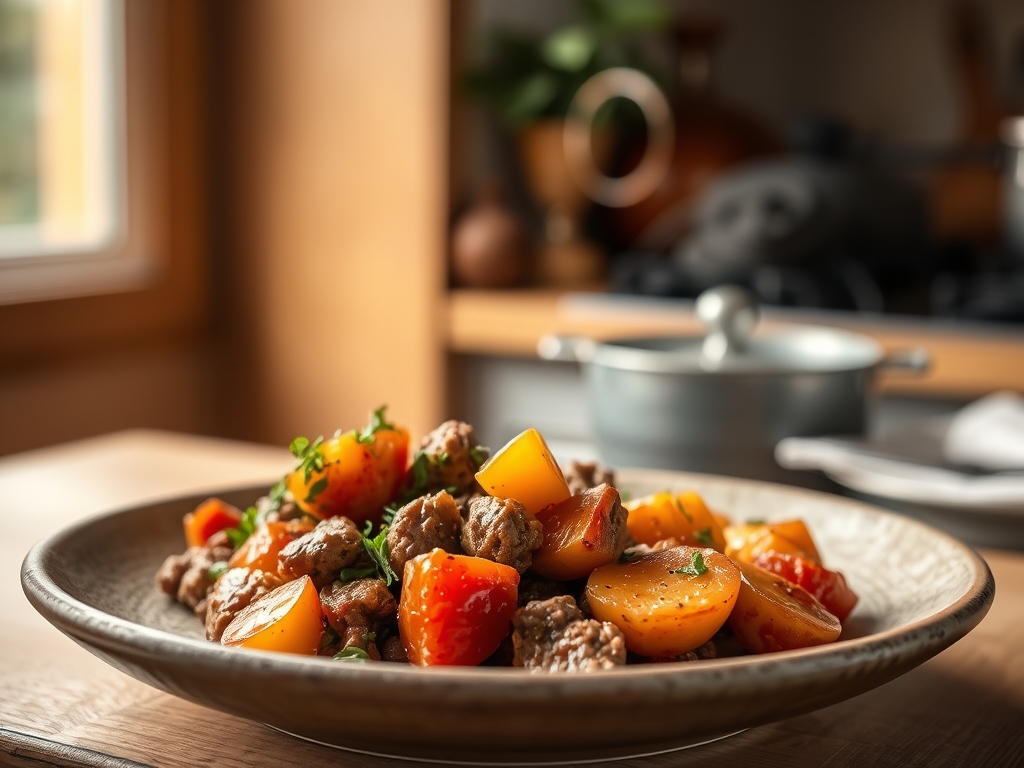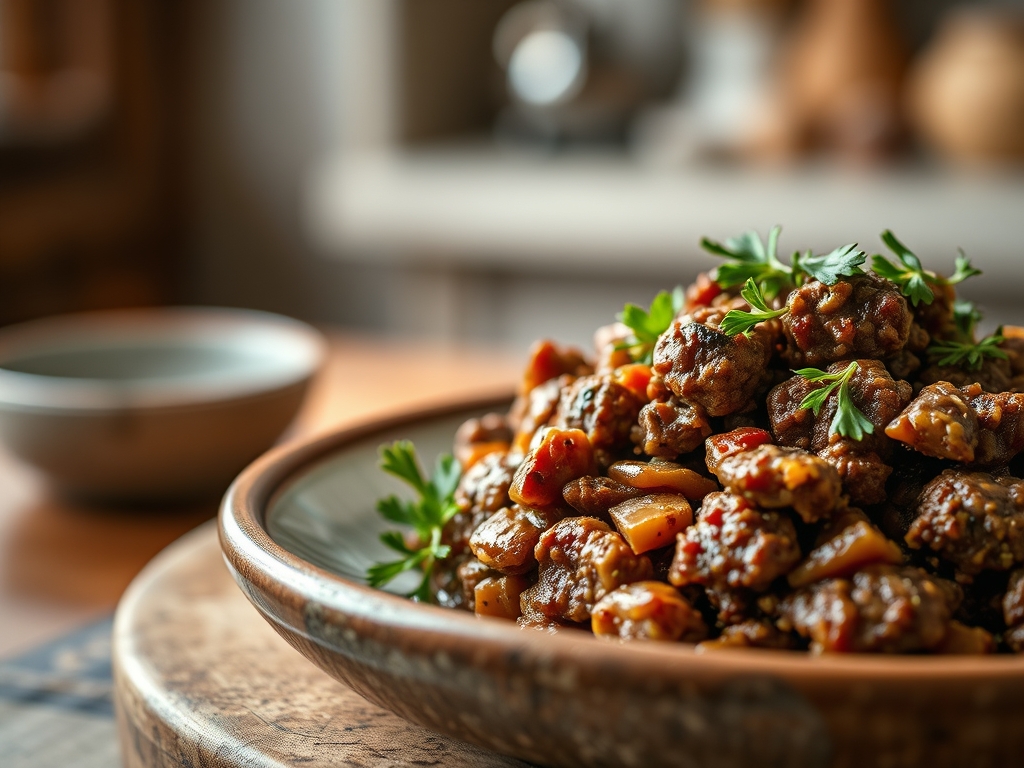
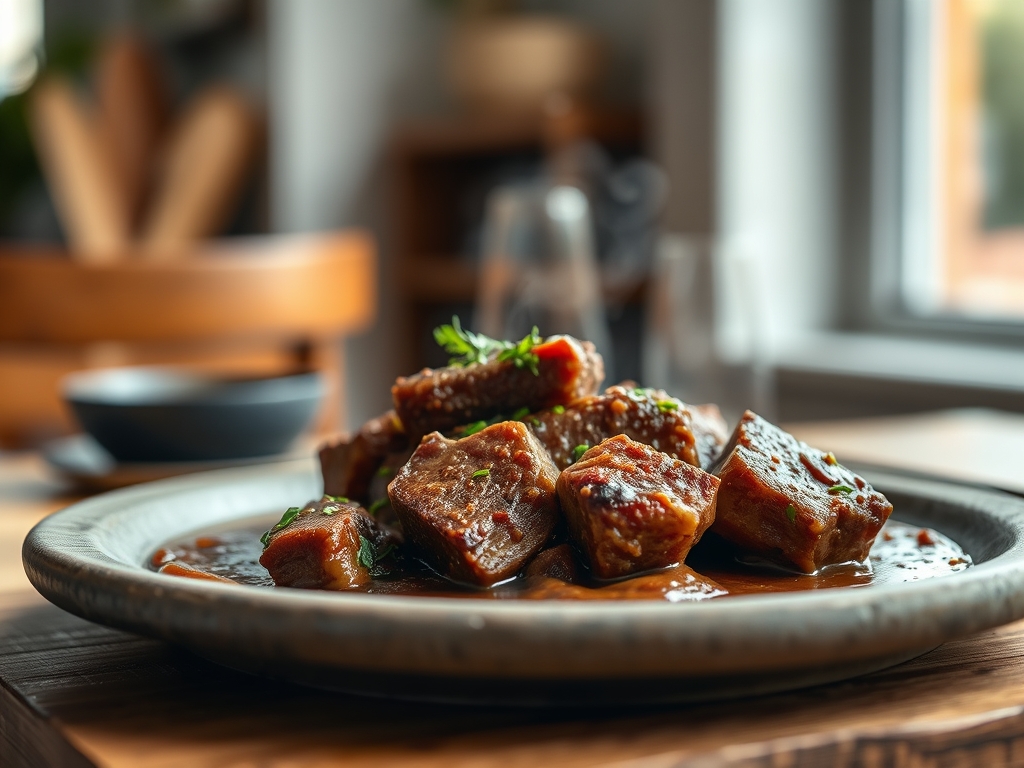
Picture the steam rising from a heavy-bottomed Dutch oven, carrying the scent of red wine and woodsy thyme through your kitchen. You are chasing that elusive, melt-on-the-tongue texture that defines the best stew cut beef recipes. We have all been there; staring at a bowl of gray, rubbery cubes that feel more like pencil erasers than premium protein. It is heartbreaking when you have invested hours of your life into a simmer that just will not yield.
But here is the secret: tenderness is not a matter of luck; it is a matter of molecular physics. Those pre-cut packages of "stew meat" are usually a mix of chuck and round, which are packed with tough connective tissue called collagen. If you treat them like a quick-sear steak, you will fail every time. However, if you understand how to manipulate heat and moisture, you can transform those humble cubes into something truly luxurious. We are going to dive into the chemistry of the braise, the magic of the Maillard reaction, and the specific professional techniques that turn a basic weeknight dinner into a masterpiece of culinary engineering. Grab your favorite apron and a glass of something bold; we are about to fix your stew game forever.
The Gathers:
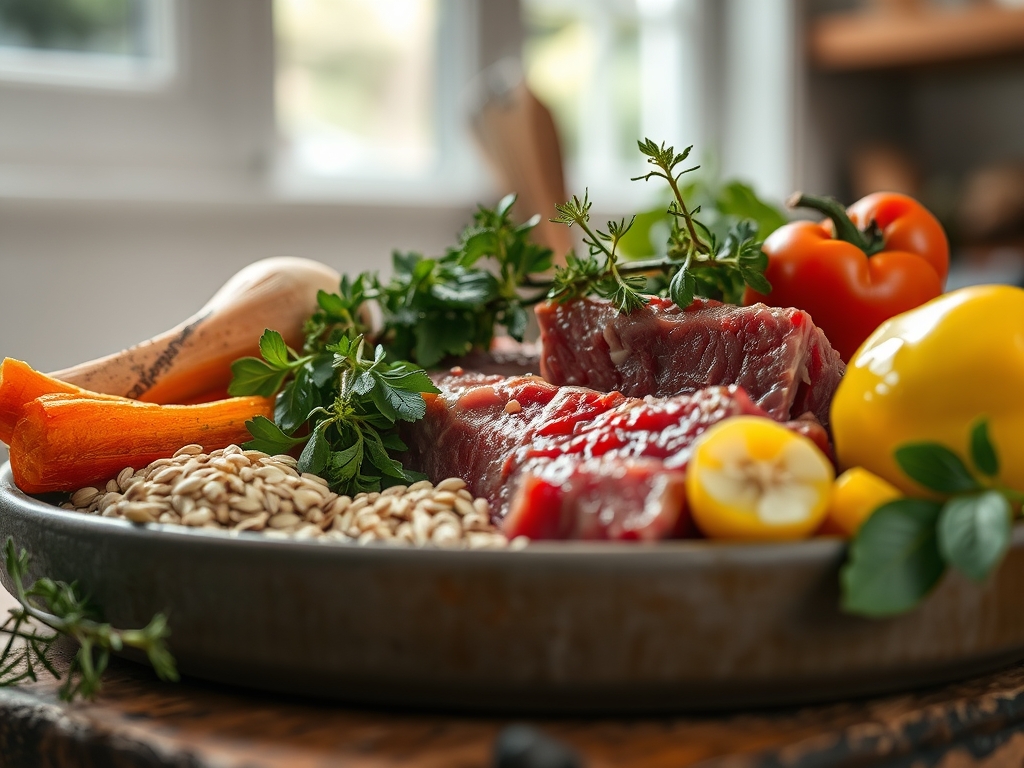
To execute world-class stew cut beef recipes, your mise-en-place must be precise. Start with 2 pounds of beef, ideally hand-trimmed into 1.5-inch cubes to ensure uniform thermal penetration. You will need a high-smoke-point fat like avocado oil or rendered tallow; butter will burn before the beef browns. For the aromatic base, gather a classic mirepoix: carrots, celery, and onions. Use a digital scale to ensure a 1:1:2 ratio for perfect flavor balance.
The liquid phase requires a viscous beef bone broth and a dry red wine, such as a Cabernet Sauvignon, to provide the necessary acidity to break down muscle fibers. For the "Smart Substitutions," if you are avoiding alcohol, a splash of pomegranate juice or high-quality balsamic vinegar offers the same piquant brightness. If you lack fresh herbs, use a microplane to zest a bit of lemon over the finished dish to provide a similar aromatic lift. Always keep a bench scraper nearby to clear your board efficiently, maintaining a clean workspace for maximum focus.
The Clock:
The "Chef's Flow" is all about managing active versus passive time. Your total prep should take no more than 25 minutes. This includes dicing the aromatics and patting the beef bone-dry; a crucial step for browning. The cooking phase is where patience becomes a tool. Expect a 15-minute sear followed by a 2.5 to 3-hour simmer.
In a professional kitchen, we use this "passive window" to prepare side dishes or clean the station. The beef requires a low, slow environment, ideally between 190 and 200 degrees Fahrenheit. If the liquid boils, the muscle fibers will seize and toughen. If it merely quivers, the collagen will slowly render into gelatin, creating that silky mouthfeel we crave.
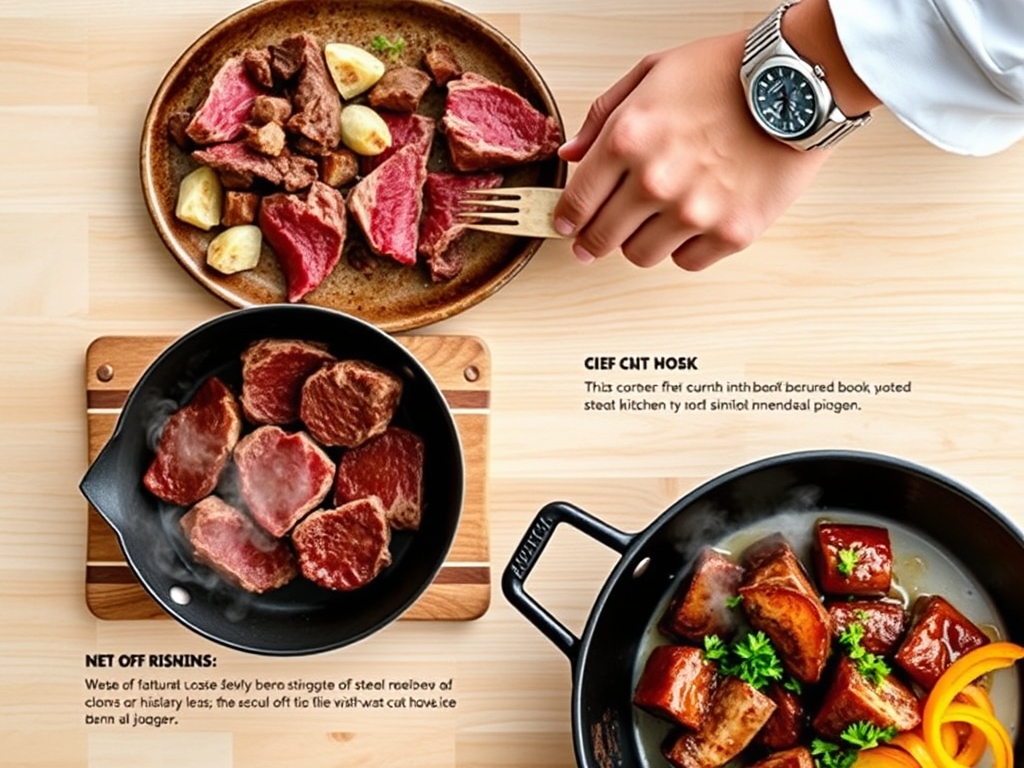
The Masterclass:
1. The Dry Brine and Desiccation
Before the beef touches the pan, you must remove surface moisture. Use heavy-duty paper towels to pat each cube until it is completely dry. Season liberally with kosher salt.
Pro Tip: This facilitates enzymatic browning. Moisture is the enemy of the sear; if the beef is wet, it will steam rather than brown, preventing the formation of complex flavor compounds.
2. The High-Heat Sear
Heat your heavy-bottomed skillet or Dutch oven until the oil shimmers. Add the beef in batches, ensuring you do not overcrowd the pan. Use tongs to turn the pieces only once they release naturally from the surface.
Pro Tip: This is the Maillard Reaction. By browning the surface at high heat, you create hundreds of different flavor molecules that do not exist in raw meat, adding depth to the final broth.
3. The Deglaze and Fond Recovery
Once the beef is removed, the bottom of your pan will be covered in brown bits called "fond." Pour in your wine or acidic liquid and use a wooden spoon to scrape these bits loose.
Pro Tip: This process uses solvent extraction to pull concentrated umami back into the sauce. The acidity in the wine also helps to balance the heavy fats of the beef.
4. The Aromatic Infusion
Add your mirepoix to the pan. Sauté until the onions are translucent and the carrots have softened slightly. Add tomato paste and cook for two minutes until it turns a dark rust color.
Pro Tip: This is called pincage. Cooking the tomato paste removes its raw, metallic edge and caramelizes the natural sugars, providing a rich, savory backbone to the stew.
5. The Low and Slow Braise
Return the beef to the pot and add just enough broth to cover the meat by two-thirds. Cover with a tight-fitting lid and place in a 300-degree oven or on a very low stovetop burner.
Pro Tip: This creates a convection environment. The liquid transfers heat more efficiently than air, allowing the internal temperature of the beef to stay consistent enough to melt collagen without drying out the proteins.
6. The Final Emulsification
Once the beef is tender, remove the lid. If the sauce is too thin, whisk in a small amount of butter or a cornstarch slurry to achieve the desired thickness.
Pro Tip: This improves the viscosity of the sauce. A thicker sauce clings to the meat, ensuring every bite is seasoned and moist rather than watery and diluted.
The Deep Dive:
Macro Nutrition
A standard serving of beef stew provides approximately 35 grams of protein and 15 grams of fat. It is rich in bioavailable iron, zinc, and B12. By focusing on root vegetables and lean-trimmed chuck, you keep the glycemic index low while maximizing satiety.
Dietary Swaps
For a Keto version, swap carrots for radishes (which lose their bite and mimic potatoes when cooked) and use xanthan gum as a thickener. For a Vegan alternative, use "soy curls" or king oyster mushrooms, which mimic the fibrous texture of beef. For Gluten-Free needs, ensure your beef stock is certified and use potato starch instead of flour for the roux.
The Fix-It: Common Pitfalls
- Tough Meat: If the beef is still chewy after two hours, it simply needs more time. The collagen has not yet converted to gelatin. Keep simmering.
- Greasy Sauce: If oil is pooling on top, use a chilled spoon to skim the surface or toss in an ice cube; the fat will cling to the cold surface for easy removal.
- Bland Flavor: If it tastes "flat," it likely lacks acidity. Add a teaspoon of red wine vinegar or a squeeze of lemon to brighten the entire profile.
Meal Prep and Reheating
Stew cut beef recipes are actually better on day two. As the stew cools, the muscle fibers relax and absorb the surrounding sauce. When reheating, do so gently in a saucier over medium-low heat. Avoid the microwave, which can cause the proteins to tighten and become rubbery through uneven electromagnetic heating.
The Wrap-Up:
Mastering stew cut beef recipes is like learning a secret language of comfort. Once you understand that time and temperature are your primary ingredients, the stress of the kitchen melts away. You are no longer just making dinner; you are performing a slow-motion transformation that turns the ordinary into the extraordinary. Whether you are serving this over creamy polenta, buttery mashed potatoes, or just eating it straight from the pot with a crusty piece of sourdough, you now have the technical prowess to ensure it is perfect every single time. Now, go forth and braise with confidence!
The Kitchen Table:
Why is my stew meat always tough?
Toughness usually stems from undercooking. Stew meat requires long, slow heat to convert tough collagen into silky gelatin. If it is chewy, it likely needs another 30 to 60 minutes of simmering at a low temperature.
Can I overcook beef in a stew?
Yes. While the connective tissue softens, the muscle fibers can eventually dry out and turn "stringy" if boiled too hard or cooked for many hours past the tenderness point. Aim for the "fork-tender" stage and stop.
Should I brown the meat before stewing?
Absolutely. Browning creates the Maillard reaction, which develops deep, complex flavors that a simple simmer cannot produce. Always pat the meat dry first to ensure a proper sear rather than steaming the beef.
What is the best liquid for beef stew?
A combination of high-quality beef bone broth and a dry red wine is best. The broth provides body and minerals, while the acidity in the wine helps tenderize the fibers and balances the richness of the fat.